Signs a Chihuahua Needs a Dental Now
It's a common heart-sink moment for many Chihuahua parents: that little whiff of something truly awful when your sweet companion yawns. You might tell yourself it's just "dog breath," but often, that smell is the first, often ignored, sign of a much bigger problem brewing beneath the surface of their tiny, crowded mouths. Ignoring these subtle cues can lead to significant pain and serious health issues for your beloved Chi. This comprehensive guide will walk you through all the signs, both subtle and glaring, that indicate your Chihuahua is in urgent need of professional dental attention, helping you keep their smile healthy and their life long and comfortable.
The Sneaky Start to Chihuahua Dental Problems
Sometimes, the earliest signs that your Chihuahua needs dental care are so subtle you might miss them, especially if you're not actively looking. It's easy to assume that certain quirks are just part of your dog's personality or breed, but with Chihuahuas, oral health is rarely a "wait and see" situation. Their unique anatomy predisposes them to problems from a very young age, making vigilance crucial. Don't fall into the trap of thinking bad breath is normal for a dog; it's almost always a red flag.
Why Chihuahuas Are Prone to Dental Disease
Chihuahuas, with their notoriously tiny jaws, face an uphill battle when it comes to dental health right from the start. Imagine trying to fit a full set of adult teeth designed for a much larger canine into such a compact space. The reality is, they just don't fit perfectly. This crowding creates nooks and crannies where food particles and bacteria love to hide, quickly forming plaque and then hardening into tartar. This isn't just an aesthetic issue; it's the foundation for serious periodontal disease. You can learn more about this specific challenge in Chihuahua Dental Disease in a Crowded Small Jaw.
Beyond the sheer lack of space, Chihuahuas are also prone to retaining their deciduous, or "baby," teeth long after their adult teeth have erupted. It's not uncommon to see a Chihuahua with two rows of teeth, one behind the other. These retained baby teeth trap even more food and make it impossible for your dog to naturally clean their mouth effectively through chewing. This double-row scenario accelerates tartar buildup and gum inflammation, setting them up for significant problems before they're even fully grown. It's a key reason why many Chihuahuas develop severe dental issues much younger than larger breeds, as discussed further in Chihuahua Tooth Crowding and Retained Baby Teeth.
Furthermore, genetics play a role. Some Chihuahuas are simply predisposed to weaker enamel or a particular oral microbiome that encourages faster plaque accumulation. This isn't something you can control, but it means you need to be extra diligent with preventive care. Many owners are surprised to learn that their seemingly healthy young Chihuahua is already showing signs of early gum disease, not realizing how quickly these issues can escalate in toy breeds. Understanding this inherent vulnerability is the first step in providing the best care for your little companion.
The Early, Often Missed, Warning Signs
The very first sign you might notice is often just a slightly unpleasant smell from their mouth. We've all heard the phrase "dog breath," but truly healthy dog breath shouldn't be offensive. If you find yourself turning your head when your Chi tries to give you a kiss, that's your cue. This isn't just an inconvenience; that smell is caused by bacteria festering in their mouth, a clear indicator that plaque has already begun its destructive work. It’s important to understand that this isn't just a cosmetic problem; it's a sign of infection and inflammation.
Another subtle sign might be a change in their chewing habits. Perhaps they used to love a particular crunchy treat but now they're a bit more hesitant, or they drop it more often. They might favor one side of their mouth when chewing, or perhaps they're not quite as enthusiastic about their kibble as they once were. These small shifts often go unnoticed, attributed to pickiness or just "getting older," but they can be your Chihuahua quietly telling you that chewing has become uncomfortable. This reluctance can be an early indicator of developing pain, long before any teeth are obviously loose or decayed.
You might also observe subtle changes in their gums. A healthy gum line should be a soft, pale pink. If you notice any redness, especially right where the gum meets the tooth, that's a sign of gingivitis, the earliest stage of gum disease. It can be hard to spot in a wiggly little mouth, but it's worth taking the time to gently lift their lip and peek. This inflammation might not be painful yet, but it’s a clear indication that a professional cleaning is warranted before the problem progresses. Spotting these small changes early can prevent more invasive and costly procedures down the line, ultimately saving your Chihuahua from significant discomfort.
Obvious Indicators Your Chihuahua Needs Dental Attention
As dental disease progresses, the signs become harder to ignore. These are the indicators that usually prompt a frantic call to the vet, but ideally, you'll catch the problems much earlier. Waiting until these obvious symptoms appear often means the disease has already caused considerable damage, potentially requiring extractions and more intensive treatments. Being aware of these clearer signs can help you advocate for your Chihuahua's health promptly.
Visible Changes: Tartar, Red Gums, and Missing Teeth
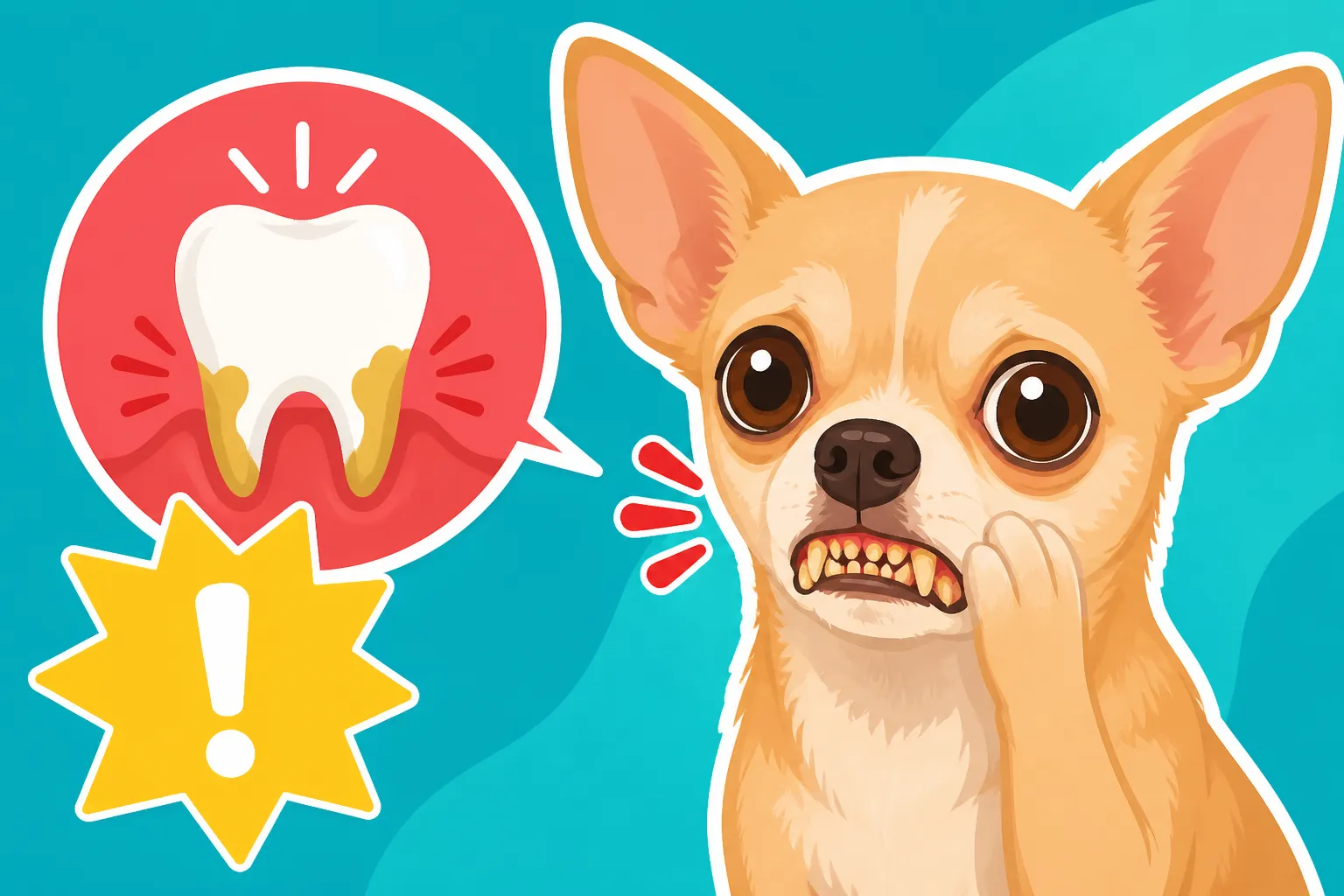
One of the most unmistakable signs is the visible buildup of tartar on their teeth. This looks like a hard, yellowish-brown crust, typically starting along the gum line and sometimes covering the entire tooth surface. It's essentially calcified plaque, and once it forms, no amount of home brushing will remove it. Only a professional dental cleaning under anesthesia can get rid of this stubborn buildup. This tartar acts like a magnet for bacteria, which then produces toxins that erode the gums and bone supporting the teeth.
Beyond tartar, take a close look at their gums. Are they bright red, swollen, or even bleeding when your Chihuahua chews or you try to brush? These are all signs of moderate to severe gingivitis and periodontal disease. Sometimes, you might even see pus or discharge around the gum line, indicating a serious infection. This isn't just uncomfortable; it's an active infection that constantly introduces bacteria into your Chihuahua's bloodstream, potentially affecting their kidneys, heart, and liver. For an older Chihuahua, this kind of gum disease can be incredibly debilitating, as discussed in Gum Disease in a Five Year Old Chihuahua.
Perhaps the most alarming visual sign is a loose or missing tooth. Chihuahuas are notorious for losing teeth young, often due to advanced gum disease eroding the supporting structures. If you notice a tooth wiggling, or a gap where a tooth should be, that's a clear signal for immediate veterinary attention. Sometimes, you might even find a tooth on the floor or in their bedding. While finding a lost tooth can be distressing, it's often a relief for your Chihuahua, as that tooth was likely causing immense pain. In severe cases, some Chihuahuas are missing half their teeth by middle age, as explored in A Chihuahua Missing Half Its Teeth.
Behavioral Clues: Eating Habits and Pain Signals
When dental pain becomes significant, your Chihuahua will almost certainly start showing changes in their eating habits. They might drop food, eat much more slowly, or refuse hard kibble entirely, preferring softer options. Imagine eating with a toothache; it's simply too painful to chew. Your Chi might even approach their food bowl, look at it longingly, and then walk away because the discomfort outweighs their hunger. This isn't pickiness; it's a desperate plea for help.
Beyond eating, look for other signs of discomfort or pain. Your Chihuahua might paw at their face or mouth, rub their face on furniture or the carpet, or become noticeably more irritable or withdrawn. A normally affectionate dog might snap when you try to touch their head or muzzle. Sometimes, they might drool excessively, or you might notice blood-tinged saliva. These are all clear indicators of oral pain, signaling that the infection and inflammation have become severe. They are trying to tell you, in the only ways they know how, that something is seriously wrong and they are hurting.
It's also not uncommon for Chihuahuas with severe dental pain to simply become less active or play less. The constant throbbing ache can drain their energy and make them less enthusiastic about life in general. You might think they're just getting older, but a sudden or gradual decline in their usual playful demeanor could easily stem from untreated dental issues. A thorough veterinary exam, including a dental check, can often uncover the root cause of these subtle yet impactful changes in their quality of life.
| Sign of Dental Issue | Urgency Level | What it Means | Action Required |
|---|---|---|---|
| Mild "Dog Breath" | Low | Early plaque, bacterial buildup. | Schedule routine dental check, intensify home care. |
| Red/Inflamed Gums | Medium | Gingivitis, early gum disease. | Vet appointment for assessment; likely professional cleaning. |
| Hesitation to Chew | Medium-High | Discomfort or pain when eating. | Prompt vet exam to identify painful areas. |
| Visible Tartar Build-up | High | Established plaque, risk of advanced gum disease. | Professional dental cleaning required. |
| Excessive Drooling / Pawing | High | Significant pain, potential abscess or injury. | Urgent vet visit. |
| Loose / Missing Teeth | High | Advanced periodontal disease, bone loss, severe pain. | Urgent vet visit, likely extractions. |
| Pus / Bleeding Gums | Critical | Active infection, potentially severe. | Emergency vet visit. |
What Happens If You Wait Too Long
Delaying dental care for your Chihuahua isn't just about bad breath or a few missing teeth; it can have profound and far-reaching consequences for their overall health and lifespan. Many owners don't realize that oral infections are not contained within the mouth. The tiny size of a Chihuahua makes them particularly vulnerable to these systemic effects, turning a seemingly localized problem into a widespread health crisis.
Serious Health Consequences Beyond the Mouth
The bacteria thriving in your Chihuahua's infected mouth don't stay put. They constantly enter the bloodstream, traveling to major organs throughout the body. The heart, kidneys, and liver are particularly susceptible to damage from these chronic infections. Over time, this constant assault can lead to conditions like endocarditis (inflammation of the heart lining), kidney disease, and liver dysfunction. These are serious, life-threatening conditions that can significantly shorten your Chihuahua's already impressive Chihuahua Lifespan and Why the Breed Reaches Sixteen.
Imagine your Chi's tiny body constantly fighting off a low-grade infection. This puts a tremendous strain on their immune system, leaving them more vulnerable to other illnesses. Chronic inflammation from gum disease can also exacerbate other existing health conditions, making them harder to manage. For instance, a Chihuahua with a heart murmur could see their condition worsen due to the added stress of a persistent dental infection, as discussed in Chihuahua Heart Disease as the Breed Ages. It's a domino effect, and the mouth is often where the first domino falls.
Furthermore, chronic pain from untreated dental disease impacts your Chihuahua's quality of life immensely. They might become withdrawn, less playful, and generally unhappy. They may struggle to eat, leading to weight loss and nutritional deficiencies. This isn't just about physical pain; it's about the emotional toll it takes on your cherished companion. It’s heart-breaking to think that a fixable problem could steal joy from their daily existence, but it happens all too often when dental issues are overlooked for too long.
The Emergency Dental Scenario
If left unaddressed, dental disease can lead to acute and painful emergencies. One of the most common is a dental abscess, where an infection at the root of a tooth creates a pocket of pus. This can be incredibly painful and often manifests as swelling on your Chihuahua's face, usually just below an eye, or on their lower jaw. The swelling can be rapid, and sometimes the abscess will burst, releasing foul-smelling pus. This is not just uncomfortable; it's a serious infection that requires immediate veterinary attention, often including an emergency extraction and a course of antibiotics.
Another horrifying consequence, especially for small breeds, is a jaw fracture. When severe periodontal disease erodes the bone surrounding the tooth roots, the jaw bone itself becomes weakened and brittle. A simple fall, a bump, or even just intense chewing on a hard toy can be enough to fracture your Chihuahua's jaw. This is an incredibly painful and complex injury to treat in such a tiny dog, often requiring specialized surgery and a long recovery period. The thought of this happening is terrifying, but it's a very real risk for Chihuahuas with advanced dental issues, as detailed in Jaw Fractures From Chihuahua Dental Disease.
These emergency situations not only cause immense suffering for your Chihuahua but also result in unexpected and significant veterinary bills. An emergency extraction, treatment for an abscess, or jaw repair surgery will always be far more costly and invasive than a routine preventative dental cleaning. Waiting until an emergency strikes means greater pain for your pet and a larger financial and emotional strain on you. It's a stark reminder that proactive dental care isn't just about prevention; it's about avoiding these heartbreaking, urgent scenarios.
Taking Action: Getting Your Chihuahua the Dental Care It Needs
Once you recognize the signs that your Chihuahua needs dental attention, the next step is crucial: don't delay! Getting them into the vet for an assessment and then scheduling the necessary procedure is the best thing you can do for their health and comfort. It might seem daunting, especially for a tiny dog, but the relief and improved health your Chi will experience are immeasurable.
The Veterinary Dental Exam
The first step is a thorough physical examination by your veterinarian. During this exam, your vet will look for visible signs of tartar, gingivitis, and any loose or missing teeth. They'll also check for facial swelling, pain response, and any abnormalities. It's important to be honest about the signs you've observed at home, even the subtle ones, as this information helps your vet form a complete picture of your Chihuahua's oral health. They might gently palpate your dog's jaw and mouth to check for any hidden sources of pain.
If significant dental disease is suspected, your vet will recommend a professional dental cleaning, which always requires general anesthesia. This can be a concern for many Chihuahua owners due to their small size, but modern veterinary anesthesia protocols are very safe, especially with appropriate pre-anesthetic bloodwork and monitoring. Your vet will explain the procedure, including potential tooth extractions, and provide you with an estimate. During this time, they can also discuss Anesthesia Risk During a Chihuahua Dental and Pre-Anesthetic Bloodwork Costs for a Chihuahua to alleviate your concerns and help you prepare.
The actual dental procedure involves a thorough cleaning both above and below the gum line, often including dental X-rays to assess the health of the tooth roots and jaw bone, which are hidden from view. Any diseased or compromised teeth will be extracted to prevent future pain and infection. This comprehensive approach ensures that all sources of pain and infection are addressed, giving your Chihuahua a fresh, healthy start. While the cost for a comprehensive dental cleaning can seem high, it's an investment in your Chihuahua's long-term health, as discussed in The Yearly Chihuahua Dental Cleaning Bill.
Proactive Home Care to Prevent Future Issues
After a professional cleaning, the real work of prevention begins at home. The single most effective way to maintain your Chihuahua's oral health is daily tooth brushing. Yes, daily! This might sound like a huge commitment, but even two minutes a day can make a world of difference. Start slowly, using a finger brush or a tiny toothbrush designed for small pets, and a pet-specific enzymatic toothpaste (never human toothpaste). Websites like Amazon and Chewy offer a wide array of brushes and pastes suitable for small mouths. Consistency is key, and your Chihuahua will eventually get used to it, especially if you make it a positive experience with praise and treats. You can find a detailed guide in The Two Minute Daily Chihuahua Tooth Routine.
Beyond brushing, incorporating dental-specific treats or chews can help, but they should never replace brushing. Look for products that are veterinary oral health council (VOHC) approved, as these have been tested for effectiveness. Ensure any chew you choose is appropriately sized for your Chihuahua to prevent choking or broken teeth. Again, Chewy has many options for small dogs. Some owners also find success with water additives or oral rinses designed to reduce plaque, though their effectiveness varies.
Finally, regular veterinary check-ups, ideally every six months for a Chihuahua, are essential. Your vet can monitor their oral health and recommend another professional cleaning before severe problems re-develop. Sometimes, even with diligent home care, Chihuahuas will still need yearly or bi-yearly cleanings due to their genetic predisposition and crowded mouths. Investing in this consistent care is the best way to ensure your tiny companion enjoys a pain-free mouth and a long, happy, and healthy life by your side. For Chihuahuas who struggle with hard food due to past dental issues, exploring softer, fresh food options from services like Ollie might also be a good temporary or permanent solution after their dental work.
Disclaimer
This article is for general informational purposes only and does not constitute professional advice. Laws, prices and regulations vary by location and change over time. Consult a qualified professional for guidance on your specific situation.