Foods That Are Fatal at Chihuahua Body Weight
It’s a truly frightening thought for any Chihuahua parent: that tiny mouth, those delicate systems, and the everyday foods we enjoy that can become lethal for our beloved companions. It’s not just about guarding against obvious poisons, but understanding how common ingredients, even in small amounts, can have devastating consequences for a dog weighing only a few pounds. This guide isn't here to scare you, but to empower you with the knowledge to keep your pint-sized pal safe from hidden dangers in your pantry and on your plate.
Why a Chihuahua's Size Makes Food Toxins So Dangerous
When you look at your Chihuahua, curled up in a little ball or prancing around with boundless energy, it's easy to forget just how small and delicate their internal systems are. This miniature stature, while endearing, also makes them incredibly vulnerable to substances that might barely faze a larger breed. It’s a reality that often brings a knot of worry to the stomachs of Chihuahua owners, knowing that what’s a harmless snack for us could be a dire emergency for them.
The Dose Makes the Poison But the Size Dictates the Dose
This old adage, "the dose makes the poison," is never truer than with a Chihuahua. What might be a negligible amount of a harmful substance for a Labrador weighing 70 pounds becomes a proportionally massive dose for a Chihuahua who might only be six pounds. Imagine a single chocolate chip. For a human, it's a fleeting moment of sweetness. For a small Chihuahua, that seemingly innocent treat introduces a significant amount of a stimulant into their system relative to their body mass.
Consider the reality: a crumb of cake, a dropped raisin, or a tiny lick of something off the floor. These amounts are often too small for a person to even register, yet for your little one, they can be potent enough to trigger a severe reaction. This is why vigilance isn't just a suggestion, it's an absolute necessity. Every single calorie and every ingredient that goes into their diet needs careful consideration, and anything outside of their specially formulated food should be treated with extreme caution. After all, when you’re dealing with such a small creature, What Six Pounds Means for Chihuahua Food Safety takes on a whole new dimension of importance.
Faster Metabolism, Quicker Crisis
Chihuahuas are known for their high energy and often, a surprisingly fast metabolism. This rapid metabolic rate, while helping them burn off calories efficiently, can also mean that their bodies process toxins at an accelerated pace. What might take hours to show symptoms in a larger dog could manifest much more quickly in a Chihuahua, turning a potential concern into a full-blown crisis in a shorter timeframe.
This rapid onset of symptoms means you have less time to react. You might not have the luxury of observing your dog for an hour or two to see if they're "okay." A speedy metabolism means harmful compounds can hit their system and start wreaking havoc almost immediately, leading to a quick decline in health. This is a critical factor, especially when considering emergency situations. If your Chihuahua's blood sugar can drop dangerously low in a flash, as discussed in Why a Chihuahua Runs Out of Blood Sugar So Fast, imagine how quickly a potent toxin can take hold. Prompt action is paramount because every minute truly counts.
Common Household Foods That Are Surprisingly Lethal
It’s often the things we enjoy most that pose the greatest risk. These aren't exotic dangers, but everyday items found in nearly every kitchen, making accidental ingestion a constant worry for Chihuahua parents. The casual dropping of a snack or a forgotten item on a low table can quickly become a life-threatening situation.
Chocolate: A Chihuahua's Sweetest Danger
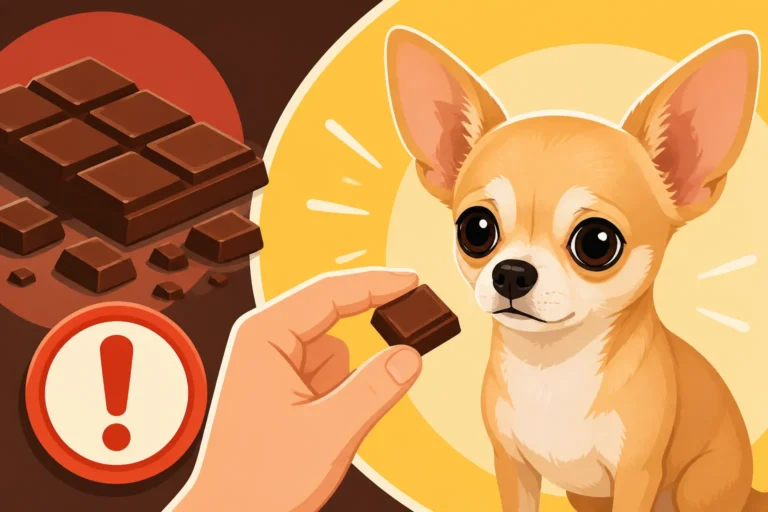
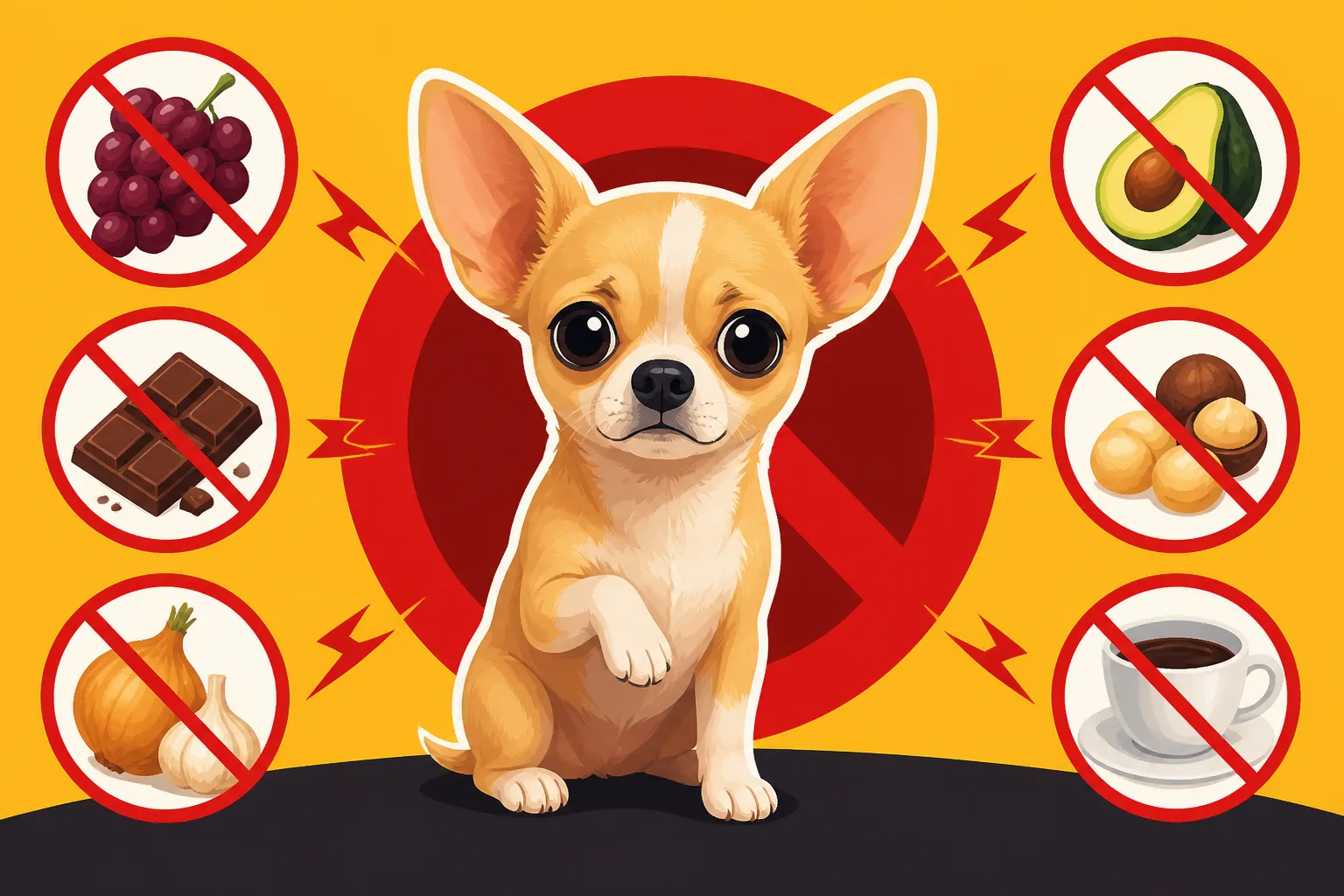
Ah, chocolate. The ultimate comfort food for many, but a potentially fatal indulgence for your Chihuahua. The culprit here is theobromine, a stimulant similar to caffeine, which dogs cannot metabolize as quickly as humans. This means it stays in their system longer, building up to toxic levels. All chocolate contains theobromine, but the darker the chocolate, the higher the concentration, and thus, the greater the danger. Baking chocolate and dark chocolate are the most dangerous, followed by milk chocolate, and even white chocolate still poses a risk due to its fat content and potential to upset a tiny tummy.
Imagine a scenario: you’re enjoying a dark chocolate bar, and a small piece breaks off and falls unnoticed onto the floor. Before you can react, your curious Chihuahua has gobbled it up. For a five-pound dog, even a small square of dark chocolate can cause severe symptoms like vomiting, diarrhea, hyperactivity, tremors, seizures, and even death. It’s a stark reminder of Why Chocolate Doses Matter More at Six Pounds for these little guys. Keep all chocolate, in any form, secured and out of reach. That means no chocolate chip cookies left on the coffee table, no brownies cooling on the counter, and certainly no giving them a lick of your ice cream if it contains chocolate.
Xylitol: The Silent Killer in Sugar-Free Products
If there's one ingredient every Chihuahua owner needs to be intimately familiar with, it's xylitol. This artificial sweetener, found in an ever-growing list of "sugar-free" products, is incredibly toxic to dogs, far more so than chocolate. The terrifying thing about xylitol is how little it takes to cause a severe reaction. When ingested by a dog, xylitol is rapidly absorbed into the bloodstream, causing a potent release of insulin from the pancreas. This leads to a rapid and severe drop in blood sugar (hypoglycemia), which can occur within 10-60 minutes.
Xylitol can be found in a shocking array of everyday items: sugar-free chewing gum, mints, candies, certain brands of peanut butter, toothpaste, mouthwash, some medications, and even certain baked goods. You might be carefully watching your dog’s caloric intake with Chihuahua Treats Inside a Tiny Calorie Budget, but then accidentally give them a spoon of peanut butter from a jar without checking the label. The consequences can be devastating: sudden weakness, stumbling, collapse, seizures, and even liver failure. Always check ingredient labels on everything before sharing, especially with items like peanut butter. It truly is a case where Xylitol and the Danger to a Small Dog cannot be overstated, and vigilance is absolutely crucial.
Grapes and Raisins: Small but Mighty Threat
Grapes and raisins are another mysterious yet deadly threat to Chihuahuas. The exact toxic substance within grapes and raisins is still unknown, which makes them even more unsettling. What we do know is that ingestion can lead to acute kidney failure in dogs, and there's no safe amount. Even a single grape or raisin has the potential to cause severe illness, making them a top concern for responsible pet parents.
The signs of grape or raisin toxicity often begin with vomiting and diarrhea within a few hours of ingestion, followed by lethargy, dehydration, and increased thirst. Eventually, kidney failure can set in, leading to a grim prognosis if not treated promptly. Think about the common scenarios: a child drops a few raisins while snacking, or a forgotten bunch of grapes falls from a fruit bowl. Because the mechanism of toxicity isn't fully understood, the best and only approach is strict avoidance. Never offer them as a treat, and be incredibly meticulous about keeping them out of reach, especially in homes with small children who might not understand the danger.
Onions, Garlic, and Chives: The Allium Family's Hidden Danger
The entire Allium family – onions, garlic, chives, and leeks – contains compounds that can damage a dog's red blood cells, leading to a condition called hemolytic anemia. These compounds, called thiosulphates, are harmful whether the ingredients are raw, cooked, dried, or powdered. This means that a little sprinkle of onion powder in your seasoning or a small amount of cooked onion in a leftover stew can be just as dangerous as fresh garlic.
For a Chihuahua, even small amounts of these ingredients can be problematic. Symptoms might not appear immediately, often taking a day or two to develop, which can make diagnosis tricky if you don't recall a specific ingestion event. Look for signs like lethargy, weakness, pale gums, increased heart rate, rapid breathing, vomiting, and dark-colored urine. Many common human foods contain these ingredients: gravies, sauces, leftover casseroles, pizza, and even some baby foods. It’s important to remember that they are ubiquitous in our kitchens, and therefore pose a constant threat. Be incredibly careful with dropped food and leftovers, and instruct family members or guests not to share table scraps.
Other Risky Foods to Keep Far Away From Your Tiny Friend
Beyond the most common culprits, there's a whole host of other foods that can pose serious risks to your tiny Chihuahua. While some might not be immediately fatal, their small size and delicate digestion mean even "mild" issues can quickly escalate into emergencies. It’s about more than just acute poisoning; it's about safeguarding their overall health and well-being.
Avocado: A Controversial Caution for Chihuahuas
Avocado is a bit of a mixed bag in the pet world, but for Chihuahuas, it's generally best to err on the side of caution. The issue lies with a fungicidal toxin called persin, which is present in the leaves, bark, skin, and pit of avocados. While the flesh of the fruit is often considered less toxic to dogs than to some other animals (like birds and horses), it can still cause gastrointestinal upset in sensitive individuals.
For a tiny Chihuahua, even mild vomiting or diarrhea can quickly lead to dehydration, which is a serious concern. Furthermore, the large pit poses a significant choking hazard or can cause an intestinal obstruction if swallowed – a truly terrifying prospect for such a small dog. And let's not forget the high fat content of avocado. For a dog with a sensitive stomach, or one prone to pancreatitis (an inflammatory condition of the pancreas), even a small amount of fatty food can trigger a painful and potentially severe episode. Given the other common health issues Chihuahuas face, like those detailed in Chihuahua Pancreatitis in a Chihuahua After Rich Food, it's really best to keep this trendy superfood off their menu entirely.
Macadamia Nuts: More Than Just a Stomach Upset
Macadamia nuts are another food that can cause alarming symptoms in dogs, though thankfully they are rarely fatal. The exact toxin is unknown, but ingestion can lead to a range of uncomfortable and worrying signs. For a Chihuahua, the small size of the nut itself also presents a choking hazard.
Symptoms typically appear within 12 hours and can include weakness, particularly in the hind limbs, vomiting, tremors, fever (hyperthermia), and abdominal pain. While these signs usually resolve on their own within 24-48 hours with supportive care, it's still a distressing experience for both you and your little dog. Imagine seeing your Chihuahua suddenly weak and trembling; it's enough to send any pet parent into a panic. To avoid such scenarios, keep all nuts, including macadamias, safely stored away.
Yeast Dough: A Rising Problem
Unbaked yeast dough is a unique and dangerous food for Chihuahuas, primarily for two reasons: expansion and alcohol production. If your Chihuahua ingests raw bread or pizza dough, the warm, moist environment of their stomach provides the perfect conditions for the yeast to continue fermenting.
First, the dough will expand in their stomach, causing severe bloating, pain, and potentially gastric dilation-volvulus (GDV), a life-threatening condition where the stomach twists. Second, as the yeast ferments, it produces alcohol. For a tiny Chihuahua, this alcohol is rapidly absorbed into the bloodstream, leading to alcohol poisoning. Symptoms of alcohol toxicity can include disorientation, lethargy, weakness, an unsteady gait, vomiting, and in severe cases, respiratory depression and coma. This is one of those household items that seems innocent enough, but the biology of a tiny dog makes it a grave risk.
Alcohol and Caffeine: Obvious Dangers, Extreme Sensitivity
While most people understand that giving alcohol to a pet is a bad idea, accidental exposure can still happen. A forgotten drink left on a low table, a spill that isn't immediately cleaned, or even some fermented fruit can lead to problems. For a Chihuahua, their small body weight means that even a tiny amount of alcohol can lead to intoxication, liver damage, and central nervous system depression.
Similarly, caffeine, found in coffee, tea, energy drinks, and some medications, is a potent stimulant that can cause serious issues for dogs. Symptoms of caffeine poisoning in a Chihuahua can include restlessness, hyperactivity, vomiting, elevated heart rate, tremors, and seizures. Given that Chihuahua Water Intake at Low Body Weight is already something to monitor, ensuring they only drink fresh, clean water is vital. Always keep caffeinated beverages and alcoholic drinks completely out of reach.
What to Do If Your Chihuahua Eats Something Toxic
The moment you realize your Chihuahua has eaten something potentially toxic is terrifying. Your heart pounds, your mind races, and you feel a surge of panic. But in those critical seconds, it's vital to stay calm and act swiftly and deliberately. Your quick thinking can make all the difference in the outcome for your little one.
Act Fast: Time is of the Essence
If you suspect your Chihuahua has ingested something toxic, do not wait. Time is your most precious commodity. The longer a toxin remains in their system, the more it gets absorbed, and the harder it becomes to treat. Your first, immediate step should be to contact your veterinarian or an emergency veterinary clinic. Do not try to induce vomiting or administer any home remedies without explicit instructions from a professional. What might be safe for one toxin could be dangerous for another, and the delicate system of a Chihuahua needs expert guidance.
When you call, be prepared to provide as much information as possible:
- What was eaten? Be specific (e.g., "three squares of dark chocolate" or "one piece of sugar-free gum").
- How much was eaten? Your best estimate is crucial.
- When was it eaten? The time elapsed is very important for treatment options.
- Your Chihuahua's weight: This helps determine the severity of the dose.
- Any symptoms you're observing: Even subtle changes are important.
This immediate call for help is why The First Call After a Chihuahua Swallows Something is so important to have pre-planned. They will guide you on whether to come in immediately, whether induction of vomiting is appropriate, or if observation is sufficient.
Know Your Vet and Emergency Protocol
Having a plan in place before an emergency strikes can save valuable time and reduce panic. Know the operating hours of your regular veterinarian and, crucially, identify the closest 24-hour emergency veterinary hospital in your area. Keep their phone number prominently displayed, perhaps on your fridge or saved in your phone's favorites. These facilities are staffed and equipped to handle critical situations outside of normal business hours, and they are your best bet in a poisoning emergency.
It's also wise to understand the potential financial implications. Emergency vet visits, especially for toxicity cases that may require IV fluids, blood tests, or even overnight stays, can be costly. While you never want to think about the money when your pet is in danger, having a general awareness, perhaps from reading about The Emergency Bills That Reach Chihuahua Owners, can help you mentally prepare. Some owners opt for pet insurance, which can help mitigate unexpected costs. Regardless, your focus should be on getting your Chihuahua the help they need without delay.
Prevention is Always the Best Medicine
While it's important to know what to do in an emergency, the absolute best strategy for keeping your Chihuahua safe from toxic foods is prevention. This means being meticulously vigilant and making your home a safe haven for your tiny companion. Think like a Chihuahua – what can they reach? What might fall? What could they sneak when you're not looking?
- Secure your pantry and cabinets: Use child-proof locks on lower cabinets where food is stored.
- Keep counters clear: Don't leave food cooling or unattended on countertops, no matter how high you think they are. Chihuahuas are surprisingly adept jumpers or can use furniture as stepping stones.
- Pet-proof your bins: Invest in a sturdy, lidded trash can that your Chihuahua can't tip over or open. Even seemingly harmless scraps can contain dangerous ingredients.
- Educate everyone: Make sure all family members, housemates, and even guests understand the strict rules about not feeding your Chihuahua human food, especially from the table. Emphasize the dangers of even small amounts.
- Mind your bags: Never leave handbags or backpacks containing gum, medications, or other potentially toxic items on the floor where a curious nose can investigate.
- Choose safe treats: When buying treats or food supplements, read labels carefully. Reputable brands like Chewy or those specializing in fresh, transparent ingredients like Ollie often list their ingredients clearly. When in doubt, stick to known pet-safe items you can easily find on platforms like Amazon.
- Mind your garden: Don't forget that outdoor plants can also be toxic. Review Toxic Garden Plants at Chihuahua Nose Height to ensure your yard is safe.
By consistently practicing these preventative measures, you significantly reduce the risk of an accidental poisoning, allowing you to enjoy many happy, healthy years with your cherished Chihuahua.
Disclaimer
This article is for general informational purposes only and does not constitute professional advice. Laws, prices and regulations vary by location and change over time. Consult a qualified professional for guidance on your specific situation.