Pancreatitis in a Chihuahua After Rich Food
It’s absolutely heartbreaking to see your tiny Chihuahua suddenly become lethargic, refuse food, or even start vomiting, especially after what you thought was a harmless little treat from your plate. That festive ham, a bit of bacon, or even just some greasy scraps can lead to a serious and painful condition called pancreatitis in these small dogs. This guide is here to walk you through exactly what pancreatitis is, how to spot it, and what steps you need to take to protect your precious companion.
Understanding Pancreatitis in Your Chihuahua
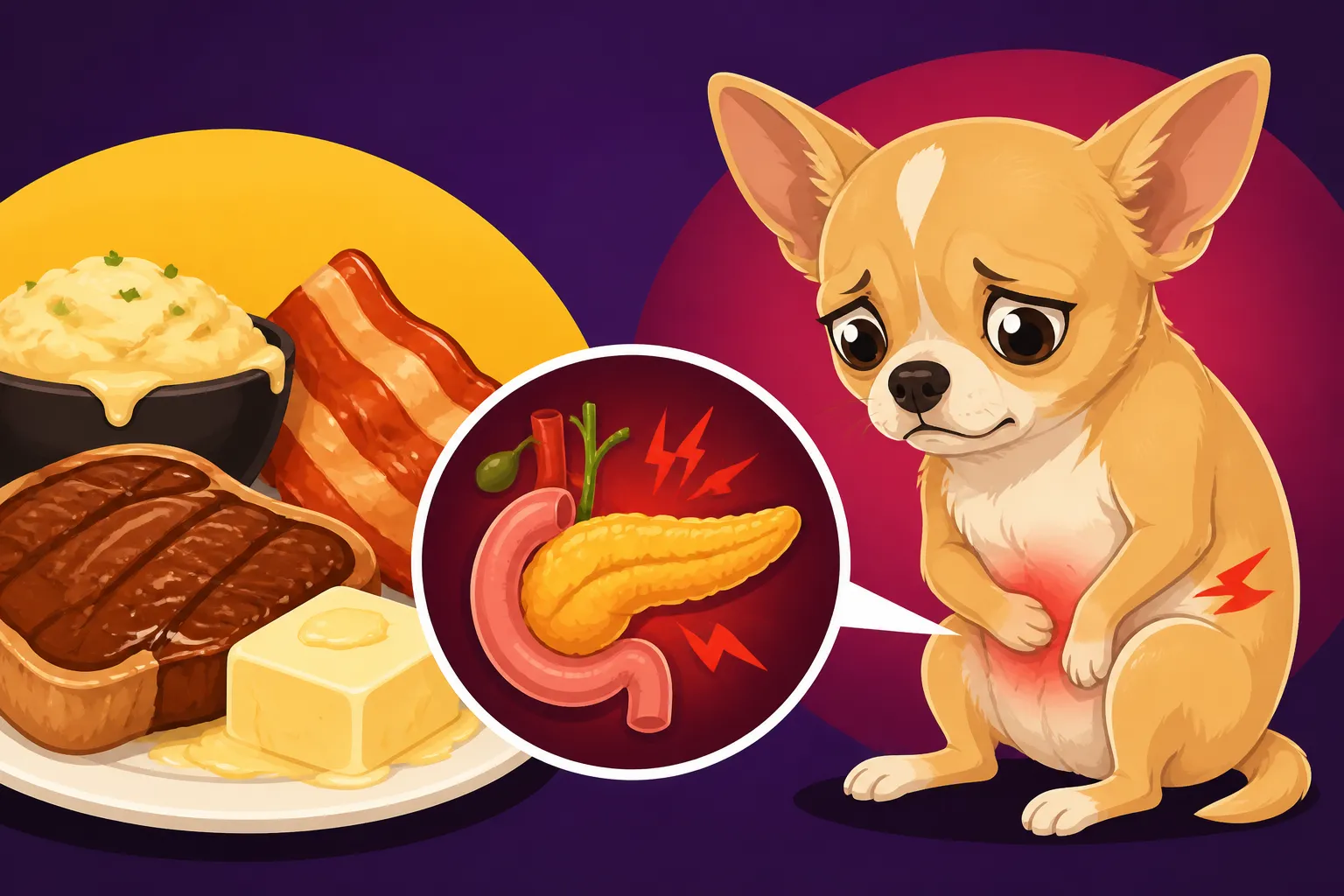
Pancreatitis is essentially an inflammation of the pancreas, a vital organ located near your Chihuahua's stomach. This little gland has two big jobs: producing enzymes that help digest food and hormones like insulin that regulate blood sugar. When the pancreas gets inflamed, those digestive enzymes, which are usually only activated after they reach the small intestine, start activating prematurely inside the pancreas itself. This causes the organ to essentially start digesting itself, leading to immense pain and damage.
The Pancreas and Its Crucial Role
Imagine a tiny, elongated organ nestled right against your Chihuahua's stomach and the beginning of their small intestine. That's the pancreas, and it's a true workhorse. On one hand, it’s like a miniature factory, churning out powerful digestive enzymes – think amylase for carbohydrates, lipase for fats, and proteases for proteins. These enzymes are usually transported through a small duct into the small intestine, where they get to work breaking down your dog's meals. On the other hand, the pancreas is also a hormonal powerhouse, specifically producing insulin and glucagon, which are crucial for managing blood sugar levels. When either of these functions goes awry due to inflammation, the consequences can be severe for such a small system.
For a Chihuahua, whose entire system is so compact, any disruption to this delicate balance can quickly become an emergency. Their small body mass means that symptoms can escalate rapidly, and they don't have a huge reserve to fall back on if they become severely dehydrated or go into shock.
Why Chihuahuas Are Prone to Pancreatitis
It's a frustrating reality that toy breeds, including our beloved Chihuahuas, seem to be disproportionately susceptible to pancreatitis. While the exact reasons aren't fully understood, several factors are thought to play a role. Their naturally higher fat metabolism in some individuals, genetic predispositions, and even certain dietary sensitivities can contribute. Additionally, since they are so small, even a tiny amount of rich, fatty food that might not bother a larger dog can overwhelm a Chihuahua's delicate digestive system.
Just a small lick of gravy or a pea-sized piece of sausage can be enough to trigger an inflammatory response. It’s not about their willingness to eat it, but their body's capacity to process it. This is why vigilance over their diet is absolutely paramount for Chihuahua owners. It's not just about avoiding "bad" foods, but understanding that even seemingly benign table scraps can be dangerous for their unique physiology.
Recognizing the Signs of Pancreatitis in Your Chihuahua
Spotting the signs of pancreatitis quickly is critical for a Chihuahua. Because they are so small, their condition can deteriorate rapidly. What starts as a mild upset stomach can quickly become life-threatening, so knowing what to look for can make all the difference.
Common Symptoms to Watch For
The symptoms of pancreatitis can vary in severity, but they often include:
- Vomiting: This is one of the most common and often the first noticeable symptom. It can range from occasional to frequent and severe.
- Diarrhea: Often accompanies vomiting, and can further lead to dehydration.
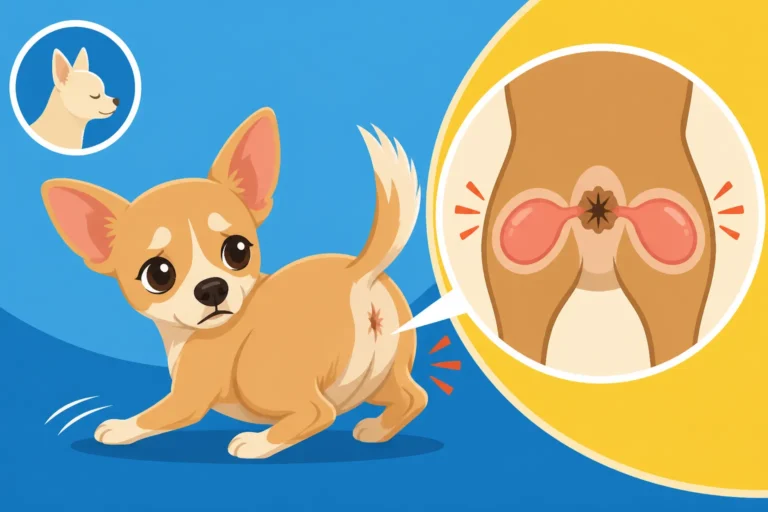
- Abdominal Pain: Your Chihuahua might hunch their back, stand with their front paws lowered and rear end raised in a "prayer position," or cry out when you touch their abdomen. They might also be restless, unable to find a comfortable position.
- Loss of Appetite (Anorexia): They simply won't want to eat, which is a big red flag, especially for a breed that can be prone to conditions like Chihuahua Hypoglycemia and the Puppy Emergency.
- Lethargy and Weakness: They'll be unusually tired, have no energy for play, and might seem generally unwell.
- Fever: While not always obvious to an owner without a thermometer, your dog might feel unusually warm.
- Dehydration: Sunken eyes, dry gums, and skin that doesn't snap back quickly when pinched are signs of dehydration, which can rapidly become severe.
It’s crucial to remember that these symptoms can sometimes overlap with other conditions. However, if your Chihuahua exhibits any combination of these, especially after a dietary indiscretion, it's time to act fast.
When to Seek Emergency Veterinary Care
Given the rapid decline a Chihuahua can experience, any suspicion of pancreatitis warrants an immediate veterinary visit. Don't wait to see if it gets better on its own. If your Chihuahua is vomiting repeatedly, showing severe abdominal pain (arching their back, crying), has pale gums, or is extremely weak and unresponsive, you need to get them to an emergency vet right away.
Remember, a tiny dog has a tiny physiological reserve. They can go from feeling a bit off to being in critical condition in a matter of hours. This isn't a situation where you can "wait and see." Think of it as a potential emergency akin to a Chihuahua Seizure Caused by Low Blood Sugar – rapid response is key to a better outcome. Your vet will need to perform diagnostic tests, which we'll discuss shortly, to confirm the diagnosis and begin appropriate treatment. It's a scary time, but prompt action is your Chihuahua's best chance.
The Link Between Rich Food and Pancreatitis
This is where the connection becomes clear: rich, fatty foods are the number one culprits in triggering pancreatitis in Chihuahuas. What might be a harmless treat for a larger dog can be a serious health hazard for your tiny companion.
High-Fat Meals and Dietary Indiscretion
The most common trigger for pancreatitis is consuming a high-fat meal or dietary indiscretion. This often happens around holidays like Thanksgiving or Christmas when families share rich foods, or during barbecues where fatty scraps are inadvertently dropped. Think about foods like:
- Bacon, sausages, or fatty meats: These are incredibly high in saturated fat.
- Gravy, butter, or cooking oils: Even a small amount can be too much.
- Rich cheeses or dairy products: High fat content combined with lactose that many dogs can't digest well.
- Holiday leftovers: Turkey skin, ham trimmings, creamy sauces, casseroles.
- Fried foods: Any kind of deep-fried item is a huge no-no.
When a Chihuahua ingests a large amount of fat, it creates an enormous workload for the pancreas. It has to produce a surge of digestive enzymes, particularly lipase, to break down all that fat. In some sensitive individuals, this surge can trigger the enzymes to activate prematurely within the pancreas, leading to inflammation.
It's easy to accidentally allow this to happen. Maybe a guest slipped them a bite under the table, or they managed to snatch something off the counter. The important thing is to understand that even a small amount can be dangerous. This highlights why strict portion control and monitoring of everything your Chihuahua eats, which you'd also do for something like Feeding a Chihuahua on Two Hundred Calories a Day, is so important for their overall health.
How Different Types of Foods Impact the Pancreas
It's not just about raw fat; cooked fats, processed foods, and even some seemingly healthy rich foods can pose a risk.
| Food Type | Pancreas Impact | Example |
|---|---|---|
| High Fat (Cooked/Raw) | Triggers excessive enzyme production, can lead to premature activation and inflammation. | Bacon, sausage, butter, fatty cuts of meat |
| Rich Processed Foods | Often high in fat, sugar, and artificial ingredients that irritate the digestive system. | Fast food, certain human snacks |
| Sudden Diet Changes | Can disrupt the digestive system, putting stress on the pancreas, even if not necessarily high-fat. | Switching kibble too quickly |
| Certain Medications | Some drugs, though less common as a primary trigger, can predispose dogs to pancreatitis. | Certain corticosteroids or diuretics |
The key takeaway here is that Chihuahuas are not built for a diverse diet of human food. Their digestive systems are finely tuned for a consistent, high-quality dog food diet. Introducing novel, rich ingredients can be a shock to their system. Even something that isn't excessively fatty but is highly processed or spiced can cause an upset that then stresses the pancreas. Always err on the side of caution and keep your Chihuahua's diet as consistent and bland as possible, within the recommendations of your vet.
Diagnosis, Treatment, and Long-Term Management
If you suspect pancreatitis, getting to the vet is the very first step. They will be able to accurately diagnose the condition and initiate life-saving treatment. The good news is that with prompt and appropriate care, many Chihuahuas can recover.
Veterinary Diagnosis and Initial Treatment
When you arrive at the vet, they will conduct a thorough physical examination, checking for signs of abdominal pain, dehydration, and lethargy. They'll also typically recommend several diagnostic tests:
- Blood Work: This is crucial. A complete blood count (CBC) can show elevated white blood cells (indicating inflammation or infection), while a biochemistry panel checks organ function. Most importantly, specific tests for pancreatic enzymes like canine pancreatic lipase immunoreactivity (cPLI) or Spec cPL are highly sensitive and specific for pancreatitis.
- Urinalysis: To assess kidney function and hydration status.
- Abdominal Imaging: X-rays might be taken to rule out other causes of vomiting and abdominal pain (like foreign bodies) and can sometimes show changes indicative of pancreatitis. Ultrasounds are often more diagnostic, allowing the vet to directly visualize the pancreas and assess its inflammation.
Once pancreatitis is diagnosed, treatment focuses on supportive care to manage symptoms and allow the pancreas to heal. This usually involves:
- Fluid Therapy: Intravenous (IV) fluids are essential to combat dehydration, correct electrolyte imbalances, and maintain blood pressure. This is especially important for Chihuahuas due to their small size and rapid dehydration risk.
- Pain Management: Pancreatitis is incredibly painful. Your vet will administer strong pain medications to keep your Chihuahua comfortable.
- Anti-Nausea Medication: To stop vomiting and help them feel better, allowing them to eventually keep down food and water.
- Antibiotics: While pancreatitis itself isn't bacterial, antibiotics may be given if there's concern about secondary bacterial infections.
- Nutritional Support: Initially, food might be withheld for a short period (usually 24-48 hours) to rest the pancreas. After that, a very bland, low-fat diet is gradually introduced. In severe cases, a feeding tube might be necessary.
It's worth noting that the costs for these treatments can add up quickly, especially if hospitalization is required. This is where having pet insurance, such as a policy from Healthy Paws, can really make a difference, helping to cover unexpected emergency bills.
Dietary Changes and Ongoing Management
After the acute phase of pancreatitis, strict dietary management is the cornerstone of long-term care to prevent recurrence. Your vet will likely prescribe a specific prescription diet that is very low in fat and highly digestible. Brands like Royal Canin Gastrointestinal Low Fat or Hill's Prescription Diet i/d Low Fat are commonly recommended.
This diet needs to be followed meticulously, often for the rest of your Chihuahua's life. No more table scraps, no high-fat treats, and no "just a little bit" of human food. Even if they recover completely, a single dietary indiscretion can trigger another, potentially more severe, episode. For Chihuahuas with recurrent or chronic pancreatitis, ongoing medication may also be necessary to support pancreatic function or manage symptoms. This long-term commitment is vital, similar to the dedication needed for Senior Chihuahua Care Past the Age of Twelve.
Consider these key points for ongoing management:
- Strict Low-Fat Diet: This is non-negotiable. Discuss specific fat content with your vet.
- Small, Frequent Meals: Instead of one or two large meals, several smaller meals throughout the day can be easier on the pancreas.
- Avoid All Table Scraps: Educate everyone in the household, including guests, about the severity of this rule.
- Controlled Treats: Only use vet-approved, very low-fat treats. Many commercial dog treats are too high in fat.
- Medication Adherence: If your vet prescribes long-term medications (e.g., pancreatic enzymes, anti-inflammatories), ensure they are given consistently.
- Regular Vet Check-ups: Ongoing monitoring with blood tests can help track pancreatic health and detect any issues early.
Managing pancreatitis in a Chihuahua requires dedication, but with careful attention to diet and veterinary advice, your little companion can still live a happy, full life. Remember that financial planning for these situations, potentially including a robust pet insurance plan from Healthy Paws, can alleviate significant stress during an already difficult time.
Preventing Pancreatitis in Your Chihuahua
Prevention is always better than cure, especially when it comes to a painful and potentially life-threatening condition like pancreatitis. For Chihuahuas, whose tiny bodies are so sensitive, vigilance is your most powerful tool.
Safeguarding Their Diet from Dangerous Foods
The single most effective way to prevent pancreatitis is to be incredibly strict about your Chihuahua's diet. This means no table scraps, no fatty leftovers, and no human treats that aren't specifically approved by your vet. It might sound harsh, but it's an act of love to protect their delicate system.
Here’s how to safeguard their diet:
- Establish a "No Table Scraps" Rule: Make it clear to every family member and guest that your Chihuahua gets no food from the table. Explain why it's so important for their health.
- Secure Trash Cans: Chihuahuas are often opportunistic scavengers. Ensure all trash cans, especially those containing food waste, are securely covered or placed out of reach.
- Use Only Approved Dog Food and Treats: Stick to a high-quality, balanced commercial dog food appropriate for their life stage. If giving treats, opt for very low-calorie, low-fat options, perhaps even small pieces of plain cooked chicken breast or carrots, always in moderation. Be mindful that What One Extra Pound Does to a Chihuahua can be significant, so treats should be factored into their daily calorie count.
- Be Mindful of Holiday Gatherings: These are prime times for accidental dietary indiscretions. Keep your Chihuahua in a separate, safe room, or under very close supervision, away from tempting plates and dropped food.
- Educate Children: Teach younger family members that sharing their food with the dog, no matter how much they beg, can make them very sick.
- Avoid Sudden Diet Changes: While not a direct cause of pancreatitis, sudden changes in diet can upset a Chihuahua's digestive system, potentially stressing the pancreas. Introduce any new foods gradually over several days.
Think of it as protecting a small child from hazards. You wouldn't leave medicines or cleaning supplies within reach, and similarly, you shouldn't leave dangerous foods accessible to your Chihuahua.
The Role of Regular Vet Check-ups and Weight Management
Beyond diet, regular veterinary care and maintaining a healthy weight are crucial for pancreatitis prevention.
- Routine Veterinary Examinations: Regular check-ups allow your vet to monitor your Chihuahua's overall health, including their weight and any potential underlying conditions that might predispose them to pancreatitis. They can also provide up-to-date dietary advice. This is part of the broader commitment to their health that extends through their Chihuahua Lifespan and Why the Breed Reaches Sixteen.
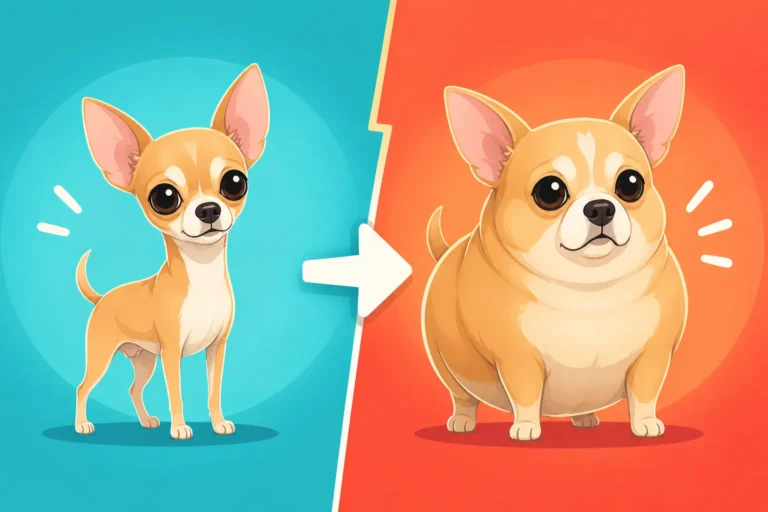
- Maintain a Healthy Weight: Obesity is a significant risk factor for pancreatitis. Extra body fat can alter metabolism and make the pancreas more susceptible to inflammation. It's a real struggle for many owners, as even Two Extra Pounds on a Chihuahua Explained can put immense strain on their tiny frame. Work closely with your vet to ensure your Chihuahua maintains an ideal body condition. They can help you calculate the precise calorie needs for your dog and recommend appropriate exercise.
- Discuss Medications: If your Chihuahua is on any medications for other conditions, discuss with your vet if any of those could increase their risk of pancreatitis. Sometimes, alternatives or preventative measures can be taken.
- Learn About Breed-Specific Risks: Being aware that Chihuahuas are generally prone to this condition should reinforce your preventative measures. It’s not a matter of if, but when, a dietary mistake could trigger an episode, making robust prevention paramount.
By being proactive about their diet, scheduling regular vet visits, and keeping your Chihuahua at a healthy weight, you can significantly reduce their risk of experiencing the pain and danger of pancreatitis. It's a small effort for a huge reward: a healthy, happy Chihuahua by your side.
Disclaimer
The information provided in this guide is for educational purposes only and should not be considered a substitute for professional veterinary advice. If your Chihuahua is showing signs of illness, please consult with a qualified veterinarian immediately.