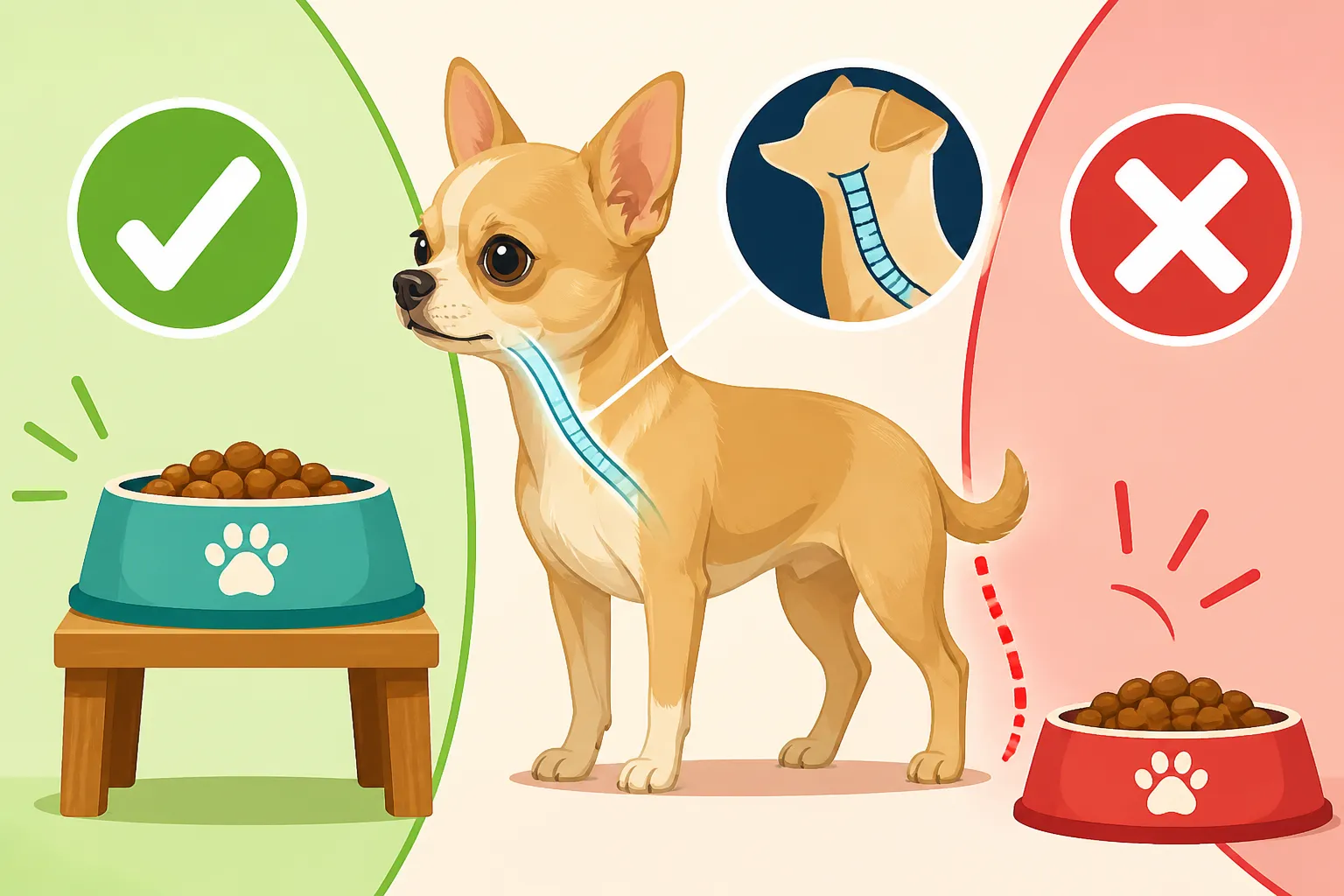
Bowl Height That Suits a Chihuahua’s Trachea
It's incredibly disheartening when your beloved Chihuahua struggles with a cough, especially when it sounds like a goose honking. Many of us worry constantly about their tiny windpipes, and rightly so, given how delicate they are. This guide dives deep into how something as simple as your dog's feeding posture, specifically their bowl height, can impact their tracheal health, helping you make informed choices to keep their breathing as clear as possible.
Understanding the Chihuahua Trachea and Its Vulnerabilities
Chihuahuas, for all their spunky personalities, are notoriously delicate little creatures, and one of their most common health concerns revolves around their respiratory system, particularly their trachea. It's a worry that keeps many of us up at night, especially when we hear that tell-tale cough.
The Delicate Structure of a Chihuahua's Windpipe
Imagine a vacuum cleaner hose; it's flexible but has rings to keep it from collapsing. Your Chihuahua's trachea, or windpipe, is similar, made up of C-shaped rings of cartilage. In Chihuahuas, and many other small breeds, these rings can be naturally weaker or can slowly lose their rigidity over time, causing the trachea to flatten or collapse. This condition, known as Collapsing Trachea and the Chihuahua Honking Cough, is unfortunately very common in our tiny companions. When the trachea collapses, it obstructs airflow, leading to that distinctive, harsh, dry cough that often sounds like a goose honking. It can happen at any age but often worsens with time and excitement. The Honking Cough of Chihuahua Tracheal Collapse is a sound no Chihuahua owner ever wants to hear.
How Head and Neck Posture Affect the Trachea
Think about how you'd feel if you had to eat or drink with your neck craned in an uncomfortable position for prolonged periods. For a Chihuahua, the angle of their neck and head during activities like eating and drinking can directly influence the pressure on their delicate trachea. When a Chihuahua eats from a bowl placed directly on the floor, they often have to lower their head significantly, stretching their neck down and forward. This posture can cause the cartilage rings of the trachea to compress, especially at the point where the neck meets the chest. This compression can exacerbate an already weak trachea or even contribute to the problem over time. Conversely, reaching too high could also cause a different kind of strain, which is why finding that "just right" height is so important.
The Case for Elevated Bowls for Chihuahuas
Given the vulnerability of a Chihuahua's trachea, many owners and some veterinarians advocate for elevated feeding bowls. The idea is to create an eating experience that is as comfortable and supportive for their respiratory system as possible.
Reducing Strain During Meals
The primary benefit of an elevated bowl for a Chihuahua with tracheal concerns is its potential to reduce strain on the windpipe during meal times. By raising the food and water to a more comfortable height, your Chihuahua can eat with their neck in a more natural, neutral position, rather than having to bend deeply. This can help minimize the compression on the tracheal rings that can occur when they eat from the floor. Imagine your dog standing tall, looking straight ahead, with their bowl just a little below their chin. That's the ideal posture we're aiming for. This small adjustment might seem minor, but over years of daily meals, it could make a significant difference in alleviating persistent pressure on a delicate airway, potentially lessening episodes of coughing, especially after eating. This gentle approach is just one part of managing conditions like Collapsing Trachea in a Chihuahua and Its Triggers.
Other Potential Benefits of Elevated Feeding
While the focus here is squarely on tracheal health, elevated bowls are sometimes touted for other benefits, too. For instance, some believe they can aid digestion by allowing gravity to help food move more smoothly down the esophagus, though scientific evidence for this in dogs is debated. For older Chihuahuas who might be developing Chihuahua Arthritis in the Teenage Years or other joint issues, bending down to the floor can become painful. An elevated bowl can provide much-needed relief for their necks, backs, and hips, making mealtime a more comfortable experience as they age. However, for Chihuahuas, the respiratory angle is often the most compelling reason to consider this setup, offering a proactive step in daily care.
Finding the Right Bowl Height for Your Chihuahua
Getting the correct height isn't just about putting the bowl on a box; it's about tailoring it to your individual dog's anatomy to ensure maximum comfort and tracheal support.
Measuring Your Chihuahua for Proper Bowl Height
This is where the rubber meets the road. To find the ideal height, you'll need to do a little measuring. Have your Chihuahua stand naturally on all four paws, as if they were just standing still in the living room. Don't make them stretch or hunch. Now, take a measuring tape and measure from the floor straight up to the top of their shoulder (their scapula). This measurement gives you a good starting point. The top of the bowl should ideally sit a few inches below their shoulder height, allowing them to comfortably lower their head slightly without bending their neck excessively or having to reach upwards. You want a posture where their back remains relatively straight, and their neck is in a relaxed, horizontal or slightly downward position. For many Chihuahuas, this might be anywhere from 2 to 6 inches off the ground, but remember, every dog is an individual.
Consider these factors when measuring:
| Factor | Consideration for Chihuahua |
|---|---|
| Shoulder Height | The primary guide. Measure from floor to top of shoulder. |
| Neck Length | A longer neck might need a slightly higher bowl, but avoid craning. |
| Leg Length | Affects their natural stance and how much they need to bend. |
| Existing Conditions | For severe Collapsing Trachea in a Chihuahua and Its Triggers or Chihuahua Arthritis in the Teenage Years, comfort is paramount. |
| Eating Style | Does your Chi prefer to stand squarely or lean? Observe their natural stance. |
| Bowl Depth | A very deep bowl may require a slightly lower stand to keep the rim at the right height. |
Types of Elevated Feeders and Where to Find Them
The market for elevated feeders has really blossomed, offering a range of styles and materials. You can find simple, fixed-height stands made of wood or metal with ceramic or stainless steel bowls that slide right in. These are often aesthetically pleasing and stable. Then there are adjustable feeders, which are fantastic if you're not entirely sure of the perfect height or if you have multiple Chihuahuas of slightly different sizes. These usually feature legs that can be extended or retracted, or a platform that moves up and down. Brands available on platforms like Chewy and Amazon offer a wide selection, from basic designs to more elaborate, furniture-like pieces. For those who feed fresh food, some companies, like Ollie, might even provide their own custom-designed stands that ensure proper posture for small breeds. Whatever you choose, ensure the bowls themselves are easy to clean (stainless steel is often recommended for hygiene) and that the stand is stable enough not to tip over from a tiny nudge.
When an Elevated Bowl Might Not Be the Best Choice (or What Else to Consider)
While elevated bowls offer many benefits, it's not a one-size-fits-all solution, and there are other aspects of Chihuahua care that play a crucial role in tracheal health.
Individual Chihuahua Needs and Vet Consultation
Every Chihuahua is unique, and what works wonderfully for one might not be ideal for another. While elevated bowls are generally considered safe and beneficial for many Chihuahuas, especially those prone to respiratory issues, it's always best to have a conversation with your veterinarian. They can assess your dog's specific health profile, including the grade of any existing tracheal issues (which can be determined through diagnostics like X-rays, as discussed in Chihuahua Tracheal Collapse Grades on an X-Ray), and offer personalized advice. They might even suggest a specific height or type of feeder based on their examination. Never hesitate to bring up changes in your dog's eating habits or any new or worsening coughs with your vet. Their expertise is invaluable in navigating your Chihuahua's long-term health.
Beyond Bowl Height: Other Tracheal Support Strategies
An elevated bowl is a great tool, but it's only one piece of the puzzle when it comes to supporting your Chihuahua's delicate trachea. There are several other crucial strategies you should implement:
Firstly, and perhaps most importantly, use a harness, not a collar, when walking your Chihuahua. A traditional collar puts direct pressure on the trachea with every tug or pull, which can severely damage or exacerbate a collapsing windpipe. A well-fitting harness distributes pressure across the chest and shoulders, completely bypassing the neck. You can learn more about suitable options in Harnesses That Spare a Chihuahua Windpipe.
Secondly, manage your Chihuahua's weight diligently. Obesity puts extra strain on every system in their tiny body, including their respiratory system. Excess fat around the neck and chest can worsen tracheal compression and make breathing more difficult. Even a pound or two of extra weight on a Chihuahua can have a significant impact, as explored in Chihuahua Obesity on a Six Pound Frame.
Thirdly, minimize exposure to irritants. Smoke, strong perfumes, aerosols, and even dust can trigger coughing fits and inflame the delicate lining of the trachea. Why a Chihuahua Coughs More When Excited often points to increased respiratory effort. Keeping your home environment clean and free of harsh chemicals will benefit your dog's lungs and trachea. Also, be mindful of environmental factors like Heat and Humidity Worsening a Chihuahua Cough, as these can also place extra stress on their breathing.
Lastly, consider medications or even surgery in severe cases. Your vet might prescribe cough suppressants or anti-inflammatory drugs to manage symptoms, as detailed in Cough Suppressants Used for a Chihuahua. In very advanced cases, specialized surgical options like Stent Surgery for a Chihuahua Trachea might be considered, though these are typically a last resort. Combining proper bowl height with these other preventative and management strategies offers the most comprehensive approach to protecting your Chihuahua's respiratory health for years to come.
Disclaimer
This article is for general informational purposes only and does not constitute professional advice. Laws, prices and regulations vary by location and change over time. Consult a qualified professional for guidance on your specific situation.