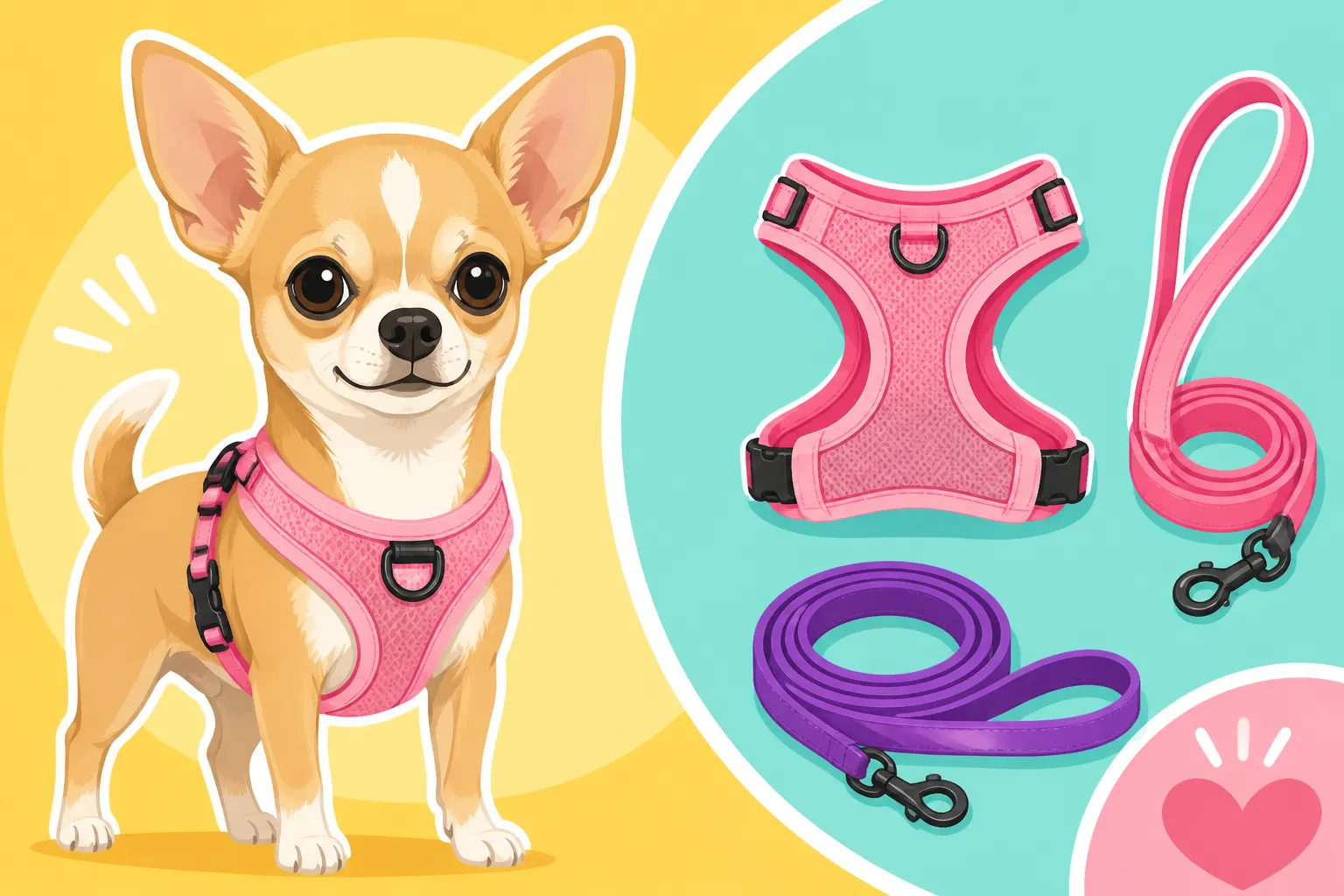
Harnesses and Leads Sized for a Chihuahua
Finding a harness and lead that truly fits your tiny Chihuahua can feel like an endless quest, fraught with frustration. Many off-the-shelf options are either too bulky, rub in all the wrong places, or simply don't offer the security needed for such a small, delicate dog. This guide is here to walk you through everything you need to know about choosing and fitting the perfect harness and lead, ensuring your little companion is safe, comfortable, and ready for adventure without risking their fragile neck or windpipe.
Why a Harness is Essential for Your Chihuahua's Safety
When you have a dog as small and delicate as a Chihuahua, their safety is paramount, and nowhere is this more critical than around their neck and throat. Unlike larger, more robust breeds, Chihuahuas are uniquely susceptible to injuries from traditional collars, making a well-fitting harness not just a preference, but a vital piece of equipment for their health and longevity. It's a common misconception that because they're small, they can't do much damage to themselves, but quite the opposite is true. Their diminutive size makes them more vulnerable.
The Risks of Collars on a Small Windpipe
Imagine applying pressure directly to your own throat every time you moved too quickly or reacted to something exciting. That’s essentially what a standard collar does to a Chihuahua. Their windpipes, also known as tracheas, are incredibly delicate structures, and constant or sudden pressure from a collar can lead to significant problems. One of the most common and concerning conditions in Chihuahuas is tracheal collapse, where the rings of cartilage that support the windpipe weaken and flatten. Even a slight tug on a leash attached to a collar can exacerbate this condition, causing discomfort, a honking cough, and potentially leading to serious breathing difficulties. It’s a terrifying experience for any owner to witness their dog struggling to breathe, and it's something that a properly chosen harness can largely prevent. You might have heard about Why Collar Pressure Damages a Chihuahua Trachea, and it's a very real concern.
This risk isn't just theoretical; it's a lived reality for many Chihuahua owners. A sudden lunge at a squirrel, an enthusiastic greeting, or even just regular walking can put strain on the trachea. Over time, this repeated pressure can weaken the tracheal rings, making your Chihuahua more susceptible to problems as they age. Even if your Chihuahua hasn't shown signs of a collapsing trachea yet, preventive measures are always the best approach. Investing in a good harness now can save you a world of worry and potentially costly veterinary bills down the line, including expenses related to Chihuahua Cough Medication and Long-Term Care if issues do develop. The discomfort alone is enough reason to make the switch.
Protecting Your Chihuahua's Neck from Injury
Beyond the trachea, a Chihuahua's neck itself is quite fragile. Their small size means their cervical vertebrae and surrounding musculature are not as robust as those of larger breeds. A quick, sharp pull on a collar can lead to sprains, strains, or even more severe spinal injuries. These types of injuries can be incredibly painful for your dog and challenging to diagnose and treat. They might manifest as reluctance to move their head, yelping when touched, or a general stiffness that impacts their quality of life. Owners sometimes pick up their Chihuahuas by their collars or use them to restrain their dogs, unknowingly putting immense stress on this vulnerable area.
Furthermore, a collar offers no protection against the accidental slips and falls that can happen during walks, especially if your Chihuahua is prone to sudden movements or gets startled easily. A harness, by distributing pressure across the chest and shoulders, acts as a much safer anchor point. It provides a more secure way to guide and control your dog without putting their entire body weight's leverage directly on their neck. This is particularly crucial for active Chihuahuas who love to explore, or for puppies who are still learning leash manners. Choosing a harness means you're prioritizing their physical well-being and preventing easily avoidable injuries.
The Dangers of Pulling and Lunging
While Chihuahuas are small, they are certainly not immune to the instinct to pull or lunge during walks. Whether it's the sight of another dog, an interesting scent, or simply a burst of excitement, a Chihuahua can put surprising force into a sudden movement. When this force is concentrated solely on a collar, the impact on their neck and trachea is severe and immediate. This is particularly true if you have a Chihuahua who tends to be reactive, perhaps lunging or barking at other dogs or strangers. A standard flat collar will only dig into their throat, causing pain and potentially reinforcing their negative association with the stimulus, making the problem worse rather than better.
A well-designed harness mitigates this danger significantly. By distributing the pressure evenly across the chest, shoulders, and back, it reduces the force on any single point. This makes pulling less effective and less harmful. For Chihuahuas, especially those prone to Fear-Based Reactivity in a Chihuahua, a harness allows you to guide them more gently and safely without adding physical discomfort to their emotional stress. It enables you to intervene effectively if they try to dart into traffic or approach a dangerous situation, providing you with better control without harming your beloved pet. Remember, Why a Chihuahua Should Never Be Leashed by the Neck is a rule of thumb for these small dogs.
Understanding Different Harness Types and Their Features
Once you've made the crucial decision to opt for a harness, you'll quickly realize the sheer variety available. It can feel overwhelming to navigate the different styles, materials, and closures. However, understanding the core differences will help you select one that best suits your Chihuahua's specific body shape, activity level, and any particular health considerations. The goal is always comfort, safety, and a secure fit without restricting movement or causing chafing. Many popular online pet retailers, like Chewy, offer extensive selections and filtering options that can help you narrow down choices for toy breeds, often with helpful customer reviews from other Chihuahua owners.
Vest-Style Harnesses for Maximum Comfort
Vest-style harnesses are often a top recommendation for Chihuahuas, and for good reason. As the name suggests, they resemble a small vest, typically covering a larger area of the dog's chest and back. This design is excellent for distributing pressure very broadly and evenly across the chest and shoulders, completely avoiding the neck. For Chihuahuas who are prone to a collapsing trachea, or even just those with particularly sensitive necks, a vest harness offers unparalleled protection. There's no single point of pressure, meaning sudden tugs are less impactful and the risk of injury is significantly reduced.
These harnesses are often made from soft, breathable materials, sometimes even padded, which adds to the comfort factor. They come in various closures, including Velcro, buckles, or a combination. The wider surface area also means they are generally more secure, making it harder for a nimble Chihuahua to back out of them, provided they are fitted correctly. Brands like Puppia and Gooby are popular choices that offer good vest-style options specifically designed for very small dogs, focusing on lightweight materials and ergonomic shapes. While they might appear a bit bulkier than other styles, the added safety and comfort for your Chihuahua make them a fantastic choice, particularly for puppies still learning to walk on a leash or senior Chihuahuas who may have more fragile bodies.
H-Style and Y-Front Harnesses for Freedom of Movement
While vest harnesses offer excellent pressure distribution, some Chihuahuas, particularly those who are very active or have specific gait patterns, might benefit from a harness that offers more freedom of shoulder movement. This is where H-style and Y-front harnesses come into play.
-
H-Style Harnesses: These typically feature two loops—one around the neck/chest area and one around the girth—connected by a strap along the back and sometimes another underneath the chest. When properly fitted, the front strap lies across the chest bone, avoiding the delicate throat area. The design leaves the shoulders largely unrestricted, allowing for a natural range of motion. They are often lighter than vest harnesses and can be highly adjustable. They're a great choice for Chihuahuas who don't pull excessively and whose owners want minimal coverage without sacrificing neck safety. It's important to ensure the neck loop sits low on the chest and not up on the throat.
-
Y-Front Harnesses: These are a variation where the front strap forms a "Y" shape over the chest, distributing pressure along the sternum and avoiding both the neck and the shoulder joints. This design is praised for being very ergonomic and allowing for full shoulder articulation. They are an excellent option for Chihuahuas involved in canine sports or those who need maximum freedom of movement. Like H-style harnesses, proper Harness Fitting on a Chihuahua Chest is crucial to ensure the Y-shape sits correctly and doesn't ride up into the throat or restrict movement. Many dog trainers recommend Y-front designs for their anatomical correctness. Both H-style and Y-front harnesses can be found in various materials, from sturdy nylon webbing to softer, fleece-lined options.
Fasteners and Materials: What to Prioritize
The longevity, safety, and comfort of your Chihuahua's harness largely depend on the quality of its fasteners and materials. With such small dogs, these details are even more critical.
-
Fasteners: Look for durable, secure buckles, ideally made of strong plastic or metal. Quick-release buckles are convenient but must be robust enough not to snap or fail under pressure. For very tiny Chihuahuas, avoid overly bulky buckles that might dig into their skin. Velcro closures can be convenient for ease of putting on and taking off, especially with squirmy puppies, but always ensure there's a secondary buckle or clasp for added security. Velcro can lose its grip over time with repeated use and washing, so it shouldn't be the sole fastening mechanism. Zippers, if present, should be robust and covered to prevent fur from getting caught.
-
Materials:
- Nylon/Polyester Webbing: These are common, durable, and easy to clean. Look for harnesses with smooth, rolled edges to prevent chafing, especially under the armpits. Some quality brands will offer soft fleece or neoprene padding along the edges for added comfort.
- Mesh/Breathable Fabrics: Often used in vest harnesses, these materials are lightweight and excellent for ventilation, preventing your Chihuahua from overheating in warmer weather. Ensure the mesh is soft and flexible, not stiff or abrasive.
- Soft Linings: For Chihuahuas with sensitive skin or thin coats, a harness lined with fleece, neoprene, or soft cotton can prevent rubbing and irritation.
- Reflective Stitching/Strips: An invaluable feature for night walks, reflective elements significantly increase visibility, which is crucial for a small dog that can be hard to spot in low light conditions.
Considering the delicate nature of Chihuahuas, always prioritize quality over cost. A poorly constructed harness can easily break, leading to a dangerous escape, or cause discomfort and skin irritation. Opt for reputable brands known for making harnesses specifically for toy breeds, as they understand the unique needs of a tiny frame.
Achieving the Perfect Fit: Sizing and Adjustments
Even the most expensive, best-reviewed harness is useless if it doesn't fit your Chihuahua properly. An ill-fitting harness can be just as dangerous as a collar, leading to chafing, restricting movement, or allowing your clever escape artist to slip out. For Chihuahuas, whose sizes can vary dramatically even within the "toy" category, getting the measurements right is paramount. Remember, they don't have much padding on their tiny frames, so every detail of the fit matters. This section will guide you through how to measure your Chihuahua accurately and how to ensure the harness is snug, secure, and comfortable.
Accurate Measurements for a Snug, Safe Fit
The biggest mistake owners make is guessing their Chihuahua's size or relying solely on their weight. While weight can be a general guideline, actual body dimensions are far more important, as Chihuahuas come in various proportions – some longer-bodied, some more compact. You'll need a soft measuring tape (the kind used for sewing) and a calm Chihuahua.
Here are the key measurements to take:
- Chest Girth: This is the most critical measurement. Wrap the measuring tape around the widest part of your Chihuahua's rib cage, just behind their front legs. Make sure the tape is snug but not tight enough to indent their fur. Write this number down carefully.
- Neck Girth: For harnesses with a fixed neck opening (like many vest styles), measure around the base of their neck, where a collar would naturally sit, but remember this area should not bear the weight. For H-style or Y-front harnesses, this measurement is less critical as the front strap should sit lower on the chest.
- Back Length (Optional but helpful): For vest-style harnesses, some manufacturers provide a back length. Measure from the base of the neck (between the shoulder blades) to the base of the tail. This ensures the harness isn't too long or short.
Always compare these measurements to the manufacturer's specific sizing chart. Don't assume a "Small" in one brand is the same as a "Small" in another. When in doubt, size up if your Chihuahua is between sizes, as most harnesses are highly adjustable, and it's better to have a little extra room for adjustment than one that's too small and restrictive. Brands like Kurgo and RC Pet Products often have very detailed sizing guides, including breed-specific recommendations, which can be helpful.
Spotting Common Fitting Mistakes
Even with accurate measurements, it's easy to make fitting mistakes. These can compromise your Chihuahua's safety and comfort.
- Too Loose: The most common mistake. A harness that's too loose can allow your Chihuahua to back out of it, especially if they get startled or try to wriggle free. If you can easily fit more than two fingers comfortably under any strap, it's likely too loose. It also shifts around, causing chafing and rubbing against their delicate skin. This is particularly problematic for very small dogs, where a slight looseness can mean the difference between secure and completely out.
- Too Tight: While less common for escape artists, a harness that's too tight restricts movement, especially around the shoulders and armpits. It can dig into the skin, cause painful chafing, and even interfere with circulation or breathing if the chest strap is too constricting. Your Chihuahua might show discomfort by slowing down, being reluctant to walk, or trying to scratch or bite at the harness.
- Incorrect Placement: For H-style or Y-front harnesses, ensure the chest strap sits low across the sternum (breastbone), not high up on the throat. The back strap should rest comfortably between the shoulder blades without interfering with shoulder movement. If the harness is riding up into their armpits, it's too big or poorly designed for their anatomy, leading to painful rubbing.
- Leaving Room for Growth: While tempting for puppies, buying a harness "to grow into" is a bad idea. A puppy needs a perfectly fitting harness now for safety. Puppy Chihuahuas are particularly prone to accidents and escapes, and a loose harness is a hazard. Purchase an appropriately sized harness for their current size, knowing you might need to buy another as they mature. You can always plan for this initial expense when considering things like Chihuahua Puppy Prices From $800 to $3,500.
How to Check for Comfort and Security
Once you've put the harness on your Chihuahua and made initial adjustments, it's time for a thorough check. This isn't just about tightness, but overall comfort and how it moves with your dog.
- The Two-Finger Rule: After fastening the harness, you should be able to slide two fingers comfortably, but snugly, under all straps (neck, chest, and girth). If you can fit more, tighten it. If you struggle to fit two fingers, it's too tight.
- Check for Rubbing Points: Pay close attention to the areas behind the front legs (armpits), around the chest bone, and along the sides. Feel for any signs of pinching, digging, or excessive friction. Watch your Chihuahua's gait – do they walk naturally, or do they seem stiff or uncomfortable? Are they scratching at the harness? These are all signs it might not be a good fit.
- Range of Motion: Encourage your Chihuahua to walk, sit, and lie down while wearing the harness. Observe if it restricts their natural movement in any way, especially their shoulders. They should be able to move freely without the harness shifting excessively or bunching up.
- The "Escape Test": With your Chihuahua on a lead in a safe, enclosed area, gently try to encourage them to back out of the harness. A well-fitted harness, especially a vest-style or properly adjusted H-style, should prevent them from doing so. If they manage to slip out, even partially, it's too loose or the wrong design.
- Initial Wear Time: Let your Chihuahua wear the harness for short periods indoors first, without the lead, to get used to the sensation. Offer treats and praise. This helps them associate the harness with positive experiences. This is also part of Getting a Chihuahua Used to Wearing Clothes, as a harness is a significant piece of gear for them. Once they seem comfortable, introduce the lead for short, supervised walks. Regularly inspect their skin and fur for any signs of irritation after wearing the harness.
Choosing the Right Lead for Your Chihuahua
Once you've selected and perfectly fitted a harness, the next step is choosing the right lead (or leash) to complete your walking gear. Just like harnesses, leads aren't one-size-fits-all, especially for a Chihuahua. The right lead will complement the harness, provide comfortable handling for you, and ensure a safe, enjoyable walking experience for your tiny companion. It's not just about aesthetics; it's about functionality, durability, and most importantly, safety.
Lead Length and Material Considerations
The length and material of your Chihuahua's lead play a significant role in control, safety, and your own comfort during walks.
-
Length:
- Standard 4-6 Foot Lead: This is the most versatile and generally recommended length. A 4-foot lead offers good control, keeping your Chihuahua close in busy areas, while a 6-foot lead provides a bit more slack for sniffing and exploring in safer environments. For a small dog like a Chihuahua, this length is usually ideal as it prevents them from getting too far ahead and potentially into trouble, while still allowing them some freedom. It's particularly useful when you're working on leash manners or need to quickly recall them.
- Shorter Leads (2-3 feet): These can be useful for very specific situations, such as crowded urban environments, close heel work during training, or when you need maximum control. However, for everyday walks, they can be too restrictive for a Chihuahua, limiting their ability to explore and sniff, which is a vital part of their mental enrichment.
- Retractable Leads: Generally, retractable leads are not recommended for Chihuahuas. While the idea of variable length seems appealing, they teach a dog to pull (because the line is always taut), offer poor control in emergencies, and the thin cord can cause severe rope burns or injuries if it wraps around a person or dog. For a Chihuahua, the sudden jolt at the end of a retractable lead can be particularly dangerous, putting strain on their tiny bodies even with a harness. There's also the risk of the lock mechanism failing. Stick to fixed-length leads for better safety and training.
-
Material:
- Nylon/Polyester Webbing: This is the most common and practical material for leads. It's durable, relatively lightweight, easy to clean, and comes in a vast array of colors and patterns. Look for leads with a comfortable width – not too thin that it cuts into your hand, but not so thick it feels bulky for a small dog.
- Leather: Leather leads are incredibly durable, comfortable in the hand, and become softer and more pliable with age. They offer excellent grip, even when wet. However, they are typically more expensive, require some maintenance (like conditioning), and can be heavier than nylon, which might be a consideration for a very small Chihuahua.
- Rope/Braided Leads: These can be stylish and comfortable, but ensure the rope is smooth and strong, without any rough edges that could chafe your hands or fray quickly.
Regardless of material, make sure the clasp that attaches to the harness D-ring is sturdy, easy to operate, and appropriately sized for a Chihuahua's harness. An overly large or heavy clasp can be uncomfortable and cumbersome for a small dog.
Handles and Attachments for Tiny Harnesses
The comfort of the lead's handle and the quality of its attachment points are often overlooked but are crucial for both handler and dog.
- Handle Comfort: Since you'll be holding the lead for the duration of your walks, a comfortable handle is essential. Padded handles (with neoprene, fleece, or soft leather lining) prevent chafing or digging into your hand, especially if your Chihuahua gets excited and pulls. Even with a harness, a sudden tug can still feel uncomfortable if the handle is too thin or rigid. This is especially true for longer walks or if you're managing multiple dogs.
- Attachment Points:
- D-Ring/O-Ring on Handle: Many leads have an extra D-ring or O-ring near the handle. This is incredibly useful for attaching poop bags, a small treat pouch, or even clipping the lead around your shoulder for hands-free walking when your Chihuahua is off-leash in a secure area (though always be cautious with any off-leash activity for such a small dog due to predators and accidental injury risks).
- Quality of Hardware: The metal clasp that attaches to your Chihuahua's harness should be robust, made of rust-resistant metal (like stainless steel or nickel-plated), and have a smooth action. For Chihuahuas, a smaller, lighter clasp is preferable so it doesn't weigh down the harness or swing awkwardly. A good snap hook or bolt snap that's easy to open and close with one hand but won't accidentally come undone is ideal. Avoid cheap, flimsy clasps that can bend or break, leading to a potentially dangerous escape.
- Multi-Purpose Leads: Some leads offer multiple attachment points along their length, allowing you to shorten the lead, use it as a hands-free option (around your waist), or even walk two Chihuahuas simultaneously with a coupler. These can be very versatile, but ensure the extra hardware isn't too bulky for your Chihuahua's small size.
- Back-Clip vs. Front-Clip Harnesses: Most Chihuahua harnesses are back-clip (meaning the lead attaches to a D-ring on their back). This is generally safest for Chihuahuas as it avoids pressure on their chest and neck. Front-clip harnesses, where the lead attaches at the chest, are sometimes used for dogs who pull heavily, as they gently redirect the dog. However, they can be awkward for Chihuahuas and are not typically necessary given their size and the purpose of a harness to begin with.
Here's a quick comparison of common harness types:
| Harness Type | Pros | Cons | Best For |
|---|---|---|---|
| Vest Harness | Excellent pressure distribution, very secure, comfortable, avoids neck | Can be bulky, may limit shoulder movement on some designs, can be warmer in summer | Dogs prone to tracheal issues, those needing extra security, puppies, seniors |
| H-Style Harness | Good freedom of movement, lightweight, highly adjustable, less bulky | Less even pressure distribution than vest, can chafe if ill-fitting, can ride up if not snug | Active Chihuahuas, those who pull minimally, dogs in warmer climates |
| Y-Front Harness | Ergonomic design, avoids pressure on neck/shoulders, optimal freedom of movement, great for training | Can be harder to fit correctly, may require more careful adjustment than others, some brands are bulkier | Dogs with specific anatomical needs, those who need full shoulder articulation, good for preventing pulling without discomfort |
Investing in a high-quality harness and lead tailored for your Chihuahua's size and needs is one of the best preventative measures you can take for their health and safety. It contributes not only to their physical well-being by protecting their fragile windpipe and neck, but also to their overall happiness by making walks a comfortable and enjoyable experience. For ongoing care, companies like Healthy Paws offer pet insurance options that might cover unexpected veterinary needs, reinforcing the importance of preventative measures like a good harness to minimize those risks in the first place. You can also find a wide range of options at retailers like Chewy, ensuring you have plenty of choices to get the perfect fit. Remember that quality items like these are part of The $95 to $205 a Chihuahua Costs Monthly, but they are well worth the investment for a long and healthy life for your furry friend.
Disclaimer
The information provided in this guide is intended for general knowledge and informational purposes only, and does not constitute veterinary advice. Always consult with a qualified veterinarian for any health concerns or before making any decisions about your Chihuahua's care, diet, or training. Individual needs may vary.