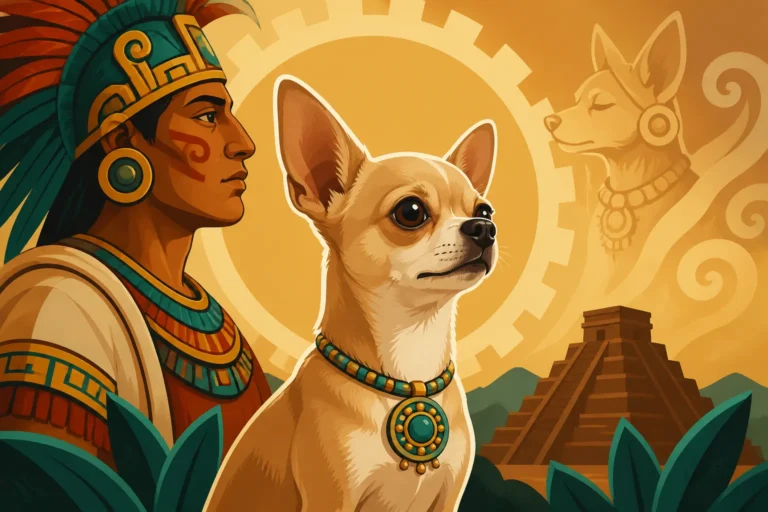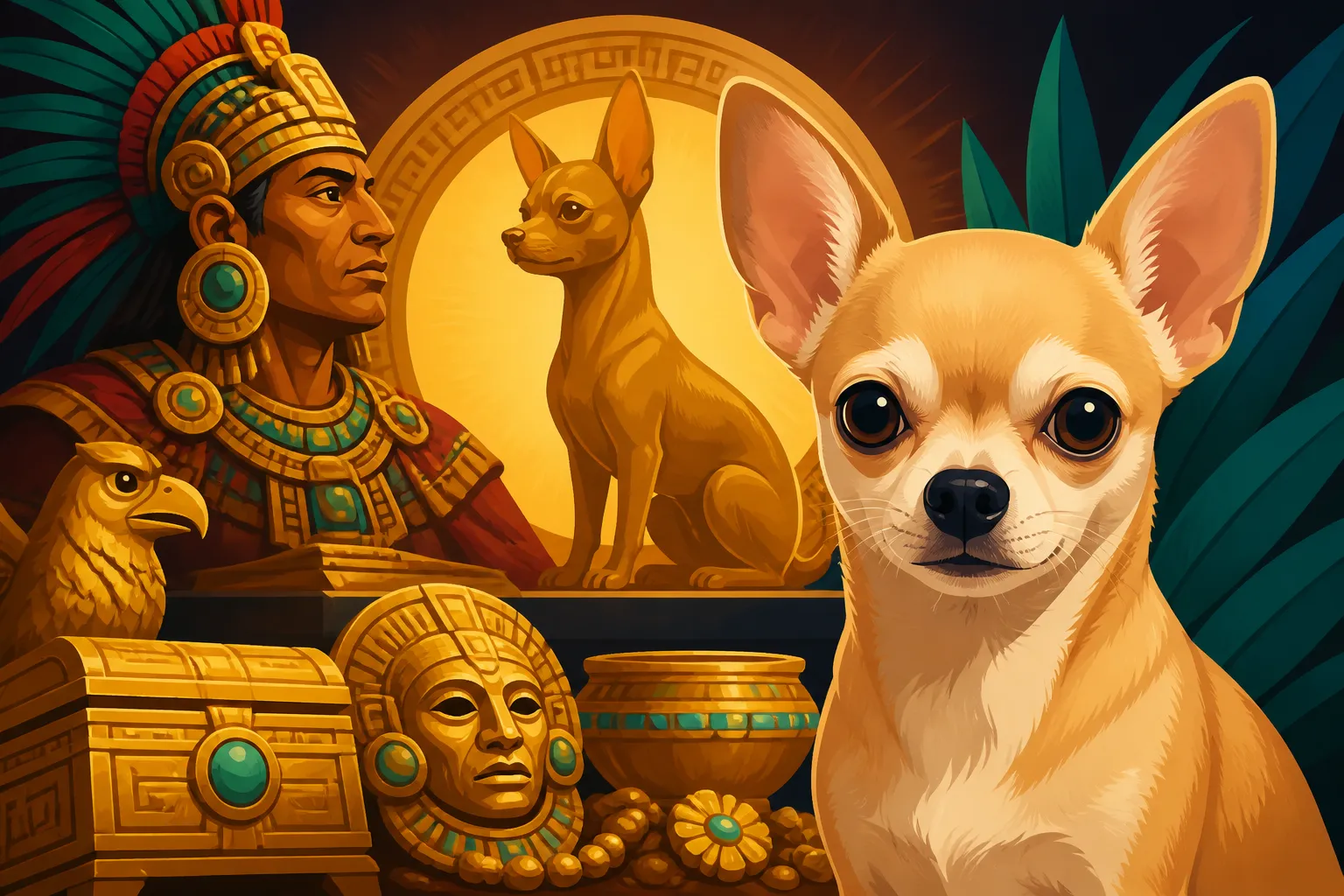
The Chihuahua’s Ancestor Among Montezuma’s Treasures
When you look at your tiny Chihuahua curled up on a velvet cushion, perhaps trembling slightly in their sweater, it's easy to see them as fragile, pampered modern marvels. But this picture is a far cry from their ancestors, who held positions of immense power and spiritual significance in ancient Mesoamerican civilizations. This guide will unearth the fascinating history of these small dogs, revealing their esteemed place among the treasures of emperors like Montezuma, and how their ancient lineage continues to resonate in the breed we adore today.
The Ancient Roots: Techichi and the Toltec Legacy
Before the Aztecs rose to prominence, another sophisticated civilization, the Toltecs, flourished in Mesoamerica, specifically in central Mexico. It's among the ruins and artifacts of this powerful culture that we find the earliest concrete evidence of the Chihuahua's direct ancestors: the Techichi. These small dogs were not merely common animals; they were woven into the very fabric of Toltec society, embodying a rich tapestry of spiritual beliefs and practical purposes.
Tracing the Techichi's Early Presence
Archaeological discoveries have provided invaluable insights into the existence and appearance of the Techichi. Digs at sites like Tula, the Toltec capital, have unearthed small dog remains and, more famously, numerous effigies and carvings. These representations, often found within burial sites or as part of architectural decorations, clearly depict a small, dog-like creature with a rounded head, large ears, and a sturdy body – features that bear a striking resemblance to some of our modern Chihuahuas, particularly the apple-headed variety. The Chihuahua Ancestor Carved in 300 BC tells us more about these early depictions. These aren't just decorative items; they suggest a deep cultural integration.
Imagine the bustling Toltec cities, not just with people, but with these small dogs moving among them, distinct from wilder canids. They were clearly domesticated and held a special place. For a modern Chihuahua owner, it's a humbling thought to consider that the very shape of your furry companion's head might echo carvings from over a thousand years ago, connecting your tiny friend directly to a powerful ancient civilization.
What the Toltecs Valued in Their Small Dogs
The Toltec people cherished the Techichi for reasons far beyond simple companionship. They were considered sacred, believed to possess powerful spiritual connections. Evidence suggests they were often interred with their human companions, guiding their masters' souls through the perilous underworld journey. This belief system wasn't unique to the Toltecs but was a recurring theme in Mesoamerican spirituality. What the Toltecs Kept the Chihuahua's Ancestor For elaborates on their spiritual significance.
Beyond the spiritual, there were practical roles. These dogs were likely companions within homes, helping to alert residents to intruders, much like a modern watchdog, albeit a tiny one. Their small size made them manageable in the close quarters of ancient living. It’s fascinating to think that the same alert nature your Chihuahua exhibits when the doorbell rings might be an echo of ancestral instincts honed in Toltec households.
The Aztec Empire and the Sacred Small Dogs
When the Aztec Empire rose, eventually dominating much of Mesoamerica, they absorbed and adapted many cultural elements from the civilizations that preceded them, including the Toltecs. The Techichi, or similar small dog breeds, found a renewed and elevated status within the sophisticated and hierarchical Aztec society, becoming integral to their spiritual practices, daily lives, and even their royal courts.
How the Aztecs Inherited and Honored the Breed
The Aztecs revered the Techichi, viewing them as sacred animals with deep spiritual significance. They believed these dogs could act as spiritual guides, leading the souls of the deceased through Mictlan, the Aztec underworld. This made them essential companions in death as well as life. The practice of burying small dogs with their masters continued, signifying their enduring role as spiritual escorts.
The Aztecs, known for their meticulous record-keeping and rich mythology, further solidified the Techichi's place in their cultural narrative. These dogs weren't just common creatures; they were seen as special beings, imbued with particular qualities that made them fit for the gods and the nobility. It’s a testament to their perceived value that they were granted such an important spiritual task. How the Aztecs Shrank the Chihuahua's Ancestor discusses how these dogs may have changed over time under Aztec influence.
The Techichi's Role in Aztec Rituals and Life
The Techichi's role extended beyond funerary rites. They were also used in sacrificial ceremonies, particularly those related to healing or ensuring safe passage in the afterlife. While this aspect can be unsettling to modern sensibilities, it underscores the profound importance and sacred status these dogs held; only the most valuable and revered creatures would be offered to the gods.
In daily life, the Techichi served multiple purposes. They were companions for the elite, often depicted in artworks alongside Aztec nobles. They were also a source of food, providing protein in a society where domesticated animals were scarce. While this might be jarring to contemporary Chihuahua owners, it highlights their utility and value in a pragmatic ancient world. It shows a complex relationship where the dogs were simultaneously revered, cherished, and utilized for sustenance.
Montezuma's Court: Companions of Emperors
The height of the Techichi's esteemed position culminated in the court of the Aztec emperors, most notably Montezuma II. As the ruler of the vast and powerful Aztec Empire, Montezuma presided over a sophisticated court that valued both luxury and spiritual depth. The small dogs, ancestors of our modern Chihuahuas, were not just present; they were an integral part of the imperial household, signifying status, providing companionship, and fulfilling sacred roles.
The Emperor's Beloved Canine Entourage
Historical accounts, particularly from the Spanish conquistadors who arrived in the early 16th century, describe Montezuma's court as a place of immense wealth, intricate rituals, and a diverse array of animals. Among these, small, cherished dogs were frequently mentioned. These accounts painted a picture of an emperor surrounded by an almost unbelievable number of attendants, luxuries, and unique creatures. The Techichi were not simply pets but part of this grand display, often carried or kept close by the nobility.
Imagine the grandeur of Montezuma's palace, adorned with vibrant tapestries, precious metals, and exotic birds. Within this opulent setting, these small dogs moved with an air of privilege, likely receiving exceptional care and attention from imperial staff. It's a stark contrast to the modern Chihuahua's typical home, yet the underlying value placed on their companionship remains a constant throughout history.
Treasures Beyond Gold: The Spiritual and Status Symbol
For Montezuma, these dogs were more than just animals; they were living treasures, embodying spiritual power and serving as potent symbols of his wealth and connection to the divine. Their presence in the imperial court underscored the emperor's prestige and his access to sacred elements. They were not merely ornamental; they held a deeper significance that contributed to the emperor's authority and mystique.
The spiritual aspect was paramount. Aztec cosmology held that the Techichi could guide souls to the afterlife, and having them close was a direct connection to the spiritual realm. For an emperor whose rule was intricately linked to religious beliefs, owning and cherishing these dogs was a direct affirmation of his spiritual power. They were, in essence, living talismans, providing comfort, companionship, and a tangible link to the divine. The Chihuahua's Ancestor Among Montezuma's Treasures truly highlights this elevated status.
The Multifaceted Significance of the Techichi in Aztec Culture
The Techichi's place in Aztec society was complex and deeply ingrained, encompassing spiritual, medicinal, and even culinary aspects. They were far from being just decorative lapdogs; their existence was interwoven with the everyday and the sacred, reflecting a worldview where all living things held purpose and meaning. This multifaceted role demonstrates their high value to the Aztec people, from the humblest citizen to the most powerful emperor.
Beyond Companionship: Spiritual Guides and Healers
As mentioned, the spiritual role of the Techichi was profound. They were believed to guide the souls of the deceased through the underworld, making them essential companions in the final journey. This belief led to their inclusion in burials, sometimes even being sacrificed themselves to accompany their masters. This practice underscores the deep bond and spiritual importance attributed to them.
Furthermore, the Techichi were believed to possess medicinal properties. Ancient Aztec texts and oral traditions suggest they were used in various healing rituals, perhaps for ailments like arthritis or respiratory issues. Their small size and gentle nature might have made them ideal for comforting the sick. While we don't have scientific proof of their efficacy in these roles, the belief itself speaks volumes about their perceived healing powers and their place in the Aztec pharmacopoeia. This is a far cry from simply providing comfort; it's a belief in their inherent healing essence.
A Source of Sustenance in a Resource-Scarce World
While it may be difficult for modern Chihuahua enthusiasts to comprehend, the Techichi also served as a valuable food source for the Aztecs. In a region where large domesticated animals like cattle or pigs were absent, small animals, including dogs, were an important part of the diet. The careful breeding and raising of Techichi would have provided a consistent, albeit small, source of protein.
This dual role – sacred companion and dietary staple – illustrates the pragmatic yet spiritual nature of Aztec society. It's a testament to their resourcefulness and their ability to integrate animals into their culture on multiple levels. Today, we prioritize our Chihuahuas' well-being with specialized diets, readily available from online pet suppliers like Chewy, a stark contrast to their ancestors' dual purpose. However, understanding this historical context helps us appreciate the sheer value these dogs held in a world vastly different from our own.
The Fate of the Ancient Breed After the Conquest
The arrival of the Spanish conquistadors in the early 16th century, led by Hernán Cortés, marked a catastrophic turning point for the Aztec Empire and, by extension, for the Techichi. The clash of civilizations brought not only disease and warfare but also a profound disruption to the indigenous cultures and their cherished animals. The once-revered small dogs faced a period of immense challenge, leading to their near disappearance from historical records.
The Devastating Impact of the Spanish Conquest
When the Spanish arrived, they brought with them European dogs, primarily larger breeds used for hunting and warfare. These new dogs often bred with the native Techichi, diluting their ancient bloodlines. More significantly, the Spanish viewed the indigenous practices, including the spiritual reverence for the Techichi and their occasional use as a food source, with contempt. Many Techichi were likely killed or left to fend for themselves as the Aztec civilization crumbled. What the Spanish Conquest Did to the Chihuahua covers this period of upheaval in more detail.
The societal collapse meant the structured breeding programs and dedicated care for the Techichi ceased. Their sacred status was disregarded, and their populations dwindled. It was a dark chapter for a breed that had once held such a prominent and cherished position. This period demonstrates how quickly a deeply integrated cultural element can be eradicated when an external force imposes its will.
Three Centuries of Obscurity and Survival
For centuries after the conquest, the Techichi virtually vanished from historical records and public consciousness. They were no longer actively bred or celebrated by the dominant culture. However, it's believed that small populations of these dogs survived, either by interbreeding with European dogs or by existing in remote, isolated indigenous communities that maintained some of their ancestral traditions. How the Chihuahua Survived Three Centuries Unrecorded offers a glimpse into this period of quiet resilience.
These surviving populations, though changed and perhaps mixed with other small breeds, carried the genetic legacy of the ancient Techichi. They continued to exist in the shadows, far from the imperial courts they once graced. It’s a testament to their adaptability and the enduring bond between humans and these small dogs that they managed to persist, quietly waiting for their eventual rediscovery.
From Ancient Mystery to Modern Companion
The journey of the Chihuahua from an ancient Mesoamerican sacred dog to the beloved lapdog of today is a remarkable tale of survival, rediscovery, and evolution. After centuries of obscurity following the Spanish Conquest, the breed began to re-emerge in the 19th century, particularly in the Mexican state that would eventually give it its name. This resurgence sparked interest in the United States and beyond, leading to the development of the modern Chihuahua breed we know and love.
Rediscovery in the 19th Century
The small dogs we now recognize as Chihuahuas were "rediscovered" in the mid-19th century in the state of Chihuahua, Mexico, particularly by American travelers and merchants. These small, distinctive dogs captivated those who encountered them, leading to their export north of the border. It was during this period that the breed began to gain popularity and was given the name of its geographical origin. Americans Buying Chihuahuas in the Mid-1800s details this pivotal moment.
It’s easy to imagine a traveler stumbling upon one of these tiny, alert dogs in a Mexican marketplace or village and being utterly charmed. Their unique appearance and spirited demeanor would have been a novelty in an era before globalized pet markets. This rediscovery marks the true beginning of the Chihuahua's modern history.
The Path to AKC Recognition and Global Popularity
Once in the United States, enthusiasts began to breed these dogs selectively, focusing on their unique characteristics. The breed's distinct features, including the famous apple-shaped head, large ears, and diminutive size, quickly made them popular. In 1904, the American Kennel Club (AKC) officially recognized the Chihuahua, solidifying its status as a distinct breed. AKC Recognition of the Chihuahua in 1904 was a huge step for the little dog.
From there, the Chihuahua's popularity soared, fueled by their charming personalities, portability, and appearances in popular culture. They transformed from ancient spiritual guides into beloved modern companions, fitting perfectly into diverse households, from bustling city apartments to quiet suburban homes. Their small size makes them incredibly adaptable, needing relatively little space compared to larger breeds. Providing for their needs has also become incredibly easy, with specialized small dog food, tiny harnesses, and durable toys for small mouths all readily available from retailers like Chewy.
The Legacy of the Ancestors in Modern Chihuahuas
While today's Chihuahuas are a far cry from their ancient Techichi ancestors in terms of their societal role, echoes of their lineage persist. Their fierce loyalty, alert nature, and sometimes almost mystical bond with their chosen human are traits that might well be inherited from a long line of dogs that served emperors and guided souls. DNA Studies on Chihuahua Origins are continually shedding more light on these connections.
Consider the tenacity of a Chihuahua, often bold despite its size, or its protective instincts towards its family. These aren't just quirks; they could be ancestral traits honed over centuries of being revered and relied upon. The spiritual weight of their lineage may still resonate in their unique personalities, reminding us that even the smallest dog can carry a history as grand and captivating as any emperor's treasure.
Comparing Ancient and Modern Chihuahua Roles
It's fascinating to look at how much, and how little, has changed for the Chihuahua from its ancient lineage to its current role in our lives. While their physical form has remained remarkably consistent, their perceived value and daily interactions have transformed dramatically.
Here's a comparison of the Techichi's role in ancient Mesoamerica versus the modern Chihuahua's place in our homes:
| Feature/Role | Ancient Techichi (Mesoamerica) | Modern Chihuahua (Today) |
|---|---|---|
| Primary Value | Spiritual guide, sacred animal, food source, status symbol | Cherished companion, family member, emotional support animal |
| Companionship | Primarily for nobility and elite | Universal, accessible to a wide range of owners |
| Spiritual Significance | Guide to the underworld, healing properties | Emotional bond, brings joy and comfort, no religious role |
| Practical Uses | Food source, sacrificial offering, guard dog | Alert barker, therapy dog, competitive dog sports (agility) |
| Diet & Care | Whatever was available, often human food, minimal medical | Specialized kibble/wet food, regular vet care, pet products |
| Status Symbol | Reserved for royalty and high-ranking individuals | Often a fashion accessory for some, but primarily a pet |
| Population Management | Likely careful breeding by elite/priests | Responsible breeding by hobbyists, extensive rescue networks |
This table clearly illustrates the monumental shift. While the ancient Techichi was a part of a survival economy and a complex spiritual system, the modern Chihuahua benefits from advancements in veterinary medicine, nutrition, and a societal shift towards animals as integral family members. We now nurture them with products from trusted sources like Chewy, ensuring they live long, healthy lives, a luxury their ancestors could only dream of. Yet, the core connection of these small dogs to human hearts remains an enduring constant throughout the millennia.
Disclaimer
This article is for general informational purposes only and does not constitute professional advice. Laws, prices and regulations vary by location and change over time. Consult a qualified professional for guidance on your specific situation.