Why Chihuahuas Fill Shelters in Some States
It's a perplexing and heartbreaking sight for any dog lover: rows upon rows of tiny Chihuahuas filling kennels in shelters, especially in certain states, waiting for new homes. You'd think such small, often popular dogs would be snapped up quickly, but the reality is that many Chihuahuas find themselves in the shelter system. This guide will explore the complex reasons behind this phenomenon, from the allure of marketing to the practical challenges of ownership, helping you understand why these little dogs are so disproportionately represented in rescue organizations.
The Lure of the "Teacup" Trend and Unregulated Breeding Hotspots
One of the biggest drivers behind Chihuahua overpopulation in shelters, particularly in certain regions, is the relentless and often irresponsible pursuit of the "teacup" or extremely tiny Chihuahua. This isn't an official size, mind you, and no reputable registry recognizes it. Yet, the market demand for these miniature dogs creates a breeding environment ripe for exploitation.
The Misleading Appeal of Tiny Sizes
People see images and videos of Chihuahuas small enough to fit in a purse or a teacup, and they fall in love with the idea of a perpetually puppy-sized companion. What they don't always realize is that producing such tiny dogs often involves breeding runts or dogs with underlying health issues that contribute to their small stature. These puppies are fragile and prone to severe health problems like Chihuahua Hypoglycemia and the Puppy Emergency, bone deformities, and immune system deficiencies. Responsible breeders focus on health and temperament within the breed standard, which already sets a maximum weight of six pounds, not striving for something even smaller and more delicate.
Unregulated Breeding and Puppy Mill Pipelines
Unfortunately, the demand for "teacup" Chihuahuas fuels a significant number of backyard breeders and puppy mills, particularly in states with less stringent animal welfare laws or where large-scale breeding operations can easily exist under the radar. These operations prioritize quantity over quality, often breeding dogs repeatedly without proper health screenings or adequate care. The puppies from these environments are frequently sold at prices that seem affordable upfront, but they often come with a host of inherited health issues or behavioral problems due to poor socialization and genetic predispositions. When these dogs inevitably develop costly health issues like Chihuahua Heart Disease as the Breed Ages or challenging behaviors, unprepared owners may find themselves overwhelmed, leading to surrender. This influx of poorly bred animals from high-volume operations often saturates local shelters. You'll find these mass-produced puppies advertised online, sometimes with deceptive language, leading new owners down a path of unexpected struggles. Chihuahua Puppy Prices From a Backyard Breeder often reflect this lack of investment in health and temperament.
Understanding the Reality: Behavioral Challenges and Owner Preparedness
Beyond the breeding practices, a significant factor contributing to Chihuahuas ending up in shelters is a fundamental misunderstanding of the breed's temperament and needs. Many owners mistakenly believe that a small dog is automatically an easy dog, or that behavioral issues in a tiny package are "cute" rather than problematic.
The Myth of the "Lap Dog" and Undersocialization
While Chihuahuas certainly love to be close to their people, they are not simply ornamental lapdogs. They possess a formidable terrier-like spirit, sharp intelligence, and a need for consistent training and socialization, just like any other breed. However, many owners, perhaps out of misguided protectiveness, fail to provide adequate socialization. They might carry their Chihuahua everywhere, preventing them from interacting with the world on their own four paws, or they might not expose them to a variety of people, sounds, and other dogs. This often results in a fearful, reactive, and sometimes nippy dog. Chihuahua Fear Reactivity, the Breed's Real Problem is a common complaint, stemming directly from a lack of proper exposure and training. When a small dog is constantly picked up or shielded, it doesn't learn coping mechanisms for everyday stressors, leading to anxiety, barking, and fear-based aggression. This then makes them difficult to manage in a home, and ultimately, a candidate for surrender.
House Training and Barking Challenges
Two common behavioral issues often cited for Chihuahua surrenders are house training difficulties and excessive barking. Chihuahuas have incredibly tiny bladders, especially as puppies, and require frequent potty breaks – often more than new owners anticipate. When owners don't implement a consistent and diligent House Training a Chihuahua With a Tiny Bladder schedule, accidents become frequent, leading to frustration. Coupled with a natural inclination to mark territory, especially in intact males, house training can feel like an uphill battle.
Similarly, Chihuahuas are known for their alert barking. This isn't necessarily a fault; they were historically used as watchdogs. However, without proper training and management, this can escalate into incessant barking at every perceived threat: the mailman, a leaf blowing by, a neighbor walking past the window. Owners might find themselves quickly overwhelmed by the noise, especially in apartment settings where constant barking can lead to complaints from neighbors. This often becomes a breaking point for owners who didn't anticipate the breed's vocal nature or the dedication required to manage it.
The Cumulative Cost of Care for a Long-Lived Small Dog
Another major factor contributing to Chihuahuas entering shelters is the financial burden of their care, particularly as they age. While the initial purchase price might be lower for a poorly bred puppy, the long-term veterinary costs can be astronomical, especially for a breed known for its longevity. Why Chihuahuas Live Twelve to Twenty Years means a very long commitment.
Recurring Dental Bills and Patellar Luxation
Chihuahuas are notoriously prone to dental disease due to their crowded small mouths. By the age of three, many Chihuahuas already require their first professional dental cleaning under anesthesia, and these can become annual or biennial expenses. Chihuahua Dental Bills as the Biggest Recurring Cost for many owners, often running into hundreds or even over a thousand dollars for cleanings and necessary extractions. Unprepared owners are often shocked by these recurring costs, and when faced with the choice between expensive dental care and feeding their family, the dog often loses out. Neglected dental health leads to pain, infection, and eventually, tooth loss, further diminishing the dog's quality of life.
Beyond dental issues, Patellar Luxation, the Chihuahua's Commonest Joint Problem is another prevalent health issue. This condition, where the kneecap slips out of place, can range from mild (Grade 1) to severe (Grade 4), often requiring costly surgery for higher grades. Many Chihuahuas have this condition, often inherited, and the expense of diagnosis, medication, and potential surgery can quickly drain an owner's savings. These unexpected vet bills, often totaling thousands of dollars, can push owners to a difficult decision.
| Reason for Surrender | Common Owner Expectation | Chihuahua Reality |
|---|---|---|
| Behavioral issues | Easy, cuddly lap dog | Terrier-like, needs training & socialization |
| House training | Quick to train | Tiny bladder, needs very frequent breaks & consistency |
| Excessive barking | Quiet, apartment-friendly | Alert vocal nature, needs management & training |
| Health costs | Low cost of small dog | Prone to dental disease, knee issues, long lifespan with potential senior care costs |
| "Too much work" | Minimal commitment | Requires consistent daily care, training, and attention |
Unexpected Expenses and Senior Care
It's not just the common issues. Chihuahuas, despite their small size, can incur emergency veterinary bills for things like accidental ingestions (tiny bodies mean even small amounts of toxins are dangerous), injuries from falls, or unexpected illnesses. When you combine these potential emergencies with the regular costs of food, routine vet visits, and preventative medications, the monthly budget for a Chihuahua can be substantial. The Monthly Cost of Keeping a Chihuahua often catches people off guard. As Chihuahuas age, they might develop conditions like Chihuahua Arthritis in the Teenage Years or Cognitive Decline in a Fifteen Year Old Chihuahua, requiring ongoing medication, special diets available from pet supply retailers like Chewy, or more frequent vet visits. The cumulative financial strain over a dog's long life can simply become too much for many families, especially those facing their own economic challenges, leading them to seek help from shelters.
Inter-State Transport and Overpopulation Dynamics
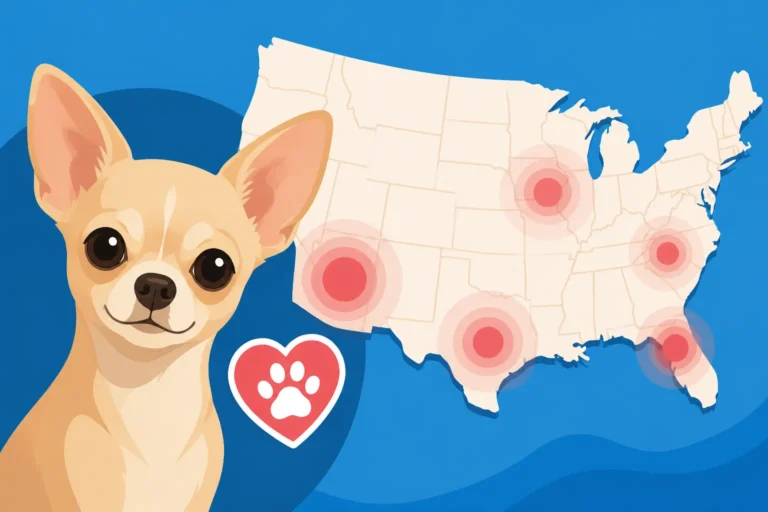
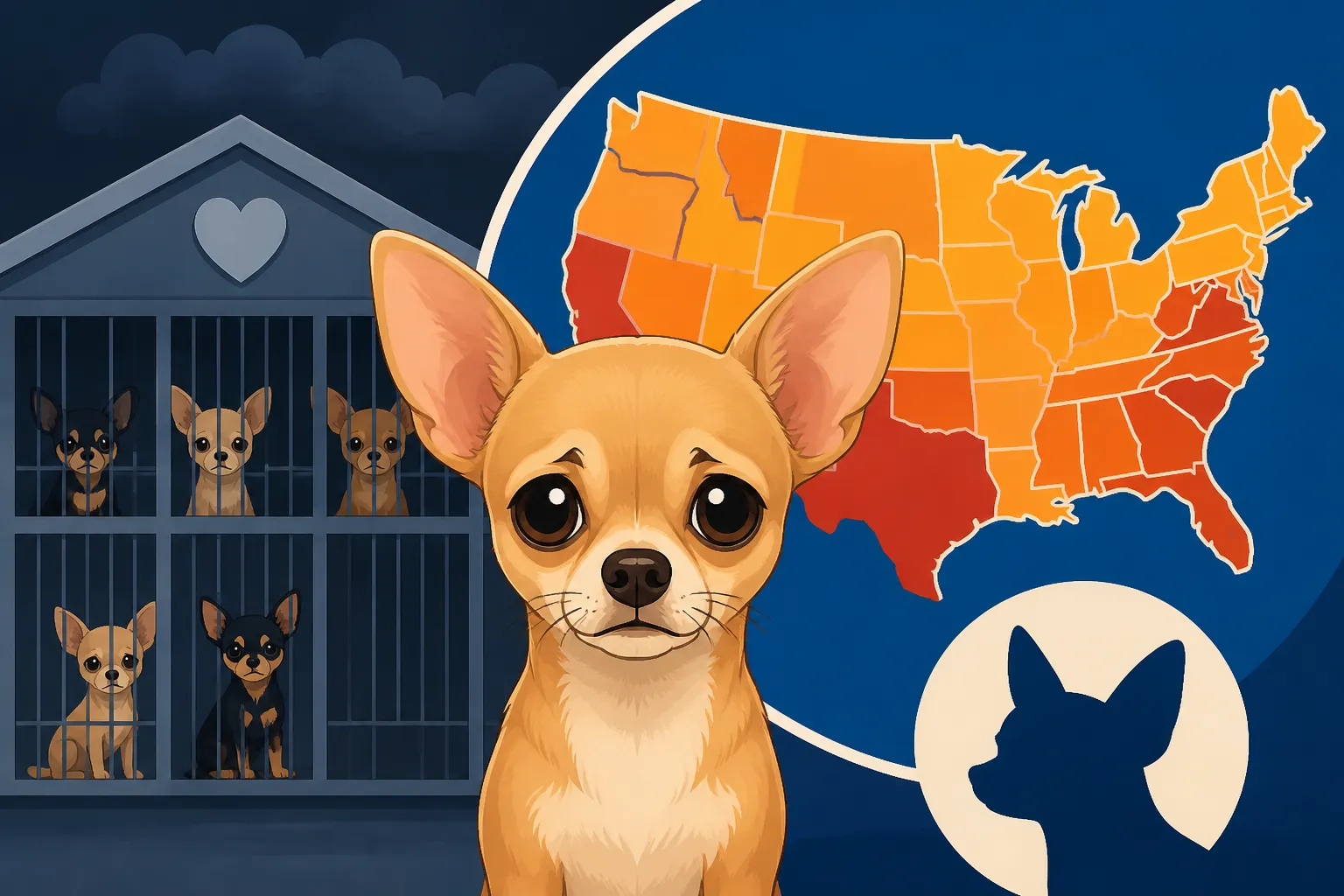
The problem of Chihuahuas filling shelters isn't uniform across the country. There are distinct regional differences, often driven by a combination of breeding practices, local demand, and rescue efforts. This leads to inter-state transport programs that, while well-intentioned, highlight where the greatest overpopulation exists.
Regional Surplus and Rescue Efforts
Certain states, particularly in the southern and western United States, experience a disproportionate surplus of Chihuahuas. This can be attributed to several factors: a higher prevalence of irresponsible breeding operations that are sometimes harder to regulate, cultural trends that influence pet ownership and spay/neuter rates, and often, a climate that allows for outdoor breeding with less oversight. As a result, shelters in these regions become overwhelmed with Chihuahuas, often far exceeding the local demand for adoption. These shelters simply don't have the resources or space to house every dog indefinitely.
To alleviate this crisis, many dedicated rescue organizations partner with shelters in these high-volume states to transport Chihuahuas to areas with higher adoption demand, often in the Northeast or Pacific Northwest. This is why you might see a shelter in Massachusetts or Oregon featuring Chihuahuas that originated in Texas or California. While these transport programs save countless lives, they also visually represent the severity of overpopulation in the source states. It's a complex network of compassion, but it underscores that the supply of Chihuahuas from certain regions far outstrips the ability of local communities to care for them all. If you're looking to bring a new Chihuahua into your life, consider Adopting a Chihuahua From a Shelter – you might be surprised by how many wonderful dogs are available through these transport programs, complete with supplies often bought from a reliable source like Chewy.
The Role of Spay/Neuter Rates and Community Education
Ultimately, the most effective long-term solution to Chihuahuas filling shelters lies in widespread spay and neuter initiatives and robust community education. In regions where spay/neuter rates are lower, accidental litters contribute significantly to the shelter population. Many owners simply don't understand the importance or the cost-effectiveness of spaying or neutering their pets, or they may face financial barriers.
Education campaigns can help prospective owners understand the true commitment involved in Chihuahua ownership, from their specific health needs like Chihuahua Dental Disease in a Crowded Small Jaw to their exercise and training requirements. By promoting responsible pet ownership, supporting local animal welfare organizations, and encouraging adoption over impulse buys from questionable sources, we can collectively work towards a future where fewer Chihuahuas find themselves without a loving home. The goal is to stem the flow of unwanted animals at its source, ensuring that every tiny Chihuahua born has the best chance at a healthy, happy, and permanent family.
Disclaimer
This article is for general informational purposes only and does not constitute professional advice. Laws, prices and regulations vary by location and change over time. Consult a qualified professional for guidance on your specific situation.