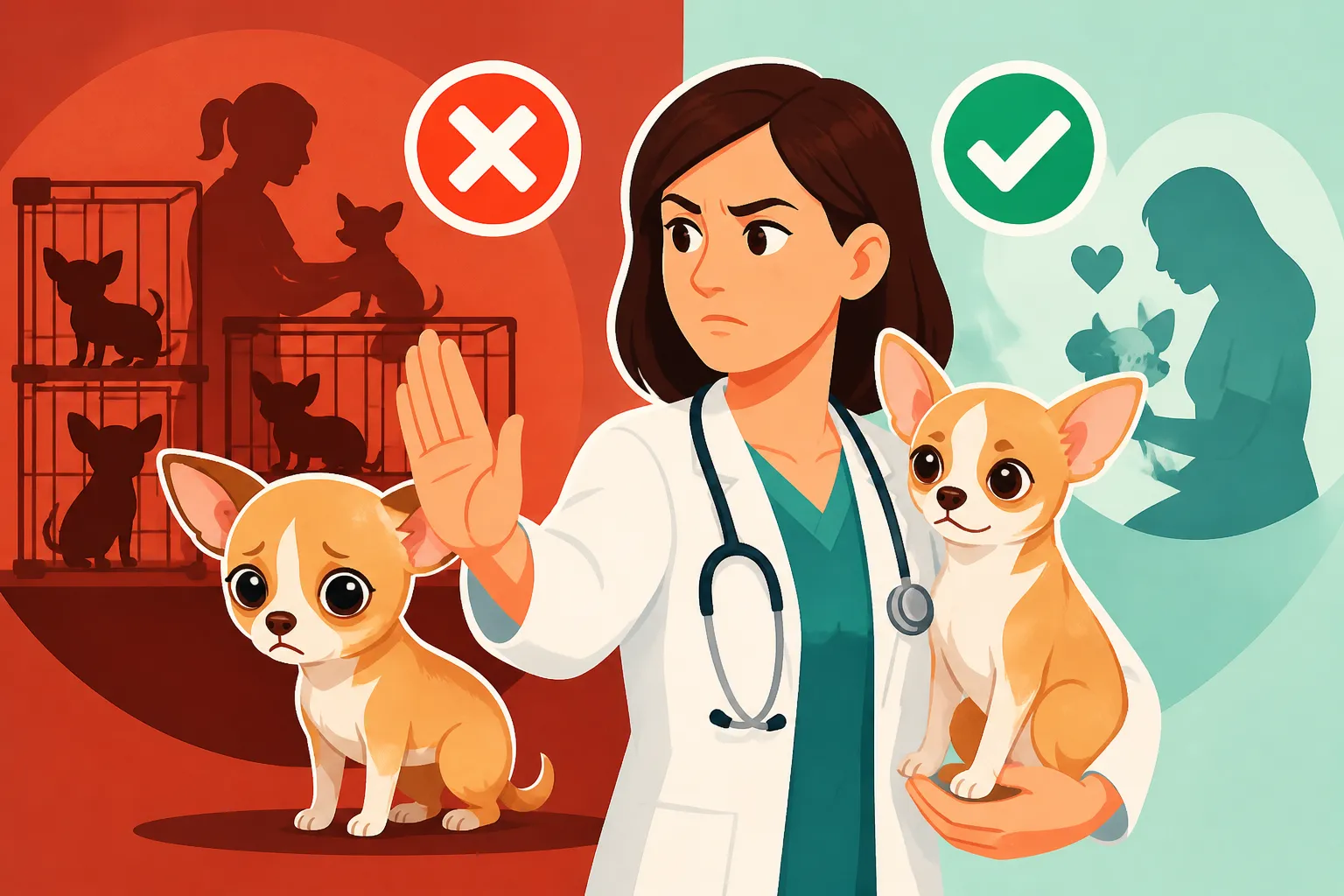
Why Some Vets Push Back on Toy Breeding
It can be incredibly disheartening to realize that the adorable, tiny Chihuahua you adore might be facing an uphill battle with their health, simply due to how they were bred. Many new and even experienced owners feel a deep frustration when their beloved pet encounters preventable issues. This guide will delve into why some veterinarians express serious concerns about certain toy breed practices, especially within the Chihuahua world, and what these pushbacks mean for prospective and current owners.
The Veterinary Perspective on Toy Breeding Practices
Veterinarians are on the front lines, seeing the direct consequences of breeding choices every single day. Their pushback isn't born out of a dislike for small dogs – far from it! It comes from a deep concern for the welfare of these tiny creatures, who often face a unique set of challenges compared to their larger canine counterparts. They witness firsthand the struggles of puppies born with severe congenital issues and adult dogs suffering from chronic conditions that can be traced back to irresponsible breeding.
The sheer scale of issues associated with some toy breeding practices can be overwhelming for veterinary professionals. They see cases where a dog's life is compromised from birth, or where a "cute" trait has been exaggerated to a point that it causes constant pain or suffering. It’s not about the breed itself, but the way the breed is sometimes brought into the world that raises red flags. They are advocates for animal health, and when they see practices that consistently undermine that health, it's their ethical duty to speak up.
Exaggerated Features and Fragility
One of the primary concerns for vets revolves around the deliberate exaggeration of certain features to meet an aesthetic ideal or a "fad." Think about the incredibly tiny size some breeders aim for, often marketing them as "teacup" Chihuahuas. While a small size is characteristic of the breed, pushing it to extremes can lead to puppies that are simply too fragile to thrive. These tiny pups often struggle with maintaining body temperature, feeding, and are incredibly susceptible to injury. Their bones are delicate, their skulls sometimes remain soft, and their internal organs may not develop fully or function robustly.
This pursuit of extreme smallness often means selecting the smallest, sometimes weakest, individuals from a litter to breed. This can perpetuate a cycle of frailty, rather than focusing on robustness and health. It’s a bit like choosing the slowest runner to win a race – you’re setting them up for failure. Vets spend countless hours trying to keep these hyper-small puppies alive, often battling issues like Chihuahua Hypoglycemia and the Puppy Emergency, a serious and sudden drop in blood sugar that can be life-threatening for undersized pups who lack the reserves of their slightly larger peers.
Genetic Predispositions and Lack of Health Screening
Another major point of contention is the prevalence of genetic health conditions in toy breeds, and the unfortunate reality that some breeders do not prioritize health screening. Chihuahuas, like many purebreds, are prone to certain inherited conditions. While no breed is entirely free of potential health issues, responsible breeding involves genetic testing parents to minimize passing on these traits. When this isn't done, it's a roll of the dice for every puppy in the litter.
Vets see the heartbreaking results: young dogs suffering from painful joint problems, chronic breathing difficulties, or neurological issues that could have potentially been avoided. They advocate for breeders to conduct proper health clearances – for example, patella evaluations, cardiac exams, and eye certifications – before breeding. Without these crucial steps, puppies are born with an increased likelihood of conditions such as Patellar Luxation, the Chihuahua's Commonest Joint Problem, where the kneecap slips out of place, or Collapsing Trachea and the Chihuahua Honking Cough, a chronic respiratory issue common in small dogs. These conditions aren't just inconvenient; they can cause significant pain, limit a dog's quality of life, and often require expensive, lifelong management or surgery.
Common Chihuahua Health Issues Tied to Breeding
Chihuahuas are wonderful dogs with immense personality, but their unique physical characteristics, sometimes amplified by breeding choices, can unfortunately predispose them to specific health problems. Understanding these issues from a veterinary perspective helps to shed light on why certain breeding practices raise alarm bells.
Dental Disease and Jaw Structure
One of the most persistent and expensive health problems for Chihuahuas, and a prime example of a breeding-related concern, is severe dental disease. Their small mouths are often too crowded for their teeth, leading to a host of problems. Imagine trying to fit a full set of adult human teeth into a child's mouth – that's often what's happening in a Chihuahua's jaw.
This crowding creates an ideal environment for plaque and tartar to build up rapidly, much faster than in breeds with more spacious mouths. Food particles get trapped, and teeth rub against each other, leading to accelerated gum disease, infections, and premature tooth loss. Vets often see Chihuahuas needing extensive dental work, including multiple extractions, by the time they are just a few years old. This isn't just cosmetic; dental disease can lead to systemic infections, impacting the heart, kidneys, and liver. For more on this, you can look up Chihuahua Dental Disease in a Crowded Small Jaw.
The issue is compounded by the fact that many Chihuahuas retain their baby teeth, or "deciduous teeth," long after their adult teeth have erupted. This creates a double row of teeth, further increasing crowding and making it even harder for owners to keep their dog's mouth clean. Extracting these retained baby teeth usually requires anesthesia, adding to the cost and risk. Responsible breeders pay attention to jaw structure and dental health, though the breed's very anatomy makes it a continuous battle for even the most conscientious owners.
Neurological Concerns: Molera and Hydrocephalus
The distinctive apple-shaped head of many Chihuahuas, while beloved by many, can also be linked to certain neurological vulnerabilities. Many Chihuahua puppies are born with a "molera," a soft spot on their skull similar to a human baby's fontanelle. In some, this closes over time, but in others, it remains open throughout their lives. While a small molera in itself isn't always problematic, it does mean a portion of the brain is less protected, making head injuries more dangerous. You can learn more about this by reading The Chihuahua Molera and What a Soft Spot Means.
More significantly, some Chihuahuas, particularly those with extremely domed skulls, are at a higher risk for hydrocephalus, a condition where cerebrospinal fluid builds up in the brain. This excess fluid puts pressure on the brain, leading to a range of neurological symptoms such as seizures, difficulty learning, odd gait, and head pressing. It's a devastating condition that often requires lifelong medication and can severely impact a puppy's development and quality of life. Vets see these cases, and it's a stark reminder of the potential downsides of breeding for extreme cranial aesthetics without prioritizing brain health. Hydrocephalus Signs in a Chihuahua Puppy details how crucial early detection is.
Orthopedic Issues: Knees and Hips
Despite their small size, Chihuahuas are not immune to significant orthopedic problems, which are frequently seen by veterinarians. One of the most common is patellar luxation, or a "slipping kneecap," as mentioned earlier. This condition can range from mild, causing an occasional skip in their step, to severe, leading to chronic pain and crippling arthritis. While it's hereditary, the degree to which it manifests can be influenced by breeding practices that don't screen for healthy knees.
Vets frequently perform knee surgeries on Chihuahuas to correct severe luxation, a procedure that is costly and involves a lengthy recovery period. Beyond patellar luxation, Chihuahuas can also be prone to Legg-Calve-Perthes disease, a condition affecting the hip joint where the head of the femur spontaneously degenerates. This typically presents in young Chihuahuas and causes lameness and pain. While less common than patellar luxation, it's another reminder of the orthopedic vulnerabilities that vets encounter, underscoring the importance of responsible breeding that includes screening for sound joint structure.
Ethical Considerations and the Owner's Burden
The concerns vets voice aren't just about the dogs themselves; they extend to the significant emotional and financial burden placed on owners who unknowingly bring home a pet with severe, preventable health issues. Responsible pet ownership is a commitment, and when that commitment is tested by continuous, unforeseen medical crises, it can be incredibly challenging.
The "Teacup" Myth and Exploitation
The term "teacup Chihuahua" is a prime example of a breeding practice that veterinarians often "push back" on. It’s not a recognized breed standard, nor is it a healthier, smaller version of the Chihuahua. Instead, "teacup" usually refers to an undersized Chihuahua, often the runt of a litter, or even a dog bred from two unusually small, potentially unhealthy parents. These dogs are specifically bred for extreme tininess, often at the expense of robust health.
Owners drawn to the irresistible cuteness of a "teacup" often find themselves facing a steep learning curve and even steeper vet bills. These dogs are far more prone to issues like Chihuahua Hypoglycemia in the First Twelve Weeks, fragile bones, difficulty regulating body temperature, and a host of other problems that make them incredibly delicate. Vets see the heartbreaking reality of these tiny puppies struggling to survive, or young adults facing a lifetime of chronic illness. The emotional toll on an owner trying desperately to keep their tiny companion healthy is immense, and vets are deeply aware of this.
Financial and Emotional Costs
Imagine bringing home a new puppy, full of dreams, only to find yourself at the emergency vet within weeks, then months, facing expensive diagnostics, medications, and potentially surgeries. This is the reality for many owners of poorly bred toy dogs. The initial cost of the puppy, often inflated for "rare" or "teacup" varieties, pales in comparison to the ongoing veterinary expenses for preventable conditions.
This financial strain can be overwhelming, especially when unexpected emergencies arise. Beyond the money, there's the emotional exhaustion of caring for a chronically ill pet, the worry, the sleepless nights, and the profound sadness that comes from watching your beloved companion suffer. Vets are the ones delivering these diagnoses, performing these surgeries, and counseling owners through these difficult times. They understand the deep connection between people and their pets, and they see how these preventable health issues can strain both the wallet and the heart. The focus then shifts from joyful companionship to constant medical management.
Supporting Responsible Chihuahua Breeding
Given these significant concerns, it’s only natural for vets to advocate strongly for responsible breeding practices. Their pushback isn't against Chihuahuas, but against practices that cause suffering. When breeders prioritize health, temperament, and adherence to established breed standards, the outcomes for dogs and their future families are vastly improved.
The Importance of Health Clearances
For veterinarians, one of the most fundamental aspects of responsible breeding is comprehensive health screening of parent dogs. This means more than just a quick vet check. It involves specific tests for conditions known to affect the breed. For Chihuahuas, this typically includes orthopedic evaluations (like patella certification), cardiac exams, and sometimes eye certifications. These tests help ensure that genetic predispositions to common, debilitating conditions are minimized in the next generation.
A responsible breeder won't just tell you their dogs are healthy; they'll provide verifiable documentation of these clearances for both parents. They'll be transparent about any known health issues in their lines and work to actively improve the health of the breed. This diligence helps prevent the perpetuation of problems like severe patellar luxation or early-onset heart conditions, giving puppies the best possible start to a long and healthy life. When seeking a Chihuahua, asking for The Health Tests a Chihuahua Breeder Should Run is paramount.
Breeding for Robustness, Not Extremes
Responsible breeders understand that a truly healthy Chihuahua is one that adheres to a balanced breed standard, which usually describes a sturdy, compact dog – not an overly fragile one. They breed for robustness, sound structure, and excellent temperament, rather than chasing extreme size or exaggerated features that can compromise health. This means avoiding breeding overly tiny individuals or those with significant health concerns, even if they possess a desirable "look."
They aim to produce Chihuahuas that can enjoy a full, active life, running and playing without constant worry about fragile bones or compromised organs. They also focus on providing excellent care for their puppies from birth, including proper nutrition and socialization, setting them up for success in their new homes. These puppies might not be the "teacups" marketed online, but they stand a much better chance of growing into healthy, happy adult dogs that will enrich their families' lives for many years.
The Role of Education and Research
Veterinarians also play a crucial role in educating potential owners about what to look for in a responsible breeder and how to avoid falling victim to puppy mills or unethical breeders. They can explain the common health issues of the breed and advise on preventative care. For instance, when it comes to diet, ensuring a Chihuahua gets the right nutrients in small, regular meals can help stave off Chihuahua Hypoglycemia in the First Twelve Weeks. Owners might find excellent quality food options and tiny-sized treats suitable for their Chihuahua’s small calorie budget at reputable online retailers like Chewy, making it easier to manage their unique dietary needs.
Furthermore, veterinary researchers are continually working to identify genetic markers for breed-specific diseases, providing breeders with even better tools to make informed decisions. This collaborative effort between veterinary medicine and ethical breeding is key to improving the overall health and welfare of Chihuahuas and other toy breeds, moving away from practices that have historically caused so much preventable suffering.
Comparison of Chihuahua Breeding Practices
| Aspect | Responsible Breeding Practices | Concerning Breeding Practices |
|---|---|---|
| Health Screening | Comprehensive genetic testing for parents (patella, heart, eyes). | Minimal or no health testing; "vet check" often insufficient. |
| Size & Structure | Aims for sturdy, standard-sized Chihuahuas (3-6 lbs). | Deliberately breeds for "teacup" or extremely small sizes (<3 lbs). |
| Temperament | Prioritizes stable, confident, well-socialized parents. | Ignores temperament issues; focuses solely on appearance. |
| Genetic Diversity | Strives for healthy genetic diversity within breeding lines. | In-breeding to achieve specific traits, potentially compounding issues. |
| Transparency | Provides health clearances, lineage info, supports questions. | Guards information, avoids questions, no verifiable health records. |
| Puppy Care | Focuses on optimal nutrition, early socialization, vet visits. | Minimal care, poor conditions, high risk of disease/stress. |
| Owner Support | Offers lifelong support, take-back clauses, education. | Sells puppies quickly, no follow-up, little to no support. |
The pushback from some veterinarians on toy breeding isn't a judgment against these wonderful little dogs, but a passionate plea for healthier, more ethical practices. They witness the pain, the suffering, and the financial and emotional toll that irresponsible breeding can inflict. By understanding their concerns, potential Chihuahua owners can make more informed choices, seeking out breeders who prioritize the health and well-being of their animals above all else. This way, we can all contribute to a future where every Chihuahua has the best chance at a long, healthy, and happy life.
Disclaimer
This article is for general informational purposes only and does not constitute professional advice. Laws, prices and regulations vary by location and change over time. Consult a qualified professional for guidance on your specific situation.