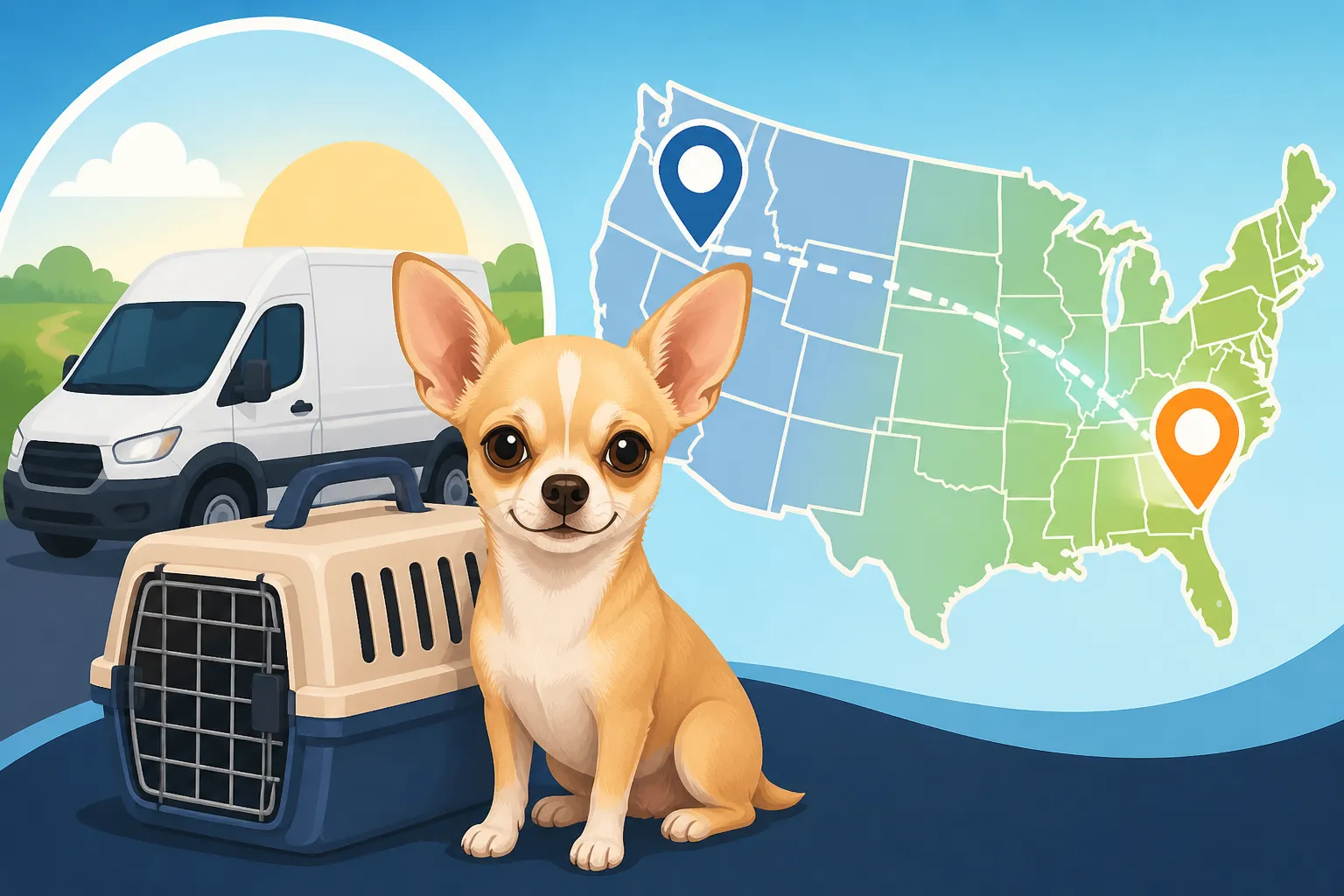
Chihuahua Transport Programs Between States
It's heartbreaking to know there are so many sweet Chihuahuas out there desperately needing homes, often in one part of the country, while loving families in another part are searching high and low for a companion. This guide will walk you through the world of Chihuahua transport programs, explaining how these crucial networks bridge the distance between dogs in need and their forever families, what to expect if you're involved, and how to ensure a smooth journey for these tiny travelers.
The Why Behind Interstate Chihuahua Transport
You might wonder why a perfectly adoptable Chihuahua in, say, Texas needs to travel all the way to Maine to find a home. It's a logistical puzzle, but one that dedicated rescue organizations have become incredibly skilled at solving. The simple truth is that the supply and demand for rescue dogs, especially Chihuahuas, aren't evenly distributed across the United States.
Overpopulation in Southern States
Sadly, many southern states, particularly in the Sun Belt, grapple with a significant overpopulation crisis when it comes to small dogs like Chihuahuas. Factors such as warmer climates allowing for more breeding cycles, less stringent spay/neuter initiatives, and sometimes differing cultural attitudes toward pet ownership contribute to shelters becoming overwhelmed. Imagine municipal shelters brimming with countless Chihuahuas, many of them wonderful, loving dogs, but with simply too many to find homes for locally. This creates a heartbreaking situation where good dogs face euthanasia due to lack of space and adopters. These are the regions where you often hear about Chihuahua Overpopulation in American Shelters. Rescues in these areas work tirelessly, but they simply cannot keep up with the sheer volume.
Demand in Other Regions
Conversely, many areas of the Northeast, Pacific Northwest, and parts of the Midwest experience a higher demand for adoptable small dogs like Chihuahuas than their local shelters can meet. In these regions, spay/neuter rates are often higher, and responsible breeding practices mean fewer "oops" litters or stray populations. Families who are ready to open their hearts and homes to a Chihuahua might find local shelters have a waiting list, or simply don't have many small dogs available. This disparity creates a vital need for transport – a way to move deserving dogs from areas of high supply to areas of high demand, giving them a second chance at life they wouldn't otherwise have.
Medical and Behavioral Cases
Beyond sheer numbers, some Chihuahuas require specific types of homes that might be harder to find in a limited local pool. A Chihuahua who is particularly shy or fearful, for instance, might need a quiet, adult-only home with no other pets, which could be a tall order in a small, saturated community. Similarly, a Chihuahua with a specific medical condition, like advanced dental disease or a need for ongoing joint care, might benefit from being transported to a region where there are more resources, specialized veterinary care, or a larger pool of adopters willing and able to take on those needs. Expanding the search nationwide drastically improves the odds for these special cases, finding them the perfect, understanding home they deserve, rather than facing an uncertain future where they are.
How Chihuahua Transport Programs Work
The logistics of moving a tiny, often fragile, dog across state lines are complex, but the dedicated individuals and organizations involved in Chihuahua transport programs have refined the process into a finely tuned operation built on compassion and meticulous planning. It's truly a testament to collaboration within the animal welfare community.
Rescue Network Coordination
At its heart, interstate Chihuahua transport relies on a robust network of partnering rescue organizations. Typically, this involves a "sending" rescue or shelter in a high-intake area (like a southern state) and a "receiving" rescue in a demand-heavy region (like the Northeast). The sending rescue identifies Chihuahuas that are good candidates for transport – often dogs that have been fully vetted, temperament tested, and deemed suitable for adoption. They'll handle all the initial paperwork, medical clearances, and prepare the dog for travel. The receiving rescue then works to find appropriate foster or adoptive homes for these incoming Chihuahuas. They'll process applications, conduct home checks, and facilitate introductions. It's a seamless exchange of information and responsibility, with both parties committed to the welfare of the dog. Often, a potential adopter will go through The Screening Chihuahua Rescues Put You Through with the receiving rescue, even before the dog has left its original state.
Health and Preparation
Before any Chihuahua embarks on its journey, extensive health checks and preparations are absolutely paramount. No ethical transport program would ever send a sick or unready dog. Each Chihuahua receives a comprehensive veterinary examination, ensuring they are healthy enough for travel. This typically includes full vaccinations, deworming, and parasite prevention tailored for a small dog, often referencing Chihuahua Vaccination and Anesthesia at Toy Size and Chihuahua Parasite Prevention at Low Body Weight. Spaying or neutering is a non-negotiable requirement for adult Chihuahuas, not just for population control but also to ensure they are calm and comfortable during the trip. They'll also be microchipped, ensuring permanent identification. All these medical records travel with the dog, giving the receiving rescue and new family a complete health history. Sometimes, they even get a little grooming spruce-up to make them feel fresh before their big adventure!
Modes of Transport
The actual journey for a Chihuahua can take several forms, each with its own considerations for safety and comfort:
- Volunteer "Flight Parents": This is a popular and often preferred method for small dogs. Volunteers, usually traveling for personal reasons, offer to carry a Chihuahua (or two!) in an airline-approved soft-sided carrier in the cabin with them. The sending rescue coordinates with the flight parent to meet them at their departure airport, and the receiving rescue or adopter meets them at arrival. This is generally considered the least stressful option for the dog, as they are never in cargo and have human companionship throughout the flight. The carrier is placed under the seat in front of the passenger. Carriers like those found at Chewy are often recommended for their quality and airline compliance, ensuring the Chihuahua travels securely and comfortably.
- Professional Ground Transport: For journeys that are too long for a single flight, or when direct flights aren't available, professional ground transporters are utilized. These are specialized services with vehicles equipped for animal transport, featuring temperature control, comfortable crates, and scheduled stops for potty breaks, food, and water. Drivers are experienced in handling animals, especially small breeds, and prioritize their welfare. This can be a multi-day journey, with careful planning to minimize stress on the Chihuahuas. The vehicles are typically much safer and more humane than an average car ride for a long distance, resembling a small, mobile pet hotel.
- Dedicated Air Cargo: While less common for Chihuahuas due to their small size and sensitivity to temperature, some larger, sturdier Chihuahuas might travel via dedicated airline cargo, especially if a volunteer flight parent cannot be secured for a crucial journey. This method is highly regulated, with specific temperature requirements and pressurized compartments. Rescues only use airlines with proven track records for animal safety. However, due to the inherent risks and stress for such a tiny dog, it's often a last resort.
Regardless of the method, the goal is always to get the Chihuahua to its new destination safely and with as little stress as possible. This includes providing comfortable bedding, familiar toys if possible, and ensuring they have appropriate harnesses and leads sized for their small frame upon arrival, which can be easily ordered from pet supply retailers like Chewy.
What to Expect When Receiving a Transported Chihuahua
Bringing a transported Chihuahua into your home is an incredibly rewarding experience, but it also comes with a unique set of considerations. These little survivors have often been through a lot, and their journey to you is just one more step in a series of big changes. Patience, understanding, and a structured environment will be your best tools.
The Arrival and Acclimation Period
When your new Chihuahua finally arrives, whether by air or ground, expect them to be a mixed bag of emotions. Some Chihuahuas might be immediately outgoing and full of wiggles, eager for attention. Others, and this is quite common, might be incredibly shy, fearful, or even shut down. Imagine being a tiny dog, taken from everything familiar, put into strange vehicles, and then introduced to entirely new people and surroundings. It's a lot!
Your role in these first few days and weeks is to provide a calm, predictable, and safe environment. Avoid overwhelming them with too many new experiences, people, or other pets all at once. Give them a designated quiet space – a crate or a small room with a comfy bed and a fresh bowl of water – where they can retreat and feel secure. Let them initiate contact, and speak to them in a soft, reassuring voice. Don't force interactions. Just being a calm, consistent presence will help them acclimate. They might not eat much or want to play immediately, and that's completely normal. Think of it as a decompression period, giving them time to process their new reality.
Settling into a New Routine
Consistency is truly key for a newly transported Chihuahua. Establishing a clear daily routine for feeding, potty breaks, and rest will help them feel secure and understand what's expected of them. Start with a regular feeding schedule; perhaps Three Small Meals a Day for a Chihuahua rather than free-feeding, especially if they've been used to inconsistent meals. Measure their food carefully to prevent over or under-feeding, given their small size, and make sure their bowls are easily accessible.
For potty training, assume they are starting from scratch, even if their previous situation suggested they were "housebroken." Stress, a new environment, and a tiny bladder can easily lead to accidents. Frequent trips outside, especially first thing in the morning, after meals, after waking from naps, and before bed, are essential. Consider using an indoor potty option initially if your Chihuahua is very timid or if you live in a multi-story home, linking to advice on House Training a Chihuahua With a Tiny Bladder. Praise and reward successful potty breaks heavily. Establishing these routines quickly will build their confidence and help them feel like they truly belong. You can easily stock up on everything from appropriate food to puppy pads from retailers like Chewy before your new companion arrives.
Behavioral Considerations
It’s important to remember that many transported Chihuahuas come with a past, and that past might manifest in certain behaviors. They might be shy, reserved, or show signs of fear-based reactivity, which is a common problem for the breed due to their small stature making the world seem overwhelmingly large. You might see barking at new sights or sounds, trembling around strangers, or even attempts to nip if they feel cornered. This isn't aggression; it's usually fear. Understanding Chihuahua Fear Reactivity, the Breed's Real Problem can help you approach these behaviors with empathy and a plan.
Some Chihuahuas might also exhibit resource guarding, especially around food or favored sleeping spots, if they've had to compete for resources in the past. Be patient and work with positive reinforcement methods. If you encounter behaviors that concern you, consult with the rescue organization or a professional, fear-free dog trainer. They can offer guidance and help you understand how to best support your Chihuahua through their adjustments. Never punish fear-based behaviors, as this will only worsen them. Instead, focus on building their confidence and trust in their new home.
Finding and Supporting Ethical Transport Programs
The success of Chihuahua transport programs hinges on the integrity and dedication of the rescues involved. Unfortunately, not all operations are created equal, and it's vital for potential adopters and supporters to know how to identify and engage with ethical organizations. These programs truly save lives, and supporting the right ones ensures the welfare of every dog.
Identifying Reputable Rescues
When looking to adopt a transported Chihuahua, or if you simply want to support these efforts, it's crucial to do your homework. A reputable rescue organization will always prioritize the health and well-being of their dogs. Here’s what to look for:
- Transparency: They should be open and honest about their processes, the dog's history (as much as is known), and any medical or behavioral needs. They should freely share veterinary records and answer all your questions thoroughly.
- Thorough Vetting: Expect them to have a rigorous application process for adopters, including reference checks, home visits (virtual or in-person), and detailed conversations to ensure a good match. They care deeply about where their dogs end up. This is usually more extensive than adopting a local dog, reflecting the extra care taken with transported animals.
- Clear Communication: The rescue should maintain excellent communication throughout the adoption process, especially regarding transport logistics, arrival times, and follow-up care.
- Health Protocols: Confirm that all dogs are spayed/neutered (if age-appropriate), fully vaccinated, dewormed, microchipped, and have received a full veterinary check-up before transport. They should be able to articulate their preventative care protocols.
- Post-Adoption Support: Ethical rescues often provide ongoing support and advice after adoption, demonstrating their commitment to the dog's lifetime well-being. Look for rescues with a strong reputation in the community and positive reviews from previous adopters. A good starting point might be looking for rescues partnered with larger, recognized animal welfare groups. Consider adopting through Adopting a Chihuahua From a Shelter that has a clear transport program in place.
Ways to Help
There are many ways to support ethical Chihuahua transport programs, even if you're not ready to adopt:
- Fostering: This is one of the most impactful ways to help. Fosters provide a temporary, loving home for Chihuahuas upon arrival, giving them a safe space to decompress and acclimate before finding their forever family. This frees up space in the rescue and allows them to bring more dogs to safety. Fostering helps the rescue learn more about the dog's personality in a home environment, which is invaluable for matching them with the right adopter.
- Donations: Transporting animals is expensive, involving vet care, supplies, transport fees, and more. Financial contributions, even small ones, make a huge difference in covering these costs. Many rescues are non-profits and rely heavily on donations. You can often make a general donation or earmark it specifically for transport costs or a particular dog’s care.
- Become a Flight Volunteer: If you travel frequently between states where transport programs operate, you could become a flight parent! It costs you nothing (the rescue covers the pet fee) and involves simply carrying a small carrier with a Chihuahua in the cabin. It’s a wonderful way to directly help a dog reach its new life.
- Spread the Word: Share information about reputable transport programs and the Chihuahuas available for adoption. Education and awareness are powerful tools in helping these dogs find their way home.
Long-Term Commitment
Bringing a transported Chihuahua into your life is a deeply rewarding experience, but it is also a significant long-term commitment. These little dogs often live long lives, potentially Chihuahua Lifespan and Why the Breed Reaches Sixteen, and will rely on you for their care, health, and happiness for many years. Be prepared for the ongoing expenses of veterinary care, quality food, grooming, and possibly specialized needs like regular dental cleanings or managing chronic conditions. It's wise to consider Budgeting for a Chihuahua That Lives Sixteen Years from the outset. Your love, patience, and dedication can transform a once-overlooked Chihuahua into a confident, cherished family member, proving that distance is no barrier to finding true love.
| Transport Method | Pros | Cons | Best For |
|---|---|---|---|
| Volunteer Flight | Low stress for dog, human companionship | Dependent on volunteer availability, limited routes | Small, calm Chihuahuas, direct routes |
| Professional Ground | Controlled environment, experienced handlers, cost-effective for multiple dogs | Longer travel time, multiple stops, less direct human interaction | Multiple Chihuahuas, longer distances, areas without direct flights |
| Dedicated Air Cargo | Regulated temperatures, direct flight often | Higher stress for small dogs, less direct human contact, stricter kennel requirements | Larger, very sturdy Chihuahuas, emergency transport |
Disclaimer
This article is for general informational purposes only and does not constitute professional advice. Laws, prices and regulations vary by location and change over time. Consult a qualified professional for guidance on your specific situation.