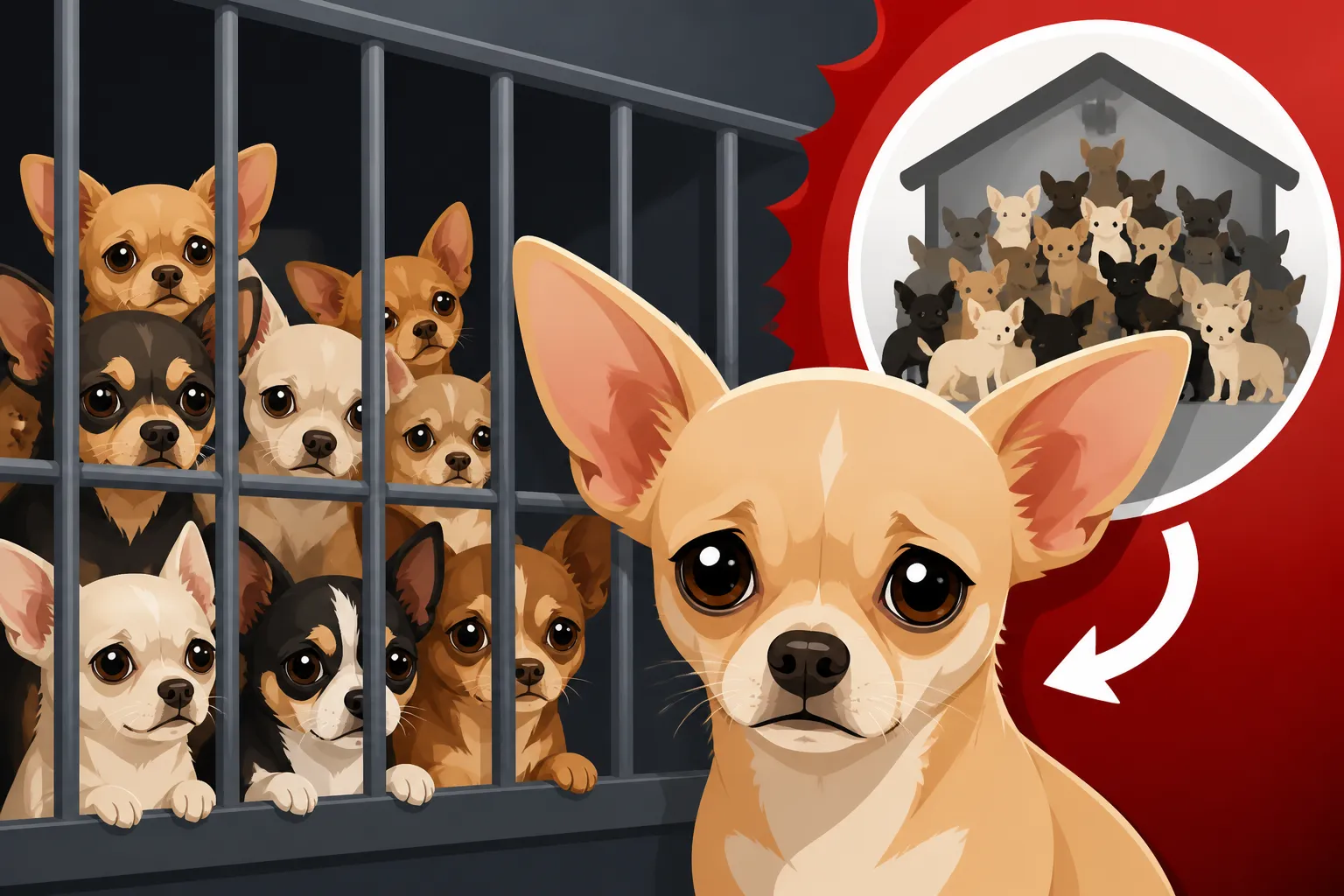
Chihuahua Overpopulation in American Shelters
It's a disheartening sight: rows and rows of tiny, shivering Chihuahuas staring out from shelter kennels. Many people are surprised to learn that these adorable little dogs, often seen as pampered lapdogs, are among the most overrepresented breeds in American animal shelters. This guide delves deep into the complex reasons behind Chihuahua Overpopulation in American Shelters, from their rise in popularity to the unique challenges their small size presents for unprepared owners, and what we, as a community, can do to make a difference.
The Surprising Reality: Why So Many Chihuahuas Are Homeless
When you picture a shelter dog, your mind might jump to larger breeds, perhaps a stray pit bull or a neglected German Shepherd. But the truth is, Chihuahuas, and toy breeds in general, are flooding shelters across the country. This isn't just a regional problem; it's a nationwide phenomenon that stems from a confluence of factors, many of them rooted in human perception and misunderstanding of the breed.
The 'Cute' Factor and Impulse Buys
There’s no denying it: Chihuahua puppies are undeniably cute. Their big eyes, tiny bodies, and playful antics can melt anyone's heart, leading to many impulse purchases. People often see them in movies, commercials, or with celebrities, and instantly decide they want one without fully understanding the commitment involved. This "must-have" mentality, fueled by easy access through online sellers, pet stores, and even backyard breeders, often overlooks the practical realities of owning such a specific breed. The sheer demand for these tiny pups, especially those marketed as "teacups" (which isn't a recognized breed size, by the way), can lead to rapid breeding without proper health screening or consideration for the long-term well-being of the dogs.
This impulsive decision-making often means owners aren't prepared for the realities of Chihuahua ownership. They might not research the breed's needs, temperament, or potential health issues. When the cute puppy grows into an adult dog with typical breed behaviors, or when unexpected medical costs arise, the initial infatuation can quickly fade. The romanticized image of a perfectly behaved, silent lap accessory clashes with the reality of a living, breathing creature with needs, leading to frustration and, sadly, surrender.
Misconceptions About Toy Breed Care
Many people assume that a small dog means less work, and this couldn't be further from the truth for Chihuahuas. Their compact size often leads to the misconception that they don't require much exercise, training, or mental stimulation. Owners might believe they can simply carry their Chihuahua everywhere, neglecting crucial Training a Chihuahua Exactly Like a Big Dog or proper socialization opportunities. This can foster behavioral issues that are then blamed on the dog, rather than the lack of appropriate care and boundaries.
Moreover, the physical fragility of Chihuahuas is often underestimated. They are delicate creatures susceptible to injuries from falls, rough handling, or encounters with larger dogs. Owners might not realize the importance of Harnesses That Spare a Chihuahua Windpipe instead of collars, or the need for ramps and steps to protect their tiny joints. When these issues inevitably arise, some owners are simply overwhelmed, leading them to seek relief at a shelter. The convenience of a small dog quickly turns into a complex responsibility they didn't anticipate.
The Legacy of Popularity: Breeders and Backyard Operations
The sheer popularity of Chihuahuas over the past few decades has created a booming market, attracting both responsible, ethical breeders and a significant number of backyard breeders and puppy mills. While reputable breeders strive to produce healthy, well-socialized puppies and offer lifelong support, backyard operations often prioritize profit over animal welfare. These breeders may skimp on crucial health screenings, adequate nutrition, and proper socialization for their puppies and breeding dogs.
The consequence of this unchecked breeding is a flood of Chihuahuas, many with genetic health predispositions or behavioral tendencies due to poor early-life experiences, entering the pet market. When these dogs inevitably face health crises or behavioral issues, their owners, often ill-equipped to handle the challenges, are left with few options. This cycle contributes directly to the high number of Chihuahuas in shelters, as dogs from these less-than-ideal origins are more likely to be surrendered when problems arise.
Common Reasons Chihuahuas End Up in Shelters
It’s never a single, simple reason that leads a dog to a shelter. Often, it's a culmination of factors, a perfect storm of unmet expectations, unforeseen circumstances, and a lack of preparedness on the part of the owner. Understanding these common triggers can help us, as a community, address the root causes of Why Chihuahuas Fill American Shelters.
Behavioral Challenges Owners Weren't Prepared For
Chihuahuas, despite their small stature, have big personalities, and sometimes, big behavioral challenges. Many owners, expecting a docile lap warmer, are surprised by a dog that exhibits fear-based reactivity, excessive barking, or even aggression. Issues like Small Dog Syndrome and Why It Is Not Genetic often develop when owners treat their Chihuahuas differently than they would a larger dog, excusing behaviors that would be unacceptable in a Golden Retriever. This can manifest as nipping at strangers, growling at other dogs, or constant yapping, making the dog difficult to live with.
House training, too, can be a persistent challenge. Chihuahuas have tiny bladders, and if not consistently taken out (or provided with an indoor potty option), accidents are frequent. Owners can become frustrated with House Training a Chihuahua With a Tiny Bladder, especially if they live in an apartment or in a climate where outdoor potty breaks are difficult in winter. When these behavioral issues aren't addressed with consistent training, patience, and sometimes professional help, they can become overwhelming, leading owners to believe their only option is surrender.
Unforeseen Health Issues and Financial Strain
Chihuahuas, like all breeds, are prone to certain health conditions that can be costly to manage. Chihuahua Dental Bills as the Biggest Recurring Cost are a prime example. Their crowded little mouths are highly susceptible to dental disease, often requiring annual cleanings and extractions starting at a young age. Without diligent daily brushing and regular veterinary care, these issues can quickly escalate into painful infections and tooth loss, demanding expensive interventions.
Beyond dental care, conditions like patellar luxation (slipping kneecaps), Collapsing Trachea and the Chihuahua Honking Cough, or heart conditions like Chihuahua Heart Disease as the Breed Ages can emerge. When a Chihuahua develops a chronic condition or requires an emergency surgery, the financial burden can be immense. For owners who haven't budgeted for these potential expenses, or who lack adequate pet insurance, the cost of veterinary care can become unsustainable, leading to the heartbreaking decision to surrender their beloved pet, hoping a shelter can provide the necessary medical attention.
Life Changes: Moving, Allergies, or New Family Members
Life is unpredictable, and sometimes circumstances change in ways that make keeping a pet difficult, regardless of how much an owner loves their Chihuahua. Moving to a new home that doesn't allow pets, especially smaller breeds which can sometimes be overlooked in rental agreements, is a common reason for surrender. Landlords, unfortunately, don't always waive deposits for toy dogs. Similarly, unexpected job loss or financial hardship can make even the modest The Monthly Cost of Keeping a Chihuahua feel insurmountable.
New additions to the family, such as a baby or a partner who is allergic, can also lead to tough decisions. While Chihuahuas can often adapt, their delicate nature means they might not be the best fit for rambunctious toddlers who don't understand gentle handling. Sometimes, a previously unknown allergy in a family member emerges, making cohabitation impossible. These are often the most heartbreaking surrenders, as owners are forced to part with their companions due to circumstances beyond their control, underscoring the need for careful consideration before bringing any pet into a home that might face such shifts.
The Impact of Overpopulation on Chihuahuas and Shelters
The sheer volume of Chihuahuas entering shelters creates a ripple effect, impacting not only the individual dogs but also the resources and morale of the dedicated people working to save them. It's a challenging situation that requires a multi-faceted approach to alleviate.
Overwhelmed Shelter Resources
Animal shelters, whether local municipal facilities or private humane societies, operate on finite budgets and limited space. When a specific breed, like the Chihuahua, experiences consistent overpopulation, it strains these resources significantly. More dogs mean more food, more medical attention, more staff hours for cleaning and care, and more enrichment to keep them mentally sound. This often leads to overcrowded kennels, which can elevate stress levels in already vulnerable animals.
Imagine a small, timid Chihuahua, used to a quiet home, suddenly thrust into a noisy, bustling shelter environment. It's terrifying. The pressure on staff to manage hundreds of animals, process adoptions, and care for those with medical needs becomes immense. This situation also makes it harder for shelters to dedicate individualized attention to each Chihuahua, which is crucial for helping them decompress and showcase their true personalities to potential adopters. Many shelters partner with retailers like Chewy to get donations of food and supplies, but even that can't fully alleviate the constant demand created by overpopulation.
The Emotional Toll on the Dogs
For a breed often described as deeply bonded and sensitive, the shelter environment can be incredibly traumatic. Chihuahuas thrive on human companionship and stability. Being suddenly uprooted from their familiar home, separated from their person, and placed in a strange, loud kennel can be devastating. Many Chihuahuas become withdrawn, fearful, or even develop new behavioral issues as a coping mechanism. This stress can manifest as excessive barking, trembling, or even aggression, making them appear less adoptable.
It's a vicious cycle: stress makes them less appealing, leading to longer stays in the shelter, which in turn increases their stress. For a breed that can live Chihuahua Lifespan and Why the Breed Reaches Sixteen, a long stay in a shelter can feel like an eternity, eroding their spirit. This isn't just about physical survival; it's about their mental and emotional well-being, which is often severely compromised by the experience of homelessness. They need extra patience and understanding from shelter staff and volunteers, resources that are stretched thin by the sheer numbers.
Challenges in Rehoming: Breed Stereotypes
Despite their charm, Chihuahuas unfortunately come with certain breed stereotypes that can make rehoming them challenging. Some people view them as "yappy," "nippy," or "nervous" dogs, overlooking the individual personalities and potential for loving companionship that each one possesses. The persistent image of a Chihuahua as a fashion accessory rather than a dedicated companion can also deter serious adopters looking for a true family member.
Furthermore, the very issues that often lead to their surrender – such as house training setbacks or reactivity – can make them harder to adopt. Potential owners might be hesitant to take on a dog with known behavioral quirks, even if those quirks are correctable with time and training. It requires a special kind of adopter, one willing to invest patience, effort, and understanding, to see past the initial challenges and discover the loyal, affectionate dog beneath. Shelters work hard to break down these stereotypes and showcase the true nature of each Chihuahua, but it's an uphill battle against deeply ingrained perceptions.
What You Can Do to Help: Adoption, Fostering, and Support
The good news is that we, as animal lovers and Chihuahua enthusiasts, have the power to make a real difference in the lives of these small dogs. There are concrete steps we can take to help alleviate the burden on shelters and provide loving homes for Chihuahuas in need.
Choosing Adoption Over Purchasing
The single most impactful action you can take is to choose adoption when you're ready to welcome a Chihuahua into your home. Instead of buying from a breeder or pet store, where you might inadvertently support puppy mills, look to your local animal shelters and breed-specific rescues. These organizations are overflowing with Chihuahuas of all ages, colors, and personalities, each desperately waiting for a second chance. Adopting a Chihuahua From a Shelter not only saves a life but also frees up valuable space for another dog in need.
When you adopt, you're not just getting a dog; you're getting a pet that has often been vet-checked, spayed or neutered, and microchipped. Many shelters and rescues also provide extensive information about the dog's known history and temperament, helping ensure a good match. Plus, the adoption fees are generally much lower than purchasing from a breeder, and they directly support the critical work shelters do. You might even find an adult Chihuahua that's already house-trained and past the challenging puppy phase, offering an immediate companion.
Fostering a Chihuahua in Need
If you're not ready for a long-term commitment but have a little extra room in your heart and home, consider becoming a foster parent. Fostering a Chihuahua is a truly heroic act that directly saves lives. When you foster, you provide a temporary, loving home for a dog, allowing them to decompress from the stress of the shelter environment. This "break" can dramatically improve a Chihuahua's behavior and health, making them much more adoptable. It also opens up a kennel space in the shelter for another animal, essentially saving two lives.
Foster programs typically cover all necessary expenses, like food and veterinary care (though you might still want to purchase special treats or toys, perhaps from Chewy, for your foster pup). Your role is to provide a safe, nurturing environment, consistent feeding, potty breaks, and basic socialization. It's an incredible opportunity to learn about the breed, experience the joy of companionship, and play a direct role in a dog's journey to their forever home. Many foster parents find it so rewarding that they continue to foster for years, providing a crucial bridge for countless Chihuahuas.
Supporting Shelters and Rescues
Even if you can't adopt or foster, there are countless ways to support the organizations on the front lines of Chihuahua overpopulation. Financial donations are always critical, helping shelters cover the enormous costs of food, medical care, and facility maintenance. Just a small contribution can make a big difference in ensuring a Chihuahua gets the care it needs.
Volunteering your time is another invaluable contribution. Whether it's walking dogs, cleaning kennels, helping with adoption events, or even assisting with administrative tasks, every hour helps. You could also donate supplies – blankets, toys, food (always check what brands they accept!), or even old towels are often greatly appreciated. Spreading awareness about the issue, educating friends and family about responsible pet ownership, and sharing adoptable Chihuahuas on social media are also powerful ways to contribute. Remember, these organizations are often run by passionate individuals, and every bit of help, big or small, makes their challenging work a little easier.
Responsible Chihuahua Ownership: Preventing Future Overpopulation
The ultimate solution to Chihuahua overpopulation lies in responsible ownership. By making informed decisions and committing to the long-term care of these wonderful dogs, we can prevent future generations from ending up in shelters.
Thorough Research Before Bringing a Chihuahua Home
Before you even think about getting a Chihuahua, do your homework. Seriously, I can't stress this enough! Understand their unique needs, potential health issues, and typical temperament. Ask yourself tough questions: Do I have the time for consistent training? Can I commit to daily tooth brushing and regular vet visits, including potential costs for conditions like Chihuahua Dental Disease in a Crowded Small Jaw? Does my lifestyle truly suit a small, sensitive dog that thrives on companionship and can be prone to shivering in cold weather?
Research reputable breeders if you're set on a puppy, ensuring they conduct appropriate health screenings like The Health Tests a Chihuahua Breeder Should Run for patellar luxation and cardiac issues. Better yet, explore local rescues and shelters, like those listed on Petfinder or Adoptapet, to find a Chihuahua looking for a home. Make sure you understand What You Pay for a Chihuahua and What Sets It across different sources, and remember that a cheap price can often hide future expensive problems. A well-informed decision upfront is the best way to ensure a lifelong, happy partnership and prevent future surrender.
Prioritizing Training and Socialization
A well-adjusted Chihuahua is a joy to live with, and that comes from consistent training and proper socialization, starting from a young age. Don't fall into the trap of thinking a small dog doesn't need training; they absolutely do! Enroll in puppy classes that emphasize positive reinforcement and focus on The Commands Every Chihuahua Should Know. Expose your Chihuahua to a variety of sights, sounds, people, and safe, appropriate dog encounters to build their confidence and prevent fear-based behaviors.
This also means setting clear boundaries and not allowing "small dog syndrome" behaviors to take root. If your Chihuahua growls at guests, address it with positive training, rather than simply picking them up. Teach them to walk politely on a harness, rather than always carrying them, which can inhibit their ability to explore and build confidence. Companies like Chewy offer a wide range of training treats and appropriate harnesses to help you on this journey. Remember, a confident, well-behaved Chihuahua is far less likely to face behavioral issues that lead to surrender.
Spaying and Neutering Your Chihuahua
Perhaps the most crucial step in preventing overpopulation is spaying or neutering your Chihuahua. This simple surgical procedure prevents unwanted litters, directly reducing the number of puppies born without homes. Every year, millions of unwanted animals enter shelters, and a significant portion of these are the offspring of pets that were not spayed or neutered. Even if you think you can find homes for a litter of puppies, you're taking away potential homes from the Chihuahuas already waiting in shelters.
Beyond population control, spaying and neutering offer significant health and behavioral benefits for your Chihuahua. Spaying can prevent mammary cancer and uterine infections in females, while neutering can reduce the risk of testicular cancer and prostate problems in males, as well as curbing marking behaviors and aggression. Consult your veterinarian for the appropriate Spay Timing for a Chihuahua Under Six Pounds, as toy breeds sometimes have different recommendations. It's a responsible choice that contributes to a healthier, happier life for your individual dog and for the breed as a whole.
| Action Item | Description | Impact on Overpopulation |
|---|---|---|
| Adopt Don't Shop | Choose a Chihuahua from a shelter or rescue group instead of buying from a breeder or pet store. | Directly reduces demand for commercially bred puppies; frees up shelter space. |
| Foster a Chihuahua | Provide a temporary home for a Chihuahua, helping them decompress and become more adoptable. | Opens up kennel space; improves dog's chances of finding a forever home. |
| Spay/Neuter | Have your Chihuahua surgically altered to prevent unwanted litters. | Prevents new litters from contributing to population; offers health benefits. |
| Educate & Advocate | Share information about responsible ownership, spay/neuter importance, and adoptable Chihuahuas. | Raises awareness; encourages responsible choices in others. |
| Volunteer Time | Assist local shelters with dog walking, cleaning, adoption events, or administrative tasks. | Supports shelter operations, allowing them to care for more Chihuahuas. |
| Donate Supplies/Funds | Provide financial contributions or donate needed items like food, blankets, or toys. | Directly funds care for Chihuahuas in the shelter system. |
| Commit to Training | Invest time in consistent positive reinforcement training and socialization. | Prevents behavioral issues that are common reasons for surrender. |
| Plan for Costs | Budget for regular vet care, potential health issues, and daily needs like quality food. | Reduces likelihood of surrender due to unforeseen financial strain. |
Disclaimer
This article is for general informational purposes only and does not constitute professional advice. Laws, prices and regulations vary by location and change over time. Consult a qualified professional for guidance on your specific situation.