Whether Coat Type Changes Chihuahua Temperament
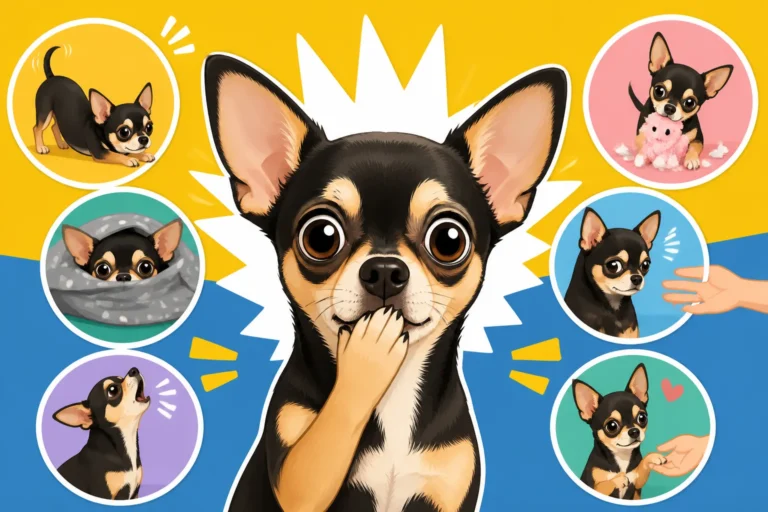
It's a common question that pops up in Chihuahua circles: does the length or texture of a Chihuahua's fur actually dictate their personality? Many owners swear their long-haired Chihuahuas are calmer, or that smooth-coats are feistier. But in reality, your Chihuahua's coat type—whether they're a sleek smooth-coat or a flowing long-coat—has absolutely no bearing on their core temperament. This guide will help you understand why this myth persists and what truly shapes your pint-sized companion's character.
Demystifying Chihuahua Coat Types: Appearance, Not Personality
When you first meet a Chihuahua, one of the most striking differences you'll notice right away is their coat. They come in two distinct varieties, both recognized by breed standards, and both equally charming. However, these physical attributes are purely aesthetic and don't delve into the complex world of canine psychology. The genetic code that determines coat length and texture is entirely separate from the genes influencing behavioral traits.
The Sleek and Easygoing Smooth Coat
The smooth-coat Chihuahua is probably what most people picture when they think of the breed. They sport a short, glossy coat that lies close to their body, often feeling incredibly soft to the touch. This coat is low-maintenance in terms of grooming, requiring only occasional brushing to keep it looking its best and to manage shedding. You'll find that their compact, almost toy-like appearance, combined with their sometimes bolder demeanor, might lead some to perceive them as being more "terrier-like" or assertive. This perception, however, is purely human interpretation. Their energetic bursts and confident trot have nothing to do with the fact that they don't have flowing locks. It's simply their individual spirit shining through, a spirit that could just as easily reside in a long-coated counterpart. Think of them as the streamlined athletes of the Chihuahua world – ready for action with minimal fuss.
The Elegant and Feathered Long Coat
Then we have the magnificent long-coat Chihuahua, a vision of elegance with their flowing tresses, often sporting feathering on their ears, legs, and tail. This coat can range from a soft wave to a straight, silky drape, developing fully over the first year or two of their life. The Ruff and Feathering on a Long Coat Chihuahua is a distinctive feature. Many people find these Chihuahuas to have a more delicate or refined appearance, which can sometimes lead to an assumption that they are naturally more docile or quiet. Owners might unconsciously treat them more gently, or perhaps keep them from rough-and-tumble play to protect their beautiful coats. This difference in handling and exposure, rather than the coat itself, can sometimes shape a dog's behavior. A long-coat might need more diligent brushing, often daily, especially around their feathery parts, which can be found in abundance at stores like Chewy. This extra grooming time can also create a different kind of bond or routine compared to a smooth-coat, but it doesn't fundamentally alter the dog's inherent personality.
The True Roots of Chihuahua Temperament: Genetics and Early Life
Instead of coat type, the real determinants of a Chihuahua's temperament lie in a complex interplay of genetics, early life experiences, and ongoing socialization. These factors are universal across all dog breeds and are far more influential than a simple aesthetic trait like fur length. Understanding these true influences helps owners cultivate a well-adjusted and happy companion, regardless of their sartorial choices.
What the Breed Standard Says About Character
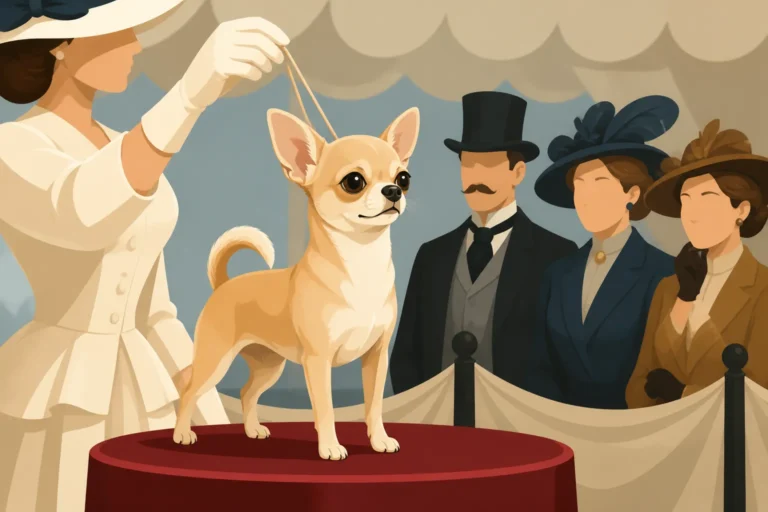
The official breed standard for the Chihuahua, as recognized by major kennel clubs, focuses heavily on character and temperament, without ever mentioning coat type as a differentiator for personality. Chihuahua Temperament and What the Standard Asks For describes the ideal Chihuahua as a "graceful, alert, swift-moving compact dog with saucy expression." They are noted for their "terrier-like qualities" of alertness, observation, and liveliness. This means that a well-bred Chihuahua, whether smooth or long-coated, should exhibit these core traits. A reputable breeder will focus on breeding for sound temperament, health, and conformation to the standard, not for a "calmer long-coat" or a "feisty smooth-coat." These are inherent breed characteristics passed down through generations, shaped by careful breeding choices, not by the length of their hair. A Chihuahua's genetic predisposition to be bold, reserved, playful, or cuddly is already hardwired before they even grow their first full coat.
How Early Experiences Shape a Chihuahua's Worldview
Beyond genetics, a Chihuahua's temperament is profoundly shaped by their experiences during critical developmental periods, especially from birth through their first few months of life. This includes everything from the environment they are raised in as puppies to the way they are handled and socialized. A puppy raised in a chaotic, unsocialized environment, regardless of coat type, is far more likely to develop fear-based behaviors or anxiety. Conversely, a puppy exposed to a variety of sights, sounds, people, and other well-behaved animals in a positive way will generally grow into a more confident and adaptable adult. This vital period of socialization is when a Chihuahua learns about the world and how to react to it. If a long-coat puppy is routinely kept sheltered and not exposed to new stimuli, it might appear shyer, but that's due to lack of exposure, not its fur. Similarly, an overly indulged smooth-coat who isn't taught boundaries might seem bossy, but that's a learned behavior, not a coat-linked trait. The Chihuahua Puppy Curriculum Month by Month is crucial for all Chihuahuas.
Unpacking the Myth: Why Coat Type Seems to Matter
If coat type truly doesn't affect temperament, why do so many people believe it does? The answer often lies in subtle human biases, perceived differences in care, and how these factors indirectly influence our interaction with our dogs. It's less about the dog's inherent nature and more about how we, as owners, respond to their appearance.
The Unconscious Bias of Human Perception
It’s an interesting quirk of human psychology: we often project personalities onto animals based on their appearance. A fluffy, long-haired dog might be seen as more "sweet" or "fragile," while a short-haired, more compact dog might be seen as "tougher" or "more spirited." These are stereotypes, of course, but they can unconsciously influence how we interact with our Chihuahuas. For example, an owner might be more inclined to pick up a long-coat Chihuahua at the first sign of a larger dog approaching, thinking they're protecting their delicate pet. This repeated behavior, while well-intentioned, can inadvertently teach the dog to be fearful or dependent, rather than building confidence. This isn't because the long-coat is inherently more nervous; it's because the owner's actions reinforced that behavior. Similarly, a smooth-coat might be left to "tough it out" more often, leading to a seemingly bolder dog, but again, this is a result of interaction patterns, not coat-related genetics. This bias can influence everything from how much we cuddle our dogs to how much exposure we give them to new situations.
The Practical Impact of Grooming Needs and Activity Levels
While coat type doesn't affect temperament, it certainly affects grooming requirements, and these routines can indirectly impact a Chihuahua's behavior. Smooth Coat and Long Coat Chihuahua Grooming is a good read. A long-coat Chihuahua needs regular, often daily, brushing to prevent mats and tangles. This dedicated time can foster a very close bond between owner and dog. If this grooming is a positive experience, it can contribute to a calmer, more comfortable dog who is used to being handled. However, if grooming is neglected or unpleasant, it can lead to anxiety or fear of being handled. Smooth-coat Chihuahuas, with their minimal grooming needs, might not get the same consistent, close-contact interaction, though they still benefit immensely from regular physical affection.
Furthermore, a long-coat's extensive fur might make some owners hesitant to take them on adventurous outings, fearing their coat will get dirty or tangled. This might limit a dog's exposure to new environments or activities, potentially leading to a less socialized or more cautious dog. Conversely, a smooth-coat might be seen as "easier" to clean up, encouraging owners to take them more places, thus inadvertently fostering a more outgoing personality. The bottom line is that any behavioral differences observed are a consequence of the human response to the coat type and its maintenance, not a direct genetic link between fur and personality. You can find a wide array of brushes and combs for both coat types at Chewy, helping to make grooming a positive experience.
Cultivating a Well-Adjusted Chihuahua: Beyond the Fur
Understanding that coat type is just a cosmetic detail frees us to focus on the truly important aspects of raising a well-adjusted Chihuahua. Instead of looking at their fur, we should concentrate on their individual needs, consistent training, and providing a safe, enriching environment. This proactive approach will yield far greater results in shaping a confident and happy dog.
Prioritizing Consistent Socialization and Training
For any Chihuahua, regardless of coat, consistent socialization and positive reinforcement training are paramount. Starting early, during puppyhood, is key. Expose your Chihuahua to a variety of people, sights, sounds, and other friendly, vaccinated dogs. Ensure these experiences are positive and not overwhelming. Socialization That Does Not Flood a Chihuahua means starting small and gradually increasing exposure. Take your smooth-coat to a bustling park for short periods, letting them observe safely from your arms or a carrier, then slowly introducing them to calm interactions on the ground. For your long-coat, make sure grooming sessions are positive, and also introduce them to new places.
Training should be consistent and based on positive reinforcement. Chihuahuas are intelligent and can learn a vast array of commands and tricks. Training a Chihuahua Exactly Like a Big Dog emphasizes treating them with the same respect and expectations you would a larger breed. This builds confidence and a strong bond, mitigating common issues like Chihuahua Fear Reactivity, the Breed's Real Problem. A well-trained Chihuahua, whether long or smooth-coated, is a joy to live with. They learn to trust their owner and navigate the world with greater ease, reducing anxiety and reactivity.
Nurturing Health and a Stable Environment
A healthy dog is a happy dog, and physical well-being plays a huge role in temperament. Regular veterinary check-ups are essential, as discomfort or pain can manifest as behavioral issues. For instance, a Chihuahua with undiagnosed joint pain might become snappy or withdrawn, leading an owner to mistakenly attribute it to their inherent temperament rather than an underlying health issue. Proper nutrition, tailored to their tiny size and calorie needs, is also vital for overall health and energy levels. Many quality dog foods, often available from Chewy, offer formulations specifically for small breeds.
Finally, providing a stable, predictable, and loving home environment is crucial. Chihuahuas thrive on routine and feeling secure. This means a safe space they can retreat to, consistent daily schedules for feeding and potty breaks, and plenty of positive attention. While they might be small, they need clear boundaries and consistent expectations. A Chihuahua who feels secure in their home and with their family, regardless of whether they have short or long hair, will be far more likely to exhibit the confident, affectionate, and spirited personality that makes this breed so beloved.
| Feature | Smooth Coat Chihuahua | Long Coat Chihuahua | Temperament Impact |
|---|---|---|---|
| Appearance | Short, sleek, glossy coat | Long, soft, often wavy coat | None |
| Grooming Needs | Low; occasional brushing | High; daily brushing, more prone to mats | Indirectly influences owner interaction/routines, not core temperament |
| Shedding | Moderate, year-round | Moderate, tends to be seasonal | None |
| Perceived Trait | Often seen as bolder, more "terrier-like" | Often seen as delicate, calmer | Perception, not reality |
| Actual Temperament | Varies by individual, genetics, socialization | Varies by individual, genetics, socialization | None |
Disclaimer
This article is for general informational purposes only and does not constitute professional advice. Laws, prices and regulations vary by location and change over time. Consult a qualified professional for guidance on your specific situation.