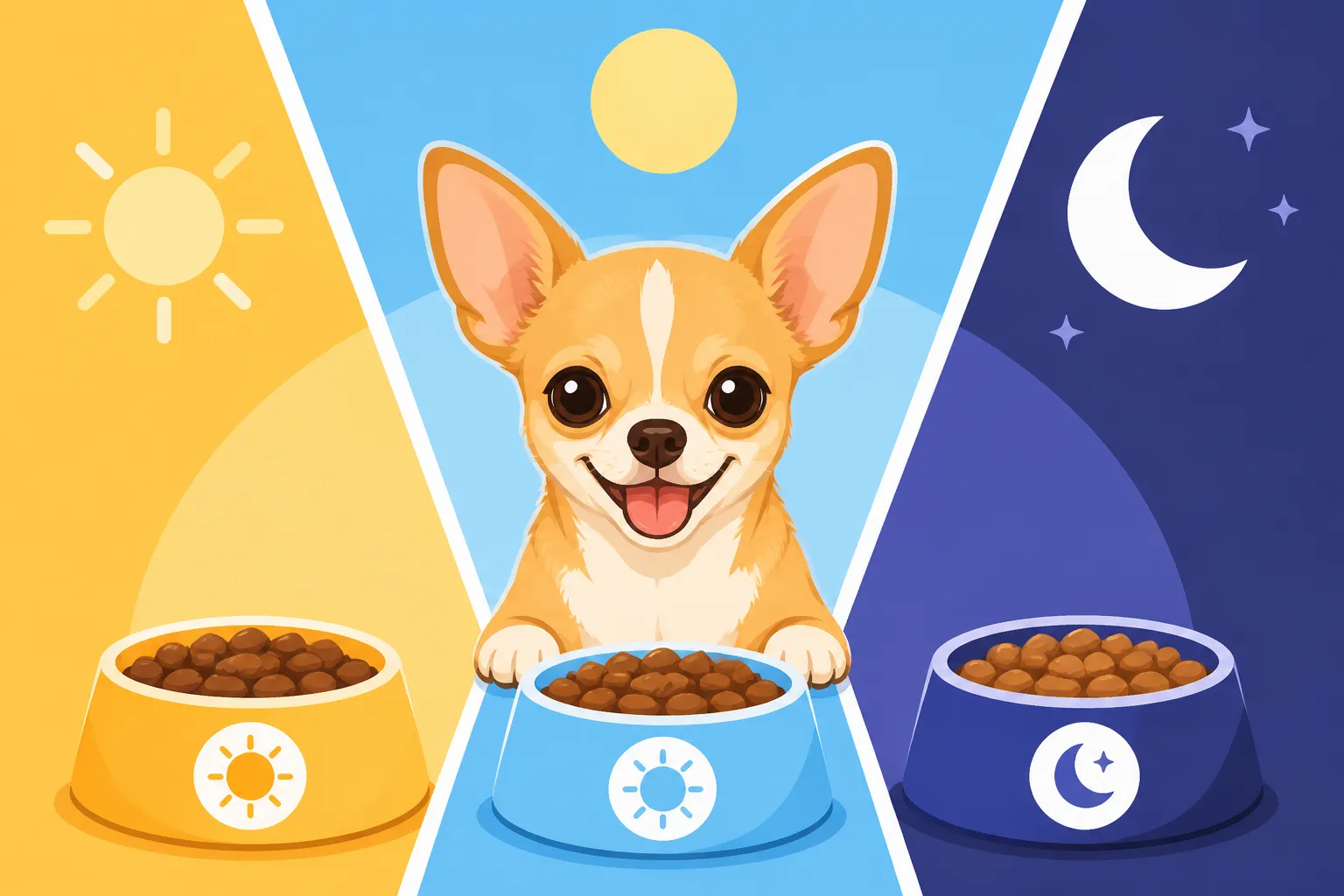
Three Small Meals a Day for a Chihuahua
One of the most common worries new Chihuahua parents face is the sheer fragility of their tiny puppies, especially when it comes to keeping their blood sugar stable. Many owners struggle to find a feeding routine that prevents those scary drops in energy, but the good news is that a simple switch to three small meals a day can make all the difference, creating a consistent energy supply that helps your little one thrive.
Why Small, Frequent Meals Are Crucial for Your Chihuahua
It’s easy to look at a Chihuahua and think, "Oh, they just need a little bit of food, maybe twice a day like a bigger dog." But that mindset can actually put your tiny companion at risk. Chihuahuas aren’t just miniature versions of larger breeds; their metabolism and physiology are distinctly different, and understanding these differences is key to preventing serious health issues like hypoglycemia, especially in puppies.
The Tiny Metabolism and Rapid Sugar Drop
Think about how fast a Chihuahua can go from a bundle of zoomies to a shivering, lethargic little lump. Their tiny bodies, often weighing between two and six pounds, have an incredibly fast metabolism. They burn through calories and, more importantly, blood sugar, at an astonishing rate. Unlike a Labrador, which has large reserves and a slower burn, a Chihuahua can deplete its glucose stores in just a few hours if not fed regularly. This rapid depletion leads to hypoglycemia, where blood sugar levels drop dangerously low. This isn't just about feeling a bit hungry; it can cause weakness, disorientation, tremors, and in severe cases, seizures and even unconsciousness. It's a truly frightening experience for any Chihuahua owner, and one that frequent meals can largely prevent. If you've ever seen a puppy suddenly collapse, it might be due to this exact issue. You can read more about Chihuahua Hypoglycemia and the Puppy Emergency.
Stabilizing Blood Sugar Throughout the Day
The goal of a three-meal-a-day schedule is to create a consistent, gentle flow of energy into your Chihuahua's system. Instead of big gaps where blood sugar can plummet, you're providing smaller, digestible portions more often. Imagine it like a slow drip compared to a sudden gush – much more stable and easy for their tiny bodies to manage. This constant fueling helps maintain steady glucose levels, preventing those dramatic peaks and valleys that can lead to health problems. It's particularly important for young puppies, who are especially vulnerable to sugar crashes. As they grow, their bodies become a bit more resilient, but the principle of consistent input remains vital for overall health and energy.
Avoiding the "Hangry" Chihuahua Trap
Let's be honest, we've all been "hangry" at some point, right? That irritable, short-tempered feeling that comes with an empty stomach. Chihuahuas can absolutely experience this, but for them, it's not just a mood swing; it can contribute to behavioral issues. A hungry Chihuahua might become more prone to barking, nipping, or exhibiting anxiety, especially around meal times. If they associate hunger with discomfort, it can heighten their reactivity. By feeding them three smaller meals, you're not just nourishing their bodies, but also calming their minds. They learn that food will come regularly, reducing anxiety around meal times and helping them feel more secure and content throughout the day. This can also help prevent resource guarding if they aren't feeling desperately hungry when food finally appears.
How to Implement a Three-Meal-a-Day Schedule
Switching to a three-meal-a-day routine isn't complicated, but it does require a bit of consistency and attention to detail. The good news is that once you get into the rhythm, it becomes second nature, and your Chihuahua will thank you for it with stable energy and a happy disposition.
Portioning for Precision
This is where many owners unintentionally go wrong. Eyeballing a tiny portion for a Chihuahua is almost impossible to do accurately. A single kibble or two can make a significant difference in their caloric intake. For a breed that often weighs less than six pounds, a few extra pieces of kibble can lead to weight gain, and too few can lead to hunger and low blood sugar. This is why a kitchen scale is your absolute best friend. Seriously, it's a game-changer. Don't rely on measuring cups; they are simply too imprecise for such small amounts. You want to know exactly How Many Calories a Six Pound Chihuahua Needs and then divide that daily amount into three equal portions. For example, if your vet recommends 150 calories a day, that's 50 calories per meal. Then, use your scale to weigh out the exact grams of food that equal 50 calories for your chosen kibble. Many quality dog food brands list the caloric content per cup or per gram on their packaging, making this calculation easier. You can usually find a good, affordable kitchen scale on Amazon or Chewy. This precision ensures your Chihuahua gets exactly what they need, not too much and not too little, at each meal.
| Meal Time | Typical Schedule | Purpose | Key Considerations |
|---|---|---|---|
| Morning | 7:00 AM – 8:00 AM | Replenish overnight fast, energize for the day | Offer after morning potty break, before vigorous play |
| Mid-day | 12:00 PM – 1:00 PM | Maintain stable blood sugar through active hours | Helps prevent mid-afternoon energy dips |
| Evening | 5:00 PM – 6:00 PM | Provide sustenance until morning, prevent overnight hypoglycemia | Do not feed too close to bedtime to avoid nighttime potty breaks |
Choosing the Right Food Type and Kibble Size
The type of food you choose matters, too. High-quality dog food, whether it's kibble, wet food, or fresh-prepared, is essential. Look for brands with real meat as the first ingredient and a balanced nutritional profile. When it comes to kibble, size is incredibly important for Chihuahuas. Their tiny mouths and often crowded jaws (a common Chihuahua issue, as discussed in Chihuahua Dental Disease in a Crowded Small Jaw) mean they need very small kibble that they can easily pick up and chew. Many brands offer "small breed" or "toy breed" formulas specifically designed with tiny kibble pieces. Some Chihuahuas might also benefit from wet food or rehydrated fresh food, as it's often easier to chew and can be highly palatable. Brands like Ollie often offer pre-portioned, fresh food options that can be great for ensuring calorie accuracy and providing easily digestible meals, and you can find many excellent small-breed kibbles on Chewy.
Meal Timing and Nighttime Considerations
The beauty of three meals is that you can space them out relatively evenly throughout your day, creating a routine that both you and your Chihuahua can stick to. For example, if you wake up at 7 AM, you could feed at 7:30 AM, 12:30 PM, and 5:30 PM. The last meal of the day is particularly important for Chihuahuas to help prevent overnight hypoglycemia. Feeding them a small meal a few hours before bedtime ensures their blood sugar stays steady while they sleep. Avoid feeding right before bed, as this can lead to nighttime potty accidents, which defeats the purpose of house training. If your Chihuahua is still a young puppy, they might need even more frequent feedings, perhaps four times a day, especially in their first few weeks at home. You can read more about Feeding a Chihuahua Puppy Every Few Hours. Establishing a clear feeding routine helps their internal clock and makes house training much easier, as you can predict when they'll need to go outside.
Common Pitfalls and Troubleshooting
Even with the best intentions, implementing a new feeding routine can sometimes present challenges. It's okay if it's not perfect from day one; the key is to be observant, patient, and willing to adjust.
Dealing with a Picky Eater
Some Chihuahuas are notoriously picky eaters, which can make consistent feeding a headache. If your Chihuahua turns their nose up at their food, resist the urge to immediately offer something else or free-feed. Leaving food down all day can lead to overeating or, paradoxically, them becoming even pickier, as they know something "better" might come along. Instead, offer the meal for 10-15 minutes. If they don't eat, pick it up and offer it again at the next scheduled mealtime. This teaches them that food is available at specific times, and if they don't eat it, it goes away. You can also try adding a tiny bit of low-sodium broth, a sprinkle of a food topper (like a freeze-dried meat crumble from Amazon or Chewy), or a small amount of wet food mixed in to make it more appealing. Consistency is vital here, and remember, a healthy dog won't starve themselves. If pickiness persists and your Chihuahua seems unwell, a vet visit is always a good idea to rule out any underlying health issues.
Balancing Meals with Treats and Training
For a tiny Chihuahua, treats add up fast! When you're feeding three carefully portioned meals, you need to account for any treats given throughout the day. Training is incredibly important for Chihuahuas, and treats are often a valuable tool. However, just like their meals, treats need to be small and purposeful. Break larger treats into pea-sized pieces. Use low-calorie options, and deduct the caloric value of treats from their daily meal portions if you're giving a lot. For example, if your training session uses 20 calories worth of treats, reduce one of their meals by that amount. This is another area where precision using a kitchen scale helps. If you're doing a lot of Three Minute Training Sessions With a Chihuahua, consider using a portion of their regular kibble as training rewards. This way, you're not adding extra calories, just redistributing them.
Adjusting for Activity Levels and Age
A young, energetic Chihuahua puppy will have different caloric needs than a sedentary senior Chihuahua. Similarly, a Chihuahua that enjoys long walks and playtime will burn more calories than one who prefers to nap on the sofa all day. Their feeding schedule needs to be flexible enough to accommodate these changes.
- Puppies: Young puppies, especially under six months, often need more calories per pound of body weight and more frequent meals (sometimes four times a day) to support their rapid growth and prevent Chihuahua Hypoglycemia in the First Twelve Weeks.
- Active Adults: If your adult Chihuahua is particularly active, you might need to slightly increase their overall daily caloric intake, distributed across those three meals.
- Senior Chihuahuas: As Chihuahuas age, their metabolism can slow down, and their activity levels might decrease. This means their caloric needs will likely drop. It's crucial to adjust their portions downwards to prevent obesity, which can exacerbate other health issues like Chihuahua Arthritis in the Teenage Years. Consult your vet about Feeding a Chihuahua Past the Age of Twelve and for advice on appropriate senior diets and portion sizes, as some senior foods have different caloric densities.
Observing your Chihuahua's body condition is key. You should be able to easily feel their ribs without them being visible, and they should have a discernible waist when viewed from above. If they're gaining or losing weight, it's time to re-evaluate their portions and possibly consult your veterinarian.
Implementing a three-small-meals-a-day schedule is one of the most proactive and beneficial things you can do for your Chihuahua's long-term health and well-being. It helps prevent serious health issues, stabilizes their energy, and contributes to a happier, more balanced temperament. It's a small adjustment that yields big rewards for your tiny companion.
Disclaimer
This article is for general informational purposes only and does not constitute professional advice. Laws, prices and regulations vary by location and change over time. Consult a qualified professional for guidance on your specific situation.