Whether a Chihuahua Can Learn Agility
It's a common sight: a tiny Chihuahua tucked safely in a handbag, or perhaps shivering delicately on a lap. Many people mistakenly believe these pint-sized companions are too fragile or simply not built for anything more strenuous than a leisurely stroll around the block. But if you've ever watched a Chihuahua tear across a living room with surprising speed and agility, you might start to wonder. The truth is, Chihuahuas are incredibly intelligent, surprisingly athletic, and absolutely capable of learning and excelling in activities like dog agility. This comprehensive guide will explore the often-underestimated potential of your Chihuahua for agility, how to get started safely, and the many benefits it can bring to their life and your bond.
The Chihuahua's Hidden Athleticism and Mental Drive
Forget the stereotypes for a moment. Chihuahuas aren't just cute accessories; they are dogs, through and through, with instincts, intelligence, and a drive to move and learn. Many owners are surprised by the sheer amount of energy and focus their small dogs can bring to a task when properly motivated.
Innate Traits That Make Chihuahuas Agility Stars
While they may not look like a Border Collie, Chihuahuas possess a unique blend of physical and mental attributes that can make them fantastic agility competitors. Their compact size is actually an advantage in many ways.
For one, Chihuahuas are surprisingly fast. Those little legs can really motor when they want to, and their low center of gravity allows for incredibly quick turns and changes in direction. Imagine a Chihuahua zipping through a tunnel or weaving through poles – their small stature allows them to navigate tight spaces with ease that might challenge a larger dog. They are also known for their keen intelligence and eagerness to please their favorite person. When you focus on positive reinforcement training, Chihuahuas often pick up new commands and sequences with remarkable speed. Their high prey drive, a remnant of their hunting heritage, can be channeled into a strong desire to chase a toy or reach a target, which is perfect for encouraging speed on the course. They thrive on having a job, and agility provides that mental and physical outlet beautifully.
Dispelling the "Fragile" Chihuahua Myth
One of the biggest hurdles many people perceive when thinking about Chihuahuas and agility is their perceived fragility. It's true they are small, and care must always be taken, but this doesn't mean they are made of glass. Responsible agility training for any dog, especially a small one, emphasizes safety above all else.
The key lies in understanding their limits and adapting the training environment. For instance, jumps can be set very low, tunnels can be shorter, and contact obstacles (like dog walks and A-frames) can have less steep inclines, or you can start with miniature versions. It's about building confidence and skill gradually, not forcing them into situations that are too challenging or risky. A thorough vet check before starting any strenuous activity is non-negotiable, especially to rule out common breed issues like Patellar Luxation, the Chihuahua's Commonest Joint Problem or Collapsing Trachea and the Chihuahua Honking Cough. With proper conditioning, appropriate equipment, and mindful training, Chihuahuas can build muscle, coordination, and stamina, far exceeding the "fragile" label.
Starting Your Chihuahua on the Agility Journey
Embarking on agility with your Chihuahua is an exciting adventure, but like any new skill, it requires a solid foundation and a structured approach. You wouldn't send a toddler to college, and you shouldn't expect your Chihuahua to tackle a full agility course without building up the necessary skills.
Foundational Obedience and Socialization
Before your Chihuahua even sniffs an agility tunnel, they need to have a strong grasp of basic obedience. Think of these commands as the building blocks for every agility skill. A reliable "stay," "come" (especially crucial if they run off-course!), "sit," "down," and a strong focus on you are paramount. Your Chihuahua needs to be able to work off-leash in a distracting environment, which is what an agility trial often becomes.
This is where treating your Chihuahua like a "real dog" and not a pampered baby comes into play. It's tempting to excuse unwanted behaviors in small dogs, leading to what some might call Small Dog Syndrome and Why It Is Not Genetic. But for agility, your dog needs to respond to you regardless of their size. Online training platforms like BAXTER & Bella offer excellent puppy and basic obedience programs that you can follow from the comfort of your home. These courses emphasize positive reinforcement and build a strong communication foundation, which is exactly what you'll need for agility. Beyond commands, good socialization is also vital. Agility classes and trials mean encountering other dogs, people, and novel environments. Socializing a Chihuahua Without Overwhelming It from a young age helps build their confidence and reduces fear-based reactivity, which could otherwise hinder their ability to perform.
Essential Equipment for Home Practice
You don't need a full-blown agility course in your backyard to get started. Many basic obstacles can be purchased or even DIY'd to practice foundational skills. This initial exposure at home helps your Chihuahua get comfortable with the equipment before moving to a busier class setting.
- Tunnels: Collapsible tunnels are fantastic for building confidence and drive. Start with short, straight tunnels, enticing your Chihuahua through with a treat or toy. You can find excellent, affordable options on Amazon that fold up for easy storage. Gradually increase the length and introduce gentle curves as your dog becomes more proficient.
- Jumps: Adjustable jumps are crucial. For Chihuahuas, you'll want to start with the bar practically on the ground, or even just walk them over the bottom pole initially. The goal is to build muscle memory and confidence without any risk of injury. Look for lightweight, plastic jumps that won't injure your dog if they accidentally knock them over.
- Weave Poles: This can be one of the most challenging obstacles but also incredibly rewarding. Start with fewer poles (2-3) and space them wide apart, guiding your Chihuahua through them. There are various training methods, from channel weaves to guiding gates, that can make learning easier for small dogs.
- Contact Boards: While you won't likely start with a full A-frame or dog walk, you can introduce low, flat platforms or planks for your Chihuahua to walk across, teaching them to pause at the "contact zones" (the colored areas at the beginning and end of the obstacle). This builds body awareness and prepares them for the full-sized equipment.
Remember, the goal of home practice is familiarity and fun. Keep sessions short, positive, and end on a high note.
Finding a Good Trainer or Program
While home practice is great for building initial skills, nothing beats the guidance of an experienced agility instructor. When looking for a class or private trainer, consider these points:
- Positive Reinforcement Focus: Agility should always be fun and confidence-building. A trainer who uses harsh corrections or fear-based methods will quickly diminish your Chihuahua's enthusiasm.
- Experience with Small Dogs: Agility for a Chihuahua differs from agility for a German Shepherd. A trainer who understands the unique needs, potential health concerns, and learning styles of toy breeds is invaluable. They'll know how to scale equipment appropriately and avoid overwhelming your tiny trainee.
- Class Structure and Size: Smaller class sizes often mean more individual attention. Observe a class before joining to see how dogs are managed, how the instructor interacts with teams, and if it feels like a safe, encouraging environment.
- Safety Protocols: Ask about health clearances required, warm-up routines, and how they prevent injuries. A good program will always prioritize your dog's well-being.
- Online Resources: If local classes are scarce, many excellent online agility resources and virtual coaches exist. Programs like those offered by BAXTER & Bella can help with the foundational obedience, which is often the biggest hurdle before joining an agility specific program. For actual agility, look for online academies specializing in small dog sports.
| Agility Obstacle | How it Benefits a Chihuahua | Safety Modifications for Small Dogs |
|---|---|---|
| Jumps | Builds hind-end strength, coordination, speed, and confidence. | Bar set very low (1-2 inches initially), lightweight PVC, wider jump bars to reduce visual pressure. |
| Tunnels | Develops speed, independence, and comfort in enclosed spaces. | Shorter tunnels (10-15 ft), wider diameter (24 inches), clear path with no sharp turns initially. |
| Weave Poles | Enhances body awareness, precise footwork, and handler focus. | Start with 2-3 widely spaced poles, use channel weaves or guiding wires, teach slowly and positively. |
| A-Frame / Dog Walk | Builds confidence on elevated surfaces, teaches contact zone targeting. | Very low height and gentle slope initially, non-slip surface, ensure solid construction, always use a leash for safety. |
| Teeter-Totter | Improves balance, trust, and response to movement. | Shorter board, lower pivot point, slower descent, ensure a soft landing area, handler support. |
Benefits Beyond the Ribbons for Your Agile Chihuahua
While the thought of competing and earning ribbons might be appealing, the true rewards of agility training for your Chihuahua go far beyond shiny trophies. It's a holistic activity that can profoundly impact their mental, physical, and emotional well-being.
Mental Stimulation and Confidence Boosting
Chihuahuas are sharp. They need mental engagement just as much as they need physical exercise. Agility provides an incredible outlet for their intelligent minds, challenging them to learn sequences, respond to cues, and problem-solve on the fly. This kind of mental workout is fantastic for preventing boredom, which can often lead to unwanted behaviors like excessive barking or destructive chewing.
For Chihuahuas who might be prone to nervousness or fear-based reactivity (a common breed trait, sometimes manifesting as Chihuahua Fear Reactivity, the Breed's Real Problem), agility can be a game-changer. Learning new skills and successfully navigating obstacles builds immense confidence. When they realize they can conquer a tunnel or fly over a jump, their self-assurance soars. This newfound bravery often translates into other areas of their life, making them more resilient in new situations or around unfamiliar people and dogs. It replaces apprehension with engagement and joy.
Physical Health and Weight Management
Despite their small size, Chihuahuas absolutely need regular exercise. Agility is a dynamic activity that provides a fantastic full-body workout. It builds muscle tone, improves cardiovascular health, and increases stamina. For a breed that can sometimes be prone to issues like Chihuahua Obesity on a Six Pound Frame, agility is an excellent way to keep them at a healthy weight.
The varied movements involved – jumping, running, weaving, climbing – engage different muscle groups and improve overall physical condition. Stronger muscles help support joints, which is particularly beneficial for a breed that can be susceptible to conditions like patellar luxation. Just make sure to warm up and cool down properly and always ensure your Chihuahua is in good health before starting any intense activity. It's an engaging alternative or supplement to simply Chihuahua Exercise for a Dog That Fits in a Bag on daily walks, turning exercise into a fun, interactive game.
Deepening Your Bond and Communication
Perhaps one of the most profound benefits of agility training is the incredible bond it fosters between you and your Chihuahua. Agility is a team sport, requiring clear communication, trust, and mutual understanding. As you navigate courses together, you'll learn to read your dog's subtle cues and they'll learn to anticipate your signals.
This shared activity creates a deeper connection, enhancing your relationship in a way that everyday interactions often can't. You become a true partnership, working towards a common goal. The joy and excitement you both experience during training sessions and on the course are infectious, strengthening the positive associations you have with each other. This enhanced communication and bond spills over into daily life, making your Chihuahua a more responsive and well-adjusted companion, ready to take on any challenge with you by their side. It's about more than just commands; it's about a conversation.
Important Considerations for Agility with Your Chihuahua
While Chihuahuas are perfectly capable of agility, there are specific factors you, as their owner, need to be mindful of to ensure their safety and success. Their small size and unique physical traits require thoughtful consideration.
Health Checks and Safety First
Before your Chihuahua steps paw onto an agility course, a thorough veterinary examination is absolutely essential. This isn't just a routine check-up; it's a specific assessment of their physical readiness for athletic activity. Your vet can screen for common breed health concerns that could be exacerbated by agility, such as Patellar Luxation, the Chihuahua's Commonest Joint Problem or other joint issues. They can also assess the health of your Chihuahua's trachea, as conditions like Collapsing Trachea and the Chihuahua Honking Cough could make certain agility elements risky.
Discuss your agility aspirations with your vet, asking for their professional opinion on whether your specific dog is a good candidate. They can advise on conditioning, appropriate intensity levels, and what signs to watch for that might indicate discomfort or injury. Never push your Chihuahua if they seem tired, sore, or unwilling to participate. Listen to their body language – a happy, engaged dog will have bright eyes and a wagging tail; a dog in pain or distress might flatten their ears, tuck their tail, or try to avoid obstacles. Using a proper Harnesses That Spare a Chihuahua Windpipe is also crucial, as neck collars can put undue pressure on their delicate tracheas, especially during active training.
Adjusting Equipment for Small Dogs
Agility equipment is typically designed to be adjustable, but for Chihuahuas, you'll often need to set everything to its lowest possible setting. Standard jump heights can be too high, leading to unnecessary strain or injury. Tunnels might need to be shorter or less sharply curved to prevent claustrophobia or injury.
When practicing at home, you can easily modify equipment. For instance, creating "jumps" out of broomsticks placed over stacks of books, starting at just an inch or two high. Or using a child's play tunnel before graduating to a full agility tunnel. In a class setting, a good instructor will always have scaled equipment or modify existing obstacles for their smaller students. Remember, the goal is successful completion and confidence, not clearing the highest bar. You might also want to invest in ramps at home, like Ramps and Steps for a Chihuahua Sofa, to minimize jumping from furniture and protect their joints even outside of training.
Pacing and Preventing Overwhelm
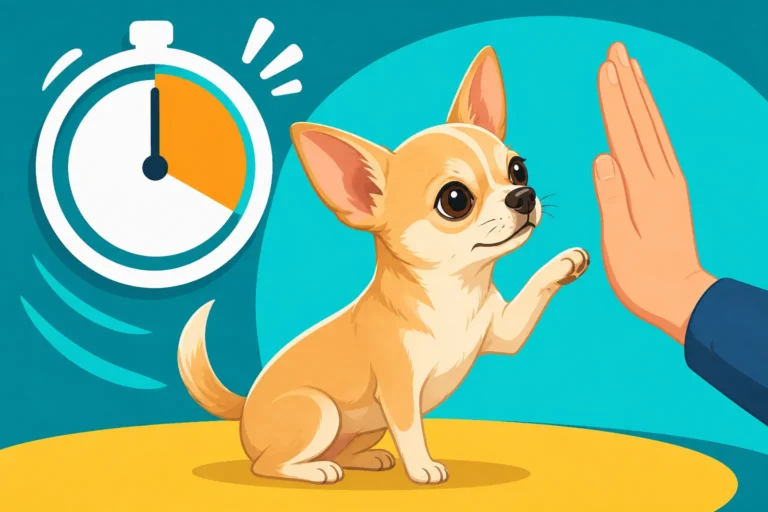
Chihuahuas have boundless energy in short bursts, but they can tire quickly, both physically and mentally. Agility training sessions should always be short, frequent, and incredibly positive. Aim for 5-10 minute sessions a few times a day rather than one long, exhausting session. This helps keep them engaged, prevents burnout, and allows them to process what they've learned without becoming overwhelmed.
It's also crucial to protect your Chihuahua from over-socialization or intimidation, especially if training in a group setting with larger dogs. Ensure they have a safe space, and don't allow bigger, boisterous dogs to rush them. Pushing a Chihuahua too hard, too fast, or exposing them to overly stressful environments can lead to fear and a reluctance to participate, undoing all the positive work you've put in. Always end training on a high note, even if it means finishing after a simple, successful jump or tunnel run, rather than pushing for perfection. Make it a game, and your Chihuahua will be a willing and enthusiastic participant.
Disclaimer
This article is for general informational purposes only and does not constitute professional advice. Laws, prices and regulations vary by location and change over time. Consult a qualified professional for guidance on your specific situation.