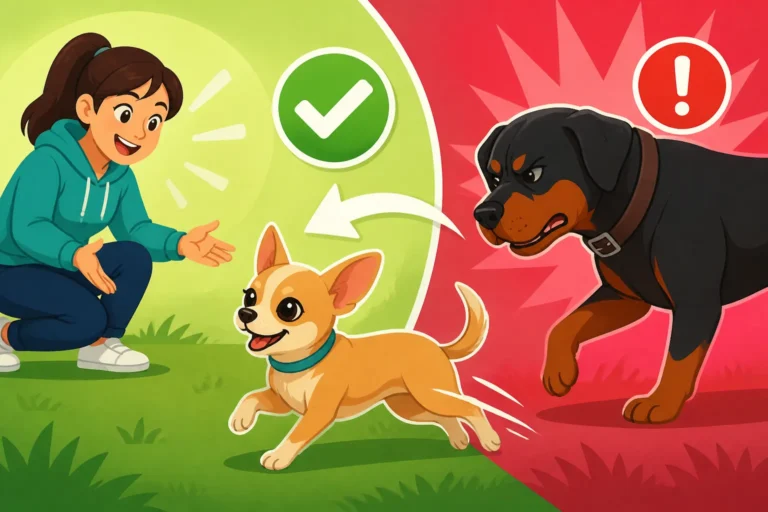
A Chihuahua That Barks at Its Own Reflection
There's nothing quite as perplexing, and honestly, a little embarrassing, as watching your tiny Chihuahua launch into a furious barking fit at… well, itself! You might be standing there, looking at your otherwise sweet little companion absolutely losing its mind at the "other dog" in the window or the reflection staring back from a shiny appliance. It's confusing, it's loud, and it certainly doesn't feel normal when your little one is acting like a tiny, snarling guard dog against an invisible foe. This guide is here to unravel the mystery of why your Chihuahua barks at its own reflection and, more importantly, to give you actionable steps to help them calm down and understand there's no threat.
Why Your Chihuahua Sees a Foe (or a Friend) in the Glass
Understanding why your Chihuahua might bark at its own reflection begins with realizing they don't perceive the world exactly as we do. What's obvious to us – that it's just glass – is a whole different ballgame for a dog. They're processing sensory information in a very canine way, and reflections can be incredibly misleading.
Misinterpreting the Mirror Image
For a Chihuahua, a reflection isn't necessarily understood as "me." Instead, it can be seen as another dog. Imagine if every time you looked in a mirror, a completely convincing, life-sized clone of yourself appeared, mirroring your every move. It would be startling, right? For a dog, especially one who relies so heavily on scent and spatial awareness, a visual representation without any accompanying smell or tangible presence can be deeply confusing.
When your Chihuahua sees this "other dog," their immediate instinct kicks in. Is it an intruder? A rival? A potential playmate? Depending on your Chihuahua's personality, their reaction will vary. A more timid Chihuahua might bark out of fear, trying to scare away the perceived threat. A more confident, territorial Chihuahua might bark to assert dominance over this newcomer. And sometimes, a bored or under-stimulated Chihuahua might even start barking at the reflection just because it's something to do, a self-created game of "bark at the new dog." This is why you often see them circling, pawing, or even nudging the glass, trying to engage with or deter this mysterious canine. They're trying to make sense of a situation that doesn't quite make sense to their doggy brain.
Boredom and Lack of Mental Stimulation
Let's be honest, Chihuahuas are intelligent little dogs, and if they're not given enough to do, they can get bored. And a bored dog, no matter its size, is a dog that will find its own entertainment, which can sometimes manifest as undesirable behaviors like excessive barking. If your Chihuahua spends a lot of time alone, or if their daily routine lacks mental challenges and physical exercise, that reflection in the window or on the shiny oven door can become the most exciting thing in their day.
Think about it: if there's no new smell to investigate on a walk, no new toy to dissect, no engaging training session to ponder, then a flickering image of another dog becomes an irresistible puzzle. They'll bark, lunge, and even try to "play" with it because it’s a source of activity in an otherwise uneventful day. This kind of barking often has a different quality to it than fear-based barking – it might be more persistent, less panicked, almost like a frustrated whine mixed with a demand for interaction. It's their way of saying, "Hey, I'm here, I'm bored, and this reflection is the only thing responding to me right now!" Ensuring your Chihuahua gets enough physical activity, like regular walks and indoor play, is crucial. Chihuahua Exercise Needs Every Day
Underlying Anxiety or Fear Reactivity
Sometimes, reflection barking isn't just about confusion or boredom; it can be a symptom of deeper anxiety or fear reactivity. Chihuahuas, despite their tough-dog reputations, can be quite sensitive and prone to feeling overwhelmed by the world around them. If your Chihuahua is already a bit nervous around new people or other dogs, or if they've had limited positive socialization experiences, seeing an unfamiliar "dog" that never truly goes away can be genuinely frightening.
This fear can escalate. The "other dog" isn't moving away, it isn't responding to their barks in a way a real dog would, and it seems to be perpetually present. This can build into a cycle of anxiety where the reflection becomes a constant stressor. You might notice other signs of fear or stress, such as trembling, tail tucked, ears flattened, or trying to hide immediately after barking. If your Chihuahua tends to lunge and bark at every passing dog or stranger during walks, then it's very likely this reflection barking is rooted in Chihuahua Fear Reactivity, the Breed's Real Problem. Addressing the underlying anxiety through confidence-building exercises and positive reinforcement training is key to helping them overcome this particular type of barking.
Tackling the Reflection Ruckus: Immediate Steps and Management
Once you understand why your Chihuahua might be barking at its reflection, you can start putting strategies in place. The first step is often about managing the environment to reduce the immediate trigger, followed by gradual desensitization.
Environmental Adjustments and Blocking the View
The quickest way to stop the barking is to remove the trigger. While you can't get rid of all reflective surfaces in your home, you can certainly manage the most problematic ones.
- Window Film: This is a lifesaver! You can find decorative, frosted, or one-way window films on Amazon that block your Chihuahua's view while still allowing light into the room. This works wonders for windows that face a yard or street where reflections are common, especially at night when interior lights create clear reflections on dark glass.
- Curtains and Blinds: A simple solution, often overlooked. Keep curtains or blinds closed during the times your Chihuahua is most prone to barking at reflections. For instance, if it's an evening issue, close them before dusk.
- Strategic Furniture Placement: Sometimes, just moving a piece of furniture can break up the reflection or block your Chihuahua's line of sight. A tall plant in front of a mirror, or a comfy dog bed placed away from a reflective wall, can do the trick.
- Covering Smaller Reflective Surfaces: If your Chihuahua is barking at its reflection in an oven door, a shiny refrigerator, or a mirrored closet door, consider temporarily covering it with a blanket, a decorative throw, or even painter's tape if it's a surface that can handle it without damage.
The goal here isn't to live in a dark, reflection-free bunker forever, but to give your Chihuahua (and your ears!) a break from the constant stimulation while you work on longer-term solutions.
Redirecting Attention and Positive Interruption
When your Chihuahua starts to fixate on a reflection, your goal is to interrupt the behavior before it escalates into a full-blown barking fit, and then redirect their attention to something more appropriate and rewarding.
- Gentle Interruption: As soon as you see your Chihuahua notice the reflection and start to stiffen, stare, or give that low "ruff" – interrupt them calmly. A gentle "uh-oh," a clap of your hands, or a light tap on their crate (if they're in one) can be enough. The key is to be calm, not scolding. You don't want to add to their stress.
- Redirection to a High-Value Toy or Treat: Once you have their attention, immediately offer something they love. This could be their absolute favorite squeaky toy, a chew toy, or a super tasty treat. The idea is to associate looking away from the reflection with something positive. For example, if they glance at the reflection and you say their name, and they turn to you, immediately reward them. This is a form of Giving a Chihuahua an Alternative to Barking.
- Engage in a Short Training Session: If your Chihuahua is prone to boredom barking, a quick 30-second burst of training can do wonders. Ask for a "sit," "stay," "down," or even a simple paw shake. Use positive reinforcement and tiny, irresistible treats. This shifts their focus from the reflection to you and a rewarding activity. Programs like BAXTER & Bella offer structured online courses that can give you a steady stream of engaging training ideas suitable for all levels, perfect for these little interruptions.
- Lead Them Away: Sometimes, the simplest solution is to just lead them away from the reflective surface. Call them, praise them when they come, and then engage them in a different room with a game or a puzzle toy. This not only stops the barking but also reinforces that coming when called leads to good things.
Consistency is crucial with redirection. Every time you successfully redirect them, you're building a new, more positive habit.
Building Confidence and Preventing Future Barks
Managing the immediate barking is important, but for a lasting solution, you need to dig deeper into training, enrichment, and fostering a sense of security for your Chihuahua.
Desensitization and Counter-Conditioning
This is where you teach your Chihuahua to have a positive, calm emotional response to reflections, rather than a fearful or reactive one. It's a gradual process, but incredibly effective.
- Controlled Exposure: Start with a very small reflective surface (like a hand mirror) or a window that only shows a partial reflection, and hold it far away. The goal is for your Chihuahua to notice it but not react.
- Positive Association: As soon as they look at the reflection calmly (no staring, no stiffening, no growl), immediately give them a high-value treat and quiet praise. The instant they acknowledge the reflection without stress, reward them. The moment they start to show any sign of unease or preparation to bark, remove the reflection or increase the distance.
- Gradual Approach: Over days or weeks, very slowly decrease the distance, or use a slightly larger reflective surface. Always ensure they are under their threshold – meaning they can observe the reflection without becoming agitated. If they start to react, you've moved too quickly. Take a step back and try again at a greater distance or with a smaller reflection.
- "Look at That" Game: This is a great game for fearful dogs. When your Chihuahua spots a reflection, before they can bark, say "Yes!" (or use a clicker) and give them a treat immediately. You're teaching them that seeing the reflection predicts something good, rather than being something to fear. This shifts their emotional response over time.
This methodical approach helps your Chihuahua reframe their perception of reflections from a threat to a neutral or even positive cue.
Enriching the Environment and Structured Training
A well-exercised and mentally stimulated Chihuahua is a happy Chihuahua, and a happy Chihuahua is less likely to invent problems like a reflective adversary.
- Increase Mental Stimulation: Puzzle toys, sniffy mats, and chew toys are fantastic for Chihuahuas. They engage their minds and satisfy natural canine behaviors. Rotating toys keeps things fresh and interesting. Even hiding treats around the house for them to sniff out can be a great game.
- Consistent Training Sessions: Beyond just addressing the barking, consistent obedience training builds confidence and strengthens your bond. Just because they're small doesn't mean they don't need training! Training a Chihuahua Exactly Like a Big Dog is critical. Spend 5-10 minutes each day working on basic cues like "sit," "stay," "come," and "leave it." This gives them a job, a purpose, and helps them feel more secure in their understanding of your expectations. Online programs like BAXTER & Bella offer a curriculum designed for this very purpose, guiding you through progressive training steps.
- Sufficient Physical Exercise: Even small Chihuahuas need to move! Regular walks, even short ones, provide physical exercise and valuable mental stimulation through sniffing new smells and seeing new sights. Aim for two to three short walks a day, plus some indoor playtime. This also helps with Building a Chihuahua's Confidence Outdoors and reduces pent-up energy that can lead to boredom barking.
- Designated "Safe Space": Ensure your Chihuahua has a cozy, quiet retreat where they feel safe and undisturbed, like a crate with a blanket over it or a comfortable bed in a low-traffic area. This can be particularly helpful if their reflection barking is linked to anxiety, as it gives them a place to decompress. Chihuahua Crate Training can be a wonderful tool for this.
When to Consult a Professional
If you've tried these steps consistently for several weeks and the reflection barking is still severe, escalating, or accompanied by other concerning behaviors like aggression, excessive fear, or house soiling, it might be time to bring in a professional.
- Certified Professional Dog Trainer (CPDT): A certified trainer can assess your Chihuahua's specific triggers and temperament, and help you develop a personalized training plan. They can guide you through desensitization and counter-conditioning techniques more effectively.
- Veterinary Behaviorist: For deeply ingrained fear or anxiety that seems resistant to training, a veterinary behaviorist (a vet with specialized training in animal behavior) can be invaluable. They can diagnose underlying medical conditions that might contribute to anxiety and, if necessary, prescribe medication as part of a comprehensive behavior modification plan.
Remember, you're not alone in dealing with this quirky behavior. Many Chihuahua owners face similar challenges. With patience, consistency, and the right approach, you can help your little companion understand that the "other dog" in the glass is nothing to worry about.
| Strategy Type | Goal | Quick Examples | When to Use |
|---|---|---|---|
| Environmental | Remove or reduce exposure to the trigger | Window film (Amazon), curtains, moving furniture | Immediate relief, preventing practice of the behavior |
| Redirection | Interrupt and shift focus to you or a reward | Verbal cue, favorite toy, tiny treat, quick command | As soon as barking starts or before it escalates |
| Enrichment | Reduce boredom and mental frustration | Puzzle toys, sniffy mats, chew toys, short walks | Ongoing, daily to prevent issues from arising |
| Behavioral Training | Change emotional response to reflection | Desensitization, counter-conditioning, "look at that" game | For lasting change, requires patience and consistency |
| Professional Help | Address severe or complex underlying issues | CPDT for training plans, Vet Behaviorist for anxiety | When at-home methods aren't sufficient or behavior is severe |
Disclaimer
This article is for general informational purposes only and does not constitute professional advice. Laws, prices and regulations vary by location and change over time. Consult a qualified professional for guidance on your specific situation.