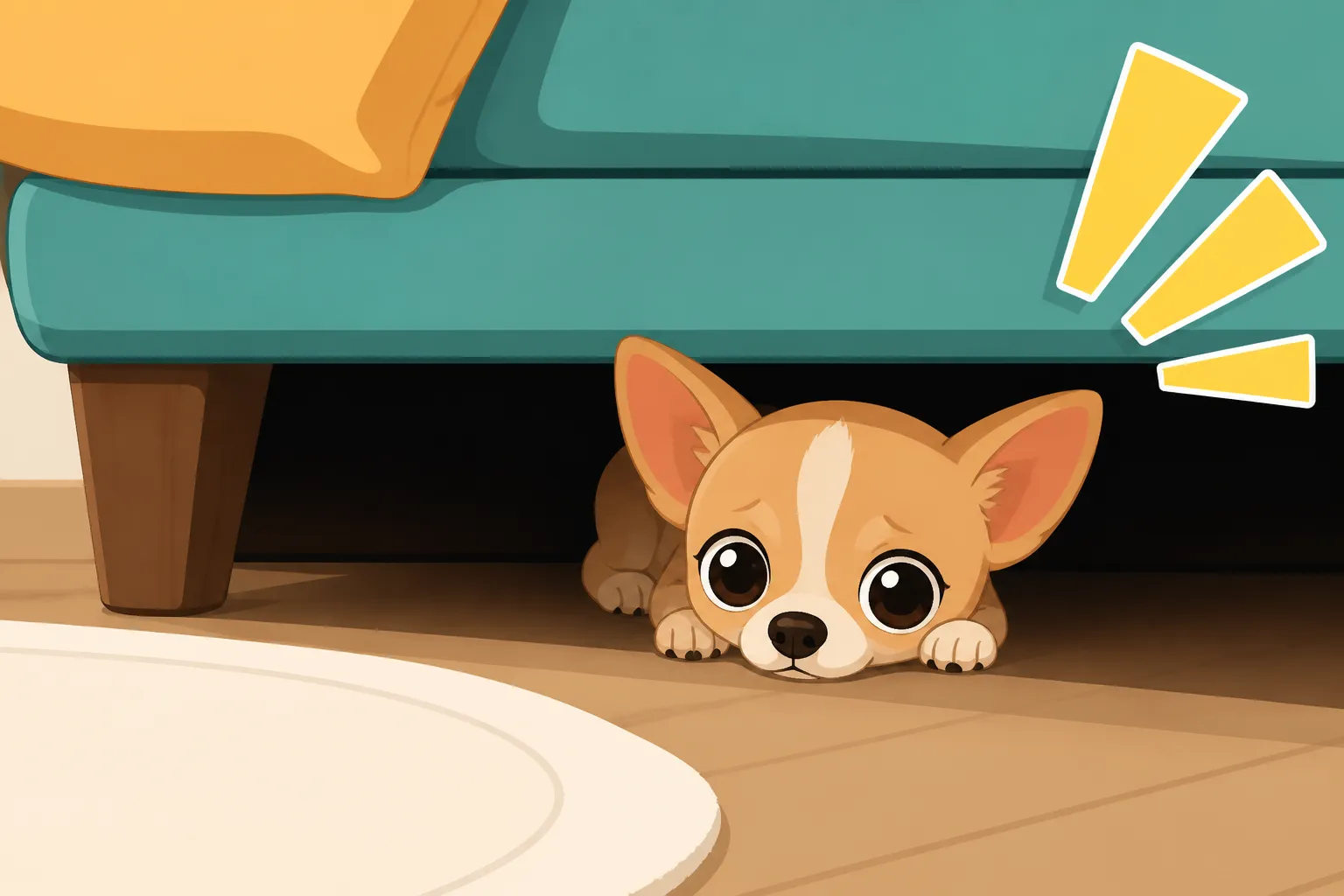
A Chihuahua That Hides Under Furniture
It can be incredibly frustrating, and honestly a little heartbreaking, when your tiny Chihuahua constantly disappears under the sofa, behind the curtains, or beneath your bed every time a new person walks in or a strange noise happens. You just want your little buddy to feel safe and be part of the family, but instead, they're retreating into their own hidden world. This guide will help you understand why your Chihuahua might be seeking refuge under furniture and, more importantly, equip you with actionable strategies to build their confidence, create truly safe spaces, and help them feel secure enough to engage with the world outside their hiding spots.
Understanding Why Your Chihuahua Seeks Solace Under Furniture
When your Chihuahua ducks under the coffee table or bolts for the bedroom at the sound of the doorbell, it's easy to feel like they're just being "silly" or "scaredy-cats." But for a Chihuahua, this isn't just a quirk; it's often a deeply ingrained behavior rooted in their very nature and their experiences in a big, sometimes overwhelming world. Their small stature, while endearing to us, can make them feel incredibly vulnerable, prompting them to seek out secure, confined spaces.
One of the primary reasons Chihuahuas gravitate towards hiding spots is their instinctual desire for security. In the wild, smaller animals are prey. They survive by being alert and, when threatened, by disappearing into burrows or tight crevices where they feel safe from predators. While your living room isn't exactly the Serengeti, your Chihuahua's ancient instincts don't always differentiate. A booming voice, a large person moving quickly, or even the looming presence of a bigger dog can trigger that primal need to vanish into a safe haven. Under a heavy sofa or a low bed provides an enclosed, protected space that makes them feel less exposed and less likely to be "gotten."
Beyond instinct, fear and anxiety play a monumental role. Many Chihuahuas, despite their often feisty personalities, are predisposed to being a bit on the anxious side. This can manifest as fear of strangers, loud noises (like thunder, fireworks, or even just a dropped pan), unfamiliar objects, or sudden movements. If a past negative experience involved something large or intimidating, they might associate that fear with open spaces and seek out the perceived safety of confined areas. It’s not uncommon for a Chihuahua to be afraid of things we barely notice, like the whirring of a vacuum cleaner or the rustle of a plastic bag. For some, it might even stem from inadequate Socialization That Does Not Flood a Chihuahua as a puppy, leaving them ill-equipped to handle the normal stimuli of a busy home or neighborhood.
Sometimes, the hiding isn't entirely fear-based, but more a matter of seeking comfort or warmth. Chihuahuas have very little body fat, which means they can get cold easily. A cozy, enclosed space, especially one lined with blankets, can feel like a warm den. You might notice them doing this more often in cooler months or if they've been sleeping out in the open. They're trying to regulate their body temperature and find a snug spot, much like they might burrow under blankets on your lap or in their bed. If your home tends to be a bit chilly, don't be surprised if your little one constantly seeks out the warmest, coziest nooks, and a spot under the furniture might fit that bill perfectly.
Recognizing the Triggers and Your Chihuahua's Cues
To truly help your Chihuahua feel more secure, you first need to become a detective and figure out what exactly is prompting them to hide. It's rarely a random act; there's almost always a trigger, even if it seems insignificant to us. Observing your dog's behavior right before they disappear can give you invaluable clues. This isn't just about the obvious, like a loud bang, but also the subtle shifts in their demeanor that signal impending retreat.
Common triggers for a Chihuahua's hiding can be surprisingly varied. The most frequent culprits involve sound and new experiences. Think about the common sounds in your home: the doorbell, the mail carrier, children playing loudly, construction noise outside, or even a sudden shift in music volume. Strangers entering the home are also a huge trigger for many Chihuahuas. For a dog that weighs just a few pounds, a tall human they don't know can feel like a towering giant. Other pets, especially larger, boisterous dogs, can also make a Chihuahua feel vulnerable, leading them to seek shelter. Even a new piece of furniture or an object moved to an unfamiliar spot can be enough to unsettle a sensitive Chihuahua. Pay close attention to these moments; often, the pattern will emerge quickly once you start looking.
Before your Chihuahua dashes for cover, they'll almost always give you subtle (or not-so-subtle) body language cues. Learning to read these signals is crucial for intervening effectively and helping them before their fear escalates. Look for signs like trembling, which is a classic stress indicator in Chihuahuas and often distinct from shivering due to cold. They might start lip-licking rapidly, yawn excessively when not tired, or turn their head away. A tucked tail, ears flattened back, or "whale eye" (where you can see the whites of their eyes) are all clear indicators of anxiety or fear. Some Chihuahuas might even let out a small, nervous whine, or try to put distance between themselves and the perceived threat. If you see them exhibiting any of these behaviors, it's a critical moment to step in, redirect, or create space, rather than waiting for them to fully retreat. This is part of understanding What a Chihuahua Growl Is Actually Telling You – it's a communication, not just aggression.
| Trigger Type | Common Examples | Chihuahua's Response Cues |
|---|---|---|
| Auditory | Doorbell, thunder, fireworks, vacuum, dropped items | Trembling, ears flat, head turns away, quick glances, whining |
| Visual | Strangers, large dogs, new objects, sudden movements | Tail tucked, whale eye, freezing, backing away, trying to hide |
| Environmental | Cold drafts, slippery floors, crowded spaces | Shivering (cold), hesitant gait, seeking confined, warm spots |
| Handling/Interaction | Reaching overhead, forced cuddles, being picked up | Lip licking, stiffening, growling, darting away |
One mistake many well-meaning Chihuahua owners make is excusing these behaviors. It's easy to say, "Oh, he's just shy" or "She's just being dramatic," and then allow the dog to hide or even pick them up to "protect" them. However, consistently enabling hiding behavior can inadvertently reinforce the idea that the world is indeed a scary place and that hiding is the correct coping mechanism. This can lead to what some call The Behaviors Owners Excuse in a Chihuahua, where small dogs are not held to the same behavioral standards as larger breeds, which ultimately doesn't serve the Chihuahua well. Instead of building confidence, we might be confirming their fears. While you should never force a fearful Chihuahua into a situation, ignoring or encouraging the hiding doesn't help them learn to cope.
Creating a Secure Environment and Building Confidence
Once you understand why your Chihuahua hides and what triggers this behavior, the next step is to proactively create an environment where they feel safe and confident, gradually reducing their need to retreat under furniture. This isn't about eliminating all hiding spots immediately, but rather about providing better, designated safe spaces and employing strategies that help them face the world with less fear.
One of the most effective tools for a fearful or anxious Chihuahua is a designated safe space. This should be a cozy, private den that is always available to them and where they can retreat without being bothered. A crate, for example, when introduced positively, can become an invaluable sanctuary. Choose a Chihuahua Crate Size and Setup that allows them to stand, turn around, and lie down comfortably, but isn't so big that it feels exposed. Cover it with a blanket to make it den-like, and furnish it with soft bedding and maybe a favorite chew toy. Place this crate in a quiet corner of a common room, so they feel part of the family but also have privacy. If a crate isn't ideal, consider a covered dog bed or a cozy igloo bed you can purchase from places like Amazon. The key is that this space is theirs, and no one, especially children, should disturb them when they are in it.
Building confidence goes hand-in-hand with desensitization and positive reinforcement. This means slowly exposing your Chihuahua to their triggers at a very low intensity, always pairing the experience with something positive, like high-value treats or praise. For example, if the doorbell sends them scurrying, start by playing a recording of the doorbell sound at a very low volume while giving them treats. Gradually increase the volume over many sessions, always stopping if they show signs of fear. Similarly, if A Chihuahua That Trembles Around Strangers is your challenge, have a trusted friend stand at a distance and toss treats towards your Chihuahua, moving closer only as your dog shows comfort, never forcing interaction. Online puppy training programs, like those offered by BAXTER & Bella, can provide structured lessons and guidance on these desensitization techniques, often with video tutorials that make it easier to follow along at home.
Management strategies are also vital. While you work on building confidence, you'll need ways to prevent your Chihuahua from being overwhelmed. If visitors are coming, you might put your Chihuahua in their designated safe space with a long-lasting chew or puzzle toy before guests arrive. This proactive approach prevents them from feeling ambushed. Consider using baby gates to create physical barriers, allowing your Chihuahua to observe from a safe distance without feeling trapped or needing to hide. For outdoor walks, which can be a huge source of anxiety for some Chihuahuas, focus on Building a Chihuahua's Confidence Outdoors by choosing quieter times and locations, or even just sitting outside with them on a leash, letting them observe the world at their own pace without pressure to interact. Sometimes, simple adjustments like adding Ramps for a Chihuahua Bed and Sofa can make them feel more secure, knowing they can easily access their favorite comfy spots without a risky jump.
Beyond these strategies, consistent, positive reinforcement training is paramount. Teaching basic obedience commands not only strengthens your bond but also gives your Chihuahua a sense of predictability and control. When they know what's expected of them, and they are rewarded for good behavior, their overall confidence grows. Focus on fun, reward-based training sessions using tiny, high-value treats. You can also engage their minds with Puzzle Toys Sized for a Chihuahua, which can provide mental enrichment and distraction. Remember, the goal is not to force them out of hiding, but to make the world less scary so they choose to engage. Always practice Letting a Chihuahua Choose to Approach, never push them into interactions they're not ready for.
When to Consult a Professional for Persistent Hiding
Sometimes, despite your best efforts, your Chihuahua's hiding behavior persists, or even worsens. If you've been diligently working on creating a secure environment and building confidence, but your dog is still retreating constantly, exhibiting extreme fear, or showing signs of aggression when cornered, it's a clear signal that it's time to bring in the big guns: a professional. It's important to remember that asking for help isn't a sign of failure; it's a sign of a responsible pet parent committed to their Chihuahua's well-being.
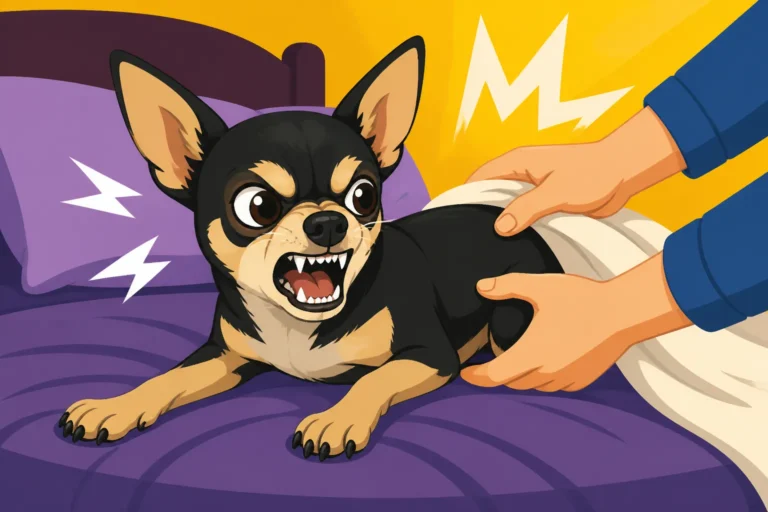
One major red flag that indicates you need professional intervention is if your Chihuahua exhibits aggression when they are in their hiding spot or when you try to coax them out. A fearful dog might snap, growl, or even bite if they feel trapped or cornered. This isn't necessarily a sign of a "mean" dog, but rather a dog who feels so utterly terrified and without other options that they resort to defense. This level of fear is beyond what most owners can safely and effectively manage on their own, and attempting to do so could lead to injury for you or further traumatize your dog. Such instances could be tied to broader issues like Fear Reactivity as the Top Chihuahua Complaint, which often requires specialized handling.
Another reason to seek professional help is if the fear seems excessive or generalized. If your Chihuahua is terrified of almost everything – every sound, every new person, every walk outside – and their quality of life seems genuinely compromised, then a professional behavioral consultation is crucial. This isn't just about general obedience training, though that's helpful. This requires a certified professional dog trainer (CPDT) with experience in fear and anxiety, or even a veterinary behaviorist (DACVB). These professionals have a deeper understanding of canine psychology and can develop a tailored behavior modification plan that addresses the specific nuances of your Chihuahua's fear, offering tools and techniques that go beyond basic training. When looking for someone, make sure you are Vetting a Trainer Before You Book a Chihuahua to ensure they use positive, force-free methods.
Finally, it's always wise to consider a veterinary evaluation for persistent or worsening hiding behavior. While often behavioral, sometimes a sudden increase in hiding or anxiety can be a symptom of an underlying medical issue. Pain, discomfort, vision problems (which can make the world scarier), or even certain neurological conditions could cause a dog to feel more vulnerable and seek isolation. Your vet can rule out any physical causes, and if appropriate, might also discuss anxiety-reducing medications or supplements that could work in conjunction with behavioral modification. This holistic approach ensures that all potential factors contributing to your Chihuahua's hiding are addressed, giving your little companion the best chance at a confident, happy life.
Disclaimer
This article is for general informational purposes only and does not constitute professional advice. Laws, prices and regulations vary by location and change over time. Consult a qualified professional for guidance on your specific situation.