A Chihuahua Barking at Delivery Drivers
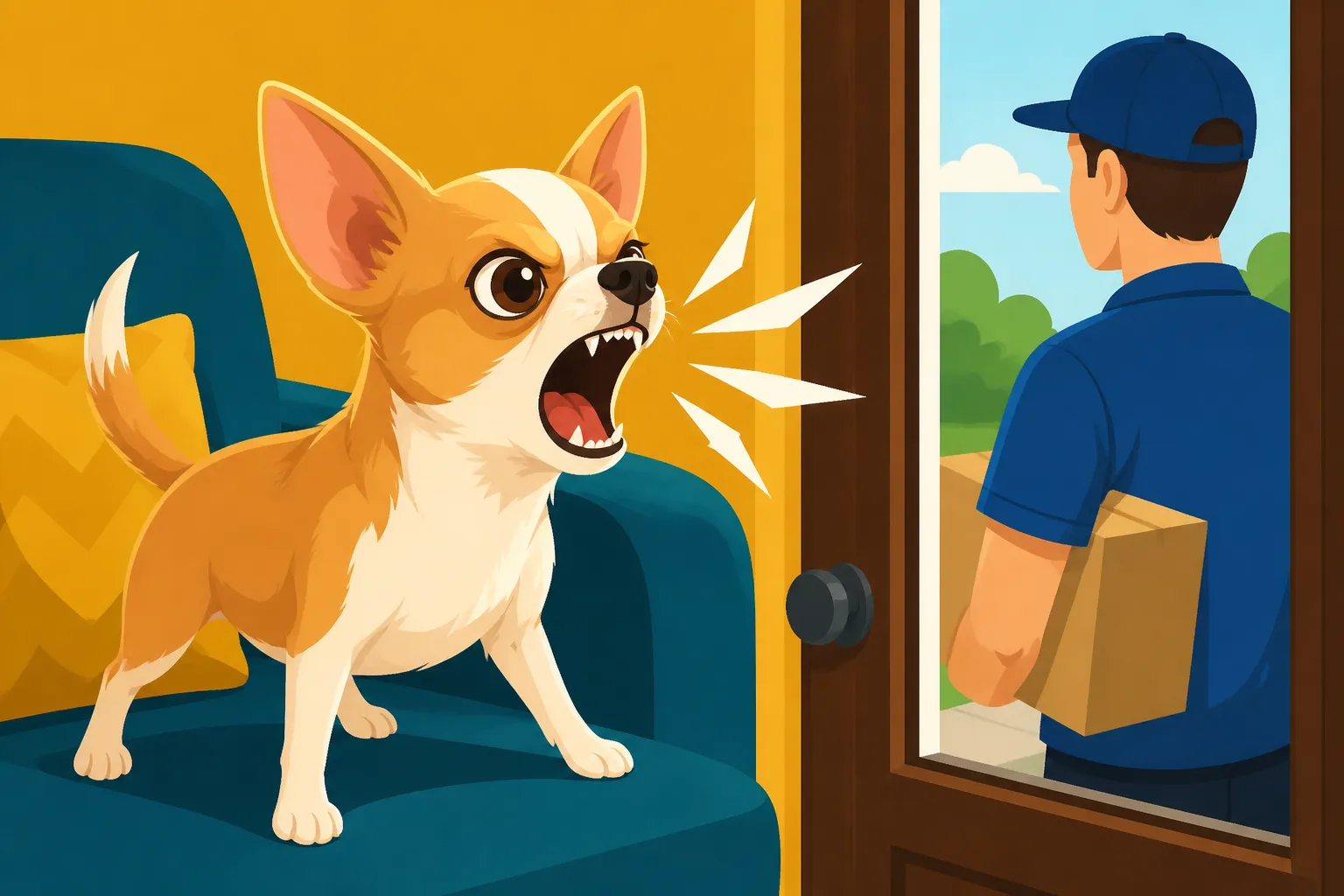
That incessant, high-pitched barking when a delivery driver pulls up can turn a quiet afternoon into a chaotic symphony. We've all been there – trying to sign for a package while your tiny Chihuahua is practically levitating with indignation, convinced the UPS person is a monstrous intruder. It's frustrating, often embarrassing, and can feel impossible to stop. This comprehensive guide will help you understand why your Chihuahua barks at delivery drivers and, more importantly, equip you with practical strategies to manage and retrain this challenging behavior, bringing a little more peace to your home.
Understanding Your Chihuahua's Delivery Driver Drama
Your tiny terror isn't just being "bad" when the doorbell rings; there's a deep-seated reason for that explosion of barks. It often stems from a mix of territorial instincts, a lack of confidence, and perhaps even some ingrained fear. It's a classic small dog problem that feels huge when you're trying to sign for a package.
The Territorial Imperative: "This Is My Home!"
Chihuahuas, despite their diminutive size, possess a fiercely territorial nature. They see your home, your yard, and even your car as their domain. When a delivery driver approaches, especially someone in an unfamiliar uniform carrying large, crinkly boxes, your Chihuahua perceives them as an intruder. It's not personal against the person; it's about protecting their perceived territory. They're convinced they're doing their job by sounding the alarm, often believing their barking is what makes the "intruder" leave. This self-reinforcing cycle makes the behavior incredibly hard to break without intervention. They think, "I barked, and the big person left! My job is done!" This perceived success solidifies the behavior, making them even more likely to bark next time.
Fear and Lack of Confidence: "Stranger Danger!"
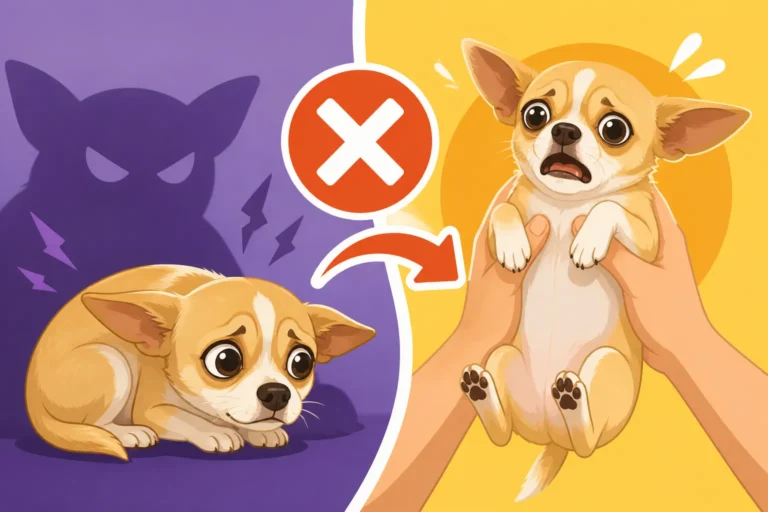
For many Chihuahuas, particularly those not well-socialized or who've had negative experiences, delivery drivers represent a scary unknown. These strangers often have unpredictable movements, wear bulky uniforms, and sometimes carry strange items. Think about it from your Chihuahua's perspective: a giant, unfamiliar person is suddenly right outside their safe space, looming over the threshold. Their bark can be a defensive mechanism, a desperate attempt to make the scary thing go away. This fear can be compounded if they've never been properly introduced to a variety of people and situations, making them more prone to Chihuahua Fear Reactivity, the Breed's Real Problem. Some Chihuahuas are simply overwhelmed by the sudden appearance of a large, unfamiliar figure, and their barking is their way of saying, "Stay away! I'm scared!"
The Excitement Factor: "Something New is Happening!"
Sometimes, the barking isn't purely fear or aggression; it's just sheer excitement and overstimulation. The sudden jingle of keys, the rumble of a truck, the sound of footsteps on the porch, and then the doorbell – it's a sensory overload. For a Chihuahua who craves attention or has a high prey drive, this flurry of activity can be incredibly stimulating. They might bark not out of malice, but because they're simply overwhelmed and don't know how else to express their intense feelings. This type of barking can often escalate quickly and is distinct from Chihuahua Alert Barking Against Anxious Barking, though it can look similar from the outside. They might be genuinely excited, but without an appropriate outlet for that energy, it manifests as a flurry of barks. It’s their way of shouting, "Look! Look! Something's happening!"
Managing the Chaos: Immediate Steps for Delivery Day
While long-term training is crucial, sometimes you just need to get a package without an operatic performance. There are several strategies you can implement right away to reduce the immediate impact of a delivery driver's arrival. These are about managing the environment and your Chihuahua's reactions in the moment, rather than changing their core behavior. Think of these as damage control while you work on the bigger picture.
Create a "Safe Zone" Away from the Door
Before you expect a delivery, or as soon as you hear the truck approach, get your Chihuahua to a designated "safe zone" or quiet spot away from the front door. This could be their crate, a cozy bed in another room, or even a playpen in a quieter part of the house. The key is to make this area inviting and comfortable. Give them a high-value chew toy or a puzzle feeder filled with something delicious to distract them and associate the safe zone with positive experiences. The goal is to remove them from the immediate stimulus of the front door and give them something positive to focus on. This works best if their safe zone is already a positive place for them, not somewhere they feel punished or isolated.
Block the View and Muffle the Sound
Out of sight, out of mind, right? Often, seeing the driver is the primary trigger. Consider using window film, curtains, or blinds to block your Chihuahua's view of the street and front porch. Even a strategically placed tall plant or a decorative screen can make a difference. This simple step can drastically reduce the initial excitement or fear response. You might also try playing calming music or white noise, or simply turning on the TV, to muffle the sounds of footsteps, the truck, or the doorbell. Many useful products, from frosted window films to white noise machines, can be easily found on Amazon and can make a big difference. This isn't a solution for the underlying behavior, but it’s a vital management tool to reduce the immediate trigger and prevent the barking from even starting. For more visual blocking tips, check out Window Film and Blocking a Chihuahua's View.
Use a Leash and High-Value Treats for Controlled Greetings
If you absolutely must answer the door with your Chihuahua present, put them on a leash before the driver arrives. This gives you control and prevents them from rushing the door, jumping, or nipping. When the driver comes, keep your Chihuahua a safe distance away from the door – far enough that they are aware of the driver but not yet over the threshold into frantic barking. As the driver approaches and during the interaction, continuously engage your Chihuahua with a stream of high-value treats. Every second the driver is there, treats should be flowing. The moment the driver leaves, stop the treats. The idea is to associate the driver's presence with delicious rewards, starting to build a positive association and diverting their attention from the perceived threat. This is a very basic form of counter-conditioning, but it requires consistency on your part.
| Barking Trigger | Chihuahua Behavior | Immediate Management Strategy |
|---|---|---|
| Doorbell rings | Rushes to door, frantic barking | Move to a different room, provide chew toy, block view |
| Sees driver outside | Alert barking, lunging at window | Close curtains/blinds, create visual barrier |
| Hears truck/footsteps | Whining, then barking | Play white noise, turn on TV/radio |
| Driver speaks or moves | Escalated barking, growling | Leash control, high-value treat shower, redirect |
| Driver leaves | Continued barking, agitated pacing | Engage with calm activity, don't reward continued barking |
Training Your Chihuahua for Calm Deliveries
Managing the situation is a temporary fix; true peace comes from dedicated training that changes your Chihuahua's emotional response to delivery drivers. This involves desensitization and counter-conditioning, helping your dog learn that delivery drivers aren't a threat, but a cue for good things to happen. This is where the real work, and the real reward, lies.
Desensitization to the Doorbell and External Sounds
Start by making the doorbell sound less alarming. This is crucial for Chihuahuas who react intensely to the sound itself. Record your doorbell, or use an app with various doorbell sounds, and play it at a very low volume – so low that your Chihuahua barely notices it, or just glances up. The moment it rings, immediately give your Chihuahua a super-tasty, high-value treat. Repeat this many times a day, gradually increasing the volume over days or weeks, always pairing the sound with a treat. The goal is to change the doorbell from a signal for alarm to a signal for reward ("doorbell equals delicious treats!"). Apply the same principle to sounds of trucks or footsteps recorded from outside. This slow, controlled exposure helps your Chihuahua habituate to the sounds without feeling overwhelmed or scared. For more on this, revisit Desensitising a Chihuahua to the Doorbell.
Counter-Conditioning Positive Associations with "Strangers"
The next step is to change your Chihuahua's perception of the delivery person themselves. This can be tricky since you can't control the real delivery person's schedule, but with a bit of creativity, you can set up powerful learning opportunities.
- Staged Deliveries: Enlist a friend or family member who your Chihuahua isn't intensely bonded with to act as a "delivery driver." Have them approach your door, ring the bell (or knock softly), and then immediately drop a handful of treats through the mail slot or under the door before quietly leaving. Repeat this often, gradually increasing the interaction. Your Chihuahua learns that the "stranger" brings good things. You can slowly progress to your friend briefly standing at the door while you treat, then leaving.
- Controlled Introductions: Once your Chihuahua is more comfortable with the sounds and the idea of someone approaching, have your friend approach the door while you stand with your Chihuahua on a leash, at a distance where they are calm and not reacting negatively. The moment your friend appears, start feeding treats continuously. As your friend backs away, stop the treats. Gradually decrease the distance over many sessions, always ensuring your Chihuahua remains relaxed and focused on you and the treats. If your Chihuahua starts barking, you've moved too fast; go back a step to where they were comfortable. This is about making new positive emotional connections, not forcing them into a scary situation.
Teaching a "Place" Command for Door Etiquette
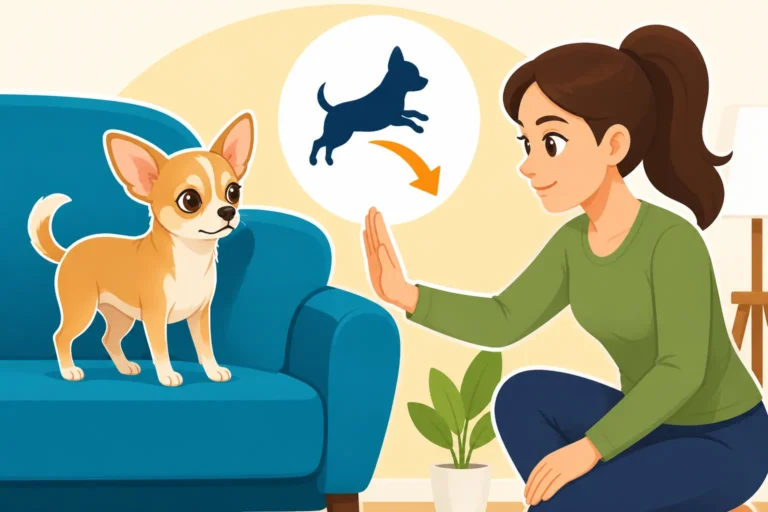
A "Place" command is invaluable for giving your Chihuahua a clear job to do when the doorbell rings, rather than leaving them to their own devices (and barking habits). Teach your Chihuahua to go to a specific mat or bed and stay there until released, even when distractions are present. Start with no distractions, rewarding heavily for going to their "place" and staying there for short periods. Gradually introduce minor distractions, then escalate to knocking on the door, then ringing the doorbell. When a real delivery driver comes, tell your Chihuahua "Place" before they even get to the door. Reward them for staying there calmly with a long-lasting chew or a stuffed Kong. This gives them a clear, alternative behavior to barking and rushing the door, turning a stressful event into a structured, rewarding one. This type of structured training is something great online programs, like those offered by BAXTER & Bella, often cover in depth, helping you implement consistent training from home with expert guidance.
Consistency, Patience, and Realistic Expectations
Training a Chihuahua to stop barking at delivery drivers isn't a quick fix. It takes time, consistency, and a deep understanding of your dog's motivations. Remember, you're not just stopping a behavior; you're often changing an emotional response that might be rooted in fear or strong territorial instincts. Celebrate small wins, because every step forward is progress.
The Power of Routine and Predictability
Dogs thrive on routine and predictability, and Chihuahuas are no exception. Try to make the arrival of a delivery driver as predictable as possible for your Chihuahua, even though the actual timing can vary. When you know a package is coming, take those pre-emptive management steps: move them to their safe zone, block the view, or have them on a leash with treats ready. The more you can control the environment and make the experience consistent, the faster your Chihuahua will learn what's expected of them. If every delivery is a wild card, your dog will struggle to form new, positive associations. Building a consistent routine around these events helps lower their overall anxiety.
Never Punish Fear or Alertness
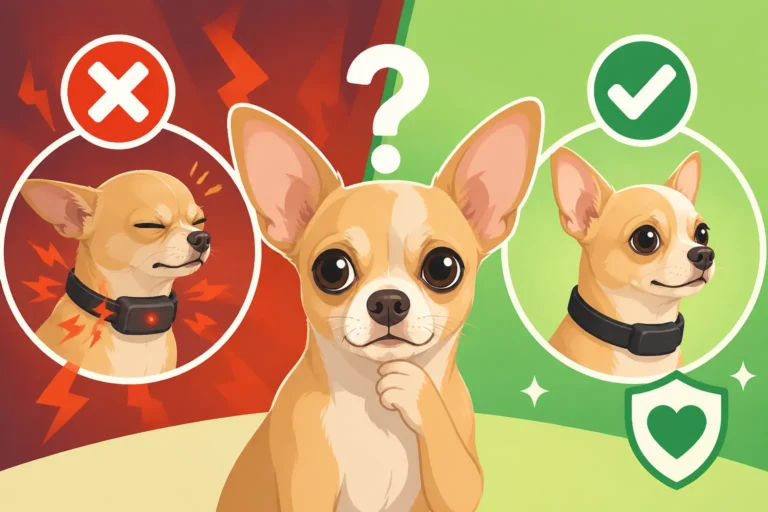
It's tempting to yell "No!" or scold your Chihuahua when they're barking frantically at a delivery driver, especially when you're stressed or embarrassed. However, punishing barking that stems from fear or territorial instincts can actually make the problem much worse. Your dog might become more anxious, associate your presence with negative feelings, or even learn to suppress their warning barks, leading to a sudden, unprovoked bite instead, as they've learned their warnings are ignored or punished. The goal is to redirect and reward desired behavior, not to suppress natural canine instincts through fear. Focus on Giving a Chihuahua an Alternative to Barking rather than just trying to silence them. You want your Chihuahua to feel safe and confident, not afraid of both the driver and your reaction.
Long-Term Commitment and When to Seek Help
This isn't a one-and-done training session. You'll need to be committed to these strategies for weeks, possibly months, and reinforce them throughout your Chihuahua's life. Every time a delivery driver comes and you respond calmly and consistently, you're strengthening the new, desired behavior. Expect setbacks; some days will be better than others, and a particularly startling delivery might cause a regression. Just go back to basics and continue with your positive reinforcement. If you feel like you're hitting a wall, or if your Chihuahua's barking is escalating to aggression (growling, snapping, biting attempts), don't hesitate to seek help from a certified professional dog trainer or veterinary behaviorist. They can offer tailored advice and help you navigate more complex behavioral issues, often Building a Chihuahua's Confidence Outdoors which helps reduce reactivity everywhere. Remember that investing in Chihuahua Training and Behavior Help Costs can save you a lot of stress (and potentially vet bills for bitten drivers!) in the long run. They can also help you read signs like Chihuahua Body Language Before a Snap to intervene even earlier. Learning to train Training a Chihuahua Exactly Like a Big Dog means taking their behavior seriously, and seeking professional help for persistent issues is a sign of a responsible owner.
Disclaimer
This article is for general informational purposes only and does not constitute professional advice. Laws, prices and regulations vary by location and change over time. Consult a qualified professional for guidance on your specific situation.