Giving a Chihuahua an Alternative to Barking
The constant, high-pitched yapping of a Chihuahua can be incredibly frustrating, whether it's directed at the mail carrier, a passing leaf, or just the phantom footsteps in the hall. It’s easy to feel like your tiny companion has an internal alarm system stuck on "loud," and you're at your wit's end trying to quiet them down. This comprehensive guide will help you understand why your Chihuahua barks so much and, more importantly, equip you with practical, empathetic strategies to teach them calmer, quieter ways to communicate.
Understanding Why Your Chihuahua Barks So Much
Before we can even think about teaching our little ones to hush, we really need to get to the bottom of why they're barking in the first place. It’s never just "being noisy for the sake of it." There's always a reason, and often, it's rooted in their instinctual drive as small dogs in a big world. A Chihuahua isn't trying to annoy you; they're trying to communicate something very important to them.
The Root Causes of Excessive Barking
Chihuahuas are renowned for their personalities, which often come in packages much larger than their physical selves. This means they often feel the need to compensate for their size with their voices. One of the biggest drivers of barking is often fear. Imagine being four pounds and encountering a giant dog, a loud truck, or even just a tall stranger reaching down at you. Barking becomes their primary defense mechanism – a "stay away!" warning. They haven't had the luxury of developing a huge, intimidating presence, so their voice is their shield.
Beyond fear, excitement is a huge trigger. The sound of keys, the jingle of a leash, or even just you walking towards the treat cupboard can set off a flurry of happy barks. For some Chihuahuas, it's sheer boredom. If they're not getting enough mental stimulation or physical exercise, that pent-up energy has to go somewhere, and barking is an easy outlet. They might bark at shadows, dust bunnies, or just because the house is too quiet. Then there's attention-seeking. If barking gets them a reaction from you – a glance, a scolding, or even picking them up – they've learned it's an effective way to get what they want. It reinforces the behavior, even if the attention is negative. Understanding these underlying motivations is the first step in addressing the barking effectively.
Differentiating Between Alert Barking and Nuisance Barking
It’s important to recognize that not all barking is "bad" barking. Chihuahuas, with their keen senses and alert nature, are often excellent little watchdogs. They're quick to pick up on new sounds or sights, and a few sharp barks to let you know "someone's at the door!" or "there's a squirrel in the yard!" is perfectly normal and even desirable for many owners. This is what we call "alert barking," and it’s part of their innate The Terrier-Like Chihuahua Spirit the Standard Wants. They're doing their job, keeping an eye on their territory and their people.
Nuisance barking, on the other hand, is when the barking becomes excessive, prolonged, or triggered by benign events that don't warrant such a strong reaction. This is the kind of barking that frustrates owners and can lead to tension in the home or with neighbors. For example, if your Chihuahua barks incessantly at every single person or dog walking past the window for minutes on end, or if they bark for an hour every time you leave the room, that's nuisance barking. The key difference is the duration, intensity, and appropriateness of the response. Our goal isn't to silence our Chihuahuas entirely, but rather to manage the nuisance barking while still allowing them to express themselves appropriately when a genuine alert is needed. Understanding this distinction helps us focus our training efforts where they're most needed.
Establishing a Foundation for Quieter Communication
Before you dive into specific commands, it's essential to set the stage for success. Think about it like building a house: you can't just put up the roof without a solid foundation. For Chihuahuas, this means consistent rules, clear expectations, and ensuring their daily needs are met to prevent boredom and anxiety from fueling excessive barking.
Consistent Rules and Boundaries for a Small Dog
One of the biggest pitfalls many Chihuahua owners fall into is treating their tiny dogs differently from larger breeds. Because they're so small and undeniably cute, it's easy to let them get away with behaviors we wouldn't tolerate in a Labrador or a German Shepherd. However, a Chihuahua, despite its size, is still a dog and thrives on structure and clear leadership. If you let them bark at every guest, or allow them to jump on visitors for attention, they quickly learn that these behaviors are acceptable or even effective. This is how "small dog syndrome" develops, which isn't a genetic trait but rather a collection of learned behaviors due to inconsistent training.
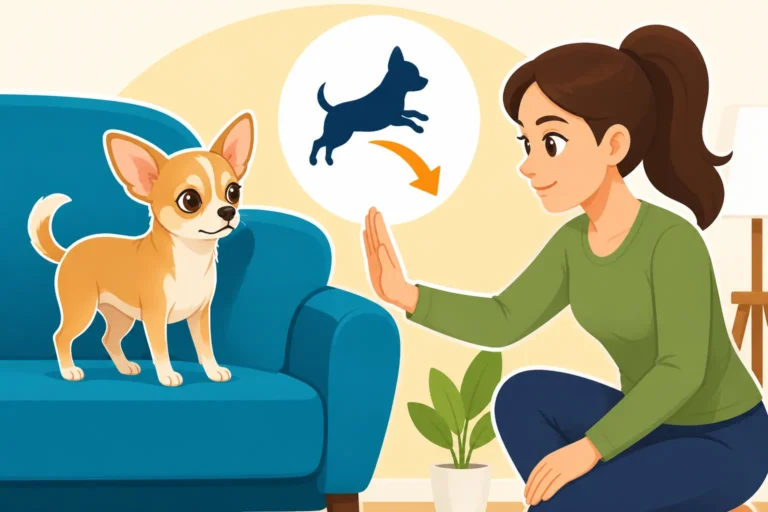
The solution is to Training a Chihuahua Exactly Like a Big Dog. This means setting clear Rules a Chihuahua Should Follow Like Any Dog. Decide what's acceptable and what's not, and stick to it universally. If barking at the doorbell is not okay, then it's never okay, regardless of who is at the door. If jumping on furniture without an invitation is off-limits, then it needs to be off-limits all the time. This consistency helps your Chihuahua understand what's expected of them, reducing confusion and the need to "test" boundaries with their voice. Every family member needs to be on board with these rules, reinforcing them calmly and consistently.
Enriching Their Environment to Reduce Boredom
A bored Chihuahua is often a barking Chihuahua. These little dogs are intelligent and energetic, and if they're not given enough to do, they'll find their own "entertainment," which often manifests as barking at the perceived world outside the window or demanding attention. Mental and physical stimulation are just as crucial for a Chihuahua as they are for a working breed, albeit scaled down. You might think a quick trot around the block is enough, but their busy brains often need more.
Consider incorporating regular enrichment activities into their day. Puzzle toys, where your Chihuahua has to figure out how to get treats out, can keep their minds engaged for a good chunk of time. Lick mats with a smear of peanut butter or yogurt can be incredibly calming and diverting. Regularly rotating their toys also helps keep things fresh and interesting. Don't underestimate the power of a good sniff walk in a new park or even just a different route around your neighborhood; new smells are a huge source of mental stimulation for dogs. Interactive play with you, such as short games of indoor fetch or hide-and-seek, can also burn energy and strengthen your bond. Many of these items can be found readily on platforms like Amazon, offering a variety of choices to suit your Chihuahua's preferences. A truly engaged Chihuahua often has less energy and inclination to resort to excessive barking.
Teaching Alternative Behaviors to Barking
Once you understand why your Chihuahua barks and you've laid a foundation of consistency and enrichment, it's time to teach them what to do instead of barking. This is crucial because simply telling a dog "no" doesn't teach them what is acceptable. We want to replace the undesirable behavior with a desirable one.
The "Quiet" Command and Its Application
Teaching a "Quiet" command is a fantastic way to give your Chihuahua an actual cue to stop barking, rather than just shouting at them, which can often just make them bark more. The trick is to teach it when they are already barking but in a controlled way, so you can reward the silence. Start by deliberately creating a low-level barking trigger – perhaps having someone gently knock on the door or making a soft unusual noise. As soon as your Chihuahua barks, let them get one or two barks out, then immediately place a high-value treat in front of their nose. Most Chihuahuas will pause their barking to sniff or take the treat. The instant they are silent, even for a second, say "Quiet" and give them the treat.
Repeat this many times over short sessions. Gradually, increase the duration of silence required before they get the treat. You're essentially teaching them that silence after a bark, prompted by your "Quiet" command, earns them a reward. Over time, you can introduce the "Quiet" command before they even start barking when you anticipate a trigger, rewarding them for staying silent. For particularly persistent barkers, you might combine this with other calming cues like a "place" command, teaching them to go to their bed and settle when a trigger occurs. Remember, consistency is key to helping them generalize this behavior. This also ties into The Commands Every Chihuahua Should Know for a well-behaved companion.
Redirecting Barking Towards Acceptable Outlets
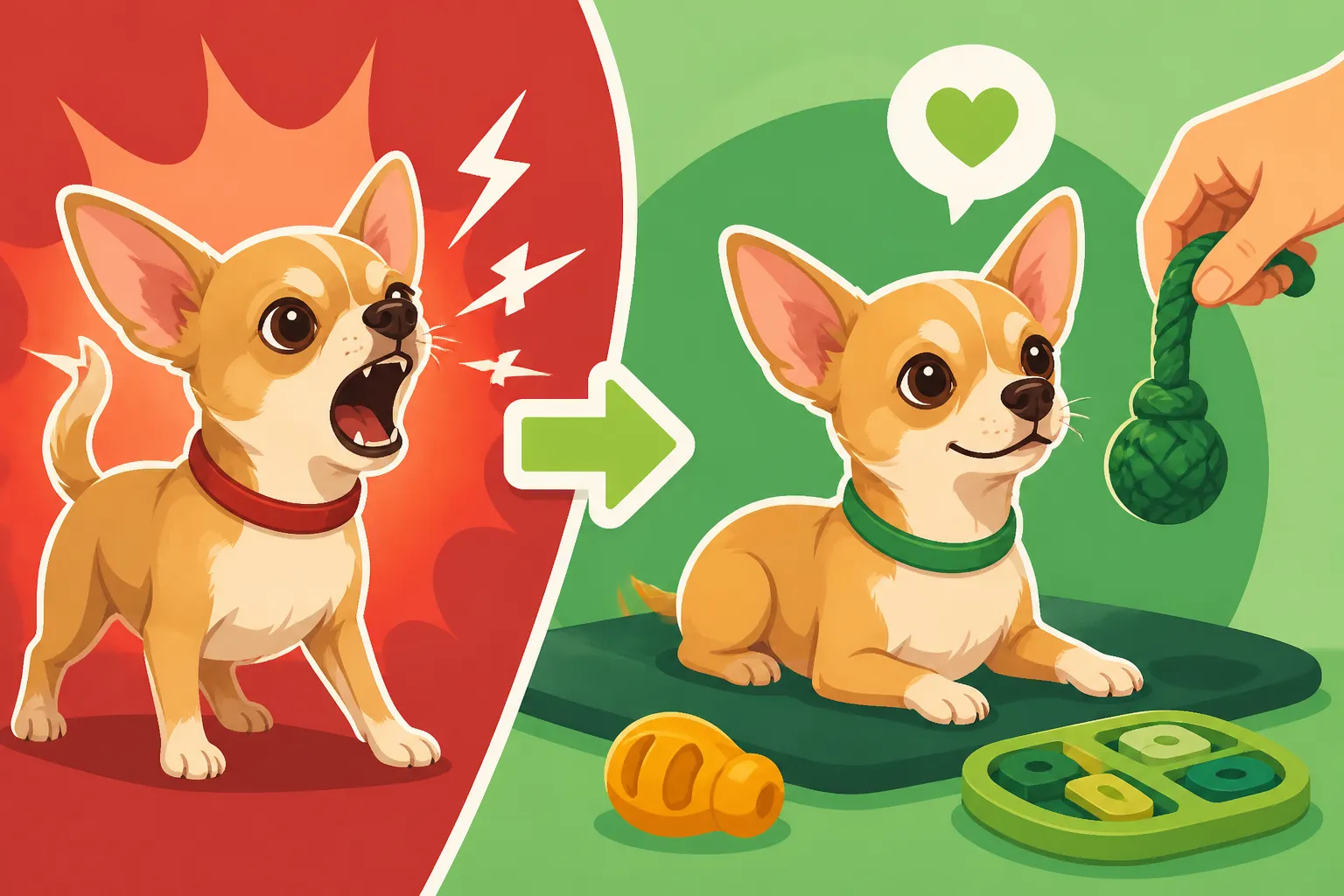
Sometimes, a Chihuahua barks because they genuinely feel the need to express themselves or release energy, and if you don't give them an alternative, they'll stick with barking. Instead of focusing solely on stopping the barking, think about redirecting that energy or communicative urge toward something more acceptable. For instance, if your Chihuahua is an alert barker who barks at every single person or dog walking by the window, they might benefit from a designated "alert" toy.
When they start to bark at a window, call their name, get their attention, and then immediately give them a favorite chew toy or a puzzle toy filled with a tasty treat. The idea is to interrupt the barking cycle and redirect their focus onto an activity that's both enjoyable and quiet. They learn, "Ah, when something exciting happens outside, I get this awesome thing instead of barking." This is particularly effective for Chihuahuas who bark out of excitement or boredom. For an array of engaging chew toys and puzzle feeders, an online marketplace like Amazon offers an endless selection that can be perfect for keeping tiny mouths and minds occupied, preventing that excess energy from turning into a Chihuahua that barks at everything outside.
Managing Triggers and Environmental Factors
Even with excellent training, some Chihuahuas are incredibly sensitive to their environment. Managing what they see and hear can dramatically reduce the instances of barking, making your training efforts much more effective and giving your Chihuahua a calmer baseline.
Minimizing Visual and Auditory Stimuli
Chihuahuas are small, but they don't miss a trick. Their sharp senses mean they're often the first to notice things you haven't even registered – a car pulling up two blocks away, a distant siren, or a squirrel scampering up a tree. If your Chihuahua barks excessively at things outside the window, the simplest solution might be to minimize what they can see. Applying Window Film and Blocking a Chihuahua's View can be a game-changer. There are many affordable options available on Amazon, from frosted films to decorative clings, that can obscure the view without blocking out all natural light. You could also arrange furniture to block their line of sight, or simply keep curtains and blinds closed during peak "trigger" times of the day.
Auditory triggers are a bit trickier, but still manageable. If your Chihuahua barks at every sound from the hallway or outside, consider using white noise machines or playing calming music. These can help mask external sounds that might otherwise alert your dog, providing a more peaceful environment. This isn't about avoiding training, but rather about setting your Chihuahua up for success by reducing the constant barrage of stimuli that can put them on high alert. A calmer environment fosters a calmer dog, which then makes your direct training efforts, like the "Quiet" command, much more effective.
Handling Doorbell and Arrival Barking
The doorbell is a classic nemesis for many Chihuahuas. That sudden, often loud, sound often means a new person is entering their territory, and their instinct kicks in to alert everyone (including you) to the "intruder." The excited barking that accompanies guests arriving or family members returning can be overwhelming. The key here is desensitization and counter-conditioning. Desensitization means gradually exposing your Chihuahua to the trigger at a low intensity, while counter-conditioning means changing their emotional response to it from negative (alert, fear, excitement) to positive (calm, happy).
Start by having someone ring the doorbell very softly, or play a doorbell sound on your phone at a low volume. Before your Chihuahua reacts, immediately give them a high-value treat. Repeat this many times, gradually increasing the volume or intensity of the doorbell sound, always pairing it with a treat before they have a chance to bark. The goal is for them to associate the doorbell with yummy treats, not with the need to bark. You can practice Desensitising a Chihuahua to the Doorbell in short, frequent sessions. For arrivals, you can also teach a "go to mat" or "place" command away from the door. When someone is about to arrive, direct your Chihuahua to their designated spot, reward them, and then proceed with opening the door. This gives them a job and a calm alternative to the frantic barking at the door.
Seeking Professional Help When Barking Persists
Sometimes, despite your best efforts, the barking just doesn't seem to subside. This is not a reflection of your failure as an owner, but rather an indication that your Chihuahua might need a little extra help from someone with specialized knowledge.
When to Consult a Certified Professional Dog Trainer or Behaviorist
If you've diligently worked on the strategies above and your Chihuahua's barking is still excessive, disruptive, or accompanied by other concerning behaviors like aggression or extreme anxiety, it's definitely time to bring in the pros. A certified professional dog trainer, especially one experienced with small breeds and fear reactivity, can offer invaluable personalized guidance. They can observe your Chihuahua in their natural environment, identify nuances in their body language, and pinpoint specific triggers you might have missed. They can also rule out any underlying medical conditions that might be contributing to the barking, as pain or discomfort can sometimes manifest as behavioral changes.
For more complex cases, such as chronic anxiety or deeply ingrained fear-based barking, a veterinary behaviorist might be the right next step. These professionals are veterinarians who have specialized in animal behavior and can prescribe medication if necessary, alongside behavior modification plans. They can guide you through tailored programs, helping you implement advanced techniques and manage challenging situations. Remember, getting help isn't admitting defeat; it's providing your beloved Chihuahua with the best chance for a calmer, happier life, and yourself with peace of mind. Investing in this help can save you immense frustration and greatly improve your bond. You can find more details on Chihuahua Training and Behavior Help Costs if you decide to go this route.
Exploring Tools and Resources for Barking Management
While direct training with a professional is often the most effective route, there are also various tools and resources that can complement your efforts, especially when dealing with specific barking challenges. For Chihuahuas that bark excessively when you're not home, a dog camera with two-way audio can be useful. Some models even dispense treats, allowing you to reward quiet behavior remotely. This allows you to monitor their behavior and intervene positively, even when you're away.
Online training platforms can also be a valuable resource. For instance, programs like those offered by BAXTER & Bella provide comprehensive online guidance, often including video tutorials and expert support, which can be fantastic for owners who want to learn at their own pace and get detailed advice on various behavioral issues, including barking. While we typically don't recommend "bark collars" as a first-line solution, as they can sometimes exacerbate fear or anxiety in sensitive Chihuahuas, your trainer or behaviorist might discuss specific, humane management tools if appropriate for your unique situation. Always discuss any potential tools with a professional to ensure they are used correctly and safely for your tiny companion, avoiding anything that might create further distress.
Here's a quick comparison of common barking triggers and how to redirect them:
| Barking Trigger | Common Underlying Cause | Effective Redirect/Alternative Behavior | Key Strategy |
|---|---|---|---|
| Doorbell/Knocks | Alert, Excitement, Territory | "Quiet" command, "Go to mat" command | Desensitization, Positive Reinforcement |
| People/Dogs Outside Window | Alert, Fear, Boredom | Chew toy, Puzzle feeder, "Look at me" command | Minimize visual stimuli, Redirection, Engagement |
| Attention Seeking | Boredom, Learned behavior | "Sit" or "Down" for attention, Ignore barking | Reward quiet behavior, Teach alternate commands |
| Lone at Home | Separation Anxiety, Boredom | Long-lasting chew, Puzzle toy, White noise | Environmental enrichment, Gradual desensitization |
| Playtime Excitement | Over-arousal, Joy | Tug toy, Fetch, "Quiet" during breaks | Structured play, Interruption, Calm commands |
| Unfamiliar Sounds | Fear, Alert | Pairing sound with treat, White noise | Counter-conditioning, Masking, "Quiet" command |
Disclaimer
This article is for general informational purposes only and does not constitute professional advice. Laws, prices and regulations vary by location and change over time. Consult a qualified professional for guidance on your specific situation.