A Chihuahua That Freezes Before It Bites
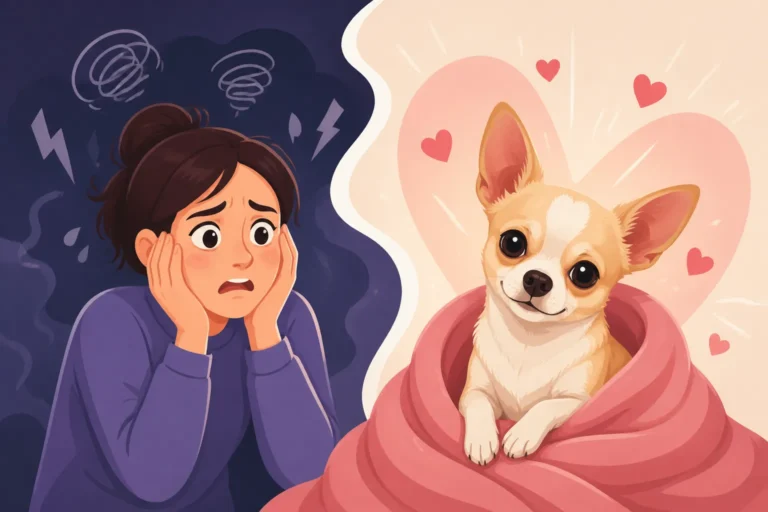
It's incredibly distressing when your sweet, tiny Chihuahua suddenly becomes rigid, almost like a statue, right before they lash out with a bite. Many owners are utterly bewildered by this "freezing" behavior, often mistaking it for stubbornness or just a quirk, only to be surprised by a snap. This guide is here to explain why your Chihuahua freezes, how to recognize this critical warning sign, and most importantly, how to respond safely and proactively prevent bites.
Understanding the "Freeze" Behavior in Chihuahuas
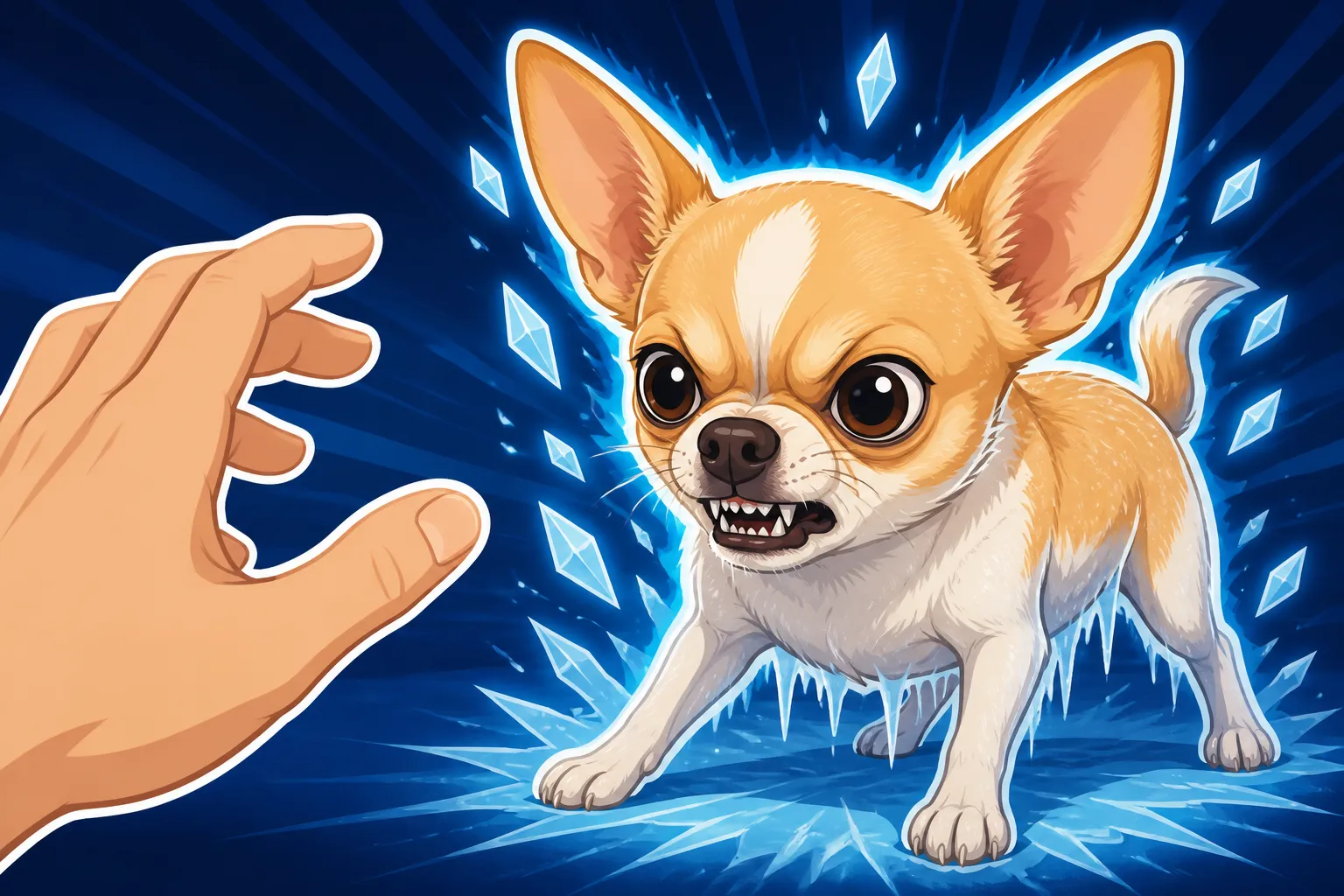
When a Chihuahua freezes, it's not trying to be difficult or defy you; it's communicating a profound level of discomfort, fear, or anxiety. This isn't a behavior unique to Chihuahuas, but their small size and sometimes exaggerated expressions can make it particularly striking and often misunderstood. Ignoring this signal can escalate the situation, potentially leading to a bite.
Why Freezing is a Communication Signal
Think of freezing as a dog's last-ditch effort to avoid conflict before resorting to more assertive (and sometimes aggressive) measures. It’s a moment of indecision, a plea for the perceived threat to stop or move away. Your Chihuahua is saying, "I'm extremely uncomfortable, and I don't know what else to do." They might hold their breath, become visibly tense, or simply stand perfectly still, all muscles taut, often with wide, unblinking eyes. They are hoping their stillness will make the scary thing go away.
This behavior is rooted in their natural instincts. In the wild, freezing can be a survival tactic – either to avoid detection by a predator or to signal to another animal that they are not a threat, or simply to buy time to assess the situation. For our domestic Chihuahuas, especially those who feel vulnerable due to their size, freezing often precedes a defensive action. Understanding that this is a true communication, not just a strange pause, is the first step in addressing the underlying issues. It's a critical moment for you to intervene gently and change the situation.
The Ladder of Aggression
To truly understand freezing, it helps to see it as a step on what's often called "the ladder of aggression." This concept illustrates how dogs typically display increasing levels of stress and discomfort before resorting to a bite. A dog rarely goes from perfectly calm to a full-blown bite without showing a series of signals in between.
Here’s a simplified version of the ladder:
- Subtle Signals: Yawning (when not tired), lip licking (when not eating), head turns, averting gaze, blinking rapidly.
- More Obvious Discomfort: Freezing, hunching body posture, tail tucked, ears back, stiff body, showing the whites of their eyes (whale eye), moving away.
- Warning Signals: Growling, snarling, air snapping (biting at the air), lunging without contact.
- Bite: A quick snap, a warning bite, or a sustained bite that breaks skin.
The "freeze" falls squarely in the middle of this ladder. It means your Chihuahua has moved past the subtle signals and is now in a state of high tension. If the perceived threat doesn't retreat or the situation doesn't change, they are much more likely to escalate to a growl, snap, or bite. Recognizing Chihuahua Body Language Before a Snap is absolutely crucial for any owner, especially those with small breeds that are often picked up or handled without consent.
Common Triggers for Freezing
Chihuahuas, being tiny and often quite sensitive, can have many triggers that lead to freezing. Their small size makes them feel vulnerable, and many everyday situations can become overwhelming.
Here are some common scenarios:
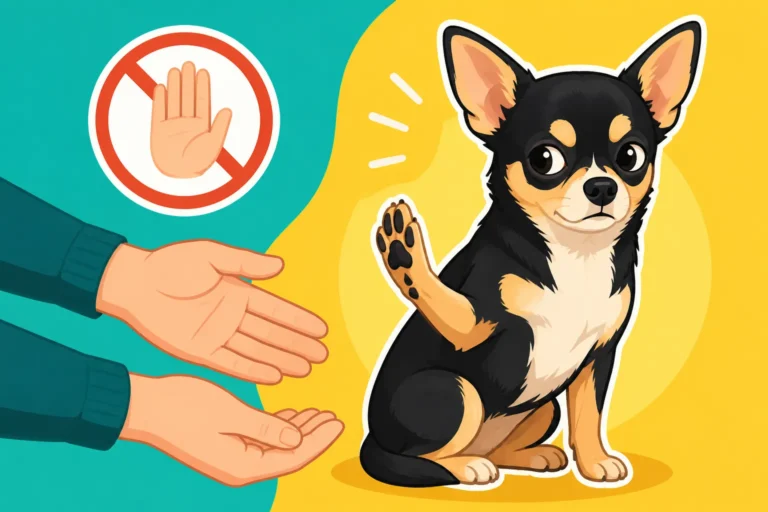
- Reaching for them when they're on furniture: Your Chihuahua might be cozy on the sofa or bed, feeling safe and secure. When a hand reaches in to pick them up without warning, they can feel trapped and threatened. This is especially true if they've had negative experiences with being picked up or if they're guarding a spot.
- Approaching them while they're sleeping or startled: Being woken up abruptly can be disorienting and scary for any dog, but especially for a small Chihuahua. If you lean over them while they're asleep, they might wake up, feel trapped by your looming presence, and freeze in fear.
- Strangers or unfamiliar people approaching quickly: A large, fast-moving stranger can be terrifying for a Chihuahua. If someone extends a hand to pet them without allowing them to approach on their own terms, the Chihuahua might freeze, hoping the person will go away. Many Chihuahuas have Chihuahua Fear Reactivity, the Breed's Real Problem.
- Loud noises or sudden movements: A dropped pan, a loud shout, or a sudden lunge from another dog can cause a Chihuahua to freeze in shock and fear. Their tiny bodies are much more sensitive to environmental changes.
- Being handled in a way they dislike: This could be anything from nail trims, ear cleaning, being restrained for medication, or even just being held too tightly. If they've learned that struggling doesn't work, they might freeze as a last resort before biting.
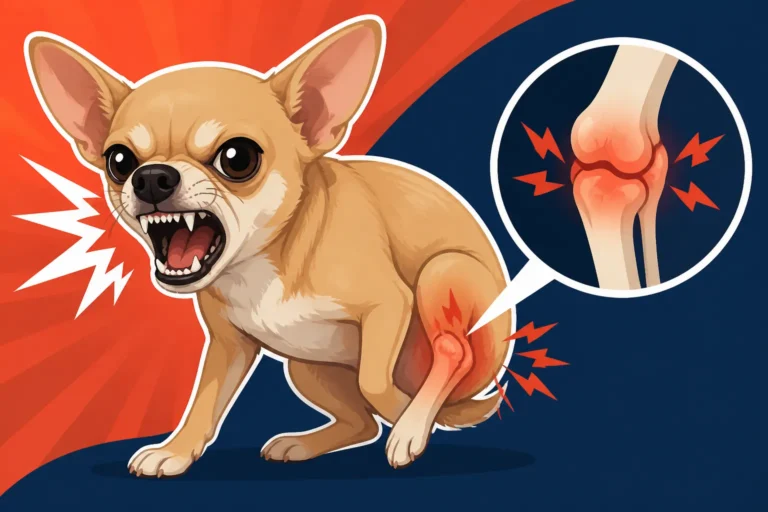
- Pain or discomfort: An underlying medical issue can drastically change a dog's tolerance for interaction. If your Chihuahua is in pain, even a gentle touch can be excruciating. A dog with a luxating patella might freeze if touched on the leg that hurts. In these cases, A Chihuahua Snapping Because Its Knee Hurts might be a sign of physical rather than purely behavioral distress.
Understanding these triggers allows you to be more observant and empathetic. It’s not about your Chihuahua being "naughty," but about them feeling overwhelmed and needing space or a different approach.
Reading Your Chihuahua's Body Language
Successfully preventing a bite means becoming a master interpreter of your Chihuahua's non-verbal communication. Freezing is a very clear signal, but there are often more subtle cues that precede it, giving you an even earlier opportunity to intervene.
Subtle Pre-Freeze Cues
Before a full freeze, your Chihuahua will likely be giving off several "calming signals" or signs of mild stress. These are often missed because they are so subtle, but they are crucial for early intervention.
Look for these:
- Lip licking: Not after a meal, but a quick flick of the tongue over their lips, often in a stressful situation.
- Yawning: Again, not when they are tired. This is a stress-related yawn, often exaggerated.
- Head turn/Averting gaze: Your Chihuahua might turn their head slightly away or avoid making direct eye contact with the perceived threat.
- Blinking rapidly: This can indicate anxiety.
- Sniffing the ground: A dog might suddenly become very interested in sniffing the ground, even if there's nothing there, as a way to disengage from a stressful interaction.
- Stiffening: A subtle tension in their muscles, a slight pause in movement, or a reluctance to move. This is the precursor to the full freeze.
- Tail position: While some Chihuahuas carry their tails high, a sudden low carriage or tucked tail, especially with stiff movement, is a clear sign of unease.
- Ears: Ears flattened against the head or pinned back indicate fear or anxiety.
If you observe any of these signals, consider it your Chihuahua's soft warning. This is your cue to change the situation immediately before it escalates to a freeze or bite. Give them space, remove the stressor, or gently redirect their attention.
The Look of a Frozen Chihuahua
When a Chihuahua truly freezes, the signals become much more pronounced. It's a full-body experience that can look quite intense, especially coming from such a tiny dog.
Here's what to look for:
- Complete stillness: They stop all movement, sometimes mid-step. Their body will be rigid, not relaxed.
- Wide eyes / Whale eye: Their eyes will often be wide open, and you might see the whites of their eyes (the sclera) around the iris, giving them a worried or startled look. Their gaze might be fixed on the perceived threat or appear glazed over.
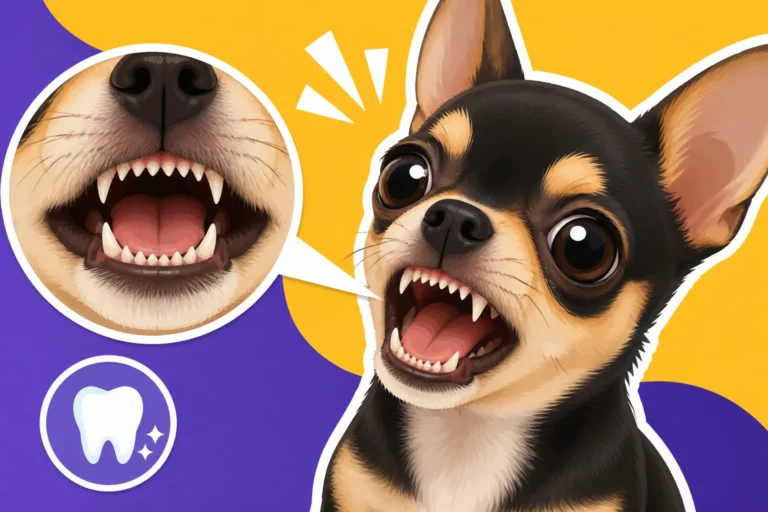
- Tense mouth: Their mouth might be tightly closed, or their lips might be pulled back slightly, showing tension. They won't be panting relaxed, or licking their lips (unless doing so as a last ditch calming signal).
- Low or tucked tail: The tail will often be tucked tightly between their legs, or held very low and stiff, not wagging.
- Ears flattened: Their ears will typically be pulled back against their head or held very stiffly.
- Hunched posture: They might hunch their back slightly, trying to make themselves appear smaller or more protected.
- Holding breath: Sometimes, you can even observe a pause in their breathing.
This combination of signs paints a clear picture of a dog in distress, teetering on the edge of feeling forced to defend themselves. When you see this, you know you're in the critical window before a potential bite.
The Difference Between Freezing and Resting
It’s important not to confuse a Chihuahua that is genuinely freezing in fear with one that is simply resting or being calm. While both involve stillness, the context and accompanying body language are entirely different.
A Resting/Calm Chihuahua:
- Relaxed posture: Muscles will be soft, not rigid.
- Soft eyes: Gaze will be gentle, perhaps a slow blink, not wide or fixed.
- Relaxed mouth: Might be slightly open, or closed but not tense. No lip licking unless something tasty is nearby.
- Natural breathing: Slow, steady, rhythmic breathing.
- Tail relaxed: May be still, gently wagging, or held in a natural position for the breed, not tucked or stiff.
- Ears relaxed: Held naturally, not flattened or stiff.
A Freezing Chihuahua:
- Rigid posture: Every muscle tense, like a statue.
- Hard, wide eyes: Often showing whale eye, fixed gaze.
- Tense mouth: Tight, pulled back, sometimes showing teeth.
- Shallow or held breath: Irregular breathing, sometimes a pause.
- Tucked or stiff tail: Held low or tightly clamped.
- Flattened ears: Pinned back against the head.
If you're ever unsure, err on the side of caution. Assume your Chihuahua is uncomfortable and give them space. It's always better to mistakenly give a calm dog too much space than to accidentally push a fearful dog to bite.
Responding Safely to a Freezing Chihuahua
The moment you observe your Chihuahua freezing is a critical one. Your immediate actions can either de-escalate the situation or push them further into feeling the need to bite. The key is to respond calmly, respectfully, and quickly.
De-escalation Techniques
When your Chihuahua freezes, your primary goal is to relieve their stress and create distance from whatever is causing their discomfort.
Here’s what you should do:
- Stop, step back, and breathe: Immediately stop whatever you are doing. If you were reaching for them, retract your hand slowly. If you were approaching, take a step or two back. Speak in a soft, calm voice, or even better, say nothing at all. Your calm demeanor will help signal that the threat is gone.
- Avoid direct eye contact: Direct eye contact can be perceived as a challenge or threat to a fearful dog. Glance away, look at their paws or over their head, to communicate that you are not a threat.
- Create space: If possible, slowly create more space between your Chihuahua and the trigger. If they are frozen in a corner, open up an exit route. If a child or another pet is the trigger, gently move them away.
- Lure, don't grab: If you need to move your Chihuahua, try to lure them away with a high-value treat, gently tossing it a short distance away to encourage them to move on their own. Never grab, scoop, or force a frozen Chihuahua, as this is very likely to result in a bite.
- Assess the environment: What just happened? What triggered the freeze? Take note so you can avoid similar situations in the future. Was it a loud noise, a sudden movement, or someone too close?
- End the interaction: For now, the interaction is over. Let your Chihuahua retreat to a safe space and decompress. Do not try to cuddle or "reassure" them immediately, as this can be overwhelming for a dog in a heightened state of anxiety.
Remember, Why Harsh Handling Damages a Chihuahua Fast. Your small dog is trying their best to communicate, and it's up to us to listen.
Creating a Safe Space
Proactive measures are often the best defense against freezing and biting behavior. A core strategy is ensuring your Chihuahua always has a safe, comfortable retreat where they feel secure and can escape overwhelming situations.
- A designated "den": This could be a crate covered with a blanket, a comfy bed tucked away in a quiet corner, or even a soft dog bed under a table. This is their sanctuary, and everyone in the household must respect that when the Chihuahua is in their den, they are not to be disturbed. For tiny Chihuahuas, a comfortable crate like those found on Amazon can make a huge difference in creating a secure retreat.
- Baby gates and playpens: These are fantastic tools for managing space, especially if you have children, larger pets, or frequent visitors. A baby gate can give your Chihuahua a separate, safe zone where they can still see and hear the family, but without feeling overwhelmed by direct interaction. This allows them to relax and observe from a distance.
- Consistent boundaries: Teach children and guests how to interact with your Chihuahua, or better yet, how not to interact sometimes. Explain that approaching a sleeping dog, or reaching for a dog on their bed, is off-limits. Remind everyone to ask "May I pet?" and wait for the dog to approach willingly, rather than reaching in. Asking Before You Lift a Chihuahua is a simple yet powerful way to respect their autonomy.
- Plenty of hiding spots: Chihuahuas love to burrow and hide. Provide blankets, pillows, and small tunnels where they can feel safe and hidden. This fulfills a natural instinct and gives them agency over their environment.
By establishing these safe spaces, you empower your Chihuahua to remove themselves from stressful situations before they feel the need to freeze or bite.
When to Seek Professional Help
While understanding body language and implementing safe spaces goes a long way, some freezing and biting behaviors warrant professional intervention. It's a sign that your Chihuahua's fear or anxiety is significant and requires expert guidance.
Consider consulting a professional if:
- The freezing or biting is escalating: If the frequency or intensity of the behavior is increasing, or if your Chihuahua is now biting without prior freezing, it's time for help.
- You feel unsafe: If you or family members are living in fear of being bitten, or if the bites are breaking skin, a professional can provide immediate strategies for safety.
- You don't understand the triggers: If you've tried to identify triggers but are still stumped, a professional can observe and help diagnose the root cause.
- Your own efforts aren't working: Despite your best attempts at de-escalation and management, the behavior persists or worsens.
- The behavior is new or sudden: A sudden onset of freezing or biting can sometimes indicate an underlying medical issue, especially pain. A vet visit is essential to rule out health problems before a behaviorist steps in. A Chihuahua That Snaps Because Its Knee Hurts is a good example of how pain can manifest as aggression.
Look for a certified professional dog trainer, a veterinary behaviorist, or a certified professional behavior consultant. Ensure they use positive reinforcement and fear-free methods. A resource like BAXTER & Bella offers online training programs that can help you understand and address these behaviors with expert guidance, and they often emphasize the importance of seeking in-person help for aggression issues. When Vetting a Trainer Before You Book a Chihuahua, always ask about their methods and experience with small breeds and fear-based behaviors.
Proactive Training and Management to Prevent Freezing and Biting
Preventing future incidents of freezing and biting involves a combination of structured training, environmental management, and a deep understanding of your Chihuahua’s needs.
Desensitization and Counter-Conditioning
These are powerful, humane techniques used to change your Chihuahua's emotional response to triggers.
-
Desensitization: Gradually exposing your Chihuahua to the trigger at such a low level that it doesn't cause a negative reaction. For example, if your Chihuahua freezes when a stranger approaches:
- Start with the stranger very far away, barely noticeable.
- Give your Chihuahua a high-value treat (counter-conditioning).
- Slowly, over many sessions and days/weeks, decrease the distance, always staying below the threshold where your Chihuahua shows stress.
- The goal is for your Chihuahua to remain relaxed and even happy in the presence of the trigger. Building a Chihuahua's Confidence Outdoors often involves this kind of careful, gradual exposure.
-
Counter-Conditioning: Changing your Chihuahua's emotional association with the trigger from negative to positive. Every time the trigger appears (at a sub-threshold level), something good happens. For example, if your Chihuahua freezes when you reach for them:
- Reach your hand out a short distance (not all the way to them).
- Immediately give a treat with your other hand.
- Repeat this many times, gradually moving your hand closer over days, always pairing it with a treat.
- The Chihuahua learns that a hand reaching in means treats, not something scary.
Consistency is key, and never rush the process. If your Chihuahua shows any signs of stress, you've gone too fast or too far, and you need to go back to an easier step. For dogs that are truly fearful, even Desensitising a Chihuahua to the Doorbell can take weeks or months.
Management Strategies for Known Triggers
Management is about preventing your Chihuahua from being exposed to situations that cause them to freeze or bite in the first place. This is not a "cure," but it provides safety while you work on training.
- Avoidance: If you know your Chihuahua freezes around children, manage interactions strictly. Don't leave them unsupervised, use baby gates, or keep the Chihuahua in their safe space when children are present.
- Leash and harness: Always use a well-fitting harness (not a collar, to protect their fragile trachea) when out in public. This gives you control without putting pressure on their neck. Harnesses are readily available on Amazon in tiny sizes.
- Advocacy: Be your Chihuahua's advocate. Don't be afraid to tell people not to pet your dog, or to give them space. A simple "Please give us some space, we're training" is usually sufficient.
- "Go to your mat/place" training: Teach your Chihuahua to go to a specific mat or bed on cue. This gives them a clear, positive instruction to move to a safe spot when a trigger appears. This can be particularly useful when guests arrive.
- Muzzle training: For Chihuahuas with a bite history or high bite risk, Muzzle Training a Small Chihuahua can be a valuable safety tool. It's not a punishment; it's a responsible management tool that allows them to participate in necessary activities (like vet visits) safely while you work on behavior modification. Introduce the muzzle positively with treats and short durations, making it a comfortable experience.
By actively managing their environment, you reduce their stress levels and build their trust that you will keep them safe.
The Role of Consistent Training
Consistent, positive reinforcement-based training builds confidence and provides your Chihuahua with acceptable ways to communicate.
- Basic obedience: Commands like sit, stay, come, and leave it are foundational. They give your Chihuahua structure and give you tools to redirect their attention in challenging situations. The Commands Every Chihuahua Should Know are essential for their safety and your peace of mind.
- Positive associations with handling: Practice gentle handling drills, always pairing touch with high-value treats. Start with very brief, gentle touches in areas your Chihuahua tolerates, working up to more sensitive areas over time. The goal is to make nail trims, ear cleaning, and being picked up positive experiences.
- Socialization (appropriate for fearful dogs): For a fearful Chihuahua, socialization isn't about throwing them into dog parks. It's about careful, controlled exposure to new sights, sounds, people, and other calm, appropriate dogs, always staying below their fear threshold and pairing experiences with positive rewards. Socialization That Does Not Flood a Chihuahua is critical.
- Consent tests: Always offer your Chihuahua the choice to engage. When you reach to pet them, pause and see if they lean into your hand or look away. If they lean in, proceed gently. If they look away, retreat. This builds their trust and reduces the feeling of being ambushed. This is especially important for Chihuahua Handling and Why Carrying Backfires.
By understanding your Chihuahua's communication, managing their environment, and engaging in patient, positive training, you can help them feel safer, reduce their need to freeze, and prevent bites, fostering a happier, more trusting relationship for both of you.
Disclaimer
This article is for general informational purposes only and does not constitute professional advice. Laws, prices and regulations vary by location and change over time. Consult a qualified professional for guidance on your specific situation.