Letting a Chihuahua Opt Out of Handling
It’s a common scenario: you reach down to pick up your tiny Chihuahua, and they flinch, duck away, or even snap. Many Chihuahua owners feel frustrated, believing their dog is just "naughty" or "stubborn," but the truth is often much simpler: your little one is likely telling you they don't want to be handled, and a respectful owner learns to listen. This guide will walk you through understanding why your Chihuahua might want to opt out of handling and how to build a relationship based on consent and trust.
Why "Opting Out" is Crucial for Chihuahuas
For a dog as small as a Chihuahua, the world can be a pretty overwhelming and even scary place. Imagine living in a world where everyone is a giant, and they constantly reach down to grab you without warning. That's often what it feels like for our tiny companions. Being handled, especially roughly or without warning, can feel like a direct threat, leading to fear and defensive behaviors. It's not about being aggressive; it's about self-preservation.
Understanding the Chihuahua's Perspective
Chihuahuas are incredibly vulnerable due to their small stature. A sudden lift can cause them to lose balance, or they might anticipate pain if they’ve had negative experiences in the past, such as being accidentally dropped or squeezed too hard. Their fragile bones and small joints, common concerns like Patellar Luxation, the Chihuahua's Commonest Joint Problem, mean that even well-intentioned handling can be uncomfortable or scary if not done with extreme care. They don't have the luxury of shrugging off a clumsy grab like a larger dog might. Their perception of safety is inherently tied to their control over their own body, and when that control is suddenly taken away, it's a deeply unsettling experience.
Consider a tiny Chihuahua trying to navigate a bustling household. They're at ankle height, constantly dodging feet, and every large hand descending from above can feel like a predatory bird. This creates a baseline of anxiety for many Chihuahuas, and being picked up without warning can spike that anxiety. It's crucial to remember that their fear response, whether it's trembling, trying to escape, or even a quick snap, isn't an act of defiance, but a communication of distress.
The Dangers of Forced Handling
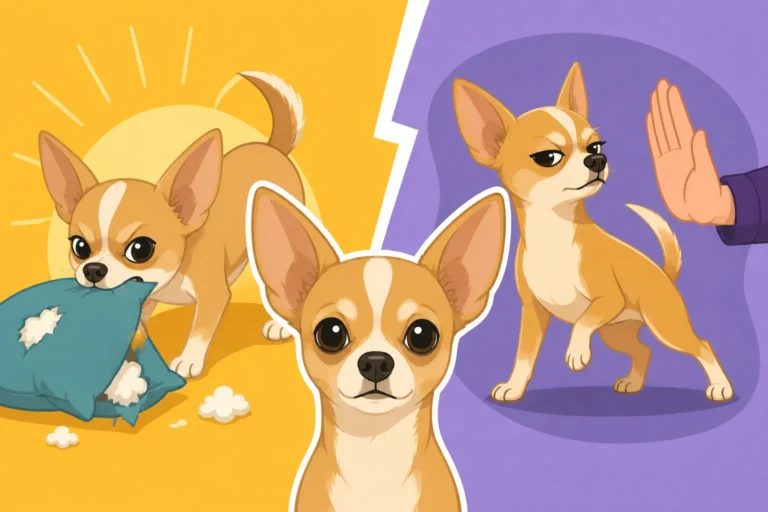
Forcing a Chihuahua into handling, whether it's picking them up, holding them still, or making them endure uncomfortable situations, can severely damage your bond and exacerbate behavioral issues. When a dog learns that their signals of discomfort are ignored, they will often escalate their warnings. A subtle lip lick might turn into a growl, and a growl might turn into a bite. This isn't because they're "bad dogs," but because their earlier, milder attempts at communication were unsuccessful.
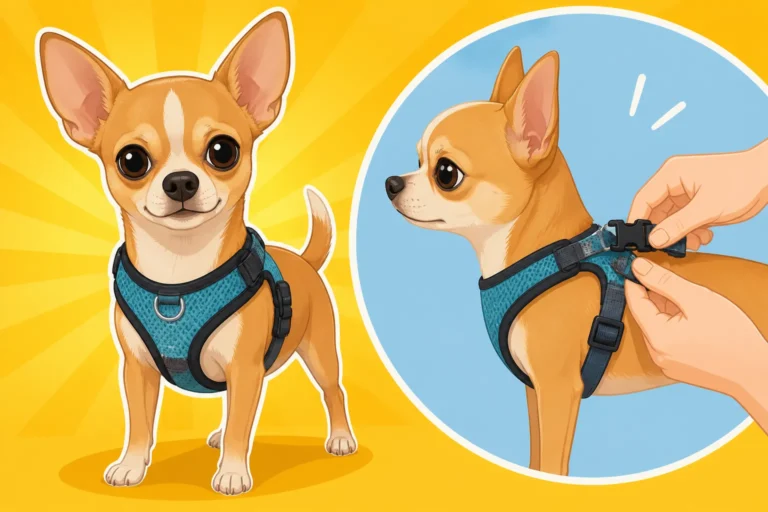
Beyond behavioral problems, forced handling can lead to physical risks. A struggling Chihuahua can easily slip from hands, potentially causing serious injury due to their delicate build. They might jump from a height, or, if on a leash, could be choked by collar pressure if they're trying to escape being picked up by their collar. This is why understanding Why Collar Pressure Damages a Chihuahua Trachea is so important; a harness is almost always a safer choice for daily walks and handling. Long-term, a dog that is constantly stressed by handling may develop chronic anxiety, affecting their overall health and quality of life. They might begin to generalize their fear, becoming apprehensive not just of being picked up, but of hands reaching towards them in general, leading to problems during vet visits, grooming, or even just receiving affection.
How to Teach a Chihuahua to Accept Handling
Building trust and teaching your Chihuahua that handling can be a positive experience is a gradual process centered on positive reinforcement and offering choices. The goal isn't to force them to tolerate handling, but to associate it with good things and to give them the power to say "yes" or "no." This approach creates a more confident and comfortable dog, who is less likely to resort to defensive behaviors.
Building a Foundation of Trust
Before you even think about picking your Chihuahua up, focus on building a strong, positive relationship. This means interacting with them in ways that make them feel safe and respected. Spend time on the floor at their level. Offer treats for voluntary interaction and approach. Use a gentle, calm voice and avoid sudden movements. Begin with brief, gentle touches in areas they already enjoy, like a quick stroke on the chest or behind the ears, always followed by a tiny, high-value treat. The emphasis here is on voluntary engagement. If they lean into your touch, reward that. If they move away, respect their space.
One fantastic way to build this foundation is through positive reinforcement training. Enrolling in an online puppy class, such as those offered by BAXTER & Bella, can provide structured lessons on consent and gentle handling, teaching you how to use markers and rewards effectively. It helps your Chihuahua learn that interacting with you is rewarding and predictable, not a scary surprise. Regular, short training sessions, even just three minutes at a time, where your Chihuahua is always successful, will build their confidence and reinforce that you are a reliable source of good things. Think about how much confidence your Chihuahua gains when you let them choose to approach you, rather than you always initiating the contact.
Introducing the "Consent Test"
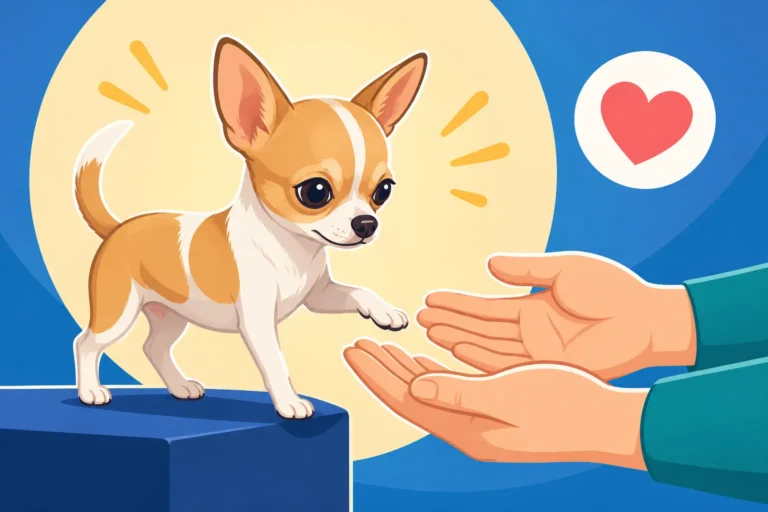
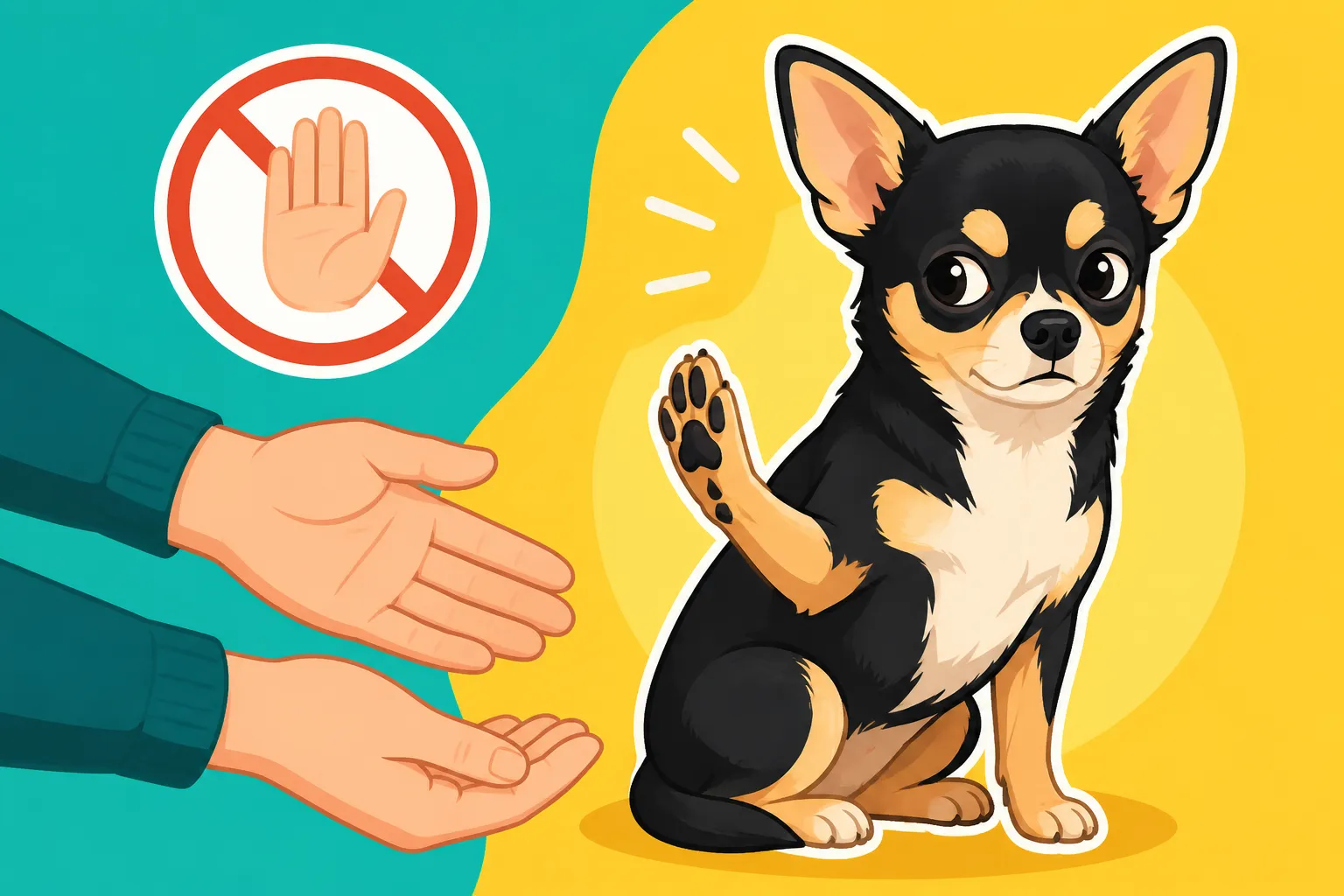
The "consent test" is a simple but powerful technique to gauge if your Chihuahua is open to being handled at a particular moment. Instead of just grabbing them, reach out your hand slowly and hold it still a few inches away from their body, offering a treat in your open palm. Watch their response carefully.
- "Yes" signals: If your Chihuahua leans into your hand, licks your fingers, or nudges for the treat, they are likely consenting to a bit more interaction.
- "No" signals: If they pull back, turn their head away, avert their gaze, or freeze, they are telling you they're not comfortable right now.
If they say "yes," give them the treat, offer a very brief, gentle stroke, and then immediately remove your hand. Reward again for staying calm. If they say "no," simply withdraw your hand and respect their decision. Do not try to lure them closer or force the interaction. The key is to make these interactions incredibly brief and always positive. Over time, your Chihuahua will learn that they can communicate their preferences, and that you will listen. This dramatically reduces their anxiety because they no longer feel trapped or helpless. This method applies to all forms of handling, from a simple pat to preparing them for Chihuahua Nail Trimming at Toy Size.
Practical Strategies for Everyday Handling
Once you've started building a foundation of trust and introducing the consent test, you can apply these principles to more specific, often challenging, handling situations like vet visits, grooming, and interactions with strangers. The goal is to make these necessary parts of life as stress-free as possible for your tiny companion.
Managing Vet and Grooming Appointments
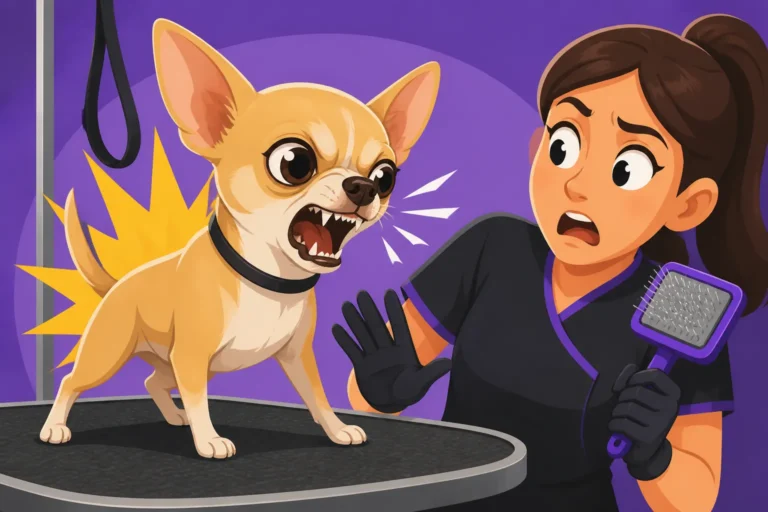
Vet visits and grooming sessions are often unavoidable and can be highly stressful for Chihuahuas, precisely because they involve a lot of unavoidable handling by strangers. Your role here is to be your Chihuahua's advocate. Before the appointment, inform the vet staff or groomer that your Chihuahua is sensitive to handling and that you are working on consent. Ask them to approach slowly, speak softly, and use treats. You can bring high-value treats from home (tiny bits of cooked chicken or cheese work wonders for a Chihuahua).
During the examination, ask the vet to pause if your Chihuahua shows signs of stress. You can offer a continuous stream of treats while the vet is performing a procedure, creating a positive association. For grooming, practice short, positive sessions at home, getting your Chihuahua used to brushes, nail clippers, and toothbrushes. For example, you can find a variety of small, soft brushes suitable for a Chihuahua on Amazon. Introduce these tools slowly, pairing each touch with a treat. If your Chihuahua really struggles, consider discussing anti-anxiety medication with your vet for these specific high-stress situations. Remember, a calm, gradual approach is far better than a rushed, fear-inducing one, especially when dealing with critical health checks like Chihuahua Dental Disease in a Crowded Small Jaw or Mitral Valve Disease in an Older Chihuahua.
Educating Friends and Family
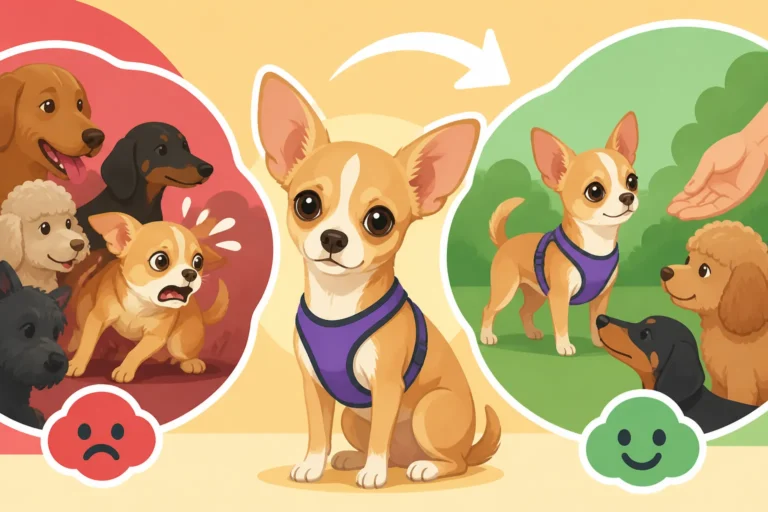
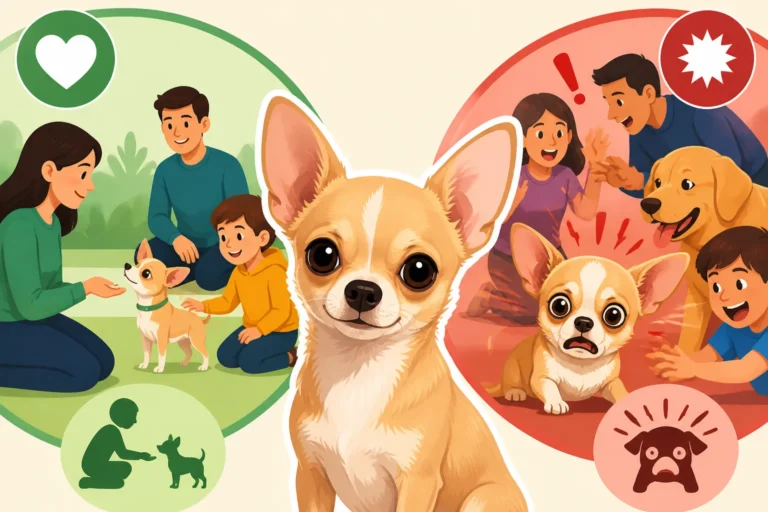
Your friends and family, while well-meaning, might inadvertently contribute to your Chihuahua's fear of handling. It's crucial to educate them on how to interact respectfully. Explain the concept of the "consent test" and ask them to always let your Chihuahua approach them first. Instruct them to offer a hand for sniffing at a low level and to avoid reaching over their head or picking them up without permission.
Provide clear rules: "Please don't pick [Chihuahua's Name] up unless he comes to you and asks, and even then, let me do the lifting." For children, supervision is key, and teaching them Showing a Child How to Hold a Chihuahua properly and gently is paramount. Explain that Chihuahuas are not toys and need gentle interactions. You might even set up a safe space, like a comfortable crate or a dog bed in a quiet corner, where your Chihuahua can retreat if they feel overwhelmed. This gives them an "opt-out" option from social interactions as well, preventing them from feeling cornered and resorting to defensive behaviors. These boundaries are vital for their well-being and for preventing incidents where they feel compelled to protect themselves by nipping or biting.
Recognizing and Respecting Your Chihuahua's "No"
Learning to read your Chihuahua's body language is perhaps the most important skill you can develop as an owner. They are constantly communicating, but their signals can be subtle, especially when they are trying to be polite. Respecting their "no" isn't about letting your dog be "spoiled"; it's about acknowledging their autonomy and preventing escalation to more overt, and potentially dangerous, warnings.
Decoding Chihuahua Body Language
Chihuahuas use a complex array of signals to express their discomfort or their desire to be left alone. It's important to understand these nuances.
| Signal | What it Looks Like | What it Means |
|---|---|---|
| Lip Licking | Rapidly licking their nose or the air, no food present | Stress, mild anxiety, trying to calm themselves or others |
| Yawning | Slow, deliberate yawn, no sign of tiredness | Stress, conflict, trying to diffuse a situation |
| Head Turn | Turning head or entire body away from interaction | Discomfort, trying to avoid, "please stop" |
| Whale Eye | White of the eye is visible at the sides or bottom | Stress, fear, feeling threatened |
| Freezing | Becoming completely still, stiff posture | Extreme fear, preparing for flight or fight |
| Low Growl | Soft, rumbling sound from deep in the chest | Clear warning, "I am very uncomfortable, back off" |
| Tail Tucked | Tail held low between legs, close to body | Fear, submission, insecurity |
| Trembling | Shaking, often accompanied by tucked tail, crouched body | Fear, anxiety, cold (distinguish from Why a Chihuahua Shivers Indoors) |
These signals are their way of saying, "I'm not comfortable." If you see these, stop what you are doing, give them space, and re-evaluate your approach. Ignoring these early warning signs teaches your Chihuahua that they have to escalate to a snap or bite to be heard, leading to A Chihuahua That Freezes Before It Bites or Reading a Chihuahua's Whale Eye. A calm, confident Chihuahua is one who knows their boundaries will be respected.
When to Seek Professional Help
If your Chihuahua consistently shows fear or aggression related to handling, despite your best efforts at positive reinforcement and consent, it might be time to bring in a professional. This isn't a sign of failure on your part, but rather an acknowledgment that some behaviors require specialized guidance. Look for a certified professional dog trainer or a veterinary behaviorist who specializes in positive reinforcement and fear-free methods. Avoid any trainer who suggests punitive measures, dominance theory, or "alpha" techniques, as these will only worsen a fearful Chihuahua's behavior.
A good professional will assess your Chihuahua's specific triggers and help you develop a tailored plan. They can teach you more advanced techniques for desensitization and counter-conditioning, gradually changing your Chihuahua's emotional response to handling. They might also suggest that medical issues, such as undiagnosed pain from Chihuahua Arthritis in the Teenage Years or Chihuahua Back and Neck Pain, could be contributing to the behavior. A veterinarian can rule out any underlying health problems that make handling painful or uncomfortable. Remember, seeking help is a proactive step towards ensuring your Chihuahua lives a happier, more confident life. It's about providing them with the tools and support they need to navigate a big world safely and comfortably.
Disclaimer
This article is for general informational purposes only and does not constitute professional advice. Laws, prices and regulations vary by location and change over time. Consult a qualified professional for guidance on your specific situation.