Reading a Chihuahua’s Whale Eye
It’s easy to dismiss a Chihuahua’s subtle body language cues as just "being dramatic" or "being a Chihuahua," but missing these vital signals can lead to misunderstandings, fear, and even nips. One of the most critical, yet often overlooked, signs that your tiny companion is feeling deeply uncomfortable or stressed is what we call "whale eye." This guide will help you understand precisely what whale eye looks like in your Chihuahua, why it happens, and most importantly, how to respond to prevent escalation and build a stronger, more trusting relationship with your sensitive little friend.
What "Whale Eye" Really Means in a Chihuahua
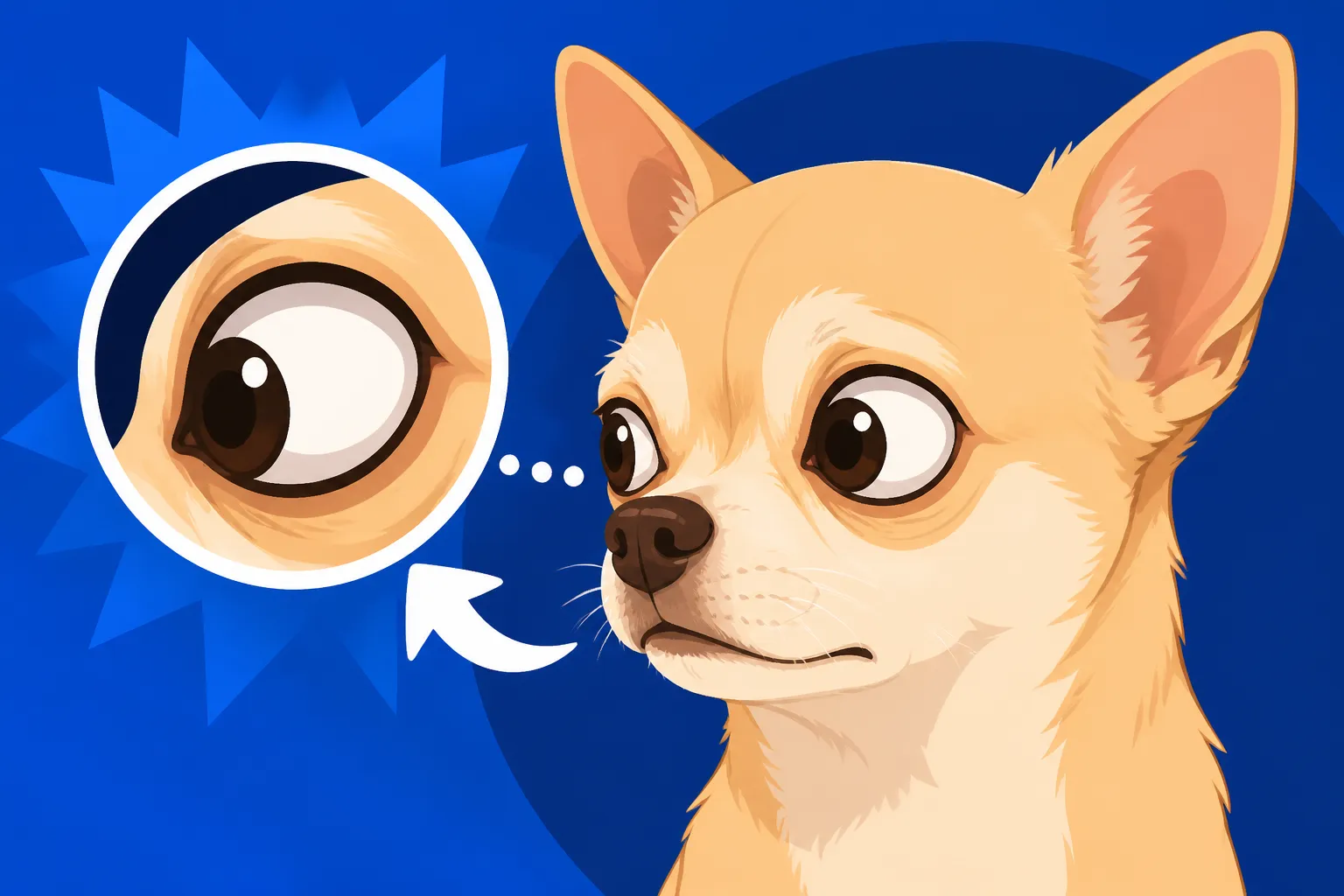
When we talk about "whale eye," we're describing a specific visual cue in a dog's body language where the whites of their eyes are clearly visible, usually around the iris, giving their eye a rounded, often anxious, appearance. Imagine a whale peeking out of the water, and you'll get the visual. For many larger, more stoic breeds, this might be a subtle hint, but in a Chihuahua, with their often prominent, expressive eyes, it's a flashing red light that they are deeply uneasy, anxious, or feeling cornered. It's a signal that says, "I'm stressed, please back off."
The Visual Cues of Whale Eye
Whale eye isn't just a fleeting glance; it's a sustained exhibition of the whites of your Chihuahua's eyes. You'll typically see it when your dog turns its head away from something that's bothering them, but their eyes remain fixed on the source of their anxiety. Their head might be turned slightly, but their eyes are swiveled to the side, revealing that crescent of white sclera above or below the iris. Sometimes, it's accompanied by other stress signals: a tucked tail, flattened ears, lip licking, yawning, or even a tense, frozen posture. They might even hold their breath for a moment or begin to tremble. These subtle signs are often precursors to a snap or growl, especially in a breed like the Chihuahua, which often feels the need to defend itself when it feels threatened. It's a clear indication of internal conflict – they want to escape, but they're stuck.
| Body Language Cue | What it Looks Like | Chihuahua Interpretation |
|---|---|---|
| Whale Eye | Whites of eyes visible, head turned away but eyes fixed. | Deep stress, anxiety, feeling cornered. |
| Lip Licking | Quick lick of the nose or lips, often without food present. | Stress, appeasement, trying to calm self. |
| Yawning | Wide yawn when not tired. | Stress, anxiety, appeasement. |
| Tucked Tail | Tail held low between legs. | Fear, submission, insecurity. |
| Flattened Ears | Ears pressed back against the head. | Fear, submission, discomfort. |
| Trembling | Shivering, sometimes accompanied by tense muscles. | Cold, extreme fear, anxiety, stress. |
| Freezing | Becoming suddenly still, rigid posture. | Fear, preparing for flight or fight. |
| Growling | Low rumble, often with bared teeth. | Warning, "do not come closer." |
| Snapping | Quick, air bite, often without contact. | Final warning, "I will bite if you don't stop." |
Why a Chihuahua Shows Whale Eye
Chihuahuas show whale eye for the same fundamental reason any dog does: they're experiencing discomfort, fear, or a sense of being trapped. However, given their tiny size, the world can be an overwhelmingly large and intimidating place. What might be a minor inconvenience for a larger dog can be a significant threat to a Chihuahua. A looming hand, a loud voice, a child moving too quickly, or even being picked up unexpectedly can trigger this intense feeling of anxiety. They might be trying to avoid direct eye contact, which can be seen as confrontational in dog-speak, while still keeping an eye on the perceived threat. This internal conflict—the desire to avoid and the need to monitor—is what often results in the distinctive whale eye. It's their polite, yet firm, way of saying, "I'm not okay with this." Ignoring it can teach your Chihuahua that their subtle warnings are ineffective, forcing them to escalate to more pronounced behaviors like growling or a Chihuahua that freezes before it bites.
Common Triggers for Whale Eye in Chihuahuas
Understanding what whale eye looks like is only half the battle; knowing why your Chihuahua is exhibiting it is crucial for prevention and effective management. Chihuahuas, despite their often sassy personalities, are incredibly sensitive creatures, and many common interactions can become triggers for stress and anxiety, leading to that tell-tale whale eye.
Handling and Physical Interaction
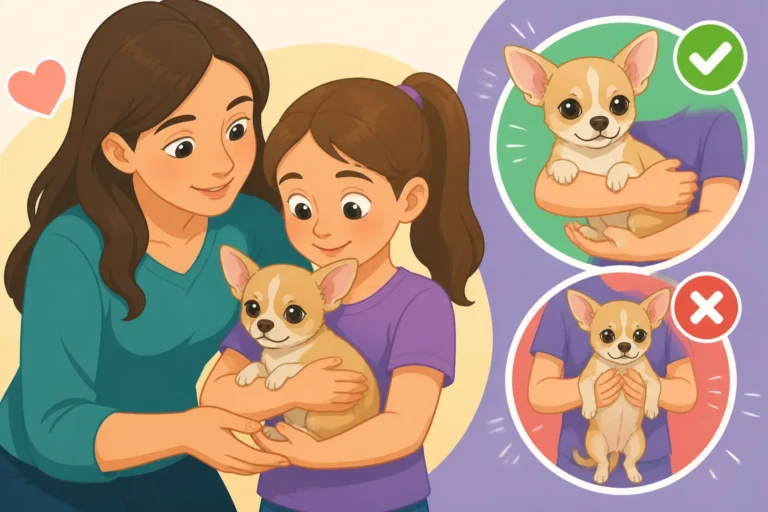
One of the most frequent triggers for whale eye in Chihuahuas is handling, especially when it's unexpected or feels invasive to them. Think about it: they are tiny, constantly being scooped up, cuddled, or moved without their explicit consent. While many owners adore carrying their Chihuahuas, this practice, if not done with care and respect, can inadvertently create a dog that is always bracing for impact or feeling out of control. Chihuahua handling and consent is a huge topic for a reason.
- Sudden Picking Up: A hand reaching down quickly from above can feel like a predator's claw to a small dog. If your Chihuahua shows whale eye when you go to pick them up, they're telling you they feel threatened or surprised.
- Unwanted Cuddles: While you might see a hug as affection, a Chihuahua might experience it as being restrained. If you're holding them close and they're stiff, looking away with whale eye, they're signaling discomfort.
- Rough Play: Children, or even well-meaning adults, who play too roughly or don't respect a Chihuahua's boundaries can quickly make them feel overwhelmed. A hand chasing them under furniture or grabbing them can cause significant stress.
- Nail Trims or Grooming: Tasks like nail trims, ear cleaning, or even brushing can be deeply unsettling for some Chihuahuas. If they're showing whale eye during these moments, it's a clear plea for you to slow down, be gentler, or take a break.
- Vet Visits: The vet's office is a high-stress environment for many dogs, and Chihuahuas are no exception. Being held for injections, examinations, or even just being on a cold metal table can induce whale eye as they try to cope with the unfamiliar sensations and perceived threats.
It’s vital to teach your Chihuahua that human hands mean good things and that they have agency. A great way to do this is by using positive reinforcement for calm handling, and teaching them to "opt in" to being picked up or touched. Resources like those offered by BAXTER & Bella can provide structured guidance on teaching consent to your dog, transforming handling from a stressful event into a cooperative one.
Environmental Stressors and Strangers
Beyond direct physical interactions, Chihuahuas are often highly reactive to their environment. Their small stature means that even everyday elements can be perceived as enormous threats, and their keen senses pick up on nuances that larger dogs might ignore.
- Loud Noises: A sudden loud noise – a dropped pot, a car backfiring, a child screaming – can startle a Chihuahua profoundly. When they freeze and their eyes go wide with whale eye, they are in a state of alarm.
- Approaching Strangers or Other Dogs: A new person or an unfamiliar dog, especially a large one, can be terrifying to a Chihuahua. They might show whale eye as they try to gauge the threat while simultaneously wishing it would disappear. This is a classic sign of fear-based reactivity in a Chihuahua. They may be trying to be polite, or they might be preparing to try and make the scary thing go away.
- Unfamiliar Environments: Taking your Chihuahua to a busy pet store, a friend's house, or a park full of rambunctious dogs can be overwhelming. The sheer volume of new sights, sounds, and smells can trigger anxiety, and you might see whale eye as they try to process it all. This highlights why socialization that does not flood a Chihuahua is so important.
- Being Cornered or Unable to Escape: This is perhaps the most dangerous trigger. If a Chihuahua feels like they cannot escape a situation (e.g., being held down, trapped in a small space with a perceived threat, or approached by an insistent child), whale eye will be highly evident. This is where the "fight" part of "flight or fight" can easily manifest. It’s critical to always provide an escape route.
Recognizing these triggers means you can often anticipate and mitigate them. If you know your Chihuahua gets anxious around new people, consider managing introductions carefully, perhaps keeping them on a leash or in a designated safe space, allowing them to approach on their own terms. Carrying a special blanket or a small, portable bed that smells like home, perhaps one bought from Amazon that they associate with comfort, can also provide a sense of security in new environments.
How to Respond When Your Chihuahua Shows Whale Eye
Seeing your Chihuahua display whale eye means they're not just being dramatic; they're genuinely distressed. Your immediate response is crucial. How you react can either escalate their fear and potentially lead to a defensive snap, or it can de-escalate the situation, build trust, and teach them that you are their protector. The goal is always to reduce the perceived threat and create a sense of safety.
De-escalation Techniques
When you spot whale eye, the first thing you need to do is identify the trigger and remove or reduce it if possible. Your calm demeanor is key here; projecting your own anxiety will only heighten theirs.
- Stop the Interaction Immediately: If you are handling them, grooming them, or if someone else is interacting with them, stop. Gently cease whatever is happening. If they are being held, slowly and calmly lower them to the ground or a safe, quiet space. Do not force further interaction.
- Increase Distance: If the trigger is an approaching person, another dog, or a loud environment, calmly increase the distance. Walk away, step between your Chihuahua and the trigger, or move them to a quieter room. Giving them space is paramount.
- Avoid Direct Eye Contact: Direct eye contact can be perceived as a challenge or a threat by an anxious dog. Soften your gaze, look slightly away, or even blink slowly.
- Speak Softly and Calmly: Use a low, soothing tone of voice. Avoid high-pitched exclamations or harsh commands, which can further startle them. A simple, quiet "It's okay, little one" can be reassuring.
- Offer a Safe Retreat: Guide them to their bed, crate, or a quiet corner where they feel secure. Don't force them into it, but offer it as an option. Many Chihuahuas love burrowing into blankets or a soft bed to feel safe, which you can easily find on Amazon.
- Do Not Punish: Never scold, yell at, or physically correct your Chihuahua for showing whale eye or other fear signals. This will only teach them to suppress their warnings, making them more likely to bite without prior communication. You want them to feel safe communicating their discomfort. Remember, a growl or whale eye is a warning sign; punishing it removes the warning, not the underlying fear.
For example, if your Chihuahua is showing whale eye because a child is excitedly trying to pet them, your immediate action should be to gently intervene, redirect the child, and create space between them. You might say, "Let's give [Chihuahua's name] some space right now, they're feeling a bit shy." Then, lead your Chihuahua to a calm area.
Building Trust and Confidence
De-escalating in the moment is reactive, but the long-term goal is to proactively build your Chihuahua's confidence and trust so they feel less need to display whale eye in the first place.
- Teach Consent for Handling: Instead of just scooping your Chihuahua up, teach them a cue. Offer your hands, wait for them to lean in or step onto your hands, then lift. If they back away, respect that. This gives them a sense of control over their body. Tools and guidance from programs like BAXTER & Bella often emphasize teaching consent for handling.
- Positive Exposure to Triggers: Gradually and safely expose your Chihuahua to previous triggers at a distance where they remain comfortable. This is called desensitization and counter-conditioning. For instance, if they show whale eye around strangers, start by having a stranger stand far away, out of sight, and reward your Chihuahua with high-value treats (think tiny pieces of cheese or cooked chicken, perfect for a Chihuahua's small calorie budget) for simply looking at the stranger without whale eye. Slowly, over days or weeks, decrease the distance.
- Create Safe Spaces: Ensure your Chihuahua has a comfortable, quiet den or crate where they can retreat and feel completely undisturbed. This should be their sanctuary, and everyone in the household must respect their privacy when they are there.
- Consistent Positive Reinforcement: Reward all calm, confident behaviors. If your Chihuahua approaches a new object without fear, reward them. If they calmly allow a gentle pet, reward them. Focus on what you want them to do.
- Respect Their Boundaries: If your Chihuahua signals discomfort, respect it. Don't push them into interactions they don't want. This builds immense trust and teaches them that you listen and protect them. This means letting a Chihuahua choose to approach rather than forcing interaction.
- Daily Confidence Building: Engage in short, fun training sessions daily using positive reinforcement. Teach them simple tricks or obedience cues. Even three-minute sessions can boost their confidence and strengthen your bond. When a Chihuahua feels competent and understands what you're asking, it reduces general anxiety. You can find excellent treats small enough for Chihuahua training on Amazon.
By consistently responding with understanding and working to build their confidence, you'll help your Chihuahua feel more secure in their world. This shift in their emotional state will lead to fewer instances of whale eye and a more relaxed, happier companion.
Preventing Whale Eye Through Positive Training
Preventing whale eye is all about understanding your Chihuahua, respecting their boundaries, and proactively building their confidence through positive, fear-free training methods. It's about recognizing that a small dog isn't a miniature human or a toy, but a dog with complex emotions, fears, and needs that are often amplified by their size.
Understanding Chihuahua Body Language Before a Snap
Whale eye is a clear signal, but it's often not the first signal. Chihuahuas, like all dogs, communicate in a rich language of subtle cues before they ever resort to growling or snapping. Learning to read these earlier, more nuanced signs can help you intervene long before whale eye appears, let alone a bite.
Think of it as a ladder of aggression:
- Lowest Rungs (Subtle Stress): Lip licking, yawning (when not tired), head turns, sniffing the ground, looking away, freezing for a split second, soft panting, trembling and weakness in a Chihuahua puppy. These are often dismissed, but they are crucial.
- Middle Rungs (Clearer Warnings): Whale eye, tucked tail, flattened ears, low body posture, lifting a paw, attempting to move away. These are unmistakable signs of discomfort.
- Higher Rungs (Last Resorts): Growling, barking, snapping (air bites), lunging, biting. These happen when all earlier warnings have been ignored or misunderstood.
A Chihuahua that is constantly showing whale eye is already quite high on this ladder. Our goal as responsible owners is to catch them on the lowest rungs. For instance, if you're approaching them and they turn their head slightly away or give a quick lip lick, that's your cue to slow down or reconsider your approach. If you notice a Chihuahua that freezes before it bites, that's an extremely serious sign.
Many trainers, including those found through resources like BAXTER & Bella, emphasize teaching owners to read their dog's subtle signals. This isn't just about avoiding bites; it's about fostering a deeper, more empathetic connection with your dog, one where you truly understand their internal state. This proactive approach helps prevent situations where your Chihuahua feels cornered and resorts to whale eye.
Setting Up for Success
Proactive steps in your daily routine can dramatically reduce the need for your Chihuahua to show whale eye. It’s about structuring their environment and interactions to minimize stress and maximize their sense of security.
- Manage Their Environment: Identify and, where possible, mitigate stressors. If your Chihuahua gets stressed by the mail carrier, consider using window film or playing music to muffle outside sounds. Create quiet zones in your home where they can truly relax. If they are bothered by other dogs on walks, change your walking route or timing.
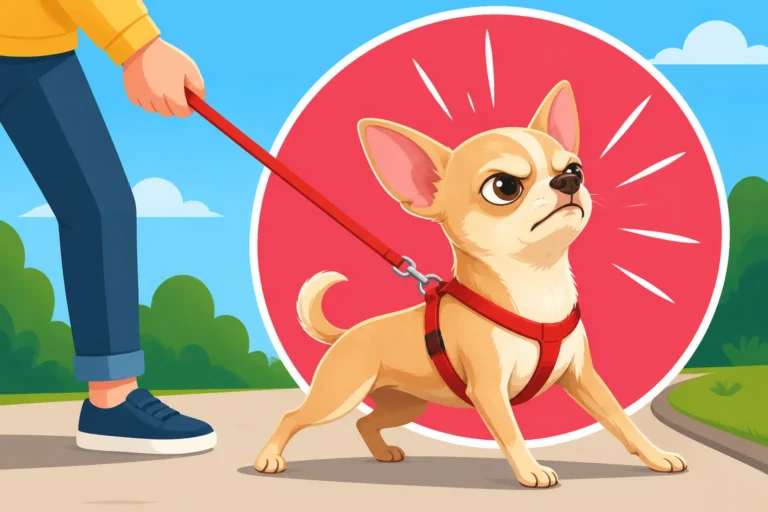
- Use Appropriate Gear: For walks, always use a well-fitting harness rather than a collar, especially given the breed's propensity for collapsing trachea and the Chihuahua honking cough. A harness distributes pressure evenly and prevents discomfort that can exacerbate anxiety during walks. Many excellent, tiny harnesses are available on Amazon.
- Educate Others: Gently educate family members, friends, and especially children about how to interact safely and respectfully with your Chihuahua. Explain their body language and the importance of allowing the dog to initiate contact. This might involve setting up "no-go" zones or teaching children how to show a child how to hold a Chihuahua gently, if at all.
- Prioritize Quality Over Quantity for Socialization: Instead of forcing your Chihuahua into large, overwhelming social situations, focus on controlled, positive interactions. Small playdates with calm, appropriately sized dogs or quiet interactions with dog-savvy adults are far more beneficial than crowded dog parks, which can be truly terrifying for a tiny dog and even lead to why dog parks are dangerous for a Chihuahua.
- Enroll in Positive Reinforcement Training: Even if your Chihuahua isn't showing major behavior issues, a positive reinforcement class (or online program) can be incredibly beneficial. It builds confidence, strengthens your bond, and teaches you both valuable communication skills. Look for trainers who specialize in positive, force-free methods and who understand the unique needs of small breeds. Finding a trainer who takes a Chihuahua seriously is crucial.
- Provide Enrichment: Boredom can also lead to stress. Offer puzzle toys, safe chews, and short, engaging training sessions to keep their minds active. Mental stimulation can be just as tiring and fulfilling as physical exercise.
By creating a predictable, safe, and respectful environment, you empower your Chihuahua to navigate their world with more confidence. When they feel secure, understood, and protected, the need to exhibit stress signals like whale eye diminishes significantly, leading to a happier, more balanced life for everyone.
Disclaimer
This article is for general informational purposes only and does not constitute professional advice. Laws, prices and regulations vary by location and change over time. Consult a qualified professional for guidance on your specific situation.