Asking Before You Lift a Chihuahua
It's a common sight: a tiny Chihuahua being scooped up into loving arms, often without a second thought. Many owners do it out of affection, protection, or just convenience. However, what feels like a simple gesture to us can actually be a terrifying, unpredictable event for a small dog like a Chihuahua, leading to fear, distrust, and even defensive behaviors. This guide will walk you through why approaching lifting with "consent" is so important for your Chihuahua's emotional and physical well-being, and how to foster a relationship built on mutual respect and understanding, making handling a much more positive experience for both of you.
Why "Asking" Your Chihuahua Before Lifting is Crucial for Trust and Safety
Imagine being a tiny creature in a world of giants, where you can be swooped up at any moment, without warning. That's often what life feels like for a Chihuahua. Their small stature, while endearing, makes them incredibly vulnerable, and sudden, unexpected handling can trigger deep-seated fear responses. Understanding their perspective is the first step toward building a more respectful and trusting relationship.
The Chihuahua's Perspective: Why Being Grabbed is Terrifying
For a dog, especially a small one, control over their own body is paramount. When a human reaches down and scoops them up without any preceding signal or invitation, it removes their agency. They lose control, they can't see what's happening, and they're suddenly suspended. This can be genuinely frightening. Think about it: if someone much larger than you suddenly grabbed you and lifted you off your feet, wouldn't you be startled, even if you knew they meant well? For a Chihuahua, this feeling is amplified because they are so physically vulnerable.
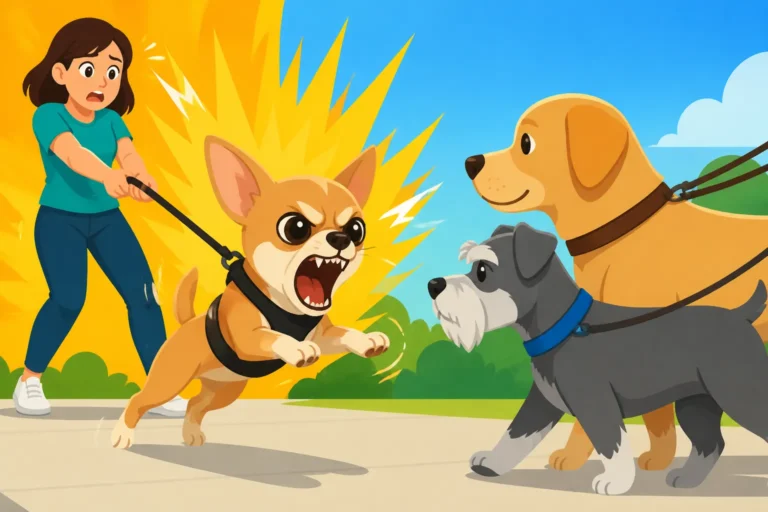
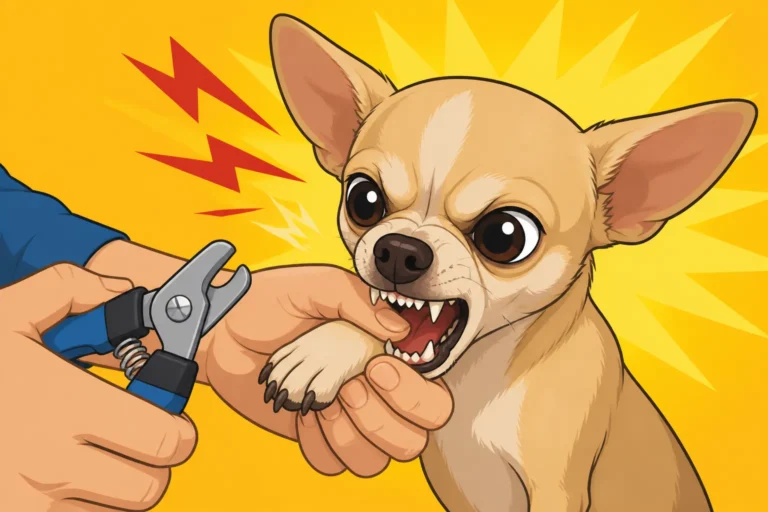
A Chihuahua's natural instinct when startled or feeling threatened is often to flee. If they are suddenly trapped in your arms, that flight response can't engage. This can lead to a "fight" response – a growl, a snap, or even a bite – because it's their only remaining option to communicate their distress. Many owners are puzzled when their otherwise sweet Chihuahua snaps when picked up, attributing it to "bad behavior" or "small dog syndrome." In reality, it's often a desperate plea for personal space and control. Why Picking a Chihuahua Up Makes Fear Worse delves into this more deeply. They aren't trying to be "naughty"; they're reacting out of fear. This dynamic often explains why some Chihuahuas develop fear reactivity, becoming wary of hands, strangers, or even family members who approach them quickly.
Furthermore, being lifted can be associated with unpleasant experiences if not done gently or if it leads to feeling unsteady. A wobbly lift, an accidental bump, or feeling constrained can cement this negative association. Over time, your Chihuahua might start to evade hands altogether, hide under furniture, or even become defensive when anyone reaches towards them. We want to avoid these negative associations and ensure that handling is a calm, predictable, and positive interaction.
Physical Vulnerability: More Than Just a Minor Drop
Beyond the emotional impact, there's a very real physical risk when lifting a Chihuahua carelessly. Their tiny bodies are delicate. They have fine bones and fragile joints, making them susceptible to injury from even a short fall or clumsy handling. A common concern for Chihuahuas is patellar luxation, where their kneecap can slip out of place. A sudden twist or jolt during an unexpected lift could exacerbate or even cause such an issue. A Chihuahua Snapping Because Its Knee Hurts is a good read if you suspect pain is involved in your Chihuahua's reactions to handling.
Their necks and backs are also vulnerable. A Chihuahua's small vertebrae and delicate tracheas can be easily injured. Rough handling or dropping them, even from a relatively low height, could lead to serious spinal issues or tracheal collapse. Chihuahua Back and Neck Pain explains the potential dangers to their tiny frames. We're talking about dogs that can weigh as little as a few pounds; even a small misstep on our part can have significant consequences for them. This isn't about being overly cautious; it's about being realistically aware of their physical fragility. Many owners don't realize that simply catching their Chihuahua mid-jump off the sofa, while seemingly helpful, can put undue stress on their joints and spine if not done correctly.
A thoughtful, consent-based approach minimizes these risks by ensuring your Chihuahua is prepared for physical contact and can participate willingly. This way, the interaction is smoother, more controlled, and significantly safer for their little body.
Recognizing Your Chihuahua's "Consent" Signals and Body Language
Understanding your Chihuahua's subtle cues is paramount to respectful handling. They speak a language without words, and it's our job to learn to interpret it. When you become attuned to their body language, you'll know when they're receptive to being picked up and when they'd rather stay on the ground.
Signs Your Chihuahua Says "No, Thank You"
Chihuahuas, like all dogs, communicate primarily through body language. Before they resort to a growl or snap, they usually offer a series of quieter signals that indicate discomfort or a desire for space. Ignoring these subtle cues forces them to escalate their communication, which is where problems arise.
Here are some "no, thank you" signals to watch for:
- Lip Licking: A quick lick of the lips when no food is present often signals stress or anxiety. If you reach for them and they lick their lips, they're likely uncomfortable.
- Yawning: Similar to lip licking, a yawn when not tired can be a displacement behavior, indicating stress.
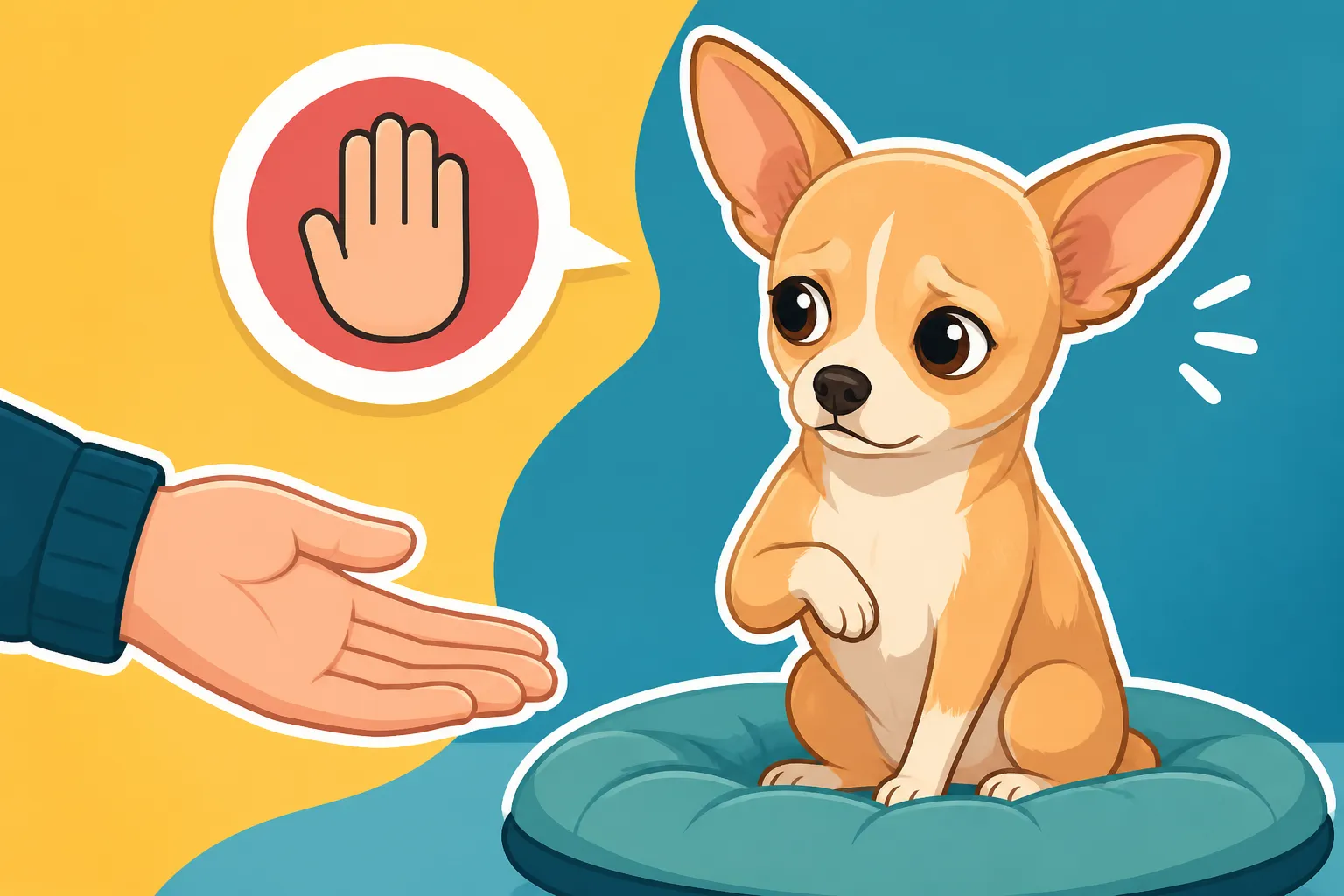
- Turning Head or Body Away: If your Chihuahua actively turns its head, leans away, or tries to move its entire body away from your approaching hand, they are clearly asking for distance.
- Ears Pinned Back: While Chihuahuas have expressive ears, ears flattened tightly against their head, especially combined with other signs, indicate fear or submission.
- Tucked Tail: A tail tucked tightly between their legs is a classic sign of fear, anxiety, or submission.
- Lowered Body Posture: If they crouch, cower, or try to make themselves smaller, they are feeling threatened.
- "Whale Eye": This is when you can see the whites of their eyes, often appearing as a crescent moon shape, as they turn their head but keep their eyes fixed on you. It's a strong sign of stress. Reading a Chihuahua's Whale Eye explains this important signal.
- Stiffening or Freezing: If they suddenly stop moving and become rigid as your hand approaches, they are often in a state of conflict – wanting to move but too scared to do so. This is a critical warning sign that a snap might be imminent if the interaction continues.
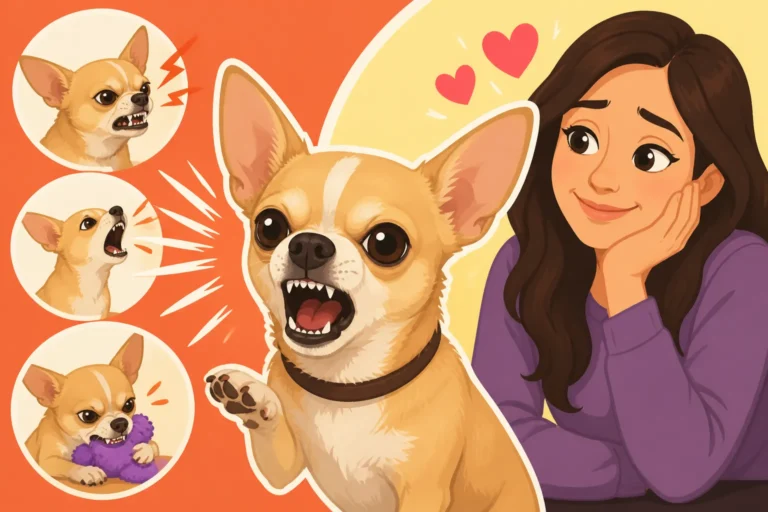
- Growling: This is a clear, unmistakable vocalization that means "stop." It's not aggression; it's communication. Listen to it.
- A Flinch: If your Chihuahua flinches when you move to pick them up, they're anticipating something unpleasant or scary. A Chihuahua Flinching When You Lift It is a good resource for understanding this specific reaction.
When you observe any of these signals, respect their request. Pull back your hand, give them space, and try a different approach. Building trust means showing them that you understand and honor their boundaries.
Teaching Your Chihuahua a "Yes, Please" Signal
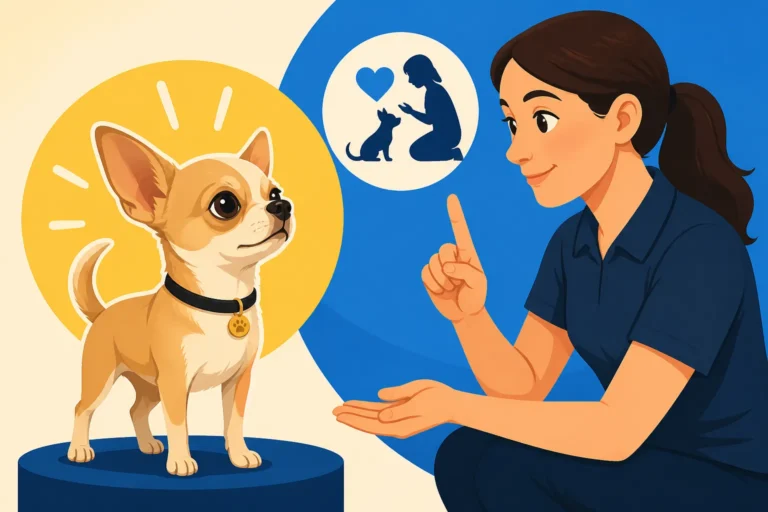
Just as important as recognizing "no" is teaching your Chihuahua how to say "yes." This empowers them and makes them an active participant in their own handling. The goal is to create a clear, positive association with an action that signals their readiness to be picked up.
One effective method is to teach them to "step into" your hands or onto a designated mat/towel that you then use to lift them. This gives them a sense of control and predictability.
Here's a step-by-step approach:
- Start on the Ground: Kneel down to their level. Don't immediately reach for them.
- Lure to Hands: Place your hands, palms up, flat on the floor in front of them, slightly apart, like a small platform. Use a tiny, high-value treat (like a piece of cooked chicken or cheese) to lure them to step onto your hands.
- Mark and Reward: The moment all four paws are on your hands, say a positive marker word ("Yes!" or "Good!") and give them the treat. Repeat this many times over short, frequent sessions.
- Introduce the Verbal Cue: Once they reliably step onto your hands, start saying a verbal cue like "Up" or "Hands" just before you lure them onto your hands.
- Small Lifts: When they consistently step onto your hands on cue, begin to incorporate very slight, momentary lifts. Lift them just an inch or two off the ground for a second, then immediately lower them, mark, and reward.
- Gradually Increase Duration/Height: Slowly increase the height and duration of the lift, always returning them gently to the ground, marking, and rewarding. The key is to keep it positive and brief.
- Practice in Different Locations: Once they're comfortable, practice in various low-stress environments, gradually introducing more distractions.
Another option is to use a specific blanket or towel. Teach your Chihuahua to voluntarily step onto it. Then, you can use the blanket as a "sling" to lift them, further reducing direct physical grabbing and increasing their sense of security. Companies like BAXTER & Bella offer excellent online training programs that can guide you through these positive reinforcement techniques, helping you build a strong foundation of communication with your Chihuahua without resorting to force.
The beauty of this approach is that if your Chihuahua doesn't step onto your hands or the blanket, they are giving you a clear "no." You then respect that, try again later, or use an alternative method. This builds trust because they learn their signals are understood and respected.
Practical Steps to Build a Positive Lifting Experience
Now that we understand the "why" and "how" of reading their signals, let's look at the practical implementation to make every lift a calm, positive, and safe interaction.
Gentle Conditioning: Making Lifting a Predictable Routine
The goal is for your Chihuahua to associate being lifted with safety, comfort, and positive reinforcement, rather than fear or intrusion. This requires consistent, gentle conditioning.
- Always Announce Your Intent: Before you even reach, verbally announce what you're about to do. A simple, consistent phrase like "Up, sweetie?" or "Ready for a lift?" spoken in a calm, cheerful tone prepares them. This gives them a moment to process and decide.
- Approach Slowly and From the Front: Avoid swooping down from above or grabbing from behind. Approach from the front or side, allowing them to see your hands and what you're doing. Get down to their level if possible.
- Use Consistent Hand Placement: When you do lift, use the same technique every time. One hand should support their chest and front legs, while the other supports their hindquarters and keeps their spine aligned. Never grab by the legs, neck, or just under the armpits.
- Make it Smooth and Secure: Lift them in one smooth, confident motion. Avoid jerky movements or making them feel wobbly. Hold them securely but gently against your body, so they feel safe and contained.
- Reward Generously: Immediately after a successful, calm lift, offer a small, high-value treat or enthusiastic praise. This reinforces the positive association. If you're using a training platform like the one BAXTER & Bella suggests for general obedience, you'll know the power of consistent positive reinforcement.
- Practice, Practice, Practice: Start with short, low-stress lifts in quiet environments. Gradually increase the duration and the level of distraction as your Chihuahua becomes more comfortable. If they show any signs of discomfort, revert to an easier step.
- Watch for "Learned Helplessness": Be careful not to confuse a Chihuahua who has "given up" struggling with one who is willingly consenting. If they are limp and unresponsive, it might not be a good sign. True consent comes with relaxed body language and a calm demeanor.
Here’s a quick comparison of consensual vs. non-consensual lifting:
| Aspect | Non-Consensual Lifting (Avoid) | Consensual Lifting (Aim For) |
|---|---|---|
| Approach | Sudden, from above, from behind, no warning | Slow, from front/side, verbal cue given |
| Chihuahua's Reaction | Startled, flinches, struggles, growls, freezes, hides | Relaxed, leans in, steps onto hands, wags tail, looks at you |
| Physical Handling | Jerky, unsteady, poor support, grabs limbs | Smooth, secure, hands under chest/hindquarters, close to body |
| Emotional Outcome | Fear, anxiety, distrust, defensive behaviors | Trust, confidence, positive association, stronger bond |
| Physical Risk | Higher risk of injury (back, knees, trachea) | Lower risk due to controlled, supported lift |
Alternatives to Lifting: When to Let Them Choose
Sometimes, your Chihuahua simply isn't in the mood to be picked up, or there's no real need for it. Respecting their choice to remain on solid ground is just as important as teaching them to accept lifts. There are many ways to manage their movement without always having to scoop them up.
- Ramps and Steps: For getting on and off furniture like sofas or beds, ramps and pet steps are invaluable. They protect your Chihuahua's delicate joints and spine from the impact of jumping and allow them independence. You can find a wide variety of these on Amazon, from lightweight plastic steps to carpeted ramps. Ramps and Steps for a Chihuahua Sofa offers more ideas for safe furniture access.
- "Up" or "Place" Cues: Teach your Chihuahua cues like "up" to hop onto a specific cushion or low stool, or "place" to go to their bed. This gives them a designated spot to go to, without you physically moving them.
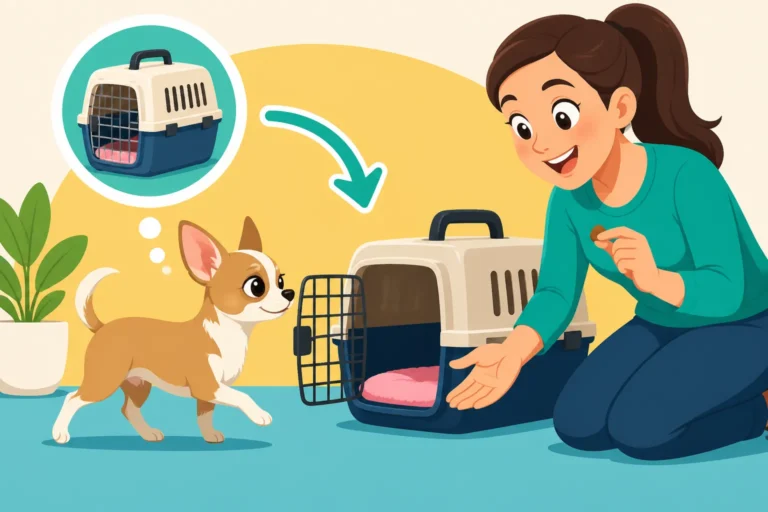
- Carriers and Strollers: For longer outings or in crowded places where your Chihuahua might feel overwhelmed, a secure carrier or pet stroller offers a safe haven. They can observe the world from a protected space without being constantly handled or stepped on. This is especially useful for older Chihuahuas or those with mobility issues. Mobility Help for a Fifteen Year Old Chihuahua covers options for aging dogs.
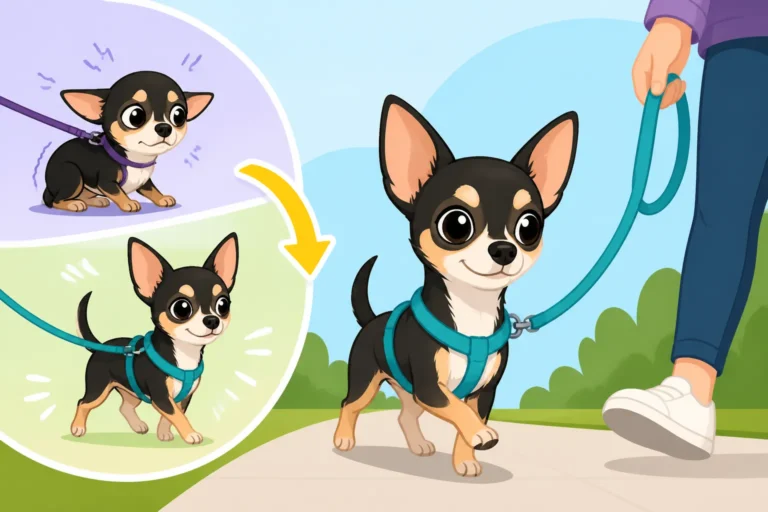
- Leash Walking: If you need them to move from one area to another, a well-fitted harness and leash are often the best choice. This allows them to walk on their own four paws, reinforcing their confidence and control. What a Chihuahua Loses by Never Touching the Ground is a great resource if you've gotten into the habit of always carrying your dog.
- Positive Interruption and Luring: If they are in a place they shouldn't be, instead of grabbing them, use a happy, high-pitched voice and a treat or toy to lure them away. Make coming to you a rewarding experience.
By offering these alternatives, you empower your Chihuahua to navigate their world more independently and reduce the instances where you need to pick them up, making the times you do lift them more likely to be accepted willingly.
The Long-Term Benefits of Respectful Handling
The effort you put into teaching consensual handling isn't just about avoiding a snap or an injury in the moment. It's an investment in your Chihuahua's overall mental health, behavior, and the quality of your relationship for their entire, long life.
Preventing Fear-Based Aggression and Anxiety
One of the most profound benefits of respectful, consent-based handling is the prevention of fear-based aggression and chronic anxiety. Chihuahuas have a reputation, sometimes unfairly, for being "nippy" or "nervous." Often, this isn't inherent to the breed's temperament but a learned response to feeling vulnerable and having their personal space constantly violated. Chihuahua Fear Reactivity, the Breed's Real Problem explains how these issues develop.
When a Chihuahua learns that their signals of discomfort are ignored, and they are consistently picked up against their will, they have two main options: shut down (learned helplessness) or escalate their warnings. A growl, a snarl, or a bite are not signs of a "mean dog" but rather a dog who feels unheard and trapped. By giving them a voice – by "asking" before you lift and respecting their answer – you teach them that they can trust you. They learn that their human understands and values their boundaries.
This trust reduces their overall stress levels. An anxious dog is a dog living in a constant state of alert, which is exhausting and detrimental to their health. A confident Chihuahua, one who knows they have a say in interactions, is a happier, more relaxed, and far less likely to display defensive behaviors. This also makes them more approachable for vets, groomers, and even new people, because they're not constantly anticipating a frightening interaction. This respect also extends to Chihuahua Handling and Consent in general, creating a well-adjusted dog.
Strengthening Your Bond and Overall Well-being
Beyond preventing negative behaviors, consensual handling deepens the unique bond you share with your Chihuahua. It transforms interactions from a power dynamic into a partnership. When your Chihuahua willingly steps into your hands, it’s a clear sign of trust and affection, not just compliance. This level of communication makes your relationship richer and more rewarding.
A dog that feels respected is a dog that feels secure. This security contributes significantly to their overall well-being. They'll be more confident in new situations, less prone to stress-related illnesses, and more engaged with their environment and their family. You'll notice they approach you more often for cuddles, play, and attention because they know those interactions will be positive and on their terms.
Ultimately, by embracing the simple act of "asking" before you lift, you're not just practicing good dog training; you're cultivating a foundation of mutual respect and understanding that will last throughout your Chihuahua's long life. You're teaching them that they are safe, valued, and loved, not just as a pet, but as an individual with their own needs and preferences. This thoughtful approach ensures a happier, healthier, and more harmonious life together. Socializing a Chihuahua Without Overwhelming It also benefits greatly from this sensitive handling.
Disclaimer
This article is for general informational purposes only and does not constitute professional advice. Laws, prices and regulations vary by location and change over time. Consult a qualified professional for guidance on your specific situation.