Why Picking a Chihuahua Up Makes Fear Worse
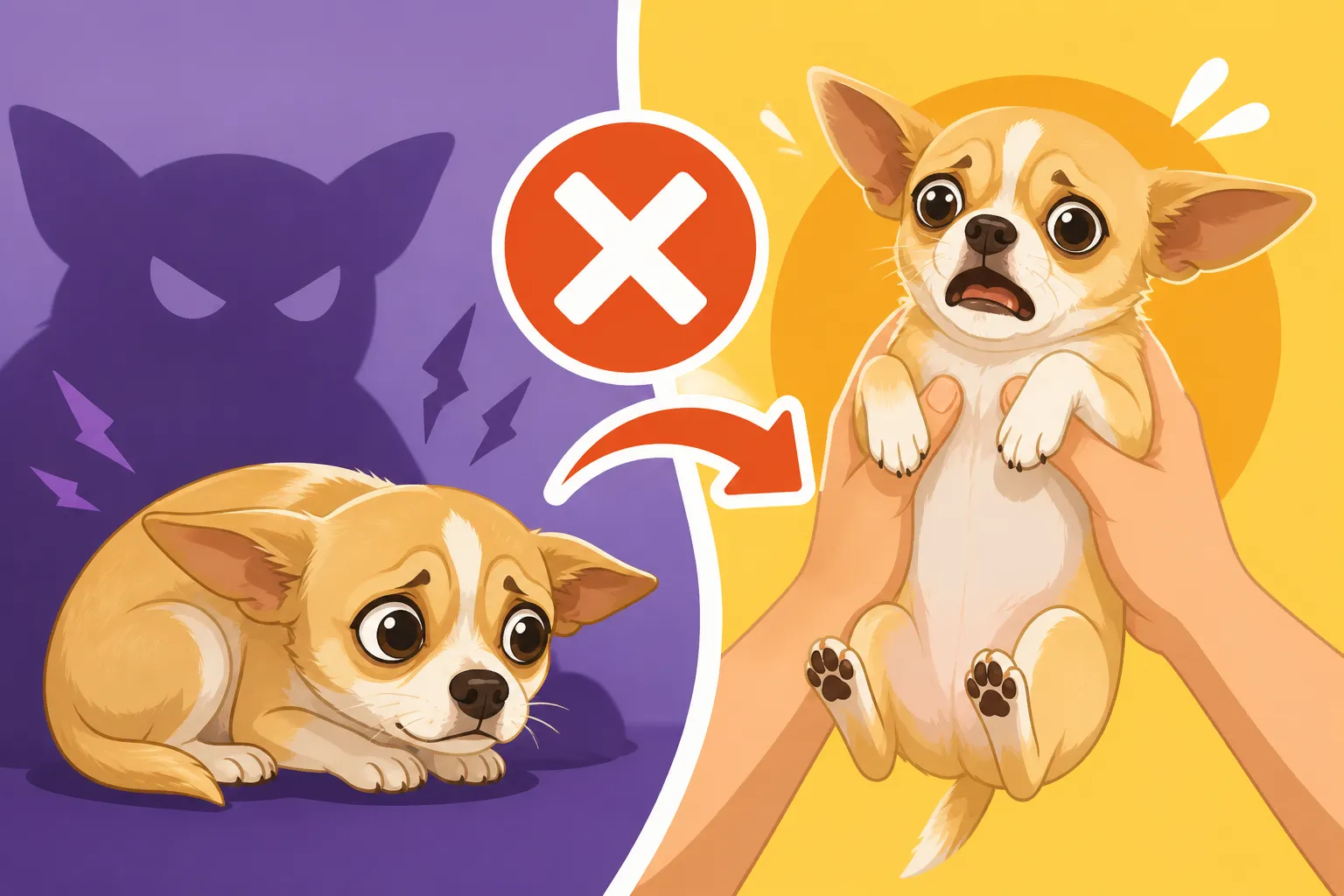
It’s a natural, almost instinctual reaction: your tiny Chihuahua barks or trembles at a new person, a bigger dog, or a loud noise, and your first thought is to scoop them up into your arms. We do it because we love them, because they’re so small and seem so fragile, and we genuinely believe we’re protecting them. But what if that very act of picking them up, as well-intentioned as it is, is actually making their fear worse, hindering their ability to cope, and even reinforcing the behaviors we’re trying to prevent? This guide will dive deep into why this common habit can be detrimental to your Chihuahua's confidence and offer practical, empowering alternatives.
Understanding the Instinct to Pick Up Your Chihuahua
Let's be honest, it feels right, doesn't it? When our little dogs are scared, our protective instincts kick in hard. We see their tiny size, their trembling, their wide eyes, and our immediate impulse is to gather them close, lift them to safety, and shield them from the perceived threat. This isn't a sign of bad ownership; it's a testament to how deeply we care for our Chihuahuas. However, understanding the why behind our actions is the first step in recognizing how they might be inadvertently impacting our dog's emotional well-being.
The Human Impulse to Protect Small Dogs
There's something about a Chihuahua's diminutive stature that triggers a powerful nurturing response in us. They fit perfectly in our arms, weigh next to nothing, and often communicate their distress with trembling or a high-pitched yip that sounds incredibly vulnerable. This isn't just a Chihuahua thing, of course, but it's amplified by their toy size. We project our human understanding of protection onto them, assuming that being physically removed from a situation is the ultimate form of safety and comfort. We might even think, "Well, they're so small, they can't possibly handle that big dog," or "That loud truck would just flatten them."
This protective impulse often comes from a place of genuine concern for their physical safety. A large, boisterous dog could accidentally step on them, or a crowded environment could lead to them being trod upon. It's a very real concern for Chihuahua owners, and it's why many opt for carrying their tiny companions in certain situations. However, while physical safety is paramount, we often overlook the psychological impact of constant removal. We might not realize that while we're protecting their body, we could be undermining their mind and their ability to navigate the world confidently on their own four paws.
Misinterpreting Clinginess as Affection
Sometimes, our Chihuahuas learn very quickly that being picked up is the way to get what they want – whether that's escaping a scary situation or just getting attention. They might jump into our laps, paw at our legs, or even whine until we scoop them up. We then interpret this behavior as affection or a sign that they "want to be held." While Chihuahuas are undeniably affectionate and love to be close to their people, consistently picking them up in response to perceived threats or bids for attention can create a feedback loop that reinforces anxious or dependent behaviors.
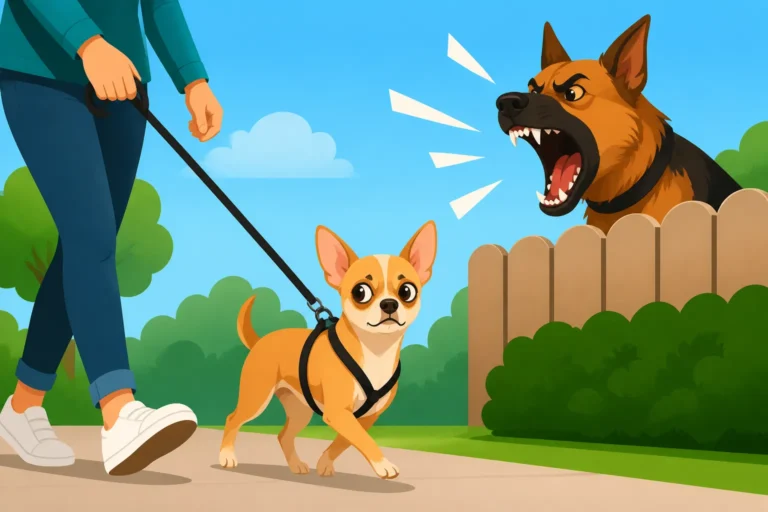
Imagine a scenario: your Chihuahua sees a large dog across the park and immediately starts to whine and look up at you. If you scoop them up, they learn, "Whining and looking scared makes my human lift me away from the scary thing." Over time, this can lead to them becoming even more reliant on you for protection, rather than learning to assess situations and build their own coping mechanisms. They become conditioned to believe that they cannot handle situations without your intervention. This can manifest as what some people mistakenly call "small dog syndrome," where a Chihuahua appears overly reactive or aggressive because they haven't been taught how to manage their environment from the ground. It's not that they're inherently clingy or demanding; it's that they've been inadvertently trained that being picked up is the only solution.
The Hidden Message: Picking Up Reinforces Fear
When you consistently pick up your Chihuahua in stressful situations, you're sending a very clear, albeit unintended, message. You're telling them, loud and clear, that their fear is justified and that the world is indeed a terrifying place they can't handle alone. This isn't helping them overcome their fears; it's actually validating and solidifying them. It's like telling a child who's afraid of the dark that their fear is correct and the monsters are real, instead of teaching them how to turn on a light switch.
Removing Agency and Control
One of the most profound impacts of routinely picking up a fearful Chihuahua is stripping them of their agency. Dogs, like humans, thrive when they feel they have some control over their environment. They need to be able to investigate, retreat, or engage on their own terms. When you scoop them up, you completely remove their ability to make choices in that moment. They can't sniff the ground, take a wider berth around a perceived threat, or even decide to simply walk away. Their options are taken away, and they are held captive, often at a higher vantage point that can actually make them feel more exposed and vulnerable.
Consider a small child who is constantly picked up and moved every time they show a hint of discomfort. They never learn to navigate social situations, explore their surroundings, or develop problem-solving skills. The same applies to a Chihuahua. By consistently intervening, you prevent them from building resilience and confidence. They learn that their best strategy is to become helpless, waiting for their human to airlift them out of any challenging situation. This passive role can lead to increased anxiety over time, as they never truly learn what to do when you're not there to save them.
Escalating the Perceived Threat
Believe it or not, being picked up can actually make a situation seem more threatening to your Chihuahua. When you suddenly grab them, elevate them, and hold them tightly, your own body language communicates tension and alarm. Your Chihuahua is incredibly attuned to your emotions and physical cues. If you're tense and quickly removing them, they interpret this as confirmation that something genuinely dangerous is happening. It validates their initial fear and amplifies it. "My human is scared, so I should be even more scared!"
Furthermore, being held up to eye level with a large dog or a stranger can be incredibly intimidating. Instead of being able to approach cautiously from the ground, or observe from a distance, they are suddenly thrust into an unnatural, direct confrontation. This can provoke a more intense fear response, leading to increased barking, struggling, or even snapping as a desperate attempt to create distance or communicate their profound discomfort. It's counter-intuitive, but sometimes, being closer to a perceived threat, even in your arms, feels more dangerous than having the option to retreat on their own terms. This can exacerbate Fear-Based Reactivity in a Chihuahua.
Creating a Cycle of Dependency
The more a Chihuahua is rescued from perceived threats by being picked up, the more dependent they become on that intervention. This creates a cycle where the Chihuahua becomes increasingly reliant on their human to manage their environment, and the human, seeing the Chihuahua's distress, continues to pick them up, believing it's the only solution. This cycle prevents the Chihuahua from ever learning coping mechanisms or building confidence. They never get the chance to realize that most situations aren't actually life-threatening or that they have the capacity to handle them.
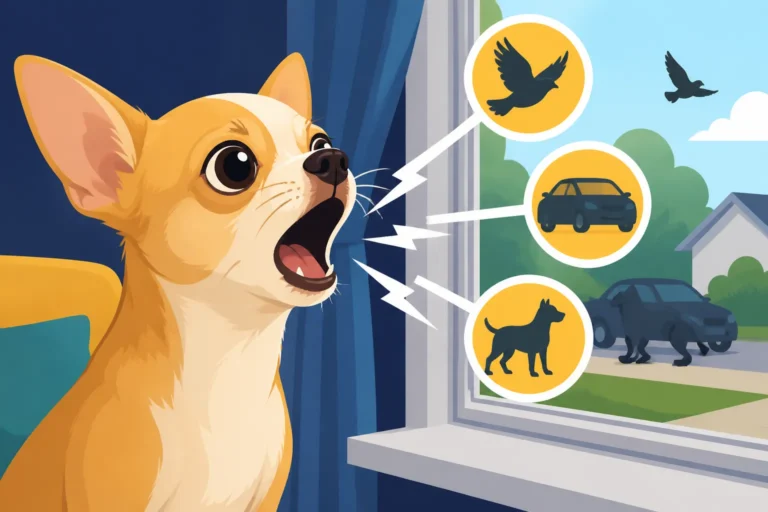
This dependency can lead to several undesirable behaviors. A Chihuahua might become overly vocal, barking incessantly at anything new or slightly alarming, knowing that this will trigger their human to scoop them up. They might refuse to walk on a leash in unfamiliar places, preferring to be carried. In extreme cases, they might even develop separation anxiety because they feel utterly helpless without their human's constant protective presence. It's a heartbreaking situation where both human and dog are stuck in a pattern that, despite good intentions, is detrimental to the dog's long-term emotional health. Understanding Chihuahua Separation Anxiety and Time Alone can help shed light on how dependency can affect their ability to cope when left alone.
Chihuahua Body Language: What You're Missing
Our Chihuahuas are constantly communicating with us, long before they resort to barking, snapping, or trembling overtly. The challenge is that their signals are often subtle, especially in small breeds, and can be easily missed if we're not paying close attention. Learning to read these quiet cues is paramount to understanding their emotional state and responding in a way that truly helps them, rather than exacerbating their fear.
Subtle Signs of Discomfort Before a Reaction
Before a Chihuahua barks or lunges, they often display a series of subtle "calming signals" or signs of stress that indicate they are uncomfortable. These can be incredibly brief and easy to overlook, especially if you're not specifically looking for them. Examples include:
- Lip licking: A quick flick of the tongue over the lips when no food is present.
- Yawning: Not because they're tired, but as a stress reliever.
- Turning head or body away: Trying to avoid confrontation.
- Ears flattened or slightly back: Indicating apprehension.
- Tail tucked: A classic sign of fear or anxiety.
- Hard stare or "whale eye": When the whites of their eyes are visible, indicating tension.
- Stiff body posture: Freezing or becoming rigid.
- Sniffing the ground excessively: A displacement behavior to cope with stress.
If we learn to recognize these early warning signs, we can intervene before our Chihuahua becomes overwhelmed. Instead of picking them up in full panic mode, we can gently guide them away, create more distance, or offer a treat to change their emotional association with the trigger. This proactive approach empowers them to learn that they can handle situations, rather than simply being removed from them. Reading a Chihuahua's Whale Eye is a specific skill that can greatly improve your ability to understand their discomfort.
Why a Chihuahua Snaps Before It Runs
It's a common misconception that small dogs are aggressive by nature. Often, what appears to be aggression – a snap, a growl, a lunge – is actually a desperate plea for space and a warning from a highly fearful dog. Unlike larger dogs who might have the option to simply run away when scared, a Chihuahua often feels trapped and vulnerable. Their tiny size means running might not be an effective escape from a perceived threat, especially if that threat is a much larger animal or an intimidating human.
When a Chihuahua feels cornered or believes its more subtle warnings have been ignored, a snap or a lunge becomes its last line of defense. It's not an act of malice; it's a desperate attempt to say, "Please, leave me alone! I'm scared!" By picking up a Chihuahua that is already showing these fear-based reactions, you might temporarily stop the physical manifestation of the behavior, but you haven't addressed the underlying fear. In fact, you might have just reinforced to the dog that the world is a dangerous place where they have to resort to extreme measures to be heard. Understanding Why a Chihuahua Snaps Before It Runs is critical for effective behavior modification.
Learning to Read "Whale Eye" and Freezing
Two particularly important stress signals for Chihuahuas are "whale eye" and freezing. "Whale eye" refers to when you can see the whites of your Chihuahua's eyes, usually on the sides, because their eyes are wide open and they might be turning their head slightly away while still trying to keep an eye on the perceived threat. It's a clear sign of anxiety and tension.
Freezing, where a Chihuahua becomes completely still and rigid, is another critical signal. This is often misunderstood as calmness or being well-behaved. However, a frozen Chihuahua is a dog on the verge of either bolting, snapping, or having a panic attack. They are so overwhelmed that they can't move. If you approach or pick up a frozen Chihuahua, you risk triggering a fear-based bite because they feel their last remaining option (immobility) has been violated. Always observe from a distance, give them space, and encourage them to move on their own terms if they are freezing. Never force interaction with a dog displaying these signs.
Practical Alternatives to Picking Up
Instead of defaulting to picking up your Chihuahua, which can reinforce fear and dependency, we need to equip them with tools to navigate their environment confidently. This means teaching them alternative, desirable behaviors and giving them the space and opportunity to practice them. It's about empowering them, not constantly rescuing them.
Teaching a "Touch" or "Heel" Command
One of the most valuable tools you can teach your Chihuahua is a strong "touch" or "heel" command. These commands give your dog an alternative action to focus on when they feel overwhelmed, allowing them to engage with you in a positive way rather than defaulting to fear or reactivity.
- "Touch" Command: This is where your Chihuahua touches their nose to your open palm. It's fantastic because it creates a positive interaction, redirects their attention to you, and gives them something concrete to do. You can use it to lure them away from a scary object, introduce them to a new person (they touch your hand, not the person directly), or simply to break their focus from something that's making them nervous. Start practicing in a quiet environment with high-value treats (think tiny bits of cheese or cooked chicken). Hold your hand out, say "touch," and when they sniff or touch your palm, immediately reward and praise. Gradually introduce it in slightly more distracting environments.
- "Heel" Command: A reliable heel means your Chihuahua walks calmly beside you, regardless of distractions. This provides structure and a sense of security. When they're heeling, they're focused on you, and you can guide them away from potential triggers smoothly. Practice heel in low-distraction areas first, using a consistent leash side and plenty of tiny, frequent rewards for staying in position. A long line can also be useful for practicing recall and disengagement in a safe, open space without the pressure of direct proximity. Chihuahua Leash Training on a Harness is essential for teaching a solid heel.
Using a High-Value Treat to Lure Away
Sometimes, the simplest solution is the most effective. Instead of scooping your Chihuahua up, use a high-value treat to gently lure them away from a situation that makes them uncomfortable. This technique changes their emotional association with the trigger from negative (fear) to positive (getting a delicious treat).
For example, if your Chihuahua starts to get anxious about a passing dog, instead of grabbing them, hold a small, irresistible treat to their nose and calmly lure them in an arc away from the dog, walking past the trigger at a comfortable distance. As they walk with you, continuously give them tiny pieces of the treat. The key is to start this before they become overtly reactive or overwhelmed. You want to interrupt the escalating fear response and give them a positive alternative focus. The goal isn't to distract them from the threat but to help them re-evaluate the situation as less threatening when good things happen in its presence. Brands like Amazon offer a vast selection of training treats, but make sure they're small enough for your Chihuahua's tiny mouth and low in calories to fit their Daily Calories for a Three to Seven Pound Chihuahua.
Creating a Safe Space on the Ground
Every Chihuahua needs a safe space on the ground where they feel secure and can retreat if overwhelmed. This might be a cozy crate, a soft bed tucked into a corner, or even just a designated spot on the sofa that's all their own. The principle is to teach them that they can find safety and comfort without being picked up and removed.
When out and about, a well-fitting, secure carrier can serve as a portable safe space if absolutely necessary, but the goal should still be to use it as a sanctuary, not a constant mode of transport. For daily walks or social gatherings, encourage them to stay on the ground but provide options. A small, soft blanket they can lie on, a special chew toy they only get in public, or simply giving them enough slack on the leash to move to a less crowded spot are all ways to give them autonomy. If they are truly overwhelmed, guide them to a quiet corner or a spot behind your legs rather than lifting them. This teaches them to seek out their own safe zones, building independence.
Building Confidence Through Positive Reinforcement
The ultimate goal is to build a Chihuahua who is resilient, confident, and capable of navigating the world without constant human intervention. This is achieved through consistent, positive reinforcement training that focuses on rewarding desired behaviors and building positive associations, rather than merely avoiding negative ones.
Structured Socialization Experiences
Proper socialization is crucial, especially for Chihuahuas, but it's often misunderstood. It's not about exposing them to every dog and person imaginable and hoping for the best. Instead, it’s about controlled, positive experiences that build confidence. Overwhelming a tiny Chihuahua with too much too soon can actually create fear.
Focus on:
- Quality over Quantity: A few positive interactions are better than many stressful ones.
- Appropriate Introductions: Introduce your Chihuahua to calm, friendly, medium-to-large dogs that understand social cues and are known to be gentle. Crucially, ensure the larger dog is well-controlled and doesn't get in your Chihuahua's face. Introducing a Chihuahua to Bigger Dogs Safely is a learned skill.
- Positive Association: Pair every new sight, sound, and smell with delicious treats and praise. If your Chihuahua sees a new person, offer a treat. If they hear a strange noise, give a treat. The goal is for them to associate novel experiences with good things happening.
- Distance is Key: Always start introductions and exposures at a distance where your Chihuahua is comfortable and not showing signs of fear. Slowly decrease the distance as they become more relaxed. Never push them into an interaction they're clearly uncomfortable with.
For puppy owners, the Chihuahua Puppy Curriculum Month by Month emphasizes early, gentle socialization to build a strong foundation. BAXTER & Bella offers online puppy training programs that emphasize structured socialization and positive reinforcement, which can be particularly helpful for building confidence in small breeds from a young age.
Harness Training for Safety and Control
For a Chihuahua, a harness is not just a preference; it's a necessity. Their delicate windpipes are incredibly susceptible to damage from collar pressure, making collars unsuitable for leash walking. A well-fitting harness distributes pressure across their chest and shoulders, protecting their trachea and making walks safer and more comfortable.
Beyond physical safety, a harness provides better control during training and socialization. It allows you to gently guide your Chihuahua without yanking on their neck, which could induce fear or discomfort. When practicing "heel" or engaging in desensitization exercises, a comfortable harness ensures that physical cues from the leash are not associated with pain or choking. Look for harnesses specifically designed for toy breeds, offering a snug but not restrictive fit. Brands widely available on Amazon often have a range of appropriate sizes. Knowing Why a Harness Matters for a Chihuahua Windpipe is fundamental to their daily care and training.
Empowering Your Chihuahua to Choose
True confidence comes from the ability to make choices and experience positive outcomes. Empowering your Chihuahua means giving them options and respecting their decisions, within reasonable safety boundaries.
Here’s what that looks like:
- "Consent Tests": Instead of just grabbing your Chihuahua, offer your hand for them to sniff first. If they lean in or show interest, then you can pet them. If they turn away, respect that. The same goes for being picked up: let them step into your hands if they want to be lifted, rather than just scooping them. This teaches them that their body language is heard and respected. Asking Before You Lift a Chihuahua is a simple yet powerful practice.
- Choice in Social Interactions: When meeting new people or dogs, allow your Chihuahua to approach (or not approach) on their own terms. Don't force them into interactions. If they want to retreat, allow them to do so. This builds trust and teaches them that they have control over their social world.
- Training Games: Engage in short, fun training sessions that involve choice and problem-solving, like simple agility (mini-jumps, tunnels) or puzzle toys. These build mental confidence and reinforce their ability to succeed. Small, engaging puzzle toys can easily be found on Amazon and are excellent for mental enrichment.
Addressing Underlying Fear and Reactivity
Sometimes, a Chihuahua's fear is deeply ingrained and manifests as significant reactivity—barking, lunging, or snapping at specific triggers. In these cases, simply avoiding picking them up isn't enough; a more structured approach is needed to address the root cause of their anxiety.
Identifying Triggers and Avoiding Overwhelm
The first step in helping a reactive Chihuahua is to precisely identify their triggers. Is it big dogs? Men with hats? Children? Loud noises? Other small dogs? Take notes on when and where your Chihuahua reacts, and what specifically sets them off. The more data you collect, the clearer the pattern will become.
Once you know their triggers, your immediate goal is to manage their environment to avoid putting them in situations where they are consistently overwhelmed. This doesn't mean sheltering them forever, but rather strategically exposing them in a controlled way. If your Chihuahua barks at every dog on a walk, choose quieter routes or times of day. If they're scared of strangers, invite calm friends over one at a time, ensuring they ignore your Chihuahua initially. The goal is to keep them below their "threshold" – the point at which they start reacting. Learning to avoid situations that flood your Chihuahua with fear is crucial for their well-term mental health. Chihuahua Fear Reactivity, the Breed's Real Problem highlights the importance of this step.
Counter-Conditioning and Desensitization
These two powerful techniques are often used together to change a Chihuahua's emotional response to a trigger.
- Desensitization: This involves gradually exposing your Chihuahua to their trigger at such a low intensity or distance that they don't react. For instance, if a Chihuahua is scared of big dogs, you might start by simply having them see a big dog very far away, just barely visible, and then pairing that sight with treats. The goal is for them to notice the trigger without feeling threatened.
- Counter-Conditioning: This means changing your Chihuahua's emotional association with the trigger from negative (fear) to positive. Every time your Chihuahua sees their trigger (at a safe distance/intensity), immediately give them a high-value treat. They see the scary thing, they get a yummy treat. Over time, their brain starts to associate the scary thing with good things. This must be done consistently and without pushing them too far. If they start to react, you're too close or the intensity is too high, and you need to increase the distance again.
An example might be if your Chihuahua lunges at every passing dog. Instead of picking them up, you would stand at a distance where they notice the other dog but don't react. The moment they glance at the other dog, you say "yes!" and give them a treat. Repeat this many times. Slowly, very slowly, you might be able to decrease the distance, always staying below the reaction threshold. This helps your Chihuahua learn that other dogs predict treats, not fear, and they can stay on the ground to get them.
When to Seek Professional Guidance
Sometimes, fear and reactivity are too deeply ingrained or severe for owners to handle alone. This is not a failure; it's a sign that your Chihuahua needs specialized help. If you've been consistently applying positive reinforcement techniques and seeing little progress, or if your Chihuahua's fear responses are escalating, it's time to consult a professional.
Look for a certified professional dog trainer (CPDT-KA) or a veterinary behaviorist (DACVB). Ensure they use positive reinforcement methods and have experience with fear-based reactivity in small breeds. Avoid trainers who advocate for harsh corrections, shock collars, or dominance-based methods, as these will only intensify fear in an already anxious Chihuahua. A good professional can help you identify subtle triggers, create a customized training plan, and sometimes even recommend medication to help manage anxiety while behavioral modification is taking place. Investing in professional guidance is investing in your Chihuahua's long-term happiness and confidence. Finding a Trainer Who Takes a Chihuahua Seriously is a critical step in this process.
Table: Empowering Your Chihuahua: Alternatives to Picking Up
| Scenario | Instinctual (Harmful) Response | Empowering (Helpful) Alternative | Why it Works |
|---|---|---|---|
| Approaching a large, unfamiliar dog | Scoop up instantly | Cross the street, teach "look at me," offer treats, create distance | Gives Chihuahua agency, builds positive association, teaches coping. |
| New person approaches to pet | Pick up to avoid interaction | Ask person to ignore, let Chihuahua approach on own terms, offer treats for calm behavior | Builds confidence in human interaction, Chihuahua learns control. |
| Loud unexpected noise (e.g., siren) | Grab and hold tightly | Reassure verbally, offer a chew or puzzle toy, move to quieter spot | Teaches resilience, associates loud noises with comfort/reward, allows self-soothing. |
| Chihuahua trembles or whines at park | Scoop into arms to "protect" | Use a long line for safe exploration, encourage "touch" away from trigger, find a quiet spot to observe | Builds confidence through exploration, redirects focus positively, respects their need for space. |
| Grooming/Vet Exam | Hold down tightly | Muzzle training, counter-condition handling with treats, allow breaks, ask vet for breaks | Reduces fear associated with handling, builds trust, teaches cooperation. |
| Encountering stairs or high furniture | Carry up/down | Teach "climb" or "descend" with treats, provide ramps or steps | Builds physical confidence, reduces injury risk, increases independence. |
Disclaimer
This article is for general informational purposes only and does not constitute professional advice. Laws, prices and regulations vary by location and change over time. Consult a qualified professional for guidance on your specific situation.