Chihuahua Barking at the Window and the Door
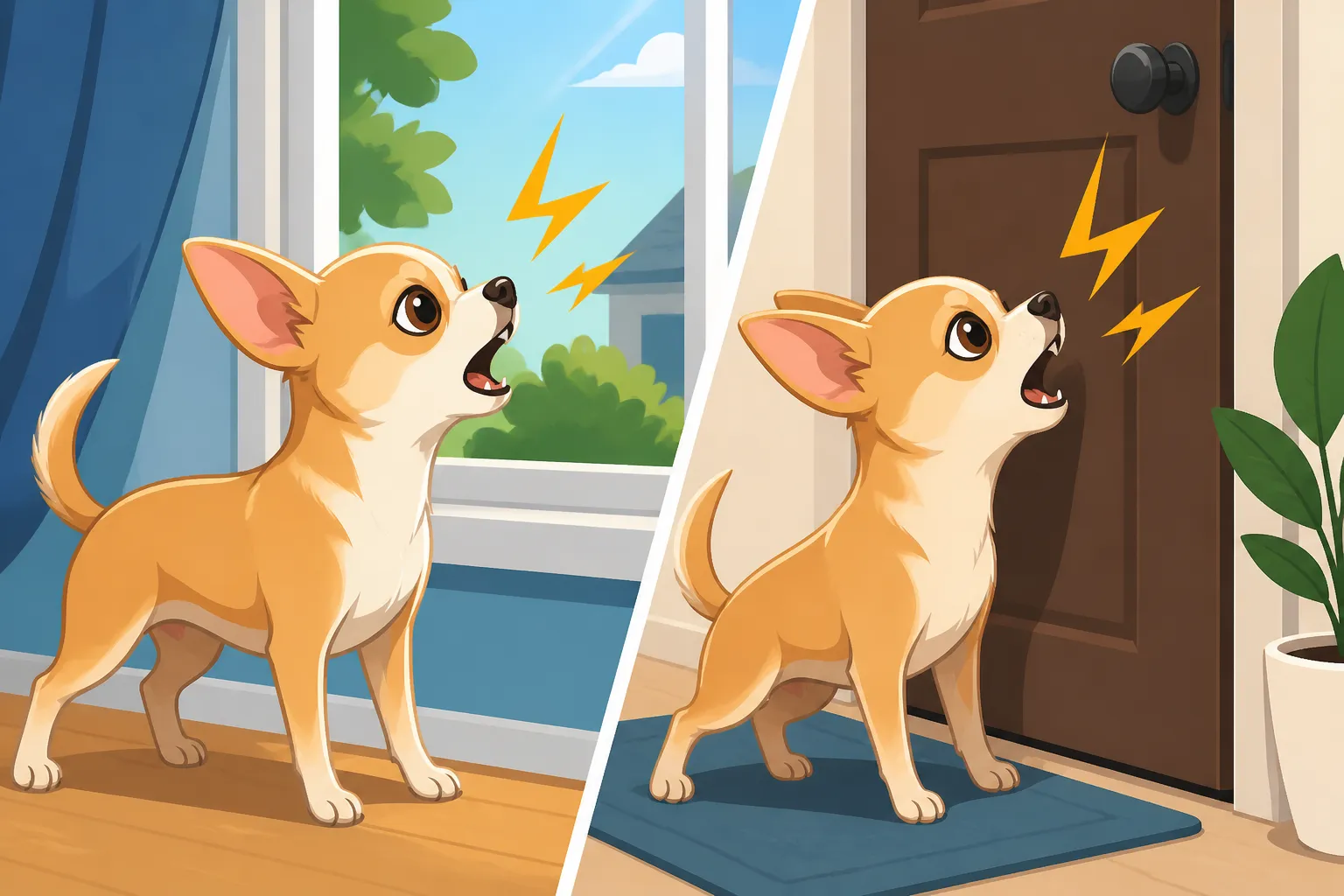
Oh, the infamous Chihuahua doorbell bark! Or the window bark, the mailman bark, the squirrel bark, the leaf falling bark – it's enough to make you feel like you live in a tiny, yappy alarm factory. Many Chihuahua owners find themselves utterly exasperated by the constant noise, wondering if their little dog will ever have a moment of quiet, or if visitors will ever approach the front door without being met by a ferocious, high-pitched announcement. This guide is here to walk you through understanding why your pint-sized protector feels the need to vocalize so much, and, more importantly, how you can help them find a bit more peace, and bring some much-needed calm back to your home.
Understanding Why Your Chihuahua Barks at Windows and Doors
It's easy to get frustrated when your Chihuahua erupts into a barking frenzy at the slightest provocation from outside, but it's important to remember that this isn't usually born out of malice or naughtiness. It's often deeply rooted in their instincts and how they perceive their world. For such a small dog, they carry a huge personality and an even bigger sense of responsibility.
The Chihuahua's Alert Nature
Chihuahuas, despite their small stature, were historically bred to be alarm dogs. They are incredibly observant and possess a keen sense of hearing. Imagine having superpowers that amplify every distant siren, every rustle of leaves, every whispered conversation from your neighbor's porch – that's often what life is like for your Chihuahua. They are wired to detect the smallest changes in their environment and alert their "pack" (that's you!) to anything they deem unusual or potentially threatening. This isn't just a quirk; it's a fundamental aspect of their breed character.
This heightened awareness means they often pick up on things long before you do. That barely audible thud from down the street, the scent of a dog walking by on the sidewalk, or the faint shadow of a person approaching your home can trigger their alert system. They aren't trying to be annoying; they're genuinely doing what they believe is their job: to let you know something is out there. Why a Chihuahua Watches Everything explores this trait in more detail. They are, in their minds, your tiny, vigilant sentinels.
Territorial Instincts and Perceived Threats
Beyond just being alert, Chihuahuas have strong territorial instincts. Your home, your yard, and even your lap are their domain, and they will defend it with all their might. When someone or something approaches the window or the door, your Chihuahua often perceives this as an intrusion into their territory. They don't differentiate between the friendly mail carrier, the harmless squirrel, or a genuine threat; to them, it's an unknown entity encroaching on their space.
The barking, in this context, is a clear message: "Hey! You're getting too close! This is my house, and I live here!" They are attempting to scare away the perceived intruder, and when the mailman walks away after delivering the mail, your Chihuahua often believes their barking was successful. This unintentional reinforcement strengthens the behavior, making them even more likely to bark the next time. It's a classic case of correlation versus causation, but in your Chihuahua's mind, they saved the day.
Boredom and Lack of Stimulation
Sometimes, the barking isn't purely about alertness or territory; it can simply be a way for your Chihuahua to entertain themselves or seek attention. Chihuahuas are intelligent dogs, and if they're not given enough mental and physical enrichment, they can become bored. A bored dog is a creative dog, and often that creativity manifests in behaviors we find undesirable, like excessive barking.
Consider a Chihuahua left alone for long stretches, perhaps confined to one room with little to do. The window becomes their television, and every passing person or car is an exciting event. Barking at these events provides a burst of adrenaline, a sense of purpose, and sometimes, it even gets your attention. Even a scolding, in their minds, is a form of attention. So, while you might be sighing deeply, they might be thinking, "Mission accomplished! I got a reaction!" This is why enrichment is such a critical part of their daily routine. Increasing Mental and Physical Enrichment can offer more ideas here.
Common Triggers for Window and Door Barking
To effectively manage your Chihuahua's barking, it’s crucial to pinpoint what exactly sets them off. It’s rarely just "the outside world" but rather specific elements within that world. Once you identify these triggers, you can begin to implement targeted strategies.
Sights, Sounds, and Smells from Outside
The world outside your windows and doors is a sensory overload for a Chihuahua. Their keen senses mean they are constantly bombarded with stimuli.
- Sights: For many Chihuahuas, visual triggers are the biggest culprits. A person walking their dog, a child riding a bicycle, a delivery truck, or even just a shadow moving across the lawn can be enough. Their small size often means they see legs and feet first, which can be unsettling. If your Chihuahua has free reign to gaze out a low window all day, they're essentially on constant patrol, waiting for something to happen.
- Sounds: A distant siren, the rumble of a car, the neighbor's dog barking, the clatter of a garbage can, or the subtle thump of a package being dropped on the porch – these sounds can all prompt a vocal response. Chihuahuas have exceptional hearing, so what sounds like a faint murmur to you could be a booming announcement to them. The Honking Cough of Chihuahua Tracheal Collapse is a separate health issue, but understanding their sensitivity to sound in general is key here.
- Smells: While less obvious to us, smells play a huge role in how dogs perceive their environment. A new dog’s scent left on a bush, the aroma of a neighbor grilling, or even the subtle odor of a person walking past can be a powerful trigger. They're constantly processing information through their noses, and an unfamiliar scent can be just as alarming as a visual or auditory one.
These triggers, often occurring in combination, create a perfect storm for a barking episode. It's not just one thing; it's the convergence of multiple sensory inputs that tells them, "Alert! Alert!"
The Arrival of People or Other Animals
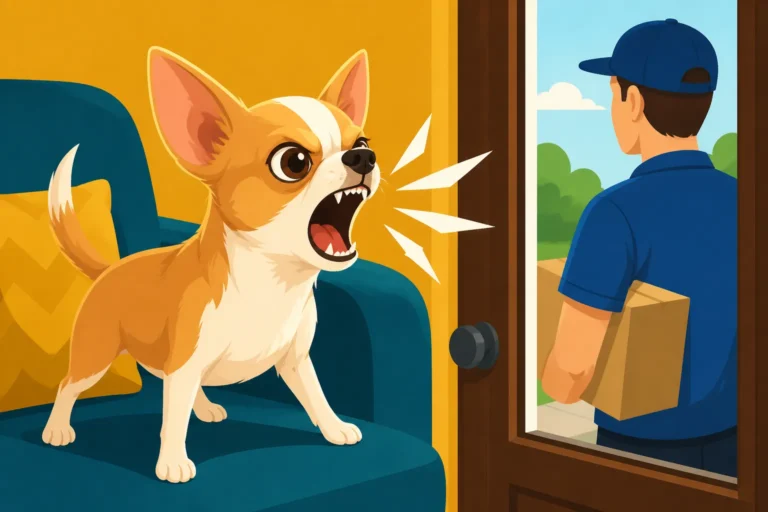
This is perhaps the most common and frustrating trigger for many Chihuahua owners. The moment someone steps onto your porch, rings the doorbell, or knocks, your Chihuahua can transform from a cuddly lap dog into a barking dynamo.
- Doorbell/Knock: This is the classic "someone's here!" signal. The sound itself becomes a predictor of an event (a visitor, excitement, potential intrusion), leading to an immediate barking response. For many Chihuahuas, it's not just the sound but the entire sequence: doorbell, footsteps, door opening, new person. They learn to anticipate the whole scenario.
- Visitors Entering: When people actually come inside, the barking might escalate or shift. It could be excitement, fear, or continued territorial defense. Some Chihuahuas might bark at strangers until they are properly introduced and the stranger has proven to be "safe" by their standards, while others might bark incessantly out of fear, trying to keep the perceived threat at bay. Fear Reactivity as the Top Chihuahua Complaint often manifests in this way.
- Other Animals Passing By: Seeing another dog or cat outside, even at a distance, can trigger intense barking. This can be frustration, excitement, or territorial aggression. Your Chihuahua might want to play, or they might want to warn the other animal to stay away. The inability to reach the other animal can also build up frustration, leading to louder, more sustained barking.
Understanding these specific scenarios helps you anticipate and prepare. Instead of being caught off guard, you can start to think about proactive measures.
Reinforcement, Even Accidental
One of the hardest lessons to learn in dog training is how often we unintentionally reinforce behaviors we don't want. Barking is no exception.
- Attention Seeking: If your Chihuahua barks at the window and you rush over, talk to them, try to soothe them, or even scold them, they've received attention. For a dog that craves interaction, any attention is good attention. They learn, "Barking gets my human to interact with me!"
- Successful Deterrence (in their mind): As mentioned earlier, if your Chihuahua barks at the mail carrier and the mail carrier then leaves, your dog thinks, "My barking worked! I scared them off!" This makes the barking highly reinforcing, creating a self-fulfilling prophecy for your little guard dog.
- Lack of Alternative Behaviors: If your Chihuahua has never been taught what to do instead of barking when a trigger appears, then barking is their only known response. If you don't teach them to go to their bed, or to look at you, or to grab a toy, then barking is simply the default option. This is why Giving a Chihuahua an Alternative to Barking is so powerful. We can't just tell them "no"; we need to give them a "yes."
Breaking this cycle of accidental reinforcement requires consistency and patience, but it's absolutely achievable. It starts with recognizing your role in the interaction, even if it's entirely unintentional.
Strategies to Manage Window Barking
Managing window barking effectively means taking a multi-pronged approach. You can't just tell a Chihuahua not to bark; you have to change their environment and teach them new ways to react.
Limiting Visual Access
This is often the first and most effective step in reducing window barking, especially if visual triggers are the main problem. If your Chihuahua can't see the outside world, they can't react to it.
- Window Film or Blinds: Consider using privacy window film on lower window panes. This allows light in but obscures the view at your Chihuahua's eye level. If film isn't an option, keep blinds or curtains closed during peak triggering times (like mail delivery or afternoon dog-walking hours). Remember, your Chihuahua often sees a completely different landscape than you do, so blocking off the lower portion of the window can make a huge difference without making your entire room feel dark. Window Film and Blocking a Chihuahua's View discusses this in more detail.
- Furniture Rearrangement: If your Chihuahua loves to perch on the sofa back to get a better view, consider moving that furniture away from the window. Make it physically harder for them to access their "guard post." This isn't about punishment; it's about setting them up for success by removing the opportunity to practice the unwanted behavior.
- Designated "Quiet Zones": Create a comfortable space away from windows where your Chihuahua can relax. This could be a crate with a cozy blanket (crate training is incredibly useful for Chihuahuas), a comfy bed in a quiet corner, or even a pen in a room without external views. The goal is to give them an alternative place to be during high-traffic times.
By controlling what your Chihuahua can see, you immediately reduce the frequency of their barking episodes, giving you a better foundation for training alternative behaviors.
Sound Management and White Noise
Sometimes, it's not what they see, but what they hear that sets them off. Chihuahuas' acute hearing can make them reactive to sounds you might not even notice.
- White Noise Machines: A simple and effective solution is a white noise machine or a fan placed near the problem window or door. The consistent, low hum can help mask external noises, making them less distinct and less likely to trigger a bark. You can find many affordable options on Amazon. The goal is to create a constant ambient sound that blends out the sharp, sudden noises that often cause a jump-scare for your little one.
- Music or TV: Leaving a radio on a talk station or the TV playing softly when you're away or during quiet times can also help. The human voices or familiar sounds can create a buffer, making your home feel less vulnerable to external disturbances. Just be mindful of the volume; you don't want to add more stress with loud, jarring sounds.
- Soundproofing: For more persistent issues, consider heavier curtains or weather stripping around doors and windows to slightly reduce outside noise. While true soundproofing can be extensive, even small measures can make a difference for a sensitive Chihuahua.
Combining visual blocking with sound management creates a much calmer environment, reducing the overall stress and reactivity your Chihuahua experiences throughout the day.
Creating a Designated "Safe Zone"
A "safe zone" is more than just a place to hide; it's a strategically established retreat where your Chihuahua feels secure and can't engage in problem barking.
- Crate Training: A properly introduced and positively reinforced crate can become a wonderful safe zone. When visitors are expected or during peak "barking hours," you can direct your Chihuahua to their crate with a chew toy. They learn that the crate is a calm, quiet place, and being there means good things happen (like yummy treats and peace). Chihuahua Crate Training provides excellent guidance on making the crate a happy place.
- Playpens or Gates: If a crate feels too restrictive, a small playpen or a gated-off area in a quiet part of the house can serve a similar purpose. Equip it with a comfortable bed, water, and some engaging toys. This setup allows them space to move but prevents them from staking out a window or guarding the front door.
- Positive Association: Always make the safe zone a positive place. Give high-value treats only when they are in their safe zone. Offer their favorite long-lasting chew toy there. Never use the safe zone as punishment. The idea is to build a positive association so they choose to go there, or at least go willingly when asked, instead of barking. This helps them learn to self-regulate and relax.
By consistently directing them to their safe zone, especially when triggers are likely, you break the habit of patrolling and barking, replacing it with a more desirable and calmer behavior.
Addressing Door Barking Head-On
The door is often the epicenter of Chihuahua barking because it represents the main entry point for perceived threats and exciting arrivals. Special attention needs to be paid to how you manage this particular trigger.
Teaching an Alternative Behavior
Instead of just telling your Chihuahua "no," teach them what you want them to do when someone is at the door. This is where positive reinforcement shines.
- "Go to Your Mat/Bed": This is a powerful command. Teach your Chihuahua to go to a specific mat or bed (preferably out of sight of the door) and stay there when the doorbell rings or there's a knock. Start by practicing without any real distractions:
- Place a treat on the mat.
- Say "Go to your mat!"
- When they go, praise and give more treats.
- Gradually increase the time they stay on the mat, then add distractions like ringing the doorbell softly.
The goal is for them to associate the doorbell with going to their mat for a reward, rather than rushing to the door and barking. Giving a Chihuahua an Alternative to Barking expands on this concept, which is foundational for redirecting their energy.
- "Quiet" Command: This command teaches them to stop barking on cue.
- Wait for your Chihuahua to bark (at the window, or a knock).
- As soon as there's a brief pause in barking (even for a second), say "Quiet!" and immediately reward them with a high-value treat.
- Repeat this, gradually asking for longer periods of quiet before rewarding.
- The key is to reward the absence of barking, not the barking itself. It takes patience, but it teaches them that being quiet in the face of a trigger earns them something good.
- Pick-Up a Toy: Some Chihuahuas can be taught to grab a specific toy when the doorbell rings. It gives them something to do with their mouth and energy, diverting them from barking. This works especially well for Chihuahuas who get overly excited rather than truly fearful. Make it a game, and reward heavily when they grab the toy instead of barking.
Consistency is paramount here. Every time you practice, you're building a new habit.
Managing Greetings and Arrivals
The excitement of greetings can quickly escalate into barking. Establishing calm routines around arrivals is essential.
- Pre-emptive Calm: If you know someone is coming over, get your Chihuahua settled in their safe zone with a high-value chew before the visitor arrives. This keeps them calm and prevents the initial surge of excitement (or anxiety) that triggers barking. You can let them out once the visitor is settled and your Chihuahua is calmer.
- Controlled Introductions: When a visitor enters, keep your Chihuahua on a leash or in their safe zone initially. This allows you to manage their reaction. Once they are calm, you can allow a controlled introduction. Instruct visitors to ignore your Chihuahua until they are calm and quiet, and then offer a treat. This teaches your Chihuahua that calm behavior earns positive interaction, not frantic barking. This is especially important if you have a Chihuahua that barks at delivery drivers – you want to teach them the driver's departure is not because of barking, but rather despite their calm behavior.
- Your Own Demeanor: Your reaction significantly influences your Chihuahua. If you get tense and anxious when the doorbell rings, your Chihuahua will pick up on that energy and become more anxious and vocal. Practice remaining calm and confident. A low, reassuring voice is much more effective than a high-pitched "No!" or "Stop!"
Teaching proper greeting etiquette is a long-term project, but every calm arrival helps reinforce the desired behavior.
Desensitization to Doorbell and Knock Sounds
For Chihuahuas who react intensely to the sound of the doorbell or a knock, desensitization and counter-conditioning can be incredibly effective.
- Start Small: Begin by recording your doorbell or a knock on your phone. Play the sound at a very low volume, so low that your Chihuahua barely notices it or doesn't react.
- Pair with High-Value Treats: Each time you play the quiet sound, immediately give your Chihuahua a super yummy treat (something they absolutely adore, like tiny pieces of cheese or cooked chicken). The goal is to create a positive association: doorbell sound = delicious treat.
- Gradual Increase: Slowly, over many sessions and days, gradually increase the volume of the sound. Only increase the volume if your Chihuahua remains calm and doesn't bark at the previous, lower volume. If they react, you've gone too fast; go back to a quieter volume. This process can take weeks or even months, but patience is key. Desensitising a Chihuahua to the Doorbell outlines this process step-by-step.
- Practice with Real-Life Scenarios: Once your Chihuahua is tolerating the recorded sound at a reasonable volume, start having a friend help you by ringing the actual doorbell or knocking softly, again starting with quiet sounds and pairing with treats. Then, gradually increase the intensity and frequency, ensuring your Chihuahua stays calm.
This method slowly changes your Chihuahua's emotional response from "danger/excitement" to "happy expectation" whenever they hear the trigger sound.
Comprehensive Training Approaches for a Quieter Home
Beyond addressing specific triggers, a holistic approach to training and enrichment will foster a calmer, quieter Chihuahua overall.
The "Quiet" Command and Reward System
Teaching a reliable "Quiet" command is invaluable. It’s not just about stopping the barking, but about empowering you to interrupt the behavior when it starts.
- Catch the Lull: The easiest way to teach "Quiet" is to wait for your Chihuahua to bark, then when they take a breath or pause for a split second, immediately say "Quiet!" and reward them with a high-value treat. They associate the treat with the lack of barking, not the barking itself.
- Gradual Duration: As they start to understand, gradually extend the time they need to be quiet before getting the reward. If they bark for 30 seconds, wait for a 2-second pause, say "Quiet," and treat. Next time, aim for a 3-second pause. This builds their ability to self-regulate.
- Consistency Across Triggers: Once they understand "Quiet" in one context (e.g., barking at a bird), start practicing it with other triggers like doorbells or people passing by. The more you reinforce it, the more reliable it becomes. This requires diligence, but the payoff of a calmer home is immense. A Stop Cue That Works on a Barking Chihuahua offers further guidance on effective cues.
Remember, the goal is not to stop them from ever barking (that's unrealistic and unhealthy for a dog) but to teach them when it's appropriate and when to stop on command.
Increasing Mental and Physical Enrichment
A tired Chihuahua is a good Chihuahua, and this applies to mental fatigue just as much as physical. Boredom is a huge driver of problematic barking.
- Puzzle Toys and Snuffle Mats: Engage your Chihuahua's brain with toys that require problem-solving to get treats. Brands like Kong and Outward Hound offer excellent options that are sized appropriately for small dogs. A snuffle mat makes them "hunt" for their kibble, turning mealtime into a mental exercise. This redirects their natural foraging instincts away from anxious window-watching. Many options are available on Amazon.
- Short, Engaging Training Sessions: Chihuahuas are smart! Dedicate 5-10 minutes a day to teaching them new tricks or reinforcing basic obedience commands. This burns mental energy and strengthens your bond. Something like the online puppy training program from BAXTER & Bella can provide a structured curriculum for daily mental exercise, keeping your Chihuahua engaged and less prone to boredom barking.
- Varied Walks and Outings: Even small Chihuahuas need to explore the world. Instead of the same route every day, vary your walks. Let them sniff new bushes (safely, of course!). Take them to dog-friendly stores or parks during quiet times to experience new sights and smells. These experiences provide valuable mental stimulation and can help build confidence. Building a Chihuahua's Confidence Outdoors can help address fear-based reactions in new environments.
A well-exercised and mentally stimulated Chihuahua is less likely to feel the need to create their own excitement through barking.
When to Seek Professional Help
Sometimes, despite your best efforts, the barking feels overwhelming or seems rooted in deeper issues. That's when it's time to call in the professionals.
- Persistent Fear or Aggression: If your Chihuahua's barking is accompanied by signs of extreme fear (trembling, hiding, urinating) or aggression (growling, snapping, lunging), it's crucial to consult a certified professional dog trainer or a veterinary behaviorist. These behaviors indicate a need for specialized intervention that goes beyond simple obedience training. A Chihuahua That Freezes Before It Bites or Chihuahua Body Language Before a Snap are serious signals to pay attention to.
- Sudden Onset or Escalation: A sudden change in barking behavior, especially in an adult Chihuahua, could indicate an underlying medical issue. Pain from arthritis, a worsening Chihuahua Heart Disease as the Breed Ages, or even a decline in vision or hearing could make them more reactive. A vet check-up should always be the first step in such cases.
- Lack of Progress: If you've diligently tried various methods for several weeks or months and see no significant improvement, don't get discouraged. A professional can assess your specific situation, identify subtle triggers you might be missing, and tailor a training plan that's right for you and your Chihuahua. They can help you understand the nuances of Chihuahua Fear Reactivity, the Breed's Real Problem and guide you through effective counter-conditioning. When vetting trainers, look for those who use positive reinforcement and have experience with small breeds and fear-based behaviors, as highlighted in Vetting a Trainer Before You Book a Chihuahua.
Remember, seeking professional help isn't a sign of failure; it's a commitment to your Chihuahua's well-being and your household's peace of mind.
To give you a quick overview of common barking types and their likely solutions, here’s a helpful table:
| Barking Type | Common Triggers | Underlying Motivation | Initial Management Strategy | Long-Term Training Focus |
|---|---|---|---|---|
| Alert/Territorial | People/dogs passing by, doorbell, knock, mailman | Warning perceived intruders, protecting home | Limit visual/auditory access | "Go to mat" command, desensitization, "Quiet" command |
| Fear/Anxiety | Strangers, loud noises, new environments | Feeling unsafe, trying to scare away | Create safe zones, gentle exposure | Counter-conditioning, confidence building, professional help |
| Boredom/Attention-Seeking | Lack of activity, being ignored | Seeking stimulation, wanting interaction | Increase enrichment, interactive play | Teach alternative ways to get attention, ignore demand barking |
| Excitement/Frustration | Arrivals, seeing other dogs, inability to access | Over-arousal, thwarted desire | Manage greetings, redirection | Calm greetings, "Wait" command, impulse control games |
The journey to a quieter home with your Chihuahua takes time, consistency, and a whole lot of patience, but it's an investment that truly pays off for both of you.
Disclaimer
This article is for general informational purposes only and does not constitute professional advice. Laws, prices and regulations vary by location and change over time. Consult a qualified professional for guidance on your specific situation.