Fostering a Chihuahua Out of an Overfull Shelter
Many Chihuahuas find themselves displaced, often ending up in shelters that are bursting at the seams, facing the daunting prospect of crowded kennels and uncertain futures. It's a heartbreaking reality, but one where caring individuals can make a monumental difference. This guide is all about understanding the incredible impact you can have by opening your home to foster a Chihuahua, offering practical advice and setting realistic expectations for this deeply rewarding experience.
Why Fostering a Chihuahua is a Lifeline
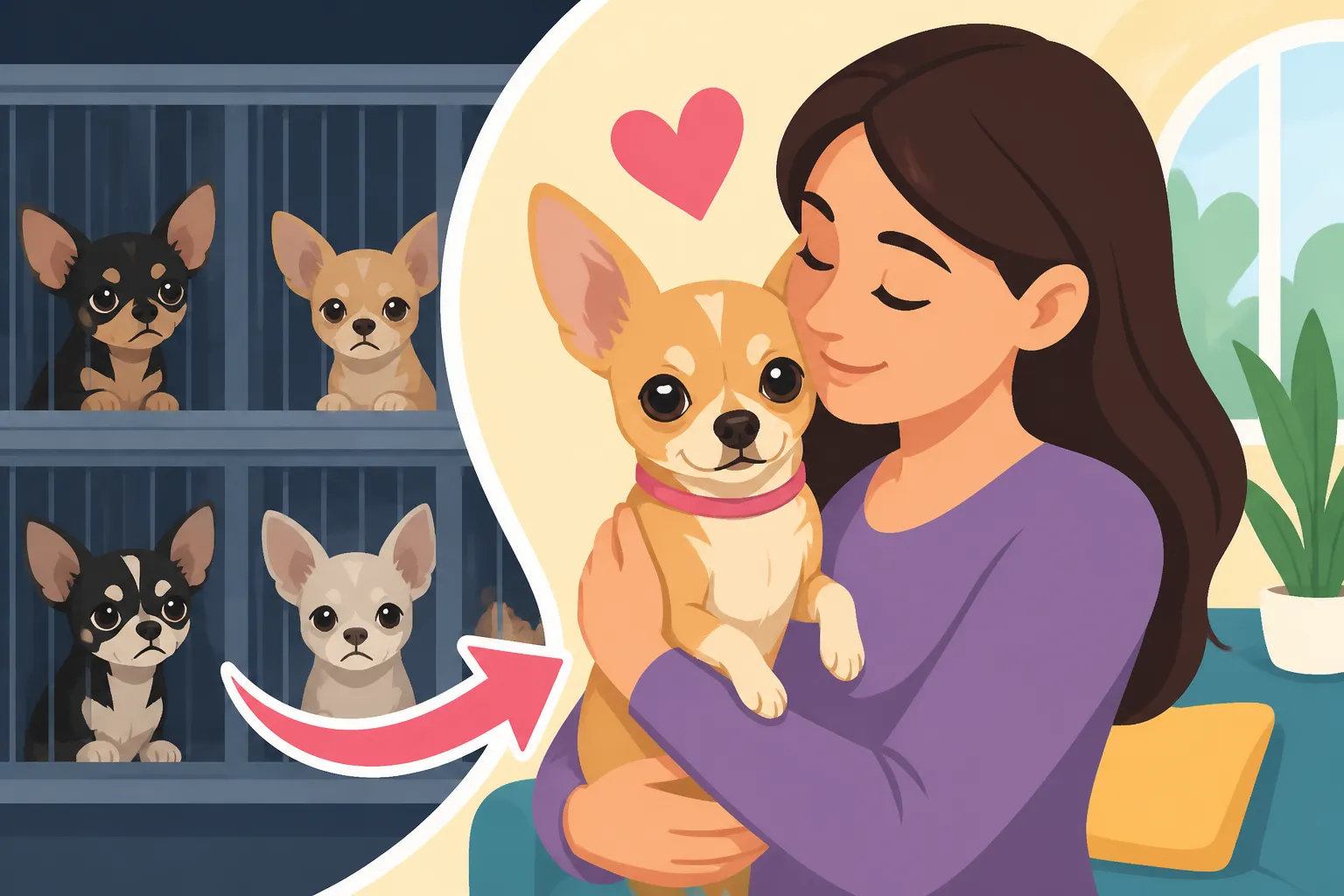
When you think about fostering a dog, you might imagine a big, boisterous hound, but the truth is that Chihuahuas are consistently among the most common breeds found in animal shelters across the country. They’re often surrendered for reasons that have nothing to do with their inherent worth – things like an owner's move, financial hardship, or simply misunderstanding the breed's needs. These tiny dogs, with their fragile bodies and often anxious temperaments, can struggle immensely in a traditional shelter environment. Fostering provides a vital bridge between the chaotic kennel and a loving forever home, offering a temporary sanctuary that can literally save a life.
The Overwhelming Reality of Shelter Life for Small Dogs
Imagine being a tiny, six-pound dog suddenly thrust into a loud, unfamiliar environment. The barking of dozens of other dogs, the strange smells, the constant parade of people, and the confinement of a small run can be utterly terrifying for a Chihuahua. Many Chihuahuas are already predisposed to anxiety and fear-based reactions due to their small size and past experiences. In a shelter, this stress can manifest as excessive barking, refusal to eat, hiding, or even aggression born out of fear. These behaviors, while completely understandable given the circumstances, often make them less adoptable to the average person looking for a calm companion.
Fostering takes these sensitive souls out of that high-stress situation. It gives them a quiet, predictable space where they can decompress, learn to trust again, and show their true personalities. This is especially crucial for Chihuahuas who may have come from neglectful situations or who are older and accustomed to a calm home. We often see how shelters are filled to capacity, which is why programs that encourage fostering a Chihuahua out of an overfull shelter are so critical. The sheer volume of dogs means limited staff time for individual attention, and a foster home can provide that one-on-one care these vulnerable dogs desperately need. For more insight into this pervasive issue, you can read about why Chihuahua Overpopulation in American Shelters is such a significant concern.
Breaking the Cycle of Stress and Fear
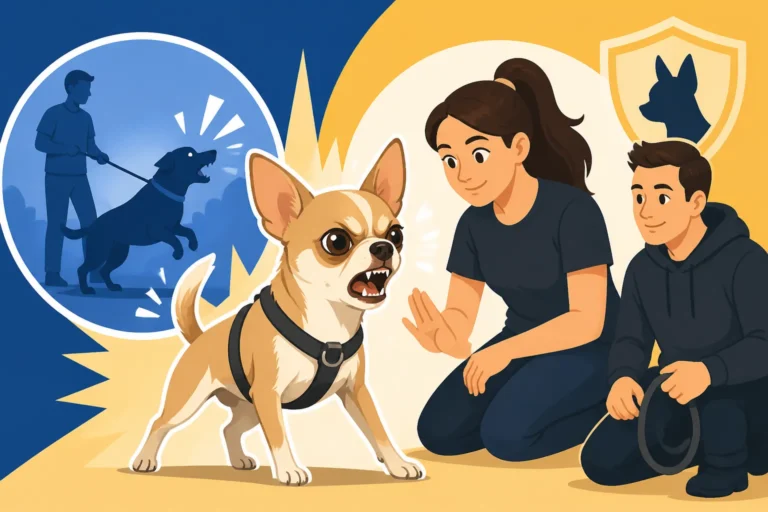
Beyond simply removing a Chihuahua from the immediate noise and stress of a shelter, fostering helps break a deeper cycle of fear and insecurity. Many Chihuahuas arrive with baggage – maybe they've never been properly socialized, or they've learned that barking and lunging is the only way to keep scary things away. In a quiet foster home, away from constant triggers, these dogs can begin to unwind. They start to understand that not every new sound or person is a threat. This is where the real healing begins.
Your role as a foster parent isn't just about providing food and shelter; it's about providing stability, routine, and gentle reassurance. You're teaching them that the world can be a safe place. You might be the first person to truly show them consistent, positive interaction, which is incredibly powerful for a dog who has known little kindness. This transition period allows their innate sweetness and playful spirit to emerge. It gives the shelter valuable information about their true temperament, which in turn helps them find the right permanent home, reducing the chance of them ending up back in the shelter system. Understanding Why Chihuahuas Fill American Shelters can further illuminate the need for foster parents to step up and help.
Preparing Your Home and Heart for a Foster Chihuahua
Bringing any new dog into your home requires preparation, but with a tiny Chihuahua from a shelter, there are some specific considerations. Their small size, potential anxieties, and unknown pasts mean a little extra thought goes a long way in setting them up for success.
Essential Supplies for a Tiny Guest
Even though your foster Chihuahua will likely come with some basic necessities from the shelter, having your own dedicated supplies ready makes the transition smoother for both of you. You’ll want to stock up on essentials, and places like Chewy make it easy to order everything from small-breed kibble to comfy beds directly to your door.
Here's a breakdown of what you'll need:
| Item Type | Specific Needs for a Chihuahua Foster | Why It Matters |
|---|---|---|
| Food & Water | Small-kibble dog food (check with shelter for current brand) | Chihuahuas have tiny mouths and can struggle with larger kibble. |
| Small, shallow bowls (ceramic or stainless steel) | Easy for them to reach, less prone to tipping. | |
| Comfort | Soft, enclosed bed or "burrow bed" | Chihuahuas love to burrow and feel secure in tight spaces. |
| Soft blankets | For warmth and comfort, essential as they get cold easily. | |
| Safety | Crate (appropriate toy dog size) with soft bedding | Provides a safe den, helps with house training and feeling secure. |
| Harness (not a collar) and leash (small, lightweight) | Protects their delicate necks and tracheas, especially if they pull. | |
| Baby gates or playpen | To safely section off areas of your home, especially if you have other pets. | |
| Hygiene | Pee pads (if house training is a challenge or for bad weather) | Their tiny bladders mean frequent potty breaks, and they hate the cold/rain. |
| Cleaning supplies (enzyme cleaner for accidents) | Accidents happen, especially during adjustment. | |
| Enrichment | Small, soft chew toys or puzzle toys | Keeps them occupied and mentally stimulated, prevents boredom behaviors. |
Remember to ask the shelter what food the Chihuahua is currently eating to avoid upsetting their stomach. For Chihuahuas with sensitive stomachs or those who need a little extra enticement to eat, exploring fresh food options, perhaps even from services like Ollie, can be a game-changer. Consistency is key, especially in the first few days, so minimizing changes to their diet and routine can significantly reduce stress.
Creating a Safe and Calm Environment
Your home is a big, new world for a little Chihuahua, and setting it up correctly can make all the difference. Think about it from their perspective: everything is huge, and there might be scary unknown things like loud noises, other pets, or even young children. Your primary goal is to create a secure, predictable, and calm haven.
Start by designating a "safe space" for your foster Chihuahua. This might be a crate set up in a quiet corner of a room, or a playpen in an area where they won't be constantly disturbed. Furnish it with their soft bed, blankets, and water. This is their space, where they can retreat when feeling overwhelmed. Teach children and other pets to respect this boundary.
Consider how you'll manage interactions with other pets. Introductions should always be slow and supervised. Chihuahuas can be fearless, but they are physically vulnerable to larger dogs. Ensure your existing pets are calm and well-behaved around small animals. Similarly, if you have young children, teach them how to gently interact with a tiny dog, emphasizing that Chihuahuas are not toys and need quiet, respectful handling. Never leave a foster Chihuahua unsupervised with children or large pets, especially initially. Keep in mind that a Chihuahua might snap out of fear rather than aggression, a behavior often misunderstood, which you can learn more about by reading Chihuahua Fear Reactivity, the Breed's Real Problem.
Navigating the Nuances of Foster Care
Fostering isn't always easy, but it is always worthwhile. You'll encounter unique challenges and triumphs as you help your Chihuahua adjust and prepare for their forever home.
Common Behavioral and Health Considerations
Many Chihuahuas coming from shelter environments carry some common behavioral quirks or health issues that foster parents should be aware of.
Behavioral Challenges:
- House Training: This is often a big one! Chihuahuas have incredibly tiny bladders and may have never been consistently house trained. They might also regress due to stress. Be prepared for accidents and establish a strict potty schedule. Indoor potty solutions like pee pads or a litter box might be a temporary necessity, especially if they're used to going indoors or if the weather is bad. To get a handle on this, check out our guide on House Training a Chihuahua With a Tiny Bladder.
- Fear and Anxiety: Trembling, hiding, barking, or even nipping can be signs of fear. Patience is paramount. Avoid forcing interactions. Let the Chihuahua approach you on their terms. Positive reinforcement with high-value treats and gentle praise works wonders. Sudden noises, new people, or even just a hand reaching towards them can trigger a reaction. Slow, predictable movements and a calm demeanor from you will help immensely. Some Chihuahuas may also display Chihuahua Separation Anxiety and Time Alone if they have been accustomed to constant companionship.
- Resource Guarding: Some Chihuahuas, especially those who have had to compete for food or toys in the past, may show signs of resource guarding. This means they might growl or snap if you approach their food bowl, favorite toy, or even their bed. Work with the shelter's behavior team for strategies to manage this safely and effectively.
Health Considerations:
- Dental Disease: Chihuahuas are notorious for dental problems, and many shelter Chihuahuas arrive with significant issues. You might notice bad breath, pain when eating, or even missing teeth. The shelter will likely address urgent dental needs, but it's good to be aware. Read more about Chihuahua Dental Disease in a Crowded Small Jaw and how it impacts these small dogs.
- Hypoglycemia: While more common in puppies, adult Chihuahuas can also experience low blood sugar, especially if stressed or not eating regularly. Always ensure they have access to food and monitor for signs like lethargy, trembling, or disorientation.
- Obesity: Believe it or not, some Chihuahuas in shelters can be overweight, often due to improper feeding or lack of exercise. This can exacerbate joint problems. Learning about Chihuahua Obesity on a Six Pound Frame is crucial for their long-term health.
- Vaccination and Parasite Control: Your foster will usually come vaccinated, dewormed, and treated for fleas/ticks, but always confirm with the shelter. Be aware of their tiny size when administering any medications. Understanding Chihuahua Vaccination and Anesthesia at Toy Size is important for their ongoing veterinary care.
Keep detailed notes on behaviors, eating habits, and any health concerns. This information is invaluable to the shelter and to potential adopters.
Working with the Shelter and Veterinary Care
Fostering isn't a solo mission; you're part of a team! The shelter staff are your primary resource and support system. They'll provide guidelines, food, and cover all approved veterinary expenses for your foster dog.
- Communication is Key: Maintain open and honest communication with the shelter. Report any concerns, positive breakthroughs, or changes in behavior immediately. They are there to help troubleshoot challenges and provide guidance. You're their eyes and ears in a home environment, offering insights they couldn't get in the kennel.
- Veterinary Appointments: The shelter will arrange all necessary vet visits. You'll typically be responsible for transporting your foster Chihuahua to and from these appointments. Always follow their instructions regarding medication, diet, or activity restrictions. If an emergency arises, contact the shelter's emergency number before heading to an animal hospital. They will usually have preferred vets and specific protocols for emergencies.
- Matching with Adopters: Once your foster Chihuahua is ready for adoption, the shelter will often involve you in the process. You might write a "bio" based on your observations, meet potential adopters, or even help facilitate meet-and-greets. Your insights into the Chihuahua's personality, quirks, and needs are crucial for finding the perfect match. You know the dog best, and your input ensures they go to a home equipped to meet their specific requirements. This collaboration is what makes fostering so effective in finding forever homes, and ties into the broader process of Adopting a Chihuahua From a Shelter.
The Profound Impact of Fostering and What Comes Next
Fostering a Chihuahua is a journey filled with ups and downs, but the impact you make is truly immeasurable. It changes not only the life of the dog but also yours, offering unique insights into canine behavior and the profound capacity for connection.
The Bittersweet Goodbye or the "Foster Fail"
One of the hardest parts of fostering, and something every foster parent grapples with, is the "goodbye." When your foster Chihuahua finds their forever family, it's a moment of immense joy mixed with a pang of sadness. You've poured your heart into this little dog, helped them heal, and watched them blossom. It's natural to feel a strong attachment. Remember, though, that each adoption opens up a space for another dog in need, allowing you to save another life. The bittersweet feeling is a testament to the love you've given.
Then there's the "foster fail" – a term of endearment for when a foster parent falls so deeply in love with their temporary charge that they decide to adopt them permanently. It happens more often than you might think, especially with a breed as endearing and captivating as a Chihuahua! If you find yourself in this delightful predicament, discuss it openly with the shelter. They will guide you through the adoption process. It means you’ve found your perfect match, and that's a wonderful outcome for everyone. If this happens, you'll want to start thinking about the long-term costs of ownership, as detailed in What a Chihuahua Costs From Eight Weeks to Sixteen. While most shelters cover foster care, a forever home comes with ongoing responsibilities. Future adopters might look into pet insurance providers like Healthy Paws to help manage potential health costs, especially with a breed prone to specific issues like dental problems or luxating patellas.
Long-Term Rewards Beyond the Immediate Care
The benefits of fostering extend far beyond the immediate act of caring for a dog. Firstly, you gain invaluable experience in dog behavior and training. You learn patience, empathy, and problem-solving skills that can enrich your life in countless ways. Every foster dog teaches you something new, refining your understanding of canine needs and communication. You become an advocate, a teacher, and a healer, all rolled into one.
Secondly, there's the profound sense of purpose and fulfillment that comes from knowing you've saved a life. You’ve taken a frightened, possibly neglected animal and given them a second chance. You’ve helped them navigate a difficult chapter and set them on a path to a happy, stable future. This quiet act of kindness reverberates, impacting the dog, their new family, and the shelter community. It’s a powerful reminder of how much good one person can do. You’re not just fostering a dog; you’re building a better world, one tiny, trembling Chihuahua at a time. The satisfaction of seeing a dog you nurtured thrive in their permanent home is a reward that truly lasts.
Disclaimer
This article is for general informational purposes only and does not constitute professional advice. Laws, prices and regulations vary by location and change over time. Consult a qualified professional for guidance on your specific situation.