Chihuahua Transport Runs Out of Overcrowded States
It can be heartbreaking to see the sheer number of Chihuahuas waiting in shelters, especially when you know there are loving homes out there eager to welcome them. The reality is, some regions face an overwhelming surplus of these tiny dogs, while others have adopters lining up. This guide dives deep into why these imbalances exist and how incredible transport programs are creating vital lifelines, moving Chihuahuas from overcrowded shelters to areas where they're desperately wanted and quickly adopted.
The Root Causes of Chihuahua Overpopulation in Specific States
When you look at the statistics, it's clear that not all states experience the same level of Chihuahua overpopulation. In some parts of the country, particularly in the South and Southwest, shelters are often bursting at the seams with Chihuahuas and Chihuahua mixes. It's a complex issue, and it's certainly not the fault of the dogs themselves, but rather a combination of societal, economic, and cultural factors. Understanding these roots helps us appreciate the scale of the challenge and the critical role transport programs play.
Regional Differences in Owner Preferences and Breeding Practices
One major factor contributing to localized overpopulation is simply regional preference. In certain areas, there might be a lower demand for smaller breeds like Chihuahuas, with larger dog breeds being more popular choices. This isn't a judgment, just a reality of diverse tastes across the country. Compounding this is often a lack of widespread spay and neuter initiatives, particularly in rural or low-income communities. When fewer dogs are spayed or neutered, accidental litters are common, and these often end up at overcrowded local shelters.
It's a stark contrast to regions where demand for Chihuahuas outstrips supply, often in the Northeast or Pacific Northwest, where urban living and smaller homes make compact companions more desirable. Without a balance, shelters in high-supply areas become overwhelmed, struggling to house and care for the constant influx of animals. This is where the concept of Chihuahua Overpopulation in American Shelters becomes incredibly clear, highlighting the uneven distribution across the nation.
Economic Factors Leading to Owner Surrender
Another significant piece of this puzzle is the economic landscape. In areas with higher poverty rates or where access to affordable veterinary care is limited, owners might face impossible choices. A sudden job loss, unexpected medical bills for themselves, or even the rising cost of living can force loving families to surrender their beloved pets. A Chihuahua might be a cherished family member, but if the family can no longer afford its food, vet care, or even basic supplies, they may feel surrender is the only option for the dog's well-being.
Emergency situations, like evictions or natural disasters, also play a devastating role. Imagine having to leave your home and finding temporary housing that doesn't allow pets – for many, separating from their Chihuahua is a heartbreaking last resort. These economic pressures often lead to a high volume of owner surrenders at local shelters, adding to the already strained resources and contributing to Why So Many Chihuahuas Sit in Shelters.
The Impact of "Teacup" Trends and Backyard Breeding
While responsible breeders strive to place their puppies in forever homes and ensure their health, the unfortunate rise of "teacup" trends and the prevalence of backyard breeding also contribute to the overpopulation problem. Many individuals are drawn to the idea of an extra-small Chihuahua, often unaware that "teacup" is not a recognized breed size and often comes with significant health risks. This demand can fuel irresponsible breeding practices where profit is prioritized over animal welfare.
Backyard breeders often don't perform health screenings, genetic testing, or even proper socialization for their puppies, leading to Chihuahuas with potential health issues like Chihuahua Hypoglycemia and the Puppy Emergency or significant behavioral challenges. When these dogs grow up and require expensive medical care or exhibit difficult behaviors due to poor early development, they are often surrendered to shelters. You might see listings for Chihuahua Puppy Prices From a Backyard Breeder that seem attractive, but these puppies often come with hidden costs and ethical concerns that ultimately contribute to the shelter crisis.
How Chihuahua Transport Programs Bridge the Gap
In the face of these challenges, Chihuahua transport programs emerge as heroes, creating a vital link between regions overflowing with tiny dogs and those with eager, empty laps. These aren't just casual drives; they are meticulously organized efforts that require significant coordination, resources, and a huge heart for Chihuahuas. These programs effectively redistribute animals, saving lives and providing second chances.
The Logistics of Moving Chihuahuas Across State Lines
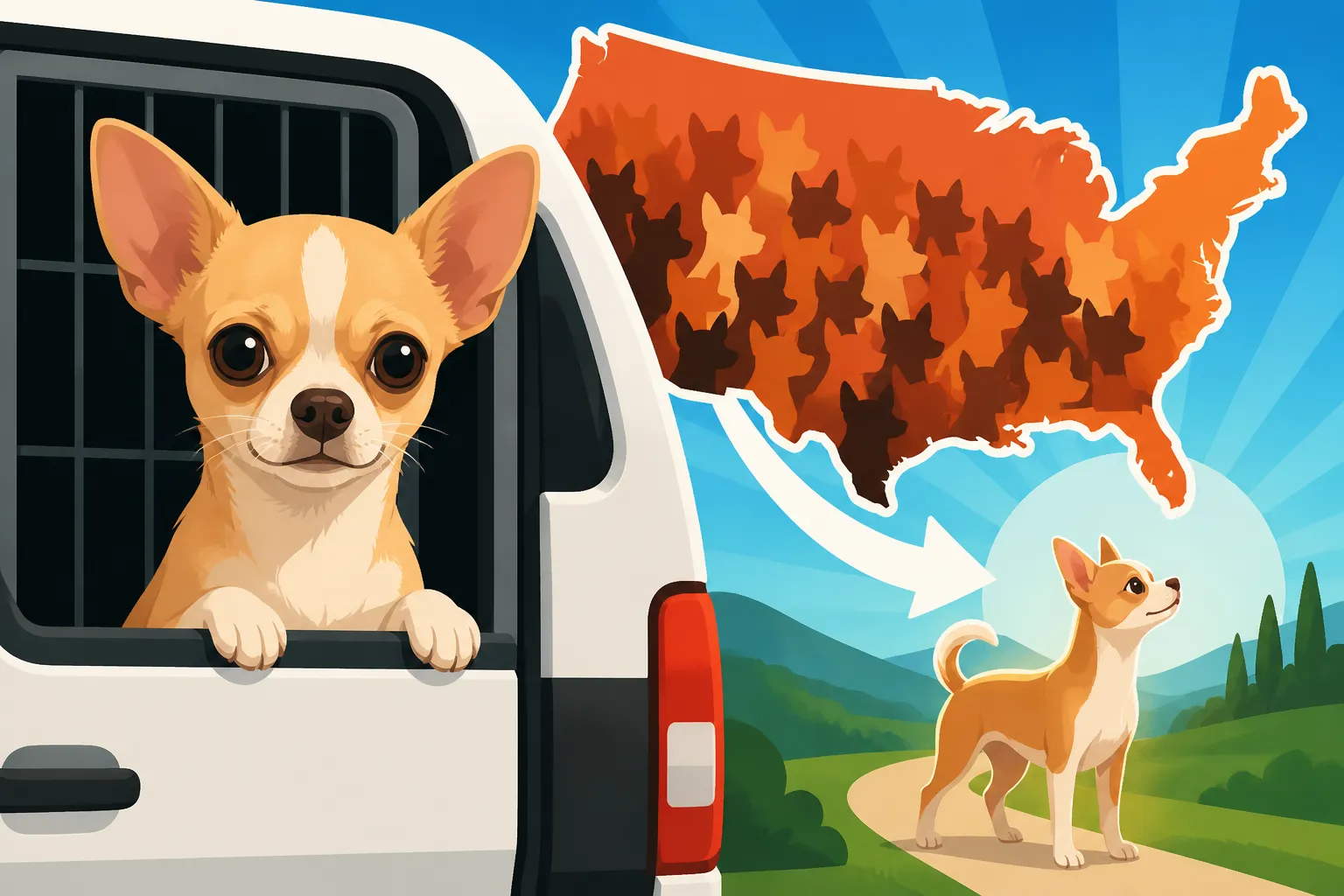
Transporting Chihuahuas isn't as simple as packing them into a vehicle and driving off. It's a complex logistical operation, often orchestrated by dedicated rescue organizations and volunteers. First, a sending shelter in an overcrowded state identifies Chihuahuas that are good candidates for transport – typically healthy, adoptable dogs that are simply running out of time due to space limitations. These dogs are then matched with a receiving rescue or shelter in a state where Chihuahuas are in high demand.
The journey itself requires careful planning. This can involve ground transport, with volunteers driving legs of a journey across multiple states, or even air transport for longer distances. Specialized transport crates are used to ensure the Chihuahuas' safety and comfort. Routes are planned to minimize stress, including regular stops for potty breaks, food, and water. Funding for gas, vehicle maintenance, and overnight stays for drivers is a constant need, often covered by donations or grants. The goal is always to get these little ones to their destination safely and as stress-free as possible.
Essential Health and Behavioral Screenings Before Transport
Before any Chihuahua embarks on a long journey, thorough health and behavioral screenings are absolutely non-negotiable. This is crucial for the safety of the individual dog, other dogs on the transport, and the receiving community. Every Chihuahua must receive a full veterinary check-up, including vaccinations, deworming, and often a microchip. They'll be tested for common issues like heartworm and receive preventive treatments.
It's not just about physical health; behavioral assessments are equally important. Shelter staff or experienced volunteers evaluate each Chihuahua's temperament – how they react to people, other dogs, and different environments. This helps ensure that the dog is suitable for transport and can safely integrate into a new home. Knowing these details helps the receiving rescue prepare for the dog's arrival and match them with the right adopter. This meticulous screening process contributes significantly to The Health Tests a Chihuahua Breeder Should Run as well as those a rescue should ensure.
The Role of Volunteers and Partner Organizations
These transport programs simply couldn't exist without an army of dedicated volunteers and a network of partner organizations. Volunteers are the backbone, driving countless miles, fostering Chihuahuas temporarily before their journey, or helping with administrative tasks. They handle everything from coordinating routes to preparing health certificates and ensuring each Chihuahua has a cozy blanket for the ride.
Partner organizations include both the sending shelters, which are often underfunded and overwhelmed, and the receiving rescues, which provide the critical next step of finding forever homes. This collaboration is key, as it leverages resources and expertise from different regions. For instance, a small, independent rescue might partner with a large, municipal shelter in another state, creating a powerful synergy. They rely on donations and community support to cover costs, including supplies from retailers like Chewy for blankets, food, and crates, ensuring the Chihuahuas have everything they need for their journey and beyond.
What It Means for the Chihuahuas and Their New Homes
The journey from an overcrowded shelter in one state to a new home in another is transformative for these Chihuahuas. It's a second chance at life, but it also comes with a period of adjustment. Understanding this transition is key for anyone involved in adopting or supporting a transported Chihuahua.
Preparing Transported Chihuahuas for Adoption
Once these Chihuahuas arrive at their destination, the work isn't over. The receiving rescue or shelter dedicates time to prepare them for adoption. This often involves a decompression period in a foster home, where the Chihuahua can de-stress from the journey, get used to a home environment, and receive any further veterinary care. Many Chihuahuas arrive with dental issues, for example, making Chihuahua Dental Disease in a Crowded Small Jaw a common concern that needs addressing before adoption.
Foster parents play a critical role here, providing individualized attention, basic house training reinforcement, and further behavioral observations. They help the Chihuahua build confidence and showcase their unique personalities. This period allows the rescue to truly understand the dog's needs and match them with the perfect family. The goal is not just to get them adopted, but to ensure they thrive in their new environment.
Adjusting to a New Environment and Family
Adopting a transported Chihuahua means welcoming a dog who has likely experienced significant change and possibly stress. They might be a bit shy, confused, or even anxious in their new home. It's crucial for adopters to approach this with patience, understanding, and a gentle hand. Creating a quiet, safe space for them, like a crate or a designated bed, is essential. Remember, they're learning a whole new routine, new sounds, and new smells.
Consistency in feeding, potty breaks, and training helps build their confidence. Many Chihuahuas, especially those from high-kill shelters, might have never truly learned to relax in a loving home. They may need guidance on things like Chihuahua House Training With a Tiny Bladder or even basic leash manners. Patience is a virtue, and with time and positive reinforcement, these resilient little dogs blossom into devoted companions. Providing them with high-quality, consistent nutrition, perhaps from brands like Ollie, can also contribute to their overall health and well-being during this crucial adjustment period.
Supporting a Transported Chihuahua's Long-Term Well-being
Bringing home a transported Chihuahua is a long-term commitment. Their past experiences, even if unknown, can sometimes manifest later. Regular veterinary care is paramount, and considering pet insurance from providers like Healthy Paws can be a smart move to cover potential future health issues, especially given that breeds like Chihuahuas can be prone to specific conditions as they age, such as Chihuahua Heart Disease as the Breed Ages.
Continued positive reinforcement training is also incredibly beneficial. Whether it's enrolling in a basic obedience class or working on specific behaviors at home, teaching a Training a Chihuahua Exactly Like a Big Dog fosters confidence and strengthens the bond with their new family. Providing a stimulating environment with appropriate toys, regular walks, and consistent affection will help them feel secure and loved for the rest of their long lives.
Getting Involved: Adopting, Fostering, or Supporting Transport
If you've been touched by the plight of Chihuahuas in overcrowded shelters, there are many ways you can make a tangible difference. Every act of support, big or small, helps these little dogs find their way to loving homes.
What to Expect When Adopting a Transported Chihuahua
Adopting a Chihuahua from a transport program is an incredibly rewarding experience, but it’s important to know what to expect. You'll typically go through a thorough application process, often including interviews, vet checks for existing pets, and home visits. This is designed to ensure the best possible match for both you and the Chihuahua. The rescue will provide you with all available information on the dog's background, health, and known behaviors.
While the adoption fee might seem like a lot, remember that it often covers a significant portion of the dog's vetting, including spay/neuter, vaccinations, microchip, and sometimes even dental work. It's truly an investment in their second chance. You can think of it as What a Chihuahua Adoption Fee Already Paid For and then some, reflecting the rescue's dedication. Be prepared for a settling-in period, which could range from days to weeks, as your new family member adjusts. Provide a safe space, a predictable routine, and boundless patience, and you'll be amazed at the love they give in return.
Fostering as a Crucial Link in the Chain
If you're not ready for a permanent adoption but want to help, fostering is arguably one of the most impactful ways to get involved. Foster homes are the lifeblood of transport programs, providing a temporary, loving environment for Chihuahuas immediately after their long journey. For a dog that has just traveled hundreds or thousands of miles, a quiet home environment is infinitely better than another kennel.
As a foster parent, you provide food, shelter, socialization, and a watchful eye on their health and behavior. You help them decompress, learn house manners, and get comfortable with human companionship. Fostering allows the rescue to save more lives by freeing up kennel space and gives them invaluable insight into the Chihuahua's personality, which is crucial for finding the right forever home. If you have experience with dogs and a bit of extra space and love, consider opening your home to a Adopting a Chihuahua From a Shelter as a foster.
Financial and Material Support for Transport Efforts
Even if you can't adopt or foster, your support can still make a world of difference. Transporting Chihuahuas is expensive. Costs include fuel, veterinary care, crates, food, and often specialized supplies from companies like Chewy for the journey and initial intake. Financial donations, even small ones, directly contribute to covering these essential expenses. Many rescue organizations are non-profits and rely entirely on the generosity of individuals.
You can also donate material goods. Shelters and rescues always need things like sturdy leashes and harnesses, especially harnesses that spare a Why a Harness Matters for a Chihuahua Windpipe, high-quality small dog food, blankets, towels, and cleaning supplies. Even sharing rescue posts on social media can help connect a Chihuahua with its future family. Supporting these transport efforts means supporting the ultimate goal: ensuring every Chihuahua, no matter where they start their journey, finds a loving home.
Disclaimer
This article is for general informational purposes only and does not constitute professional advice. Laws, prices and regulations vary by location and change over time. Consult a qualified professional for guidance on your specific situation.