Adopting a Senior Chihuahua at Reduced Cost
It's a tough truth that as Chihuahuas age, some find themselves without a home, through no fault of their own. Many senior Chihuahuas end up in shelters or rescues, confused and often heartbroken, simply because their previous owners could no longer care for them, or sometimes, tragically, because an owner passed away. This guide is here to walk you through the incredibly rewarding journey of adopting a senior Chihuahua, showing you how these wonderful little dogs often come with the added benefit of reduced adoption fees, making it an accessible and deeply fulfilling choice for many.
The Heartbreak and Hope of Senior Chihuahua Adoption
The sight of a little gray muzzle and cloudy eyes in a shelter can pull at your heartstrings. Senior Chihuahuas, despite their often fragile appearance, carry a lifetime of love and personality within their small frames. They deserve to spend their golden years in comfort, surrounded by warmth and understanding. Thankfully, many rescue organizations recognize this and actively promote the adoption of older dogs, often at a reduced cost, to encourage more people to open their homes.
Why Senior Chihuahuas End Up in Shelters
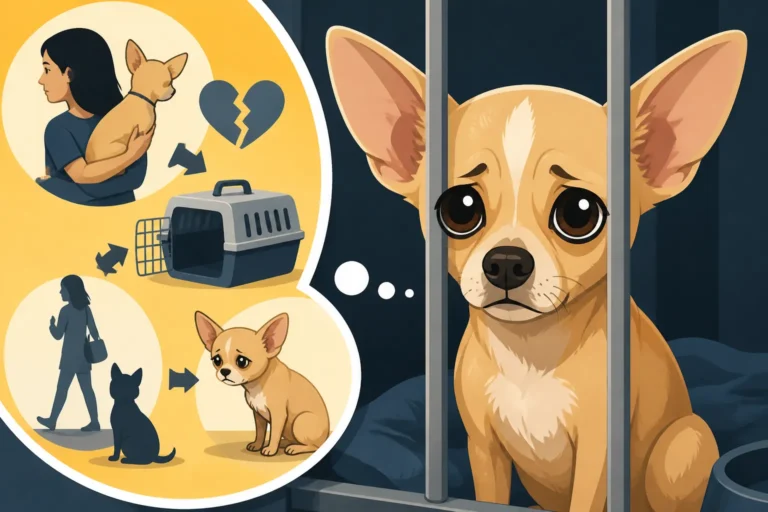
It's a sad reality, but there are numerous reasons why a senior Chihuahua might find itself in a shelter. Sometimes, it's due to an owner's declining health or passing away, leaving their beloved companion with nowhere to go. Other times, families face financial hardship, a move to housing that doesn't allow pets, or simply can no longer manage the specific needs that can come with an aging dog. It's rarely about the dog's behavior or temperament; these are often well-loved, house-trained companions who are simply victims of circumstance. They arrive at shelters often bewildered and grieving, which makes their need for a loving, stable home even more urgent. The dedicated staff and volunteers at these rescues work tirelessly to provide comfort, but nothing truly replaces a permanent family.
The Unique Benefits of Adopting an Older Dog
Adopting a senior Chihuahua is a truly special experience, offering benefits that you might not find with a puppy. For starters, you bypass much of the chaotic puppy stage – no chewing everything in sight, no constant potty accidents every hour, and usually no sleepless nights filled with puppy cries. Senior Chihuahuas often come with established manners, a predictable personality, and are usually house-trained. You know what you're getting in terms of temperament and energy level, which can be a huge relief for first-time dog owners or those seeking a calmer companion.
They're often past their destructive phases and have already learned the basics of living in a home, making for a much smoother transition. Many senior Chihuahuas are content with shorter, gentler walks and plenty of lap time, perfectly suited for individuals or families looking for a less demanding, yet incredibly affectionate, pet. They also have an incredible capacity for gratitude, often bonding deeply and quickly with their new families, as if they understand they've been given a second chance. They bring a quiet wisdom and a profound sense of companionship that is truly unique to older animals. Plus, you’re often saving a life, giving a deserving dog the best possible retirement. This decision truly enriches your life as much as it does theirs. You might also want to read about The Age a Chihuahua Counts as Senior to understand more about their specific needs.
Understanding "Reduced Cost" in Senior Adoption
When we talk about "reduced cost" for senior Chihuahua adoption, we're primarily referring to the adoption fee itself. Shelters and rescue organizations often lower these fees significantly for older dogs, and sometimes even waive them entirely for very senior or special needs Chihuahuas. This isn't because the dog is worth less, but rather a strategic decision by the rescue to encourage adoption for animals that often get overlooked in favor of puppies or younger dogs.
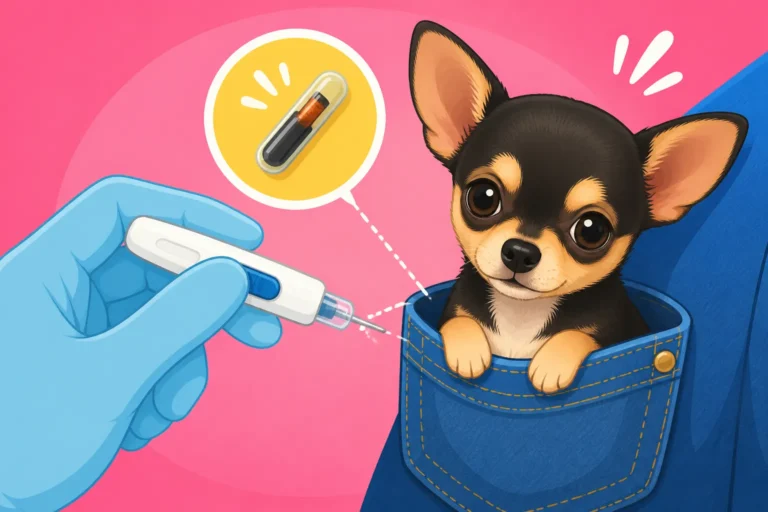
These fees, while reduced, still help the rescue cover some of the costs incurred during the senior Chihuahua's stay. This can include initial veterinary exams, vaccinations, spaying or neutering (if not already done), microchipping, and basic care like food and bedding. The reduction acknowledges that the new owner might face higher veterinary expenses down the line due to age-related health issues, making the initial financial barrier lower. It's a win-win: the adopter saves money upfront, and the senior Chihuahua gets a much-needed second chance at a loving home, making the path to Adopting a Chihuahua From a Shelter much clearer.
Navigating the Adoption Process for a Senior Chi
Adopting any dog is a commitment, and a senior Chihuahua is no exception. While the adoption fee might be reduced, the process itself is still thorough, designed to ensure a perfect, forever match for these vulnerable little guys. Rescues want to ensure their seniors are going to homes that understand their needs and are prepared for the unique joys and challenges that come with an older pet.
Finding Reputable Rescues and Shelters
Your first step is to identify reputable shelters and breed-specific Chihuahua rescues. While local animal shelters are a great place to start, dedicated Chihuahua rescues often have a deeper understanding of the breed's specific needs, temperaments, and common health issues. They also tend to have more senior Chihuahuas in their care, actively advocating for them. Websites like Petfinder or Adoptapet can help you locate organizations in your area or even facilitate transport from a rescue further afield.
When researching, look for organizations that are transparent about their adoption process, provide detailed health records, and offer post-adoption support. A good rescue will be keen to educate you on the specific needs of senior Chihuahuas, discussing common conditions like Chihuahua Arthritis in the Teenage Years or Cognitive Decline in a Fifteen Year Old Chihuahua, and will want to know about your living situation and experience with dogs. They should prioritize finding the right home over a quick adoption. Don't be shy about asking questions about their vetting process, their facilities, and their support network.
The Adoption Fee Structure for Senior Dogs
As mentioned, adoption fees for senior Chihuahuas are generally lower than for puppies or younger adult dogs. While standard adoption fees for adult dogs might range from a couple of hundred dollars, senior fees can be as low as $50, or sometimes even waived entirely, especially for very old Chihuahuas or those with significant medical needs. This varies widely by organization and region.
Some rescues have "Seniors for Seniors" programs, where older people (often 65+) can adopt a senior dog at a greatly reduced or no fee, recognizing the mutual benefits of companionship. It’s important to remember that this fee, however small, is a contribution towards the care the dog has already received and the rescue’s ongoing mission. Always inquire directly with the rescue about their specific fee structure for senior animals. Even if the fee is waived, expect a thorough screening process, as the goal is a forever home, not just a temporary one. You might find more general information on Why Chihuahua Adoption Fees Are So Low to understand the rescue economy better.
What to Expect During the Application and Interview
The application process for adopting a senior Chihuahua is quite similar to adopting any dog, but with a particular emphasis on your willingness and ability to provide for an older pet's needs. You'll typically fill out a detailed application form covering your living situation, family members (human and animal), work schedule, and previous pet experience. Be honest and thorough; this helps the rescue determine if you're a good fit.
Following the application, you'll likely have an interview, either by phone or in person. This is your chance to ask more specific questions about the senior Chihuahua you're interested in – their personality, health history, any known quirks, and what kind of environment they thrive in. The rescue will want to understand your expectations, your financial preparedness for potential vet care, and your patience for any age-related issues. They may ask for vet references if you've owned pets before, and often conduct a home visit to ensure your environment is safe and suitable for a tiny, older dog. This thoroughness is a testament to their commitment to finding these dogs the best possible homes for their twilight years.
Budgeting Beyond the Adoption Fee for a Senior Chihuahua
While the reduced adoption fee is a wonderful perk, it's crucial to understand that the real costs of owning a senior Chihuahua extend far beyond that initial payment. An older dog, especially a small breed like a Chihuahua known for living into its teens, will likely have specific health needs that require ongoing attention and can add up. Being prepared for these expenses is key to providing a stress-free, loving home.
Initial Vet Visits and Health Assessments
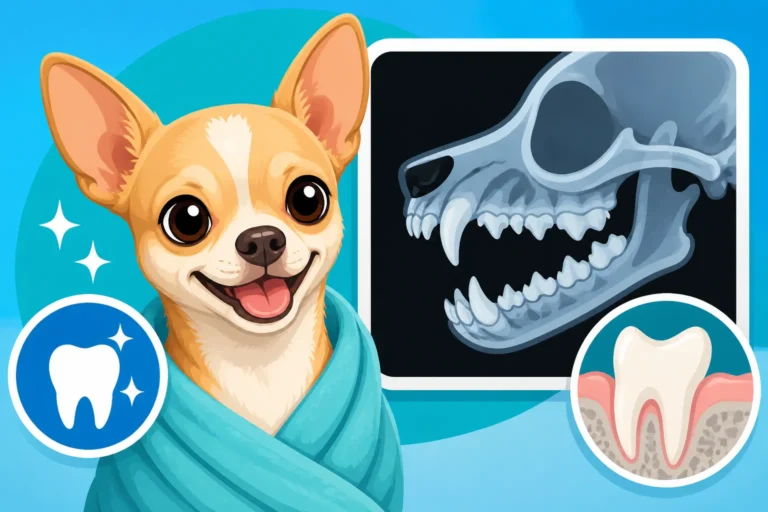
Once your senior Chihuahua comes home, a prompt visit to your veterinarian is essential. Even if the rescue provided health records, your vet will want to perform their own comprehensive check-up. This initial visit might involve a full physical exam, blood work, a urinalysis, and potentially dental assessment. Senior Chihuahuas are prone to a range of age-related issues, such as dental disease, heart conditions, arthritis, and kidney problems.
Your vet might recommend specialized screenings to get a baseline on your Chihuahua's health, such as an echocardiogram for potential Mitral Valve Disease in an Older Chihuahua or x-rays to check for Chihuahua Arthritis in the Teenage Years. These initial assessments, while an investment, are crucial for identifying any underlying conditions early, allowing for proactive management and improving your Chihuahua's quality of life. Be prepared for these upfront costs; they are a necessary part of responsible senior pet ownership.
Ongoing Care: Food, Supplements, and Comfort
The daily care for a senior Chihuahua also involves specific considerations. Their dietary needs often shift as they age. They might require easily digestible senior dog food, or even specialized prescription diets for conditions like kidney or heart disease. Small, frequent meals can also be beneficial, especially for a breed prone to blood sugar fluctuations, though hypoglycemia is less common in adults than in puppies. For an older Chihuahua who might have lost some teeth, softened kibble or wet food can make eating much more comfortable. Brands like Ollie offer fresh food options that can be tailored to specific caloric and nutritional needs, delivered in pre-portioned amounts perfect for a tiny Chihuahua.
Beyond food, many senior Chihuahuas benefit from supplements. Joint supplements with glucosamine and chondroitin can help manage arthritis pain, while omega fatty acids can support skin and coat health. Special bedding, like orthopedic foam beds, can provide crucial comfort for aching joints. You might also consider ramps or steps to help them access furniture safely, protecting their small joints from impact. These ongoing costs for food, supplements, and comfort items are part of providing a truly enriching environment for your golden-aged companion. When feeding an older Chihuahua, you may need to learn about Feeding an Old Chihuahua That Has Lost Molars.
Planning for Potential Senior Health Challenges
This is where understanding the true commitment comes in. While senior Chihuahuas are wonderful, they are more susceptible to age-related health issues that can incur significant veterinary bills. Chihuahua Dental Disease in a Crowded Small Jaw is incredibly common, and routine cleanings or even extractions can be a recurring expense. Heart conditions, like mitral valve disease, often require ongoing medication and regular check-ups. Arthritis pain might need daily medication or even physical therapy sessions.
| Potential Senior Chihuahua Health Issues | Common Signs to Watch For | Management/Treatment Considerations |
|---|---|---|
| Dental Disease | Bad breath, difficulty eating, pawing at mouth | Regular cleanings, extractions, home brushing |
| Arthritis | Stiffness, reluctance to jump, limping | Joint supplements, pain medication, ramps/steps |
| Heart Disease | Coughing, lethargy, difficulty breathing | Medications, low-sodium diet, regular vet checks |
| Kidney Disease | Increased thirst/urination, weight loss, vomiting | Prescription diet, fluid therapy, medications |
| Cognitive Dysfunction | Disorientation, altered sleep cycles, house-training accidents | Medications, environmental enrichment, routine |
| Eye Problems | Cloudiness, discharge, bumping into objects | Eye drops, surgery (for cataracts), vet checks |
Pet insurance can be a lifeline for these situations. While pre-existing conditions won't be covered, enrolling your senior Chihuahua as soon as you adopt them means that any new conditions that arise can be covered. Providers like Healthy Paws offer various plans that can help offset the costs of unexpected illnesses or injuries. It's an investment that can provide immense peace of mind. Without insurance, saving a dedicated emergency fund specifically for your senior Chihuahua's health needs is highly advisable. This way, if you face a significant bill for something like Chihuahua Heart Disease as the Breed Ages, you're not caught off guard. You also want to plan for Senior Chihuahua Care Past the Age of Twelve.
Setting Up Your Home for a Golden-Aged Chihuahua
Creating a safe, comfortable, and stimulating environment for your senior Chihuahua is paramount. They thrive on routine, warmth, and easy access to their favorite spots. A few thoughtful adjustments can make all the difference in their comfort and well-being.
Creating a Safe and Comfortable Environment
Chihuahuas are naturally small, but a senior Chihuahua might have reduced mobility, vision, or hearing. Think about their world from their perspective. Ensure their bed is easily accessible and located in a warm, draft-free spot. Many senior Chihuahuas adore burrowing, so soft blankets they can tunnel into are a must. Because they have very little body fat, keeping a Chihuahua warm is extremely important. Consider placing their food and water bowls in an easily reachable area, perhaps slightly elevated if they have neck or back pain.
Ramps or steps are absolutely essential if you want them on furniture safely. A sudden jump off a sofa can easily cause injury to aging joints, especially if they have conditions like Patellar Luxation, the Chihuahua's Commonest Joint Problem or generalized arthritis. Blocking off dangerous areas like steep stairs or open fireplaces will prevent accidents. Non-slip rugs on hard floors can help them gain traction and reduce the risk of slips and falls. Providing them with a secure, quiet den or crate where they can retreat when feeling overwhelmed is also beneficial, offering a sense of security. Their vision might not be what it once was, so keeping furniture in consistent locations helps them navigate their space confidently.
Gentle Exercise and Mental Stimulation
While a senior Chihuahua might not be up for long hikes, regular, gentle exercise is still crucial for maintaining muscle tone, joint health, and a healthy weight. Short, frequent walks around the block, tailored to their stamina, are perfect. On colder days, or if mobility is severely limited, indoor games can keep them moving. Gentle fetch with a soft toy or hide-and-seek with treats can be fun and stimulating.
Mental stimulation is just as important as physical exercise for preventing cognitive decline. Puzzle toys designed for small dogs, gentle scent work games, or even just teaching a new, simple trick can keep their minds sharp and engaged. Regular, positive interaction with their family also provides crucial mental and emotional well-being. Remember, while they're older, they're still dogs with a need to feel useful and loved. You can explore topics like Mobility Help for a Fifteen Year Old Chihuahua for specific tips.
Patience and Love: The Most Important "Cost"
The most invaluable "cost" you'll invest in a senior Chihuahua is not financial, but emotional: boundless patience, understanding, and love. There will be days when they might have accidents inside, struggle to hear you, or become a little disoriented. They might need more frequent potty breaks, especially overnight. Their sleep patterns might change, and they could vocalize more at night due to Cognitive Decline in a Fifteen Year Old Chihuahua.
Approaching these challenges with compassion and understanding, rather than frustration, is key. Every senior Chihuahua has a story, and often a lot of love left to give. They thrive on routine, gentle affection, and the security of knowing they are finally in a safe, forever home. The bond you form with a senior Chihuahua is incredibly deep and profoundly rewarding. You are giving them the gift of a comfortable, dignified end to their lives, and in return, they will fill your home with a quiet, unwavering devotion that is truly priceless. This commitment to love and care is the greatest investment you can make, ensuring their Chihuahua Lifespan and Why the Breed Reaches Sixteen is as happy and healthy as possible. When the time comes, remember to prepare for End-of-Life Decisions for a Long-Lived Chihuahua.
Disclaimer
This article is for general informational purposes only and does not constitute professional advice. Laws, prices and regulations vary by location and change over time. Consult a qualified professional for guidance on your specific situation.