Health Records Worth Keeping Across Sixteen Years
Bringing a Chihuahua into your life is a long-term commitment, often spanning well over a decade. While their tiny size might make you think their needs are simple, managing their health records over 12 to 20 years can become a surprisingly complex task. It’s easy for old vet visit summaries, vaccine certificates, and diagnostic results to get lost in a pile of paperwork or forgotten over time. This guide is here to help you establish a robust system for keeping track of your beloved Chihuahua's health journey, ensuring you have all the critical information at your fingertips, from their energetic puppy days to their dignified senior years.
Why Meticulous Record Keeping is a Lifelong Commitment for Your Chihuahua
It might seem like a chore now, but carefully maintaining your Chihuahua’s health records is one of the most proactive steps you can take for their well-being. These aren't just pieces of paper; they're the detailed story of your dog's health, offering invaluable insights over their remarkably long lives.
The Long Game: Why Chihuahua Lifespan Demands Detailed Histories
Chihuahuas are known for their incredible longevity, often living into their mid-to-late teens, and sometimes even beyond. This means they accumulate a significant amount of health data over their lifetime. Think about it: a dog that lives for sixteen years will have had countless vet check-ups, vaccine boosters, dental procedures, and potentially a few unexpected health hiccups along the way. Without a clear record, trying to remember the details of a treatment from five years ago, or how a specific symptom presented when your Chihuahua was a puppy, can be nearly impossible.
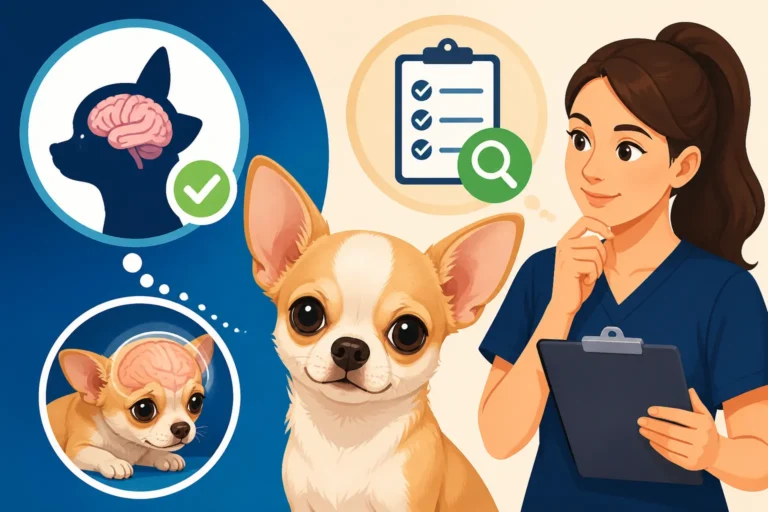
When your Chihuahua reaches its senior years, around age twelve and beyond, having a comprehensive history becomes even more critical. Older Chihuahuas can develop new conditions or see existing ones progress. Looking back at early symptoms, the onset of a chronic condition, or the history of a specific joint issue like Patellar Luxation, the Chihuahua's Commonest Joint Problem, can provide your veterinarian with crucial context for current diagnoses and treatment plans. It helps them understand the progression of a condition, rather than just seeing a snapshot of the present. For instance, knowing if a subtle cough started five years ago or just last month can drastically change the diagnostic approach. This foresight is especially useful when considering specialized care or making decisions about Senior Chihuahua Care Past the Age of Twelve.
Preventing Over-Treatment and Missed Diagnoses
Imagine moving to a new city and having to explain your Chihuahua's entire medical history to a new vet without any records. Or worse, having an emergency and the attending vet having no idea about your dog's known allergies or pre-existing conditions. Meticulous records prevent these stressful scenarios. They ensure that your Chihuahua doesn't undergo redundant tests or treatments, saving both you and your pet unnecessary stress and expense.
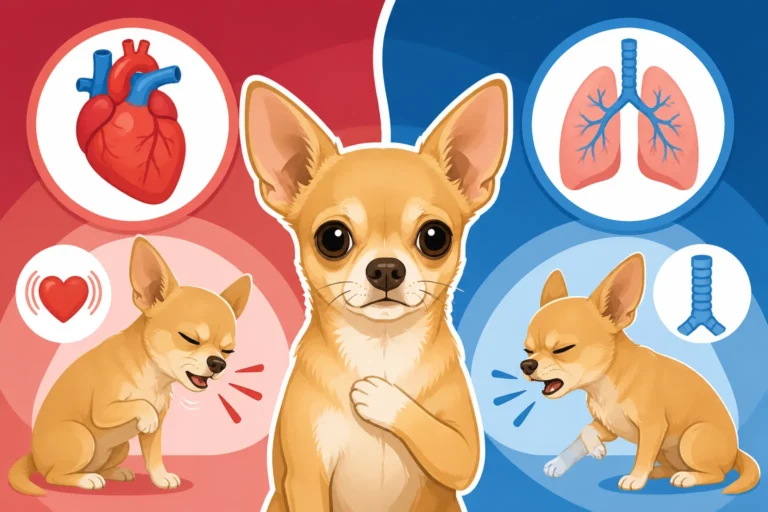
Furthermore, a detailed timeline of symptoms and treatments can be the key to preventing missed diagnoses. Chihuahuas, like many small breeds, can be prone to certain genetic or breed-specific issues. If your dog exhibits a recurring, subtle symptom, having a record of when it first appeared, how long it lasted, and what treatments were tried can help connect the dots. For example, knowing the exact frequency and intensity of a Collapsing Trachea and the Chihuahua Honking Cough or the grade of a Chihuahua Heart Disease as the Breed Ages heart murmur, tracked over several years, provides an invaluable diagnostic tool. It empowers you to be a more informed advocate for your pet, ensuring that no subtle clue in their health history is overlooked.
What Essential Health Records to Keep Organized
Knowing why to keep records is one thing; knowing what to keep is another. Here’s a breakdown of the essential documents and information that should be part of your Chihuahua’s lifelong health file.
Vaccination and Parasite Prevention Records
These are probably the most commonly requested records, especially if your Chihuahua attends daycare, is boarded, or travels. You’ll need a clear history of all core vaccinations, like Distemper, Hepatitis, Parvovirus, and Rabies, along with their booster dates. Keeping these up to date is not just about compliance, but about protecting your tiny companion from serious illnesses. Remember, even a small dog needs full protection, and understanding Chihuahua Vaccination and Anesthesia at Toy Size is critical.
Beyond vaccines, consistently track all parasite prevention. This includes monthly heartworm medication, as well as flea and tick preventatives. Note the product names, dosages, and administration dates. This record is vital for proving compliance and ensuring continuous protection. If your vet ever needs to assess potential parasite-related issues, a full history of Chihuahua Parasite Prevention at Low Body Weight is incredibly helpful.
Vet Visit Summaries and Diagnostic Results
Never just keep the invoice from a vet visit. Always ask for, and save, the full medical report. These reports detail the physical examination findings, any diagnoses made, the recommended treatment plans, and any medications prescribed. They are the narrative of your Chihuahua’s health over time.
This section should also house all diagnostic results. This means copies of:
- Blood work: Essential for monitoring overall health, especially for detecting issues like early kidney disease in older Chihuahuas or tracking Chihuahua Hypoglycemia and the Puppy Emergency in young pups.
- Urinalysis: Helps identify urinary tract infections or kidney issues.
- X-rays: Crucial for conditions like patellar luxation, collapsing trachea, or even dental health assessments before extractions.
- Ultrasounds or MRIs: If your Chihuahua ever needs advanced imaging, these reports and images are vital for ongoing care.
- Specialist reports: If your Chihuahua sees a veterinary cardiologist for a heart murmur, an ophthalmologist for an eye issue, or any other specialist, keep those detailed reports too. They often contain specific findings and recommendations that regular vets might refer back to.
Surgical and Anesthesia Records
Due to their small size, Chihuahuas require careful consideration during any surgical procedure, particularly concerning anesthesia. Each time your Chihuahua undergoes surgery, whether it’s a spay/neuter, a dental cleaning, or a more involved operation like a patella repair, ensure you receive detailed records. These should include the date of the procedure, the specific surgical intervention performed, the type of anesthesia protocol used, any medications administered during or after, and a summary of recovery. This information is critical for future medical decisions, helping your vet understand their history with anesthesia and any potential sensitivities. Knowing the specifics about Anesthesia Risk During a Chihuahua Dental is paramount, as these tiny dogs often need dental work multiple times in their lives.
Dental Care History
Chihuahuas are famously prone to dental disease, often requiring professional cleanings and extractions starting at a relatively young age. Because of this, a dedicated record of their dental health is non-negotiable. Keep precise dates of all dental cleanings, whether your Chihuahua had any extractions, and copies of any pre-dental blood work or dental X-rays. This detailed history of Chihuahua Dental Disease in a Crowded Small Jaw helps track the progression of gum disease, the development of new issues, and allows your vet to anticipate future dental needs. It can also inform how frequently your Chihuahua needs a professional cleaning, which, as many owners know, can become The Yearly Chihuahua Dental Cleaning Bill.
Essential Chihuahua Health Records Checklist
To make it easier, here's a quick checklist of the core records you should always strive to keep.
| Record Category | Specific Documents/Information to Keep | Importance |
|---|---|---|
| Identity & General Info | Microchip number, registration papers, breeder info, adoption contract | Proof of ownership, aid in recovery if lost, historical background |
| Vaccinations | Rabies certificate, DHPP/distemper, Bordetella, Leptospirosis, Lyme (if applicable) | Legal compliance, boarding/travel requirements, disease prevention |
| Parasite Prevention | Dates of heartworm, flea, tick meds; product names & dosages | Proof of protection, critical for vet diagnosis if parasites suspected |
| Vet Visits | Full medical reports, physical exam findings, diagnoses, treatment plans, prescriptions | Comprehensive health timeline, crucial for continuity of care |
| Diagnostic Results | Blood work, urinalysis, X-rays, ultrasounds, MRI reports, specialist consultations | Objective data for diagnosis, monitoring, and specialist referrals |
| Surgical Procedures | Dates, type of surgery, anesthesia used, post-op instructions, any complications | Informs future medical decisions, especially regarding anesthesia tolerance |
| Dental Care | Dates of cleanings, extractions, dental X-rays | Tracks progression of dental disease, informs frequency of future cleanings |
| Medications | Current medications (name, dosage, frequency), past medications, supplements | Prevents adverse drug interactions, helps track effectiveness of treatments |
| Allergies & Sensitivities | Documented allergies (food, environmental, medications) | Critical safety information for all caregivers and vets |
| Diet & Weight History | Diet changes, weight fluctuations (can be noted in vet reports) | Helps manage obesity, identify nutritional needs, and track chronic conditions |
| Behavioral Notes | Significant behavioral changes, training notes, signs of pain or discomfort | Important for diagnosing pain, cognitive decline, or other underlying health issues |
| Emergency Contacts | Your vet's number, emergency vet clinic, pet sitter/family | Immediate access to critical information in urgent situations |
| Pet Insurance | Policy number, customer service contact, claims history | Streamlines claims process, financial planning for unexpected events |
Practical Strategies for Organizing and Accessing Your Chihuahua's Records
Collecting all these documents is the first step; keeping them organized and accessible is the next, and arguably most important, challenge. Over a Chihuahua's long lifespan, your system needs to be robust enough to handle years of accumulation.
Digital vs. Physical: Finding Your Balance
When it comes to organizing records, you have a couple of main routes: digital or physical. Many owners find a hybrid approach works best, playing to the strengths of both.
Digital Records:
- Pros: Easily searchable, shareable, and backed up. No physical space needed. Accessible from anywhere with an internet connection. Excellent for long-term storage without degradation.
- Cons: Requires consistent scanning of physical documents. Dependence on technology (internet access, device battery). Can be overwhelming if not consistently organized into folders.
- How-to: Create a dedicated folder on a cloud service like Google Drive, Dropbox, or iCloud. Within that, make subfolders for each year (e.g., "Chihuahua Name – 2023 Health Records") or by category (e.g., "Vaccines," "Dental," "Bloodwork"). Scan all physical documents into PDF format and upload them.
Physical Records:
- Pros: Tangible, easy to grab in an emergency, no tech required. Some people prefer flipping through paper.
- Cons: Can be lost, damaged by spills or fire, takes up physical space. Harder to share quickly. Can become bulky over years.
- How-to: Invest in a sturdy binder with dividers or a small, clearly labeled accordion file box. Organize by year or by category, similar to the digital method. Use sheet protectors for important documents. Keep it in a safe, easily remembered location.
For many Chihuahua owners, a combination is ideal. Keep a physical binder for the most recent year's critical documents, and scan everything else into your digital archive. This way, you have immediate access to current info, and a comprehensive, permanent digital history.
Leveraging Technology for Ongoing Updates
In our modern world, technology can be a huge ally in managing your Chihuahua’s health records.
- Dedicated Pet Apps: There are fantastic apps designed specifically for pet owners that allow you to upload documents, input medication schedules, set reminders for vet appointments or flea/tick meds, and even track symptoms in real-time. Apps like Pawprint or VitusVet can centralize all your information and send helpful nudges.
- Email Folders: Create a specific email folder for all correspondence related to your Chihuahua's health. This makes it easy to find appointment confirmations, follow-up notes from your vet, or lab results sent via email.
- Pet Insurance Portals: If you have pet insurance, providers like Healthy Paws often offer online portals where you can submit claims, view your claims history, and sometimes even store basic health information. This can be another centralized point for managing financial and health documentation, and having your policy info readily available simplifies the reimbursement process.
The Emergency Grab-and-Go File
This is a life-saver in urgent situations. Have a small, clearly labeled folder or pouch that contains only the absolute most critical information, easily accessible for you or an emergency caretaker. This might include:
- Your Chihuahua’s current vaccination record (especially Rabies).
- A list of all current medications, dosages, and administration instructions.
- Any known allergies or adverse reactions to medications.
- Your primary veterinarian’s contact information and the number for the nearest 24-hour emergency veterinary hospital.
- Your contact information and at least one emergency contact for another trusted person.
- Proof of pet insurance (policy number, customer service number) from providers like Healthy Paws.
- A recent photo of your Chihuahua.
This little kit should be kept somewhere obvious, like on a hook next to your dog's leash, or in their carrier, so it can be grabbed in a hurry if you need to rush to the ER or leave your Chihuahua with a trusted friend. Imagine the peace of mind knowing that whoever is caring for your little one, even temporarily, has immediate access to this vital information.
Communicating Your Chihuahua's History to Caretakers
Your Chihuahua is likely bonded closely to you, but there will be times when others need to care for them – a pet sitter, a boarding facility, or family members during a vacation. It's crucial to be able to communicate their health history effectively. Don't just rely on verbal instructions. A simple, one-page summary printed from your digital files or copied from your physical binder, detailing key health points, medications, and emergency contacts, can be invaluable. This ensures consistency of care and provides crucial information in an emergency. If your Chihuahua has a complex history, perhaps involving special medications or specific health conditions, a detailed handout will empower any caretaker to provide the best possible support, and know exactly how to engage with your vet or a provider like Healthy Paws if a medical issue arises while you're away.
What to Do with Old Records and When to Update
Managing records isn’t a one-time task; it’s an ongoing process that evolves as your Chihuahua ages and their health needs change.
Archiving Past Health Information
One of the biggest mistakes owners make is discarding old health records once they feel outdated. Resist the urge! Even a minor ailment from years ago can provide valuable context for a current health issue. For example, if your Chihuahua had a bout of pancreatitis five years ago, that information would be crucial if they start showing similar digestive upset now. This long-term view is especially critical for a breed with such a significant lifespan.
Consider a yearly review and archiving process. At the end of each year, move the past year's physical records into a long-term storage box or clearly label a new digital subfolder. This keeps your current working file lean while preserving every bit of information. This historical data is invaluable for spotting long-term trends, such as a gradual weight increase that might lead to obesity, or subtle changes in gait that could indicate worsening arthritis. It can also help identify the early signs of Cognitive Decline in a Fifteen Year Old Chihuahua, allowing for earlier intervention and a better quality of life in their golden years.
Knowing When to Seek a Second Opinion
Having a complete and well-organized health file empowers you to be the best advocate for your Chihuahua. If your pet’s symptoms persist, a diagnosis is unclear, or you simply feel uneasy about a recommended treatment, don’t hesitate to seek a second opinion. A comprehensive set of records makes this process significantly smoother. You can easily provide the new veterinarian with all the necessary information, allowing them to review the history thoroughly without needing to repeat tests or rely on vague recollections.
This is also paramount if you ever move to a new area or decide to switch veterinarians. A detailed health history ensures a seamless transition of care, allowing your new vet to pick up exactly where the old one left off, building on years of established medical information rather than starting from scratch. Your diligence in maintaining these records ultimately ensures that your Chihuahua receives the most informed, consistent, and best possible care throughout their entire, long and happy life.
Disclaimer
The information provided in this guide is for general informational purposes only and is not intended as a substitute for professional veterinary advice, diagnosis, or treatment. Always seek the advice of your veterinarian or other qualified animal health provider with any questions you may have regarding a medical condition.