Chihuahua Tooth Crowding and Retained Baby Teeth
It’s a scenario far too many Chihuahua owners know well: you’re admiring your tiny companion’s adorable little mouth, perhaps checking for a loose tooth, and then you see it – a tiny, sharp puppy tooth sitting right alongside a fully grown adult tooth. Or perhaps you’ve noticed your Chihuahua's teeth look a bit… chaotic, crammed together in that tiny jaw like commuters on a rush-hour train. These issues, known as retained deciduous (baby) teeth and tooth crowding, are incredibly common in Chihuahuas and can lead to a host of painful and expensive dental problems if not addressed proactively. This guide will walk you through why these dental challenges are so prevalent in our beloved pint-sized pups and what you can do to ensure their oral health is top-notch.
Understanding Chihuahua Dental Anatomy and Predispositions
Chihuahuas, despite their small stature, come equipped with the same number of teeth as a much larger dog breed. Imagine trying to fit a full set of adult teeth designed for a Labrador into the delicate mouth of a six-pound Chihuahua – it's a tight squeeze, to say the least. This fundamental anatomical difference is the root cause of many of the dental issues unique to the breed, making them particularly susceptible to overcrowding and the retention of their baby teeth. It's not a flaw in their design, but rather an adorable quirk that requires special attention from us, their devoted owners.
The Tiny Jaw and Its Big Problem
The most striking feature of a Chihuahua's head is often its relatively short muzzle and small jawbone. While this contributes to their endearing, often "apple-head" appearance, it creates a significant challenge for their dental health. When permanent adult teeth begin to erupt, they simply don't have enough space to come in straight and evenly spaced. Instead, they often emerge at odd angles, rotate, or get pushed tightly against their neighbors. This is tooth crowding in a nutshell – teeth jostling for position in an already limited landscape.
This lack of adequate spacing means that food particles, plaque, and tartar have an absolute field day. Instead of smooth, easily cleaned surfaces, you have nooks, crannies, and overlapping edges where bacteria can flourish undisturbed. For a large dog with plenty of space between teeth, natural chewing and even basic dental care can offer some protection. But for a Chihuahua, every single tooth becomes a potential trap for debris, creating a perfect storm for rapid plaque buildup and the early onset of periodontal disease. It's a common frustration for owners who brush diligently, only to find their vet still spots issues.
Why Chihuahuas Keep Their Puppy Canines Longer
Beyond general crowding, Chihuahuas are notoriously prone to something called retained deciduous teeth, especially the canines. Normally, as a puppy's permanent teeth grow in, they push against the roots of the baby teeth, causing the roots to resorb (dissolve). This process weakens the baby teeth, allowing them to fall out easily, making way for the adult teeth. However, in Chihuahuas, this process often doesn't happen as smoothly. For reasons that aren't entirely understood, likely a genetic predisposition linked to their small jaw structure, the roots of their puppy teeth sometimes fail to resorb adequately.
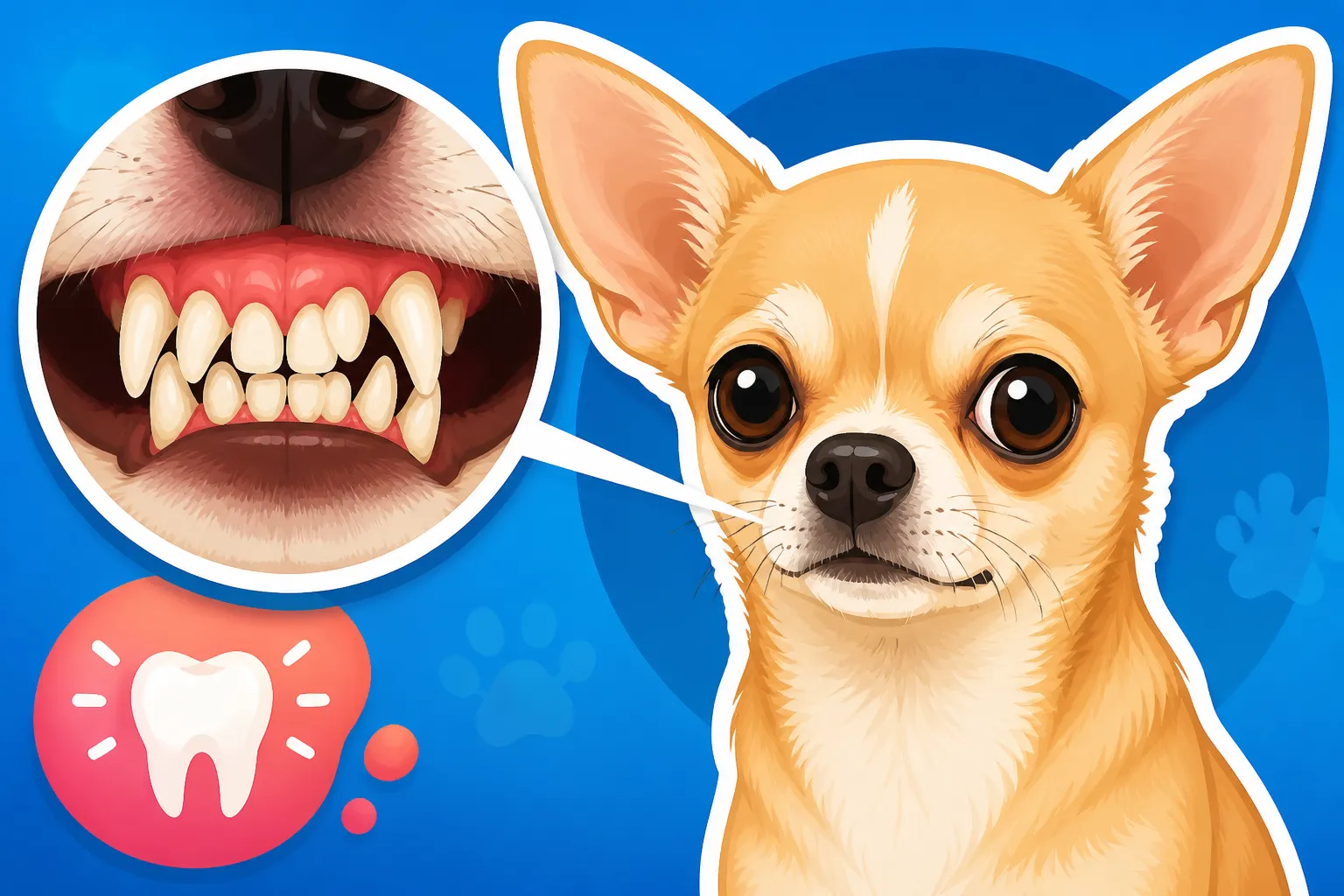
What this means in practice is that the baby tooth doesn't fall out, and the adult tooth emerges right alongside it, often in an incorrect position because its path is blocked. You end up with two teeth trying to occupy the same space – the persistent puppy tooth and the newly erupted permanent tooth. This "double dentition," particularly evident with the prominent canine teeth, creates an even more severe form of crowding and significantly increases the risk of dental disease. It's a key reason why early veterinary checks for puppies are so vital.
Identifying Retained Baby Teeth in Your Chihuahua
Spotting retained baby teeth might seem like a job for the vet, but as an owner, you're on the front lines. Being proactive and regularly checking your Chihuahua's mouth can make a huge difference in catching these issues early, before they lead to more significant problems. It's often during routine cuddle sessions or playful moments that you might first notice something isn't quite right with their tiny grin. Don't be shy about gently lifting their lips and taking a peek!
Visual Cues of Double Teeth
The most obvious sign of a retained baby tooth is, as the name suggests, seeing two teeth where there should only be one. This is particularly noticeable with the canine teeth, both upper and lower, which are typically larger and more prominent. You might see a slender, sharp puppy canine standing stubbornly next to a broader, slightly duller adult canine. These double teeth often create a tight, V-shaped pocket where food and bacteria can get easily trapped. Don't assume that if one puppy tooth falls out, all the others will too; sometimes only a few are retained.
Beyond the canines, retained incisors (the small front teeth) or even premolars can occur, though they are often harder to spot. If you notice any teeth that appear "too close" together, are growing at an odd angle, or if you can see a tooth that looks thinner and sharper than its neighbor, it's worth a closer look. A good habit is to regularly lift your Chihuahua's lips and gently run your finger over their gum line. You'll not only familiarize yourself with what a healthy mouth looks like, but you'll also be more likely to detect any irregularities. Remember, your vigilance can save your Chihuahua from pain later on.
The Age When Retention Becomes a Concern
Typically, a Chihuahua puppy starts losing its baby teeth around 3 to 4 months of age, and by 6 to 7 months, all of their permanent adult teeth should have erupted. This process usually begins with the incisors (front teeth), followed by the premolars, and finally the canines. If you notice that your Chihuahua still has any baby teeth present past the 6-month mark, especially those stubborn canines, it's definitely time to bring it to your veterinarian's attention.
Delaying action on retained baby teeth can have serious consequences. The longer the baby tooth remains, the more likely it is to push the permanent tooth into an incorrect position, leading to a permanent malocclusion (bad bite). This can cause discomfort, make eating difficult, and dramatically increase the risk of premature Chihuahua Dental Disease in a Crowded Small Jaw. Your vet might recommend a simple procedure to extract these retained teeth, often performed when the puppy is already under anesthesia for spaying or neutering. This timing is ideal, as it minimizes the number of times your small pup needs to go under.
The Health Implications of Crowded and Retained Teeth
While a double tooth might look like a mere cosmetic imperfection, the truth is far more serious. Crowded and retained teeth in Chihuahuas are not just a nuisance; they are a direct pipeline to severe oral health problems that can impact your dog's overall well-being. The issues stemming from these dental abnormalities can range from chronic pain and difficulty eating to systemic infections that affect vital organs. Understanding these implications is key to appreciating why early intervention is so crucial.
Accelerated Tartar Buildup and Gum Disease
The biggest problem with crowded and retained teeth is that they create ideal environments for plaque and tartar to accumulate at an alarming rate. When teeth are crammed together, or when a baby tooth sits tightly against an adult tooth, those areas become impossible to clean effectively, even with diligent daily brushing. Food particles, saliva, and bacteria quickly form sticky plaque, which then hardens into rock-solid tartar within days. This tartar acts like a magnet for more bacteria, clinging to the tooth surfaces above and below the gum line.
This persistent buildup is the primary driver of periodontal disease, which is rampant in Chihuahuas. Once tartar extends below the gum line, it triggers inflammation (gingivitis), which then progresses to infection and destruction of the supporting structures of the teeth (periodontitis). This isn't just bad breath; it's a painful, chronic infection that causes irreversible damage. Our tiny Chihuahuas, unfortunately, often show signs of significant Chihuahua Tartar Building Up by Age Three, far earlier than many other breeds, largely due to these crowding issues.
Misaligned Bites and Jaw Pain
Retained baby teeth don't just sit there; they actively interfere with the proper eruption and alignment of the permanent teeth. The adult tooth, struggling to find its place, might emerge at an awkward angle, or in a completely incorrect position. This leads to what veterinarians call malocclusion, or a "bad bite." For example, a lower canine might erupt too far forward, jabbing into the roof of the mouth and causing painful ulcers. Or, two adult teeth might hit each other directly with every chew, leading to abnormal wear and even fractures over time.
This constant abnormal contact and pressure can lead to significant pain and discomfort for your Chihuahua. They might become reluctant to chew hard foods or toys, drop food from their mouth, or simply stop eating as much due to the chronic irritation. In some cases, a severe malocclusion can affect the temporomandibular joint (TMJ), leading to jaw pain and difficulty opening and closing their mouth fully. It’s a silent suffering that many small dogs endure, precisely because their owners aren't aware of the underlying dental cause.
Increased Risk of Infection and Abscesses
The pockets created by retained and crowded teeth are perfect breeding grounds for bacteria, and where bacteria thrive, infection is always a risk. As periodontal disease progresses, the bacteria move deeper into the gum tissues, attacking the bone that supports the teeth. This can lead to painful dental abscesses, where a pocket of pus forms around the root of an infected tooth. These abscesses are not only acutely painful but can also cause facial swelling, fever, and lethargy.
Perhaps even more concerning is the systemic effect of chronic oral infections. The bacteria from your Chihuahua's mouth don't stay confined to their teeth and gums. They can enter the bloodstream and travel to vital organs, including the heart, kidneys, and liver, causing secondary infections and worsening existing conditions. Studies have shown a clear link between severe periodontal disease and an increased risk of heart and kidney problems in dogs. This highlights just how important it is to treat dental issues not just as an oral problem, but as a potential threat to your Chihuahua's entire body. Don't let your tiny friend suffer; conditions like Gum Disease in a Five Year Old Chihuahua can become severe quickly.
Veterinary Intervention for Retained and Crowded Teeth
When it comes to dental issues in Chihuahuas, waiting to see if things "fix themselves" is rarely a good strategy. Given their unique predispositions to crowding and retained teeth, veterinary intervention is often a necessary and highly beneficial step. Early action can prevent a lifetime of pain, recurrent infections, and significantly higher costs down the road. Your veterinarian is your best partner in navigating these challenges, offering guidance and treatment tailored to your tiny companion.
The Importance of Early Examination
The first crucial step in managing Chihuahua dental problems is through regular veterinary examinations, starting from puppyhood. During these initial visits, your vet will perform a thorough oral exam, checking for any signs of retained baby teeth or emerging crowding. They'll be looking specifically at the timing of tooth eruption and shedding. If, by 6 months of age, your Chihuahua still has puppy teeth alongside their adult teeth, your vet will almost certainly recommend their extraction.
This early assessment is vital because it allows for proactive intervention. Many vets recommend addressing retained baby teeth at the same time a puppy is undergoing spaying or neutering. Since the puppy will already be under anesthesia for the other procedure, it's a perfect opportunity to safely remove the baby teeth without putting them through a separate anesthetic event. This integrated approach saves time, money, and reduces stress for both you and your pet. It truly sets the foundation for better oral health for years to come.
Extracting Retained Chihuahua Canines
The procedure to remove retained baby teeth, particularly the canines, is straightforward but requires general anesthesia. Your veterinarian will first perform pre-anesthetic bloodwork to ensure your Chihuahua is healthy enough for the procedure, which is especially important for such a small dog. Once under anesthesia, the vet will carefully extract the retained baby teeth, ensuring that the entire root is removed to prevent future complications. Sometimes, tiny stitches are placed to help the gum heal.
It's natural to be concerned about Anesthesia Risk During a Chihuahua Dental due to their small size, but modern veterinary anesthesia protocols are very safe, especially when appropriate monitoring is used. Vets use specialized equipment and techniques for toy breeds, carefully adjusting dosages and monitoring vital signs throughout the procedure. Extracting these retained teeth is critical because it frees up space for the adult teeth to hopefully move into a more natural alignment and eliminates those problematic "food traps" that accelerate dental disease. It’s truly an investment in their long-term health and comfort.
Addressing Severe Crowding and Periodontal Disease
For Chihuahuas with severe crowding where no baby teeth are retained, or for older Chihuahuas already battling advanced periodontal disease, the treatment plan can be more extensive. This often starts with a professional dental cleaning, performed under anesthesia, which allows the vet to thoroughly scale away plaque and tartar from above and below the gum line. Dental X-rays are typically taken to assess the health of the tooth roots and surrounding bone, as much of the damage often hides beneath the surface.
Depending on the extent of the disease, some permanent teeth might need to be extracted if they are severely diseased, mobile, or contributing to significant pain and infection. In some cases, advanced procedures might be recommended by a veterinary dental specialist. Following these interventions, your vet will help you develop a robust home care plan to prevent recurrence. This ongoing commitment to dental health, including regular professional cleanings, is the reality for many Chihuahuas. Remember, it’s not just about aesthetics; it’s about preventing chronic pain and systemic illness. Considering a reputable pet insurance provider like Healthy Paws can also help manage these costs, particularly for unexpected or advanced dental procedures.
Ongoing Oral Care and Prevention Strategies
Once your Chihuahua's mouth has been expertly cared for by the vet, the real work of prevention begins at home. It’s easy to think that once a problem is fixed, it's gone for good, but dental health in Chihuahuas is an ongoing commitment. Their tiny, crowded mouths are just too susceptible to neglect. Establishing a consistent, effective oral hygiene routine is the single most impactful thing you can do to keep their teeth healthy and extend their overall lifespan.
Daily Brushing as Your Best Defense
Let me be blunt: if you own a Chihuahua, daily tooth brushing is not optional; it's absolutely essential. Due to their genetic predisposition for Why Chihuahuas Lose Teeth Younger Than Big Dogs and rapid tartar accumulation, brushing every single day is your most powerful tool against plaque and periodontal disease. Think of it like this: plaque forms within hours, and begins to mineralize into tartar within 24-48 hours. If you only brush once a week, you're essentially allowing a full cycle of plaque-to-tartar to occur.
Start brushing your Chihuahua's teeth as early as possible, ideally when they are a puppy. Make it a positive experience with lots of praise and tiny, high-value treats. Use a soft, finger brush or a very small toothbrush designed for cats or toy breeds, along with dog-specific enzymatic toothpaste (never human toothpaste). Focus on the outside surfaces of the teeth, especially the upper canines and molars, where tartar tends to build up fastest. Even just two minutes a day can make an incredible difference, creating a routine that becomes second nature for both of you. You can read more about The Two Minute Daily Chihuahua Tooth Routine to get started.
Dental Chews and Water Additives
While daily brushing is paramount, certain dental chews and water additives can offer supplementary benefits. It's crucial, however, to choose these products wisely and understand their limitations. Look for dental chews that have the Veterinary Oral Health Council (VOHC) seal of acceptance, which indicates they meet certain standards for plaque and/or tartar control. For Chihuahuas, always select chews that are appropriately sized for their tiny mouths to prevent choking or tooth fractures. Products like Greenies Teenie or VeggieDent FR3SH Chews come in small sizes suitable for Chihuahuas.
Water additives can also help reduce bacteria in the mouth, but they are generally less effective than direct mechanical action like brushing. Think of them as an extra layer of defense, not a standalone solution. Avoid any products that make outlandish claims or those not recommended by your vet. While these aids can be helpful, they simply cannot replace the physical removal of plaque through brushing. Relying solely on dental chews or water additives is a common mistake that often leads to disappointment at the vet's office when your Chihuahua still needs a professional cleaning. Make sure you're using Dental Chews Small Enough for a Chihuahua to be safe and effective.
Regular Professional Dental Cleanings
Even with the most diligent home care, most Chihuahuas will still require regular professional dental cleanings under anesthesia. How often? It really depends on the individual dog, their genetics, and the effectiveness of your home care, but many vets recommend annual or biennial cleanings. During these appointments, your vet will perform a thorough cleaning, scaling away hardened tartar that brushing can't remove, polishing the teeth, and often taking X-rays to assess any hidden issues.
Budgeting for these annual cleanings is a critical part of Chihuahua ownership. Just like us, dogs need regular check-ups, and their dental health is no exception. A professional cleaning can cost anywhere from a few hundred to over a thousand dollars, especially if extractions are needed. This is where pet insurance can be a lifesaver. Companies like Healthy Paws offer comprehensive coverage that can help offset the costs of both routine dental care and emergency procedures, giving you peace of mind. It’s a smart way to plan for the inevitable expenses that come with owning a breed predisposed to dental challenges. Planning for these costs can be discussed further when considering Budgeting a Chihuahua Dental Every Year.
What to Expect Post-Procedure and Long-Term
So, your brave little Chihuahua has undergone a dental procedure, perhaps to remove those stubborn retained puppy teeth or to address existing periodontal disease. What now? It’s completely normal to feel a bit anxious during their recovery, but knowing what to expect can ease your mind and help you provide the best possible care. The journey to a healthy mouth doesn't end when they come home; it transitions into a new phase of healing and ongoing maintenance.
Recovery After Chihuahua Dental Surgery
After your Chihuahua's dental procedure, particularly if extractions were involved, your vet will provide detailed instructions for home care. Typically, this includes feeding soft food for a few days to a week to prevent irritation to the extraction sites. You’ll likely be sent home with pain medication and possibly antibiotics to manage discomfort and prevent infection. It’s crucial to administer these exactly as prescribed, even if your Chihuahua seems to be feeling better.
For the first day or two, your Chihuahua might be a bit drowsy or groggy from the anesthesia, which is completely normal. Keep them warm, comfortable, and monitor their appetite and water intake. Avoid rough play or giving hard toys or chews during the initial recovery period. Most Chihuahuas bounce back remarkably quickly, often within a few days. You might notice a bit of minor swelling or redness around the gums, but any significant bleeding, persistent pain, or refusal to eat should warrant a call to your vet. This recovery period is similar in many ways to Recovery After Chihuahua Kneecap Surgery, focusing on comfort and careful monitoring.
Living with Fewer Teeth
If your Chihuahua had teeth extracted, especially multiple teeth, you might wonder how they will manage. The good news is that dogs, and Chihuahuas in particular, adapt incredibly well to having fewer teeth. Their digestive systems are designed to handle larger pieces of food, and they can easily swallow kibble or soft food without chewing every piece. Many Chihuahuas who have had painful, diseased teeth removed actually become much happier and more energetic once their chronic pain is gone.
In the long term, feeding a high-quality kibble (perhaps softened with water or broth) or wet food is often recommended for dogs with fewer teeth. Continue with your daily brushing routine, focusing on the remaining teeth to prevent further issues. Even if your Chihuahua has only a few teeth left, regular oral hygiene is still important to maintain the health of their gums and prevent any remaining teeth from succumbing to disease. With attentive care and a little adaptation, a Chihuahua with a few less teeth can live a perfectly comfortable, happy, and pain-free life. It’s all about prioritizing their comfort and health above all else.
| Dental Development Stage | Age Range | What to Look For | When to Consult Your Vet |
|---|---|---|---|
| Deciduous (Baby) Teeth Erupt | 3-6 weeks | All 28 baby teeth present. | Any missing teeth, signs of pain. |
| Permanent Teeth Begin to Erupt | 3-4 months | Incisors (front) start to replace baby teeth. | If baby incisors don't fall out as adult ones appear. |
| Canine Teeth Erupt | 4-6 months | Adult canines begin to emerge. | Crucial time to check for retained canines. If you see "double" canines. |
| All Permanent Teeth Erupted | 6-7 months | All 42 adult teeth should be in place; no baby teeth visible. | Any baby teeth still present past 6-7 months. Any severe crowding, malocclusion. |
| Ongoing Oral Health | 7 months + | Clean teeth, pink gums, fresh breath. | Tartar buildup, red/bleeding gums, bad breath, chewing difficulty. |
Disclaimer
The information provided in this article is for general informational purposes only and is not a substitute for professional veterinary advice. Always consult with a qualified veterinarian for any health concerns or before making any decisions related to your Chihuahua's health and treatment plan.