Whether a Deer Head Chihuahua Is Healthier
It's a common question among prospective Chihuahua owners: "Is a deer head Chihuahua actually healthier than an apple head?" Many people mistakenly believe that the physical differences between these two head types translate directly into significant health disparities. This guide aims to clear up that confusion by delving into the unique characteristics of each, examining common health issues prevalent in the breed, and providing a realistic perspective on how head shape might—or might not—influence a Chihuahua's overall well-being.
Understanding Chihuahua Head Types
Before we can even begin to talk about health, it's really important to understand what we mean when we say "apple head" versus "deer head." These aren't separate breeds, mind you, but rather distinct head shapes within the same beloved Chihuahua breed. It's like asking if a human with a round face is inherently healthier than one with an oval face – often, the differences are more aesthetic than medical, though not always entirely without consequence for our tiny canine companions.
The Distinctive Apple Head Trait
The apple head Chihuahua is what you typically picture when you think of the breed as defined by the American Kennel Club (AKC) standard. They have that wonderfully round, dome-shaped skull, much like a ripe apple, which gives them that wide-eyed, almost perpetually surprised expression we adore. This specific skull shape is also often accompanied by a shorter, more pointed muzzle and larger, more prominent eyes. It's a hallmark feature that breeders strive for in the show ring, emphasizing the distinct look that has become synonymous with the breed's image. Many owners fall in love with this classic "Chihuahua look," embracing its distinctive charm.
The defining characteristic, as explored in articles like The Rounded Skull of an Apple Head Chihuahua, is not just the overall roundness but also the presence of a molera, or soft spot, on top of the head in many individuals. While this soft spot can be a source of worry for new owners, it's actually a fairly common and often normal trait in Chihuahuas. However, its presence, combined with the extreme dome, does raise some considerations that we'll touch on later.
The Characteristics of a Deer Head Chihuahua
In contrast, the deer head Chihuahua boasts a more sloped forehead, leading into a longer muzzle. Their head shape is less rounded and more elongated, resembling, you guessed it, a young deer. Their eyes tend to be set further apart and are often less prominent than their apple head counterparts, and their ears might be larger and more erect. These Chihuahuas usually have longer necks and legs too, giving them a slightly more graceful, less compact appearance. They often fall outside the show ring standard because of these features, but they are absolutely still purebred Chihuahuas and are cherished family pets for countless people.
You can delve deeper into the visual distinctions by reading Apple Head Against Deer Head Chihuahuas. Many people find the deer head's appearance a bit more "dog-like" in a traditional sense, without the exaggerated features of the apple head. Anecdotally, some owners report that their deer heads appear more robust and less delicate, perhaps due to these less extreme physical traits. While this perception is common, it's crucial to examine if there's actual medical weight behind it or if it's simply an observation of differing aesthetics.
Why the Breed Standard Favors the Apple Head
The AKC breed standard for Chihuahuas explicitly describes a "well-rounded 'apple' dome skull," along with other specific features like a short, slightly pointed muzzle. This means that Chihuahuas with deer head characteristics, while perfectly healthy and lovable, wouldn't typically fare well in conformation shows. The breed standard is essentially a blueprint for the ideal specimen of the breed, focusing on specific physical traits that represent its heritage and purpose. For Chihuahuas, that distinct apple-domed head has been central to their identity for over a century.
This preference for the apple head in the show world has, in some ways, inadvertently shaped public perception and breeding practices. It often leads to the misconception that apple heads are the "true" Chihuahuas, or perhaps even the healthier ones, simply because they meet a specific aesthetic ideal. However, it's important to remember that a breed standard is primarily about appearance, not necessarily about robust health or longevity. It's a set of guidelines for what a dog should look like, not necessarily what ensures its healthiest life.
Common Health Concerns Across All Chihuahuas
When we talk about Chihuahua health, it's vital to remember that all Chihuahuas, regardless of head shape, are predisposed to certain conditions simply because of their toy size. These are the issues that truly define a Chihuahua's health journey and are often far more impactful than subtle differences in skull shape. Being prepared for these common breed-specific challenges is paramount for any Chihuahua parent.
Predispositions Due to Small Stature
One of the most significant factors influencing a Chihuahua's health is its tiny stature. Everything about them is miniaturized, from their delicate bones to their compact internal organs. This small size means they are more susceptible to injuries from falls or rough play, and their metabolism works differently than a larger dog's. For instance, tiny puppies are at a higher risk of Chihuahua Hypoglycemia and the Puppy Emergency because they can't store glucose efficiently and deplete their reserves quickly. Adult Chihuahuas are also prone to conditions like collapsing trachea, a weakness in the windpipe that can cause a distinctive honking cough, exacerbated by collar pressure. These are not issues exclusive to one head type; they are inherent risks that come with loving a dog so small.
Even common procedures, like anesthesia for surgery, carry different considerations for a toy breed. Vets must be extremely careful with dosages and monitoring to ensure these tiny bodies can handle the stress. This isn't about head shape; it's about body weight and physiological differences. Keeping your vet informed and considering pet insurance, such as a policy from Healthy Paws, can certainly help manage the often-unforeseen costs associated with these size-related health challenges.
Dental Challenges and Oral Health
Without a doubt, dental disease is perhaps the single biggest recurring health problem for Chihuahuas, affecting both apple and deer heads alike. Their small mouths are simply too crowded for all 42 adult teeth, leading to overcrowding, food impaction, and rapid tartar buildup. By the age of three, many Chihuahuas already show significant signs of gum disease, and by five, it's not uncommon for them to have lost several teeth. This isn't just about bad breath; severe dental disease can lead to painful infections, jaw fractures, and even impact systemic health, contributing to issues with the heart, kidneys, and liver.
The importance of daily dental care cannot be overstated. As discussed in Chihuahua Dental Disease in a Crowded Small Jaw, regular brushing, professional cleanings, and sometimes extractions are crucial. It's a commitment that owners must make, and it will likely be your biggest recurring vet bill. Whether your Chihuahua has an apple head or a deer head, their teeth will require meticulous attention to prevent serious problems.
Patellar Luxation, a Widespread Joint Issue
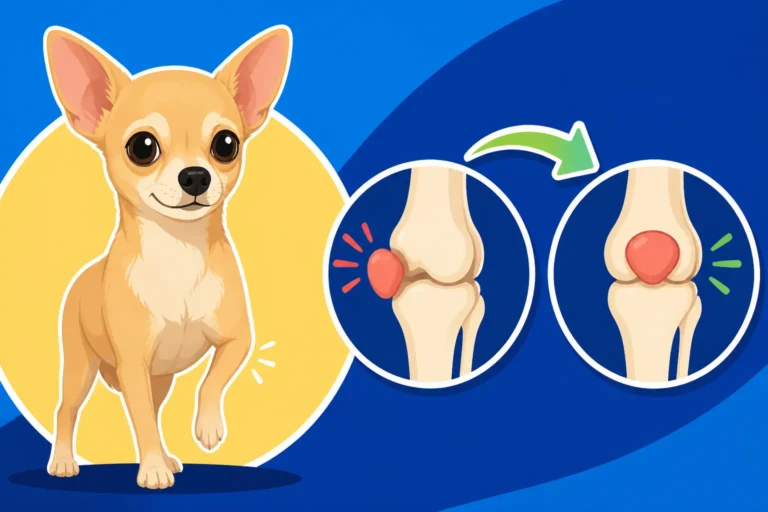
Another very common orthopedic problem that affects a significant number of Chihuahuas is patellar luxation, often referred to as a "slipping kneecap." This condition occurs when the patella (kneecap) dislocates or moves out of its normal groove in the femur (thigh bone). It can range from mild, where the kneecap pops out occasionally and then back in, to severe, where it remains dislocated and causes significant pain and lameness. The tell-tale sign is often a skipping gait, where the dog will suddenly pick up a back leg for a few steps before putting it back down.
Both apple head and deer head Chihuahuas are equally susceptible to this genetic predisposition. It's not tied to skull shape but rather to the overall development and structure of their small limb joints. A good breeder will screen their dogs for patellar luxation, and you should always ask to see the parent dogs' certifications. Treatment can range from pain management and physical therapy to surgery in more severe cases, which can be quite costly. It’s definitely an area where having a good pet insurance plan like Healthy Paws can provide immense peace of mind, covering a significant portion of the expense should surgery be required. Understanding Patellar Luxation, the Chihuahua's Commonest Joint Problem is essential for any owner.
Specific Health Considerations for Deer Head Chihuahuas
While many health issues are universal to the breed, some subtle differences in head structure can have implications for deer head Chihuahuas, though often these are less severe or less common than the general breed predispositions. It's important not to automatically assume a deer head is "healthier," but rather to understand how their specific anatomy might affect certain systems.
Breathing and Airway Differences
The longer muzzle of a deer head Chihuahua, compared to the often very short muzzle of an apple head, is generally considered a positive trait for respiratory health. Brachycephalic (short-nosed) breeds, or even those with very compressed muzzles, can struggle with breathing due to narrowed nostrils, elongated soft palates, and hypoplastic tracheas. While Chihuahuas aren't typically classified as brachycephalic, a more extreme apple head with a very short muzzle can sometimes exhibit mild versions of these issues.
A deer head's longer muzzle allows for better airflow, potentially reducing the risk of breathing difficulties. This can be particularly beneficial for issues like Collapsing Trachea and the Chihuahua Honking Cough, as better nasal airflow can reduce the negative pressure placed on the windpipe during inhalation. However, it's not a guarantee against such issues, as tracheal collapse is also a matter of cartilage strength, which isn't directly related to muzzle length. Still, generally speaking, a longer muzzle is often seen as a protective factor for respiratory function in any dog breed.
Skull Structure and Neurological Health
One of the more debated points regarding head shape and health concerns the skull and its potential impact on neurological well-being. The extremely rounded skull of some apple head Chihuahuas, coupled with the potential for a large molera, has historically been linked to a higher incidence of hydrocephalus, a condition where cerebrospinal fluid accumulates in the brain. The theory is that the extreme doming and open fontanelle could be associated with other developmental anomalies. For more on this, you can look into Hydrocephalus in an Apple-Head Chihuahua.
Deer head Chihuahuas, with their flatter, less domed skulls and typically closed fontanelles, are generally considered to have a lower risk of hydrocephalus. This is a significant point for some owners and breeders, as hydrocephalus can lead to severe neurological symptoms and a drastically shortened lifespan. While hydrocephalus is still rare, the reduced risk in deer heads is often cited as a key reason some consider them "healthier." However, it's crucial to note that correlation doesn't always equal causation, and responsible breeding practices are still the most important factor in reducing the incidence of any genetic condition.
Overall Robustness and Activity Levels
Many owners perceive deer head Chihuahuas as being generally more robust or "hardier" than their apple head counterparts. This perception often stems from their less exaggerated features – a flatter head, longer muzzle, and sometimes slightly larger build (though still within the toy breed range, usually just exceeding the show standard's strict weight limits of six pounds). They might appear less fragile and therefore, by extension, healthier. This can translate into a slightly more active lifestyle without the same level of perceived fragility, especially concerning head injuries, given the lack of an open molera.
While this sense of robustness is largely anecdotal, there is some truth to the idea that a dog with less extreme physical traits might face fewer breed-specific complications. However, it's crucial to remember that a Chihuahua's exercise needs are still quite manageable, regardless of head type. A good daily walk and some indoor play are usually sufficient for both. Even a deer head Chihuahua still benefits from regular, appropriate exercise, as discussed in Chihuahua Exercise for a Dog That Fits in a Bag, but excessive jumping or rough play should always be avoided to protect their delicate joints.
Debunking the "Healthier" Myth
The idea that one head type is definitively "healthier" than the other is largely a myth, primarily fueled by aesthetic preferences and selective breeding for the show ring. While there are subtle anatomical differences that can impact certain health risks, the overarching health profile of a Chihuahua is far more complex and influenced by a multitude of factors beyond just head shape.
Genetic Diversity vs. Physical Traits
True health and longevity in any breed are rooted in sound genetics and a broad genetic pool, not just a specific physical trait. A deer head Chihuahua isn't inherently healthier just because its head isn't as round or its muzzle is longer. Health is a culmination of responsible breeding practices, avoiding close line breeding that magnifies genetic flaws, and ensuring parents are screened for common inherited conditions. While a deer head might have a slightly lower risk for conditions like hydrocephalus, they are just as susceptible to patellar luxation, dental disease, and heart issues as an apple head.
What truly matters is the genetic history behind the individual dog. Did the breeder perform health clearances on the parents, checking for things like heart murmurs and knee issues? Did they prioritize health over aesthetics alone? These questions are far more critical than simply observing head shape. The focus should always be on the holistic genetic health of the lineage. This includes understanding the potential for issues like Chihuahua Heart Disease as the Breed Ages or Chihuahua Eye Problems in a Shallow Socket, which are not tied to head shape at all.
The Role of Responsible Breeding in Health
This brings us to the most critical factor: responsible breeding. A conscientious breeder, regardless of whether they focus on apple heads or deer heads, will prioritize the health and temperament of their puppies above all else. They will perform health tests relevant to the breed, such as patella evaluations, cardiac screenings, and eye certifications. They will also be transparent about the health history of their breeding lines and provide a health guarantee.
A breeder who prioritizes extreme apple head features without regard for overall health might inadvertently increase the risk of conditions like hydrocephalus. Conversely, a breeder focusing solely on deer heads but neglecting proper health screenings could still produce puppies prone to a myriad of issues. The responsibility lies with the human element. For anyone considering adding a Chihuahua to their family, researching The Health Tests a Chihuahua Breeder Should Run is crucial, and asking detailed questions about the parents' health is non-negotiable, far more important than their head type.
Comprehensive Care for a Long, Healthy Life
Ultimately, the most significant determinant of a Chihuahua's health and longevity comes down to the quality of care they receive throughout their lives. This includes a nutritious diet perfectly portioned for their tiny caloric needs, regular veterinary check-ups, consistent dental care, appropriate exercise, and a safe, loving environment. Whether you have an apple head or a deer head, these fundamentals remain the same.
Providing excellent preventive care, promptly addressing any health concerns, and budgeting for potential medical expenses are what truly contribute to a long, happy life for your Chihuahua. While a deer head might have a slight anatomical advantage in a few areas, it doesn't negate the need for vigilant care, the kind that might include regular vet visits covered by comprehensive pet insurance from providers like Healthy Paws. Both apple head and deer head Chihuahuas can live incredibly long lives, often reaching into their teens, as explored in articles like Chihuahua Lifespan and Why the Breed Reaches Sixteen, if given the right care and attention.
Here's a quick comparison of potential health predispositions by head type:
| Health Consideration | Apple Head Predisposition | Deer Head Predisposition | Overall Breed Predisposition (Both Types) |
|---|---|---|---|
| Skull & Brain | Higher theoretical risk of hydrocephalus (due to extreme dome/molera) | Lower theoretical risk of hydrocephalus (due to flatter skull) | |
| Respiratory | Potential for mild brachycephalic-like issues (short muzzle) | Better airflow due to longer muzzle | Collapsing Trachea (general breed trait, can be exacerbated by muzzle length) |
| Dental Health | Very High (crowded mouth) | Very High (crowded mouth) | Dental Disease (universal, often severe) |
| Joint Health | High (delicate bones, genetic predisposition) | High (delicate bones, genetic predisposition) | Patellar Luxation (very common) |
| Eye Health | More prominent eyes can be prone to injury | Eyes often less prominent, potentially less injury risk | Corneal ulcers, dry eye (general breed trait) |
| Hypoglycemia (Puppies) | High (due to small size) | High (due to small size) | Hypoglycemia (universal in young puppies) |
| Heart Disease | High (genetic predisposition) | High (genetic predisposition) | Mitral Valve Disease (common in older Chihuahuas) |
In conclusion, while there are minor anatomical differences that could influence the likelihood of specific issues like hydrocephalus or certain respiratory challenges, it is inaccurate to broadly declare a "deer head Chihuahua" as inherently healthier than an "apple head." Both types are Chihuahuas, sharing the same genetic pool, and therefore the same primary breed-specific health concerns. Your Chihuahua's health trajectory will depend far more on responsible breeding, diligent veterinary care, and the loving environment you provide than on the precise curve of their skull.
Disclaimer
This article is intended for informational purposes only and does not constitute veterinary advice. Always consult with a qualified veterinarian for any health concerns or before making any decisions about your pet's medical care.