End-of-Life Planning for a Chihuahua at Seventeen
Facing the reality that your beloved Chihuahua is nearing the end of their remarkably long life at seventeen years old is one of the most heartbreaking, yet inevitable, parts of sharing your home with these tiny companions. It's a journey filled with complex emotions, practical decisions, and an overwhelming need to ensure their comfort and dignity in their final chapter. This guide is here to walk you through the difficult process of end-of-life planning, offering empathetic advice and practical steps to help you navigate this profoundly personal time.
Understanding the Seventeen-Year-Old Chihuahua's Needs
When your Chihuahua reaches the impressive age of seventeen, they've lived a full, rich life, likely far surpassing the lifespan of many other breeds. But with such longevity comes the natural progression of age, bringing with it a unique set of challenges and needs that require your thoughtful attention. It’s a time when every moment of comfort and peace becomes paramount.
Recognizing the Signs of Advanced Aging
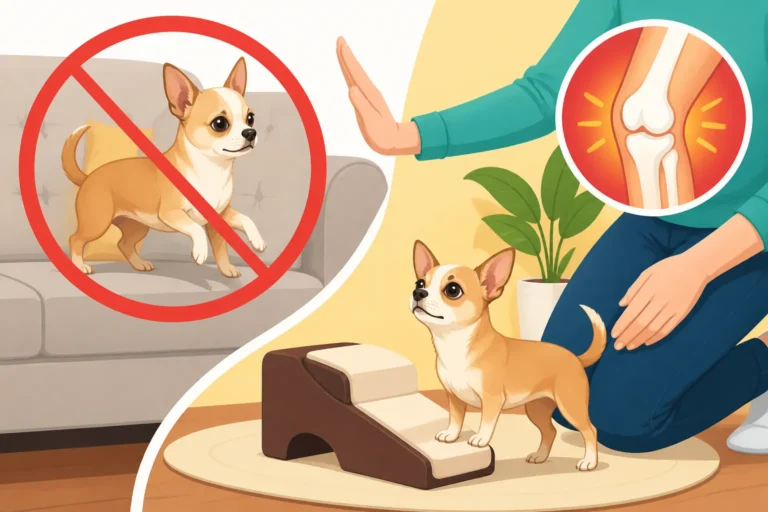
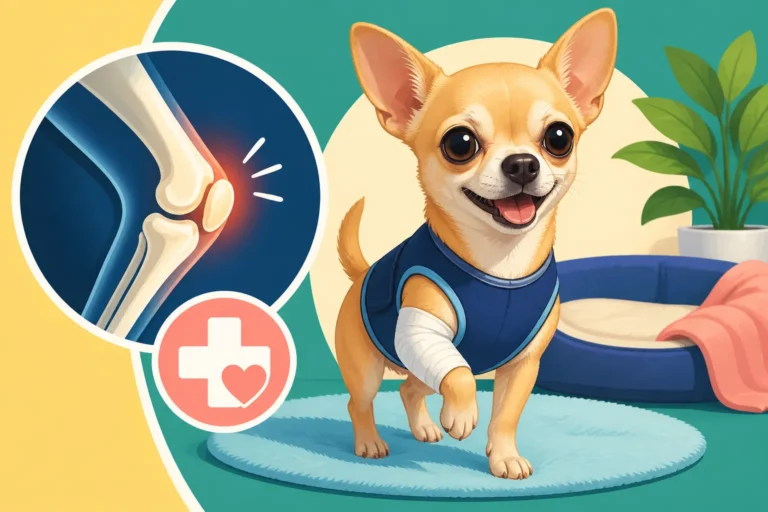
It's easy to dismiss a senior Chihuahua's slowing pace as "just old age," but it's crucial to understand the specific changes that indicate advanced aging. Beyond a general decrease in activity, you might start noticing more pronounced shifts in their physical and cognitive health. For instance, their once energetic prance might now be a hesitant shuffle, or they might struggle to get up after lying down. This often points to conditions like Chihuahua Arthritis in the Teenage Years, where their joints are stiff and painful, making simple movements a real chore. They might resist jumping onto the sofa, or even seem uncomfortable being picked up, even if they usually love being cradled.
Beyond the physical, there are often subtle, yet significant, changes in their mental state. You might observe signs of Cognitive Decline in an Aging Chihuahua, where they seem disoriented in familiar surroundings, stare blankly at walls, or perhaps forget where their food bowl is. Their sleep-wake cycles can become disrupted, leading to restless nights or excessive sleeping during the day. You might also notice a decrease in their usual joyful interactions, or they might seem less interested in games or attention. Their senses, too, will likely be dimming. Vision and Hearing Loss in an Old Chihuahua can make them more easily startled, less responsive to their name, and can lead to bumps and stumbles, particularly in unfamiliar environments or at night. This sensory decline can be deeply disorienting for them, making their world feel smaller and less predictable. You might also start to see a gradual but persistent weight loss and muscle wasting, even if their appetite remains somewhat stable, indicating that their body is struggling to maintain itself. Keeping an eye on their appetite and hydration is also key; sudden changes can be very telling.
The Importance of Palliative Care
Once you recognize these signs of advanced aging, shifting your focus to palliative care becomes incredibly important. Palliative care for a senior Chihuahua isn't about finding a cure for old age – because, sadly, there isn't one – but rather about maximizing their comfort and quality of life in their remaining time. It’s about alleviating suffering and making every day as pleasant as possible.
This includes diligent pain management, which your veterinarian can help you tailor to your dog's specific needs. This might involve daily medications, such as NSAIDs, or even natural supplements like glucosamine and chondroitin, or omega-3 fatty acids to soothe arthritic joints. Gentle therapies, like warm compresses or very light massage, can also provide relief. Beyond medication, you can make crucial environmental adjustments to help them navigate their world with less effort and pain. Consider providing ramps for the sofa or bed, ensuring they don't have to jump and strain their fragile joints, as discussed in Mobility Help for a Fifteen Year Old Chihuahua. Soft, orthopedic dog beds can provide much-needed support for their aching bodies, and easily accessible food and water bowls can prevent them from having to stretch or travel far. Maintaining their hygiene is also a big part of palliative care, especially if they're having more accidents or struggling with self-grooming. Gentle cleaning and regular potty breaks are vital for their comfort and dignity. The goal is to create a peaceful, supportive environment where their declining body doesn't cause them undue stress or discomfort, truly embracing a philosophy of Senior Chihuahua Care Past the Age of Twelve.
Making Difficult Decisions: Quality of Life Assessments
Even with the best palliative care, there comes a point where their comfort and happiness may decline significantly. This is arguably the hardest part of being a pet parent: making the decision to say goodbye. It’s fraught with guilt, fear, and immense sorrow, but it’s a loving act of kindness when their suffering outweighs their joy.
The "Good Days vs. Bad Days" Evaluation
Objectively assessing your Chihuahua's quality of life can feel impossible when your heart is so deeply involved. However, it's a critical step in making an informed, compassionate decision. A common approach is to track "good days versus bad days." This isn't just a vague feeling; it's about making concrete observations. Many owners find it helpful to keep a simple journal or use a quality-of-life checklist. One widely recognized tool is the HHHHHMM Scale, which stands for Hurt, Hunger, Hydration, Hygiene, Happiness, Mobility, and More Good Days Than Bad.
- Hurt: Is their pain well-managed? Do they cry out, limp more, or resist touch?
- Hunger: Are they still interested in food? Do they eat enough without coaxing?
- Hydration: Are they drinking enough water? Are their gums moist?
- Hygiene: Are they still able to keep themselves clean? Are they having more accidents, or lying in urine/feces?
- Happiness: Do they still engage in activities they once loved? Do they show joy, wag their tail, or seek interaction?
- Mobility: Can they get up and move around independently? Can they still reach their food/water/potty spot?
- More Good Days Than Bad: This is the overarching metric. If the bad days consistently outnumber the good, it's a strong indicator.
Involving other family members in this assessment can provide a more balanced perspective, as grief can sometimes cloud our judgment. It’s essential to remember that quality of life is subjective to your dog's experience, not just your desire to keep them by your side. This honest evaluation helps answer the profound question of Quality of Life in a Chihuahua's Final Year.
Discussing End-of-Life Options with Your Vet
Having open and honest conversations with your veterinarian is paramount as you approach this sensitive stage. Your vet is not only a medical professional but also a compassionate guide who can help you interpret your Chihuahua's symptoms and explore all available options. They can provide an objective prognosis for any existing chronic conditions, such as Kidney Disease in a Long-Lived Chihuahua or Mitral Valve Disease in an Older Chihuahua, helping you understand how these conditions might progress and impact your dog's future comfort.
Together, you can discuss the pros and cons of humane euthanasia versus allowing a natural passing. While a "natural passing" might sound ideal, it often involves prolonged suffering, pain, and distress that could be avoided. Euthanasia, when performed thoughtfully, is a peaceful process that allows your Chihuahua to pass without fear or pain, surrounded by your love. Your vet's input is invaluable in guiding this decision, helping you understand when medical intervention is no longer beneficial and is simply prolonging discomfort.
Don't shy away from discussing the financial considerations associated with end-of-life care. Vet visits, medications, and ultimately, euthanasia and aftercare services can add up. It's during these times that having pet insurance can be a huge relief. For instance, reputable providers like Healthy Paws often cover end-of-life veterinary visits, diagnostics, and even the euthanasia procedure itself, depending on your specific policy. Checking your coverage beforehand can ease some of the financial burden, allowing you to focus solely on your Chihuahua’s well-being.
Practical Planning for Your Chihuahua's Final Moments
Once the incredibly difficult decision has been made, shifting your focus to practical planning can help ensure your Chihuahua's final moments are as peaceful and loving as possible. This isn't about rushing the process, but about making thoughtful arrangements that honor your pet and provide you with some peace of mind.
Choosing the Location and Method of Euthanasia
The choice of where and how your Chihuahua says goodbye is deeply personal and can significantly impact their final experience, as well as your own grieving process. Many owners choose an at-home euthanasia, where their dog can be in their familiar environment, surrounded by loved ones, perhaps in their favorite bed or lap. This can reduce stress and anxiety for your Chihuahua, as well as offer a more private and intimate setting for you and your family. The downside might be the higher cost and the emotional weight of your home becoming the place of departure.
Alternatively, a clinic setting offers a professional environment with all necessary equipment and support staff. While it might be less familiar for your dog, many veterinary clinics are adept at creating a calm, quiet space for these moments. Some clinics even have dedicated "comfort rooms."
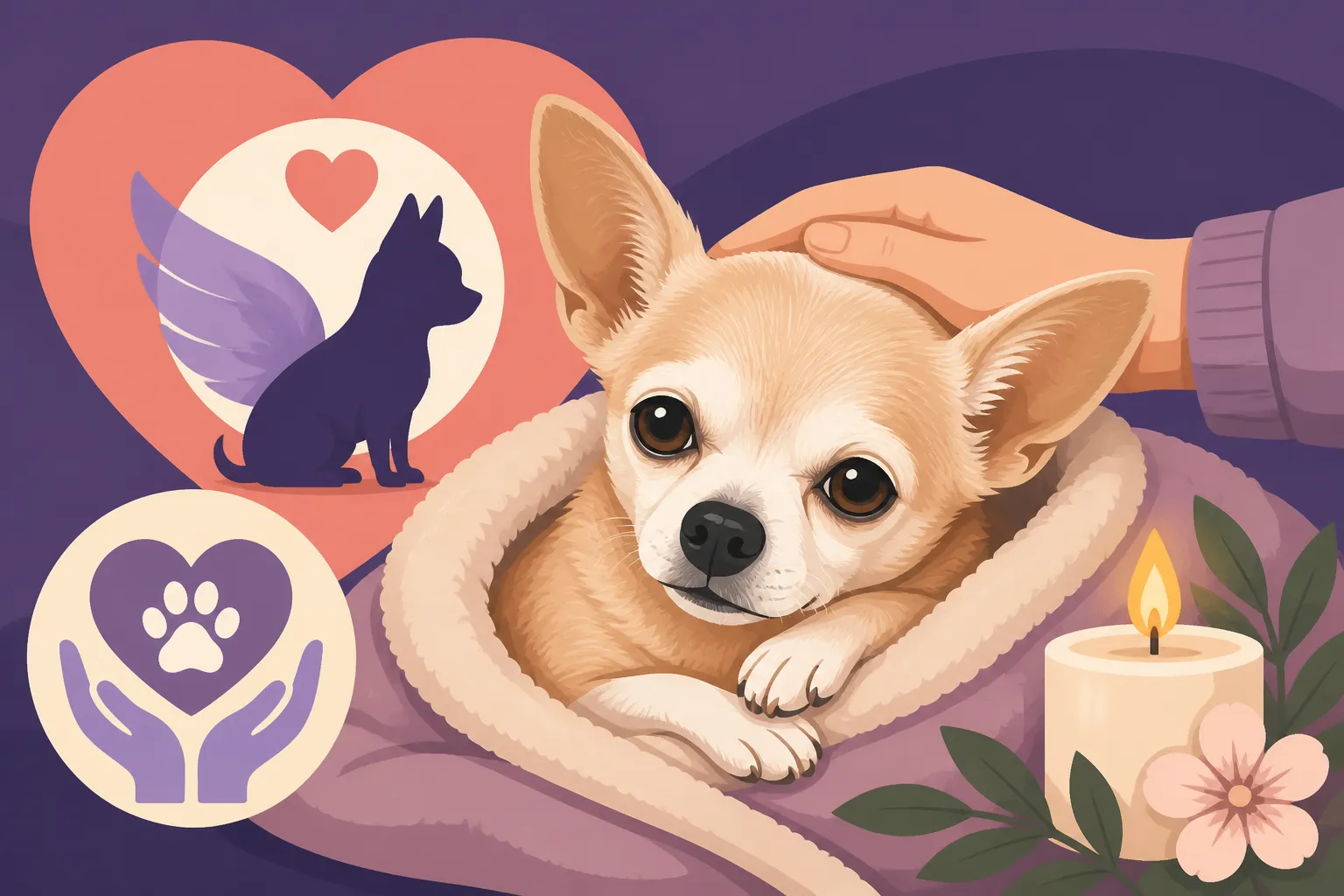
Understanding the procedure itself can also help. Typically, the vet will administer a sedative first, allowing your Chihuahua to relax and fall asleep peacefully. Once they are calm and unconscious, a second injection is given, which gently stops their heart and breathing. It's usually very quick and painless. You can ask your vet about bringing their favorite blanket, a special treat, or having their most cherished toy present. The goal is to make it as serene as possible, truly allowing for a loving End-of-Life Decisions for a Long-Lived Chihuahua.
Here’s a quick comparison of at-home vs. clinic euthanasia:
| Feature | At-Home Euthanasia | Clinic Euthanasia |
|---|---|---|
| Environment | Familiar, comfortable, low-stress for pet | Professional, quiet room often available |
| Privacy | Maximum privacy for family | Less private, but staff often sensitive |
| Cost | Generally higher due to travel fees | Typically lower than in-home |
| Pet's Comfort | Often less anxiety, surrounded by familiar scents/sounds | Can be stressful for some pets due to unfamiliarity |
| Owner's Comfort | Can be deeply emotional but offers a sense of control | Can be emotionally challenging in a less personal setting |
| Logistics | Vet travels to you, scheduling might be less flexible | You travel to clinic, more standardized appointment times |
Regarding costs, it’s worth reiterating that pet insurance like Healthy Paws may cover a portion of in-home euthanasia costs. Always confirm the specifics with your provider and vet clinic in advance to understand what your policy entails and what out-of-pocket expenses to expect.
Aftercare and Memorialization
After your Chihuahua has passed, you'll need to decide on their aftercare. The primary options are burial or cremation. If you choose burial, be aware that local regulations regarding pet burial vary widely. Some areas permit home burial, while others have strict rules or prohibit it entirely. Always check with your local municipality or homeowner's association. If home burial isn't feasible or desired, pet cemeteries are an option.
Cremation is a very common choice. You'll typically have the option of communal cremation, where your pet is cremated with others and their ashes scattered, or private cremation, where your Chihuahua is cremated alone and their ashes returned to you. Most pet cremation services offer a variety of urns, memorial paw prints, or other keepsakes like clay impressions or fur clippings. These tangible reminders can be incredibly comforting in the grieving process. Many owners also find comfort in compiling a "memory box" of their Chihuahua's collars, favorite toys, or photos, creating a personal tribute to their long life. This can also tie into Health Records Worth Keeping Across Sixteen Years, as old photos or vet records might spark cherished memories.
Supporting Yourself Through Grief and Loss
The bond we share with our Chihuahuas is incredibly powerful, and the grief that follows their passing, especially after seventeen years, is profound. It's a testament to the love you shared, and it’s important to give yourself permission to feel and process that loss fully.
Acknowledging the Depth of Your Bond
Losing a Chihuahua who has been a constant presence for nearly two decades is akin to losing a family member. These tiny dogs often become extensions of ourselves, carried close, sleeping in our beds, and accompanying us almost everywhere. The unique bond with small dogs, often characterized by their constant proximity and reliance, means their absence leaves a particularly large void. It’s absolutely okay to feel deeply, to cry, and to mourn. Anyone who minimizes your grief by saying "it was just a dog" simply doesn't understand the depth of human-animal companionship, especially with a dog that has shared such a significant portion of your life. This isn't something you "just get over"; it's something you integrate into your life, carrying their memory forward. It’s a bittersweet reflection on why the Chihuahua Lifespan and Why the Breed Reaches Sixteen years is such a blessing, yet also prolongs the inevitable goodbye.
Finding Comfort and Resources
Navigating pet loss can be isolating, but you are not alone. There are numerous resources available to help you cope with your grief. Online pet loss support groups and forums can connect you with others who understand exactly what you're going through. Many local humane societies or veterinary schools also offer pet bereavement counseling or support groups. Books and articles dedicated to pet grief can provide validation and strategies for coping. Allow yourself time to mourn, to reflect on the countless memories, and to celebrate the immense joy and unconditional love your Chihuahua brought into your life.
Remembering the happy moments and the beautiful journey you shared can be a source of comfort amidst the pain. Consider creating a memorial in your garden, planting a tree, or even making a donation in their name to a Chihuahua rescue. These actions can help you honor their memory and channel your grief into something positive. The longevity of your Chihuahua means you've gathered a lifetime of stories and love, and while it's painful to consider What Actually Ends a Chihuahua's Sixteen Years, cherishing those memories is a vital part of healing. Be kind to yourself, lean on your support system, and know that the love you shared will always be a part of you.
Disclaimer
The information provided in this guide is for informational purposes only and does not constitute veterinary medical advice. Always consult with a qualified veterinarian for any health concerns or before making any decisions about your Chihuahua's care.