What One Extra Pound Does to a Chihuahua
It’s easy to look at a tiny Chihuahua, especially one that fits in your handbag, and think that an extra pound or two doesn’t really make much of a difference. After all, what’s a pound to a larger dog? But for a Chihuahua, that seemingly small increase can dramatically impact their delicate body, stressing everything from their joints to their internal organs and potentially shortening their long lifespan. This guide will meticulously break down exactly what just one extra pound means for your pint-sized companion.
The Disproportionate Strain of a Single Extra Pound on a Chihuahua’s Tiny Frame
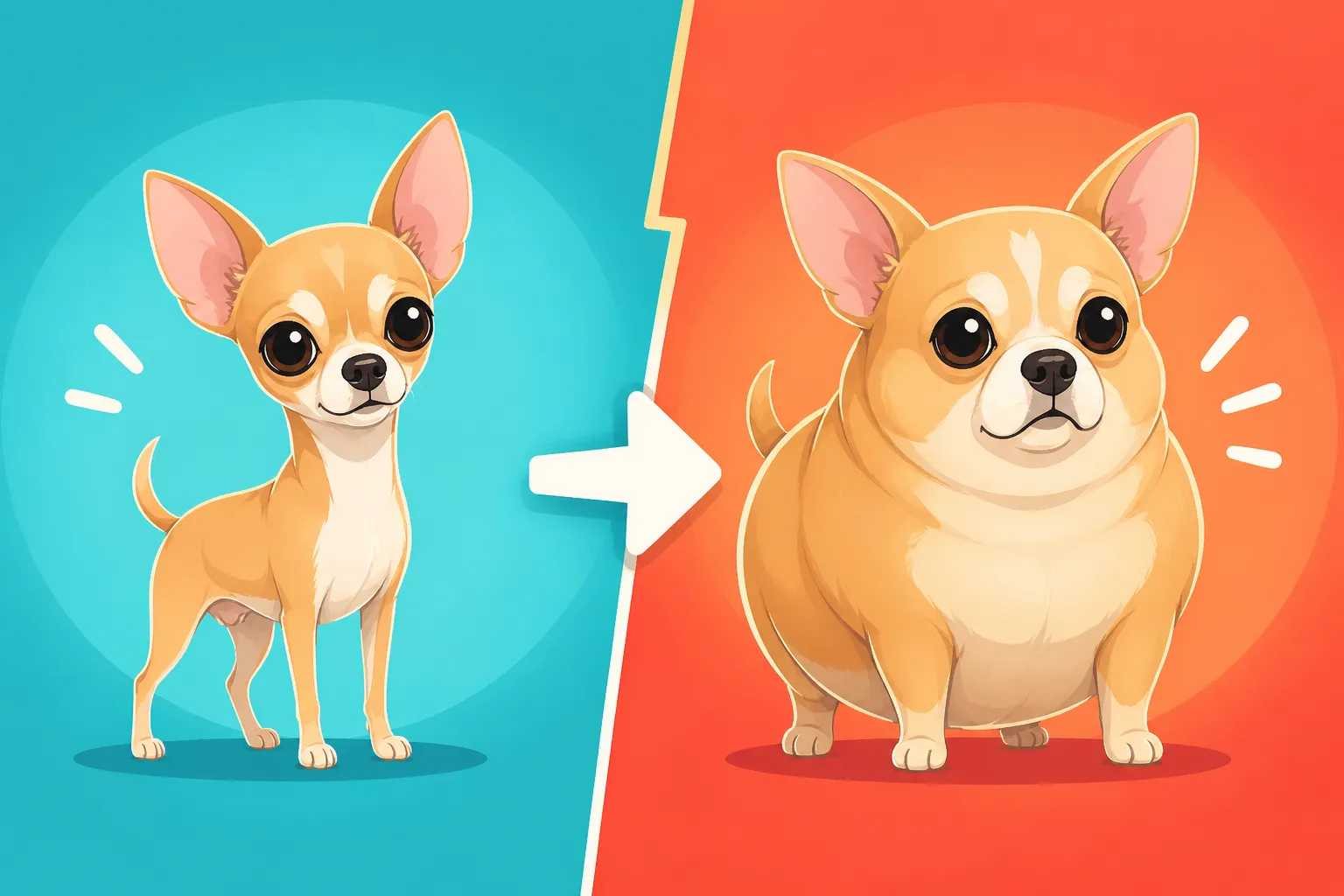
When we talk about a dog gaining weight, we often think in human terms, or in terms of larger breeds. A Golden Retriever might gain a pound and barely show it; for them, it’s a fractional percentage of their total body weight. But a Chihuahua, typically weighing between 3 and 6 pounds, experiences a monumental shift in its body composition with just a single extra pound. It's not just a little more fluff; it's a significant burden that their tiny skeletal and muscular structure simply isn't designed to carry.
Imagine a five-pound Chihuahua. If that little dog gains one pound, it's a 20% increase in their total body weight. To put that into human perspective, that would be like a 150-pound person suddenly gaining 30 pounds. You can immediately picture the impact on that person’s joints, breathing, and overall energy levels. For your Chihuahua, this isn't a hypothetical; it's a harsh reality that can lead to a cascade of health problems. Their small size, which is so endearing, also makes them incredibly vulnerable to the negative effects of even minimal weight gain.
Understanding the Relative Weight Burden
The physical architecture of a Chihuahua is inherently delicate. They have fine bones, small joints, and a compact body that, while sturdy for their intended size, isn’t built to support excess mass. When that extra pound settles on their frame, it doesn't distribute evenly in a way that’s easily absorbed. Instead, it places concentrated stress on areas that are already prone to issues in the breed, such as their knees and spine. This isn't just about aesthetics; it's about biomechanics. Their tiny legs and small internal organs are working harder to compensate for this added load, much like a small, efficient engine struggling to pull a much heavier trailer than it was designed for.
The Cumulative Effect of Seemingly Small Gains
Owners often don't notice the weight creeping up, sometimes starting with just a quarter of a pound, then another. Over time, these seemingly insignificant increments add up, making that single extra pound a quiet, insidious threat. A Chihuahua owner might not see the subtle changes in their dog's gait or breathing until the problem is well-advanced. This is why vigilance is so crucial. A regular body condition score check by your vet, along with precise feeding, is far more important for a Chihuahua than almost any other breed. What seems like a harmless extra treat or a slightly larger portion can, over months, accumulate into a weight problem that seriously undermines their quality of life.
Increased Strain on Delicate Joints and Bones
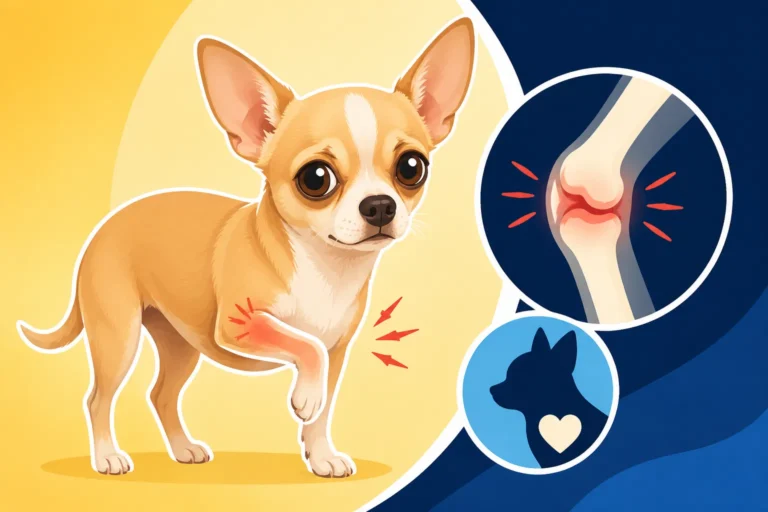
One of the most immediate and impactful consequences of a Chihuahua carrying an extra pound is the enormous strain it places on their delicate musculoskeletal system. Chihuahuas are already predisposed to certain orthopedic conditions due to their small size and genetic makeup, and excess weight significantly exacerbates these vulnerabilities.
Exacerbating Patellar Luxation
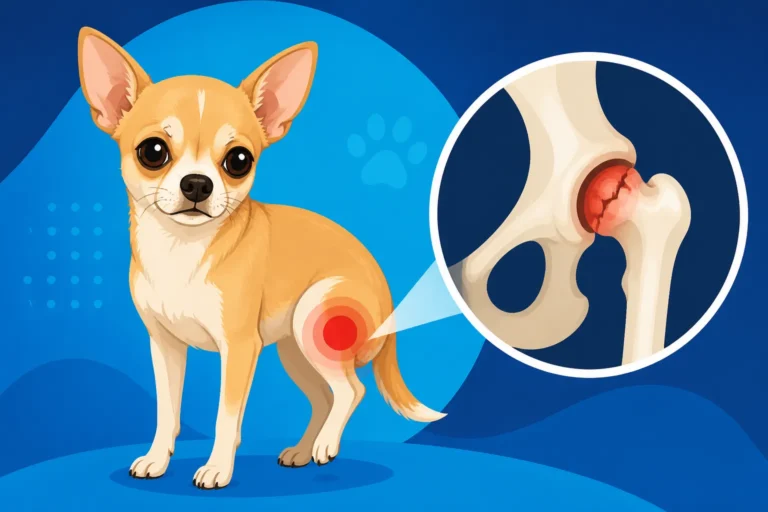
Patellar luxation, or a "slipping kneecap," is notoriously common in Chihuahuas. You can learn more about how this condition impacts the breed in our detailed guide on Patellar Luxation, the Chihuahua's Commonest Joint Problem. An extra pound can push a mild case into a more severe one, or make an already painful condition much worse. When a Chihuahua carries excess weight, the pressure on the knee joint increases with every step. This added force can cause the patella (kneecap) to slip out of its groove more frequently or remain luxated for longer periods. This leads to increased pain, inflammation, and further damage to the joint cartilage, accelerating the development of arthritis.
Consider a Chihuahua with a Grade 1 patellar luxation – a minor slip that often corrects itself. With an extra pound, that Grade 1 could quickly progress to a Grade 2 or even a Grade 3, where the kneecap is dislocated more often and requires manual manipulation to return to place, or even surgery. We delve deeper into how these grades are affected in The Four Grades of a Slipping Chihuahua Kneecap. The joint is simply not built to withstand the continuous grinding and abnormal movement caused by disproportionate body weight.
Impact on Spinal Health and Other Joints
While patellar luxation gets a lot of attention, the spine and other joints are also under immense pressure. The tiny vertebrae in a Chihuahua's back are not designed for extra load, and an increased body weight can lead to or worsen intervertebral disc disease (IVDD) or other spinal issues. Even their relatively small hip joints can suffer, though conditions like Chihuahua Legg-Calve-Perthes Disease are more related to bone death than direct weight impact, the overall joint health is compromised. The added weight means more impact every time they jump off furniture or run, which can hasten degenerative changes. This is especially critical as they age, making Senior Chihuahua Care Past the Age of Twelve even more challenging if they've been carrying extra weight for years.
The discomfort from joint pain can manifest in behavioral changes, too. A normally outgoing Chihuahua might become reluctant to play, avoid stairs or jumping, or even snap when touched in painful areas. It’s a sad cycle where the pain reduces their activity, leading to further weight gain, which in turn increases the pain.
| Weight Gain for a 5-lb Chihuahua | Equivalent for a 150-lb Human | Potential Health Impact |
|---|---|---|
| +0.5 lb (10% increase) | +15 lbs | Noticeable strain on knees, reduced stamina, slight increase in breathlessness. |
| +1.0 lb (20% increase) | +30 lbs | Significant worsening of patellar luxation, increased risk of arthritis, spinal stress, noticeable impact on heart and lungs. |
| +2.0 lbs (40% increase) | +60 lbs | Severe joint pain, advanced arthritis, chronic respiratory issues, high risk of diabetes, pancreatitis, and other life-limiting conditions. |
Compromised Cardiovascular and Respiratory Health
An extra pound on a Chihuahua isn't just about aching joints; it significantly impacts their vital internal systems, particularly their heart and lungs. These tiny organs are already working hard to support their active metabolism, and any additional burden can lead to serious health complications that can shorten their precious Chihuahua Lifespan and Why the Breed Reaches Sixteen.
Overworking a Tiny Heart
The heart of a Chihuahua is a marvel of efficiency, but it’s still a small muscle. When a dog carries excess weight, their heart has to work harder to pump blood through a larger volume of tissue. This increased workload can strain the heart, leading to or exacerbating existing heart conditions. Chihuahuas are prone to heart issues such as mitral valve disease as they age, a topic we explore in Chihuahua Heart Disease as the Breed Ages. An extra pound means the heart muscle must pump harder, increasing blood pressure and potentially enlarging the heart over time. This can accelerate the progression of heart disease, leading to symptoms like coughing, fatigue, and even congestive heart failure much earlier than it might otherwise occur.
Even a seemingly healthy Chihuahua will have reduced exercise tolerance if they're carrying extra weight because their cardiovascular system is already struggling. What once was an enthusiastic romp in the park might become a short, labored walk, leaving them panting and needing frequent breaks. This reduced activity then contributes to further weight gain, creating a vicious cycle that is detrimental to their overall health.
Worsening Collapsing Trachea
Chihuahuas are also highly susceptible to collapsing trachea, a condition where the rings of cartilage in the windpipe weaken and flatten, making it difficult to breathe. If you've ever heard that characteristic honking cough, you know how alarming it can be; we cover this extensively in Collapsing Trachea and the Chihuahua Honking Cough. An extra pound of fat can accumulate around the neck and chest, putting direct pressure on the already compromised windpipe. This physical compression can make a mild tracheal collapse much worse, triggering more frequent and severe coughing episodes.
Furthermore, carrying extra weight reduces a Chihuahua's overall respiratory efficiency. Their lungs have to work harder to move air, and any fat in the abdominal cavity can push up against the diaphragm, further constricting lung capacity. This combination of external pressure and reduced internal space means a Chihuahua with an extra pound will struggle more to breathe, especially during excitement, exercise, or in warm weather. This is why keeping a Chihuahua at a healthy weight is one of the most effective management strategies for tracheal collapse, alongside using a harness instead of a collar.
Metabolic and Digestive System Overload
Beyond the visible impact on joints and breathing, an extra pound places a tremendous burden on a Chihuahua's internal metabolic and digestive systems. These tiny bodies are exquisitely sensitive to changes in diet and energy balance, and carrying excess weight can throw everything out of whack, leading to serious and often expensive health conditions.
Increased Risk of Diabetes
While often associated with larger breeds, Chihuahuas are not immune to diabetes mellitus, and obesity is a significant risk factor. When a Chihuahua carries extra weight, their body cells can become resistant to insulin, the hormone responsible for regulating blood sugar. This condition, known as insulin resistance, forces the pancreas to produce more insulin, eventually leading to pancreatic fatigue and the onset of diabetes. Diabetes in Chihuahuas can be particularly challenging to manage given their small size and the precise dosing required for medication.
The symptoms of diabetes can be subtle at first: increased thirst, frequent urination, and unexplained weight loss despite an increased appetite. If left untreated, it can lead to severe complications like cataracts, nerve damage, and even life-threatening conditions. Preventing obesity is paramount in safeguarding your Chihuahua against this serious metabolic disorder. Consistent weight management, including careful portion control and appropriate exercise, is your best defense.
The Danger of Pancreatitis
Another serious concern with excess weight and inappropriate feeding is pancreatitis, an inflammation of the pancreas. Chihuahuas are unfortunately prone to this painful and potentially fatal condition, often triggered by a sudden intake of fatty food or chronic obesity. We talk about this more in Pancreatitis in a Chihuahua After Rich Food. An extra pound often means a Chihuahua is receiving too many calories, and sometimes those calories come from rich, fatty human foods or overly generous treats. The pancreas, responsible for producing digestive enzymes and hormones, can become overwhelmed and inflamed, leading to severe abdominal pain, vomiting, diarrhea, and lethargy.
Pancreatitis can range from mild to severe, often requiring hospitalization, intravenous fluids, pain medication, and a highly restricted diet for recovery. For a tiny Chihuahua, even a mild bout can be incredibly distressing and dangerous. Preventing pancreatitis starts with a strict diet, carefully portioned, and absolutely no human food scraps. Keeping your Chihuahua at an ideal body weight minimizes the strain on their digestive system and reduces their susceptibility to this agonizing condition.
Practical Strategies for Maintaining a Healthy Chihuahua Weight
Keeping your Chihuahua at an ideal weight is perhaps one of the most critical aspects of their long-term health and well-being. It directly impacts their comfort, mobility, and lifespan. The good news is that managing their weight is entirely within your control with a few consistent practices.
Precision Feeding and Calorie Control
For a Chihuahua, "eyeballing" their food portion is a recipe for disaster. Their caloric needs are so small – often around 200-250 calories per day for an adult 5-pound dog – that even a few extra kibbles or a small piece of cheese can throw their daily intake significantly off balance. This is why we stress the importance of Feeding a Chihuahua on Two Hundred Calories a Day. You need to use a digital kitchen scale to weigh their food precisely. Forget the measuring cups; they are simply not accurate enough for such tiny quantities. Break treats into minuscule pieces, or opt for low-calorie options like small bits of cooked lean chicken or green beans. It’s also crucial to remember that calorie needs can change with age and activity level. An older, less active Chihuahua will require even fewer calories than a playful puppy.
Tailored Exercise Regimens
While they might be small, Chihuahuas still need regular exercise to maintain muscle tone and burn calories. You can read more about their daily needs in Chihuahua Exercise Needs Every Day. This doesn't mean marathon runs, but it does mean consistent, intentional activity. A couple of 15-20 minute walks a day, suitable for their size and stamina, can be perfect. Indoor play, like fetch with a soft toy or navigating a simple obstacle course, also provides great mental and physical stimulation, especially on bad weather days. Ensure their exercise is safe for their joints; avoid high jumps or activities that put undue stress on their knees. Integrating ramps or pet stairs for accessing furniture can also prevent injuries and encourage safer movement, as discussed in Ramps and Steps for a Chihuahua Sofa.
Regular Veterinary Check-ups and Weight Monitoring
Consistent veterinary care is your best partner in weight management. During routine check-ups, your vet will perform a body condition score (BCS) assessment, which is more accurate than just looking at the number on the scale. They’ll feel your Chihuahua's ribs, waist, and spine to determine if they're at an ideal weight. These appointments are also crucial for catching any underlying health issues that might contribute to weight gain or make weight loss difficult. Don't hesitate to ask your vet for specific caloric recommendations or guidance on a weight loss plan if needed. Many pet insurance providers, like Healthy Paws, emphasize preventive care, which can include the regular check-ups necessary to monitor and maintain your Chihuahua's healthy weight. Should your Chihuahua develop a weight-related health issue, having a reliable pet insurance plan from a company like Healthy Paws could offer significant financial support for treatments and ongoing care.
Addressing Chihuahua Obesity on a Six Pound Frame
If your Chihuahua is already carrying extra weight, it’s vital to address it proactively. A gradual, controlled weight loss plan overseen by your veterinarian is always the safest approach. Rapid weight loss can be dangerous for small dogs. This typically involves a slight reduction in calories, a switch to a prescription weight-management diet, and an increase in safe, gentle exercise. It's a journey that requires patience and consistency, but the health benefits for your beloved companion are immeasurable. Remember, an extra pound for your Chihuahua is a serious matter, and taking action to manage their weight is one of the kindest things you can do for them. Healthy Paws, for example, offers various plans that can help manage the costs associated with health conditions often exacerbated by obesity, ensuring you can prioritize your pet's well-being without financial stress.
Disclaimer
This article is intended for informational purposes only and does not constitute professional veterinary advice. Always consult with a qualified veterinarian for any health concerns or before making any decisions about your pet's diet, exercise, or medical care.