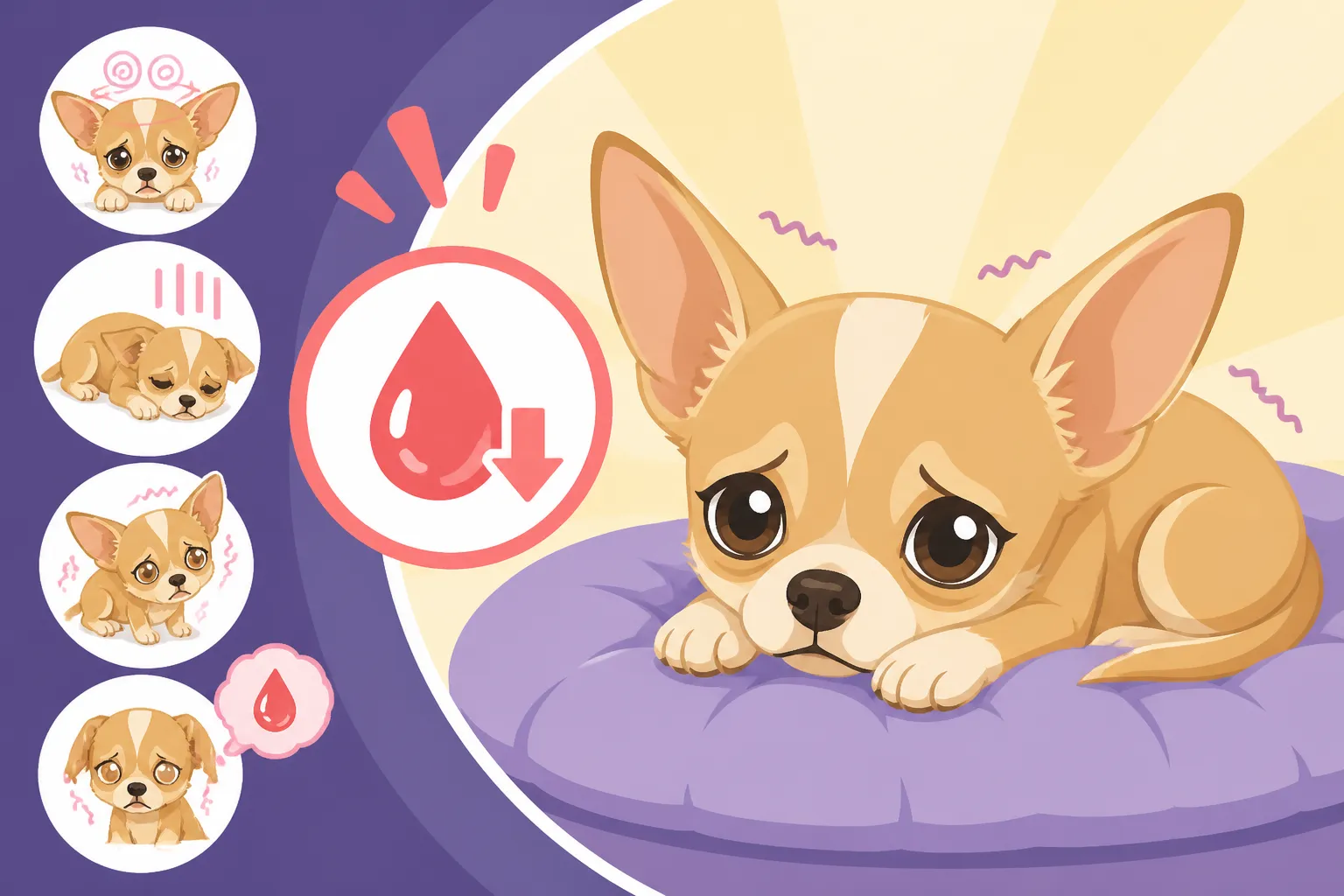
Chihuahua Hypoglycemia Signs in a Young Puppy
It's absolutely terrifying to see your tiny Chihuahua puppy suddenly weak, shaky, or even collapsing. One minute they're playing with all the energy a small dog can muster, the next they're lethargic, stumbling, or even unresponsive. This isn't just normal puppy sleepiness; it could be hypoglycemia, a dangerously low blood sugar level that Chihuahuas, especially young puppies, are particularly prone to because of their diminutive size and high metabolism. This guide will walk you through recognizing the subtle and severe signs of low blood sugar, so you can act quickly and potentially save your little one's life.
Understanding Hypoglycemia in Young Chihuahua Puppies
Hypoglycemia isn't just a fancy medical term; it's a very real and immediate threat to a young Chihuahua puppy. Their tiny bodies simply don't have the reserves that larger breeds do, and their systems are still developing. Imagine trying to run a marathon on an empty stomach when you're only a few pounds soaking wet – that's essentially what can happen to a Chihuahua puppy experiencing a severe drop in blood sugar. It's crucial for every Chihuahua owner to understand the unique vulnerabilities of their pint-sized companion.
Why Chihuahuas Are Prone to Low Blood Sugar
Chihuahuas, particularly in their first few months of life, possess a unique physiological makeup that makes them significantly more susceptible to hypoglycemia compared to larger breed puppies. Their small body mass means they have very little fat storage. Fat acts as an energy reserve, and without much of it, their bodies rely almost entirely on a constant supply of glucose (sugar) from their diet. When this supply runs low, there's simply no backup system. Furthermore, their high metabolism, which helps them burn energy quickly, also means they deplete their glucose stores at an alarming rate. It’s a delicate balancing act that often leaves them teetering on the edge if not managed carefully. This is one of the key reasons why understanding Why a Chihuahua Runs Out of Blood Sugar So Fast is so important for new owners.
Beyond their natural physiology, Chihuahuas can also be prone to stress-induced hypoglycemia. A new environment, a change in routine, or even being slightly chilled can trigger a stress response that burns through their limited glucose even faster. When you bring home a new puppy, especially a tiny Chihuahua, the sheer excitement and novelty of their new surroundings can be overwhelming. This excitement, coupled with the change in diet or even minor travel, can easily tip their delicate system into a hypoglycemic episode. It’s not about them being fragile, but rather about respecting their specific needs as a toy breed.
The Mechanics of a Sugar Crash
When a Chihuahua puppy's blood sugar levels drop too low, their brain and other vital organs don't get the fuel they need to function properly. Think of it like a car running out of gas – everything just sputters and eventually stops. Glucose is the primary energy source for brain function, so when it’s scarce, neurological symptoms quickly manifest. This can range from mild disorientation to severe seizures. The liver typically stores glycogen, which can be converted to glucose, but in very young or small puppies, these glycogen stores are minimal or not yet fully developed.
The speed at which this can happen is what truly catches many owners off guard. One moment your puppy might seem fine, perhaps just a little sleepy, and the next they could be stumbling or even collapsing. This rapid onset requires immediate intervention, as prolonged hypoglycemia can lead to irreversible brain damage or even death. It’s not just a matter of feeling a bit sluggish; it’s a critical medical emergency that demands your full attention and quick action. This is why knowing the Chihuahua Hypoglycemia and the Puppy Emergency protocols is non-negotiable for new puppy parents.
Age and Size as Major Risk Factors
While all young puppies can be susceptible to hypoglycemia, the risk is significantly amplified in Chihuahuas, especially those under four months old or weighing less than three pounds. Their tiny size is a double-edged sword: it makes them adorable, but it also means they have a disproportionately large surface area relative to their body volume, making them more prone to heat loss. This constant effort to maintain body temperature burns calories and glucose faster.
Premature or "teacup" sized Chihuahuas are at an even higher risk. Often, these puppies might be runts of the litter or simply genetically smaller, making their internal systems even less robust. A reputable breeder will always emphasize feeding schedules and warmth for these tiny ones, but even with the best care, an owner must remain vigilant. Understanding the specific needs of puppies in these critical early weeks is paramount, as their systems mature and become more resilient with age and proper nutrition.
Recognizing the Early, Subtle Signs of Hypoglycemia
Catching hypoglycemia early is your best defense. The initial signs are often subtle and can easily be mistaken for normal puppy behavior like sleepiness or clumsiness. However, for a Chihuahua puppy, these subtle shifts can be the warning bells for a rapidly approaching crisis. Learning to differentiate between a healthy, sleepy puppy and one whose blood sugar is plummeting is a skill every Chihuahua owner must develop.
Behavioral Changes: Lethargy and Disinterest
One of the first indications that something might be amiss is a noticeable change in your puppy's usual playful demeanor. A healthy Chihuahua puppy is typically a bundle of energy, exploring, playing, and generally being inquisitive. If your puppy suddenly becomes unusually quiet, unresponsive, or seems to lack their normal spark, it's a red flag. They might not respond to their name, ignore toys they usually love, or simply want to lie down and sleep more than usual. This isn't just a puppy needing a nap; it's a puppy whose brain isn't getting enough fuel to stay active and engaged.
This lethargy can progress quickly. What starts as a little less energy might soon turn into complete disinterest in their surroundings. They might stare blankly or seem disoriented, struggling to focus their eyes. You might try to engage them, but they just seem "out of it." This level of unresponsiveness is beyond normal puppy tiredness and indicates a more serious metabolic issue. Pay close attention to these nuances, especially after a period of intense play, a skipped meal, or if they've been in a slightly chilly environment.
Physical Indicators: Trembling and Weakness
Another common early sign, and one that often causes alarm for new owners, is trembling or shivering. While Chihuahuas are known for trembling when excited or cold, persistent, uncontrolled shaking, especially when they are warm and calm, can signal low blood sugar. This trembling often accompanies a general weakness; the puppy might seem unsteady on their feet, their legs might buckle, or they might struggle to stand up after lying down. You might notice them walking with an unusual gait, almost as if they're drunk. Many owners describe it as their puppy looking "wobbly" or "dizzy." If you notice Trembling and Weakness in a Chihuahua Puppy, it's a sign that you need to act immediately.
This physical weakness isn't just confined to their legs. Their entire body might feel limp or heavy, and they might have difficulty holding their head up. When you try to pick them up, they might feel unusually floppy. Their breathing might become shallow or labored, and their gums, which are normally a healthy pink, might appear pale or even bluish. These are all signs that their body is struggling to maintain normal function due to lack of glucose. Don't dismiss persistent trembling or unusual weakness as simply being a "Chihuahua thing."
Changes in Appetite and Eating Habits
A critical aspect of preventing hypoglycemia is ensuring your Chihuahua puppy eats regularly. So, a significant early warning sign can be a sudden loss of appetite or refusal to eat, especially if they usually gobble down their meals. Puppies, especially Chihuahuas, often need to eat small, frequent meals throughout the day. If your puppy skips a meal or shows no interest in food when it's offered, it immediately puts them at risk. They might sniff at their food and then walk away, or take a few bites and then lose interest, which is highly unusual for a growing, energetic puppy. Understanding How Often a Chihuahua Puppy Must Eat is fundamental to preventing these issues.
It’s a vicious cycle: low blood sugar makes them lethargic and disinterested, which includes being disinterested in food. But if they don't eat, their blood sugar drops even further. This makes it incredibly important to monitor their food intake closely. If your puppy seems unwell and refuses their kibble, don't just put the bowl away. Try offering something more enticing, like a tiny bit of boiled chicken or a lick of Nutri-Cal or KMR (Kitten Milk Replacer), if they are still very young. Any intake of calories can help stave off a deeper crash.
Progressing Symptoms and Critical Emergency Indicators
If the early signs of hypoglycemia are missed or not addressed quickly, a Chihuahua puppy's condition can deteriorate rapidly into a full-blown emergency. These advanced symptoms are alarming and demand immediate veterinary attention. This is where every second truly counts, and panic can set in, but staying calm and taking decisive action is vital.
Disorientation and Stumbling
As blood sugar levels continue to fall, the impact on the brain becomes more pronounced. Your puppy might become severely disoriented, bumping into furniture, walking in circles, or even pressing their head against a wall. This isn't just clumsiness; it's a sign that their neurological function is significantly impaired. They might appear confused, unable to recognize familiar people or surroundings. Imagine feeling extremely dizzy and unable to coordinate your movements – that’s what your puppy is experiencing, but far more acutely.
Their gait will become profoundly unsteady, moving beyond a simple wobble to outright stumbling and falling. They might struggle to maintain balance even when sitting or lying down. This is often accompanied by wide, unfocused eyes or a glazed look. If you call their name, they might not react at all, or their response might be delayed and unfocused. Any of these signs are a clear indication that their blood sugar is dangerously low and that their brain is suffering.
Seizures and Loss of Consciousness
The most frightening and critical symptoms of severe hypoglycemia are seizures and loss of consciousness. When the brain is completely deprived of glucose, it can trigger uncontrolled electrical activity, resulting in a seizure. This can manifest as full-body convulsions, twitching, jaw chomping, drooling, or paddling of the limbs. It’s an incredibly distressing sight for any owner. Immediately after a seizure, or if the hypoglycemia progresses without intervention, the puppy may become completely unresponsive and fall into a coma. This is a life-threatening situation that requires immediate, expert medical intervention.
During a seizure, it's natural to panic, but try to remain calm. Move any objects away from your puppy to prevent them from injuring themselves, but do not try to hold them down or put anything in their mouth. Time the seizure if you can, as this information will be vital for your vet. Once the seizure passes, your puppy will likely be extremely disoriented and weak. This is the point where you must get them to an emergency vet clinic without delay.
Extreme Body Temperature Drop
Another critical indicator of severe hypoglycemia, often overlooked, is a significant drop in body temperature. A healthy Chihuahua puppy should have a body temperature between 100 to 102.5°F (37.8 to 39.2°C). As their body struggles to produce energy, their internal systems slow down, and they lose the ability to regulate their temperature effectively. You might notice they feel unusually cold to the touch, especially their extremities like their ears and paws. Their skin might feel clammy. This is why Why Cold and Stress Drop Chihuahua Blood Sugar are critical points for owners to understand.
This hypothermia creates a dangerous feedback loop: the colder they get, the more energy their body tries to expend to warm up, further depleting their already low glucose reserves. If you feel your puppy is unusually cold and exhibiting other symptoms, it’s a sign of a severe metabolic crisis. Wrapping them gently in a warm blanket or holding them close to your body while en route to the vet can make a significant difference, but it’s not a substitute for professional medical care.
Immediate First Aid: What to Do When Signs Appear
Seeing your puppy in distress can feel paralyzing, but quick and correct action can be the difference between life and death. You need to have an emergency plan in place, and the right supplies on hand, because in the case of hypoglycemia, minutes truly matter. This isn't the time to hesitate; it's the time to act.
Administering Emergency Sugar Safely
Your absolute first step, if your puppy is conscious and can swallow, is to get some form of sugar into their system immediately. Do not wait to see if they "get better." The fastest and safest way to do this is by rubbing a small amount of a concentrated sugar source directly onto their gums. You can use corn syrup (like Karo syrup), honey, or a commercial glucose gel specifically made for puppies. About a quarter teaspoon for a small puppy is usually enough to start. The mucous membranes in their mouth will absorb the sugar directly into their bloodstream, bypassing the digestive system for a quicker effect. This is the essence of Emergency Sugar for a Collapsing Chihuahua Puppy.
Important Considerations for Sugar Administration:
- Do NOT force liquid into their mouth if they are unconscious or semi-conscious, as they could aspirate it into their lungs, leading to pneumonia. If they are unresponsive, still rub it on the gums.
- Do NOT use artificial sweeteners. Only natural sugars will work.
- Observe carefully. You should start to see improvement within 5-10 minutes if the hypoglycemia is mild to moderate. Their trembling might lessen, or they might become a bit more alert.
- Repeat if necessary. If they show slight improvement but regress, you can administer another small dose, but at this point, you should already be en route to the vet.
Always keep a tube of commercial glucose gel like Nutri-Cal or a small bottle of corn syrup readily available in your puppy's emergency kit. This is especially vital in the first few months.
Maintaining Body Warmth While Seeking Help
As mentioned earlier, hypothermia often accompanies hypoglycemia, and a cold puppy will struggle even more to recover. While you are administering sugar or preparing to leave for the vet, it's crucial to help your puppy warm up. Gently wrap them in a warm towel or blanket. You can also use a warmed rice sock or a hot water bottle (wrapped in a towel to prevent burns) placed near them, but never directly on them. Holding them close to your body, under your shirt, can also help transfer your body heat to them. Remember that Low Body Temperature in a Chihuahua Puppy exacerbates the issue.
The goal here is to raise their core body temperature safely and gradually. Avoid anything that might overheat them too quickly, as this can cause additional stress. A steady, gentle warmth is what you’re aiming for. This small act of keeping them warm helps their body conserve energy that would otherwise be spent on shivering, allowing their system to focus on utilizing the sugar you’ve provided.
When Not to Give Food or Water
While sugar on the gums is critical, be very cautious about giving food or water by mouth if your puppy is showing severe symptoms like extreme lethargy, disorientation, or seizures. If they cannot swallow properly, offering food or water risks aspiration, which means the liquid or food could go into their lungs instead of their stomach. This can lead to serious respiratory issues or aspiration pneumonia, adding another life-threatening complication to an already critical situation.
Stick to rubbing sugar on the gums for immediate absorption. Once they are more alert and clearly able to swallow, and only under the guidance of a vet or after significant improvement, you can try offering a tiny amount of highly palatable, easily digestible food. For now, prioritize the rapid absorption of sugar and getting them to professional medical help.
Proactive Prevention: Safeguarding Your Puppy's Blood Sugar
The best approach to hypoglycemia is prevention. Establishing a solid routine, understanding your puppy's needs, and being prepared can significantly reduce the risk of a sugar crash. Many of the issues we've discussed can be avoided with consistent, thoughtful care tailored specifically to a tiny Chihuahua.
Establishing a Consistent Feeding Schedule
One of the most effective ways to prevent hypoglycemia is to ensure your Chihuahua puppy eats small, frequent, and nutritious meals throughout the day. For very young puppies (8-12 weeks), this might mean feeding them every 3-4 hours. As they get a bit older, you might transition to 3-4 meals a day. Stick to a high-quality puppy food recommended by your vet or breeder. Do not free-feed, as this makes it hard to monitor intake and can lead to overeating or not eating enough when they need it most. Feeding a Chihuahua Puppy Every Few Hours is not an exaggeration; it's a necessity.
A set schedule helps regulate their blood sugar levels, preventing those dangerous dips. Always offer food before bedtime, as this provides a buffer of glucose to carry them through the night. If you notice your puppy isn't finishing their meals, or is skipping them, investigate why. Is the food palatable? Are they feeling unwell? Addressing these issues promptly is key. When considering proactive measures like proper nutrition, it’s also wise to think about pet insurance options from providers like Healthy Paws. While they can't prevent hypoglycemia, a good policy can certainly ease the financial burden if an emergency vet visit is needed.
Managing Stress and Environmental Factors
Stress, cold, and excessive exercise are all major triggers for hypoglycemia in Chihuahuas. Their tiny bodies burn through glucose reserves quickly when under duress. To mitigate this:
- Maintain a warm environment: Chihuahuas get cold easily. Keep your home comfortably warm, provide cozy blankets, and consider a small sweater for your puppy, especially if they have a smooth coat. Avoid drafts and cold floors.
- Minimize stress: The first few weeks in a new home are exciting but also stressful. Provide a quiet, safe space for your puppy to retreat. Limit excessive handling by children or strangers initially. Introduce new experiences gradually.
- Monitor exercise: While Chihuahuas need exercise, overdoing it can deplete their sugar reserves. Keep playtime sessions short and frequent rather than long and strenuous. If your puppy has been particularly active, ensure they have access to food or a small, high-calorie treat afterward.
- Avoid prolonged fasting: Even short periods without food can be dangerous for a very young or small Chihuahua. If your puppy is refusing food, or if you need to travel, consult your vet about strategies to keep their blood sugar stable, such as using Nutri-Cal.
These simple adjustments to their daily life can make a profound difference in preventing a hypoglycemic episode. They're small dogs with specific needs, and understanding these needs is part of responsible ownership.
The Importance of a Responsible Breeder
Choosing a puppy from a responsible, reputable breeder can significantly reduce the risk of hypoglycemia and other health issues. A good breeder will:
- Prioritize health over size: They won't intentionally breed "teacups" or excessively tiny Chihuahuas, as these are often more prone to health problems. They adhere to the breed standard, which values healthy dogs within the specified weight range.
- Provide proper nutrition and care: They will ensure their puppies are well-fed, warm, and thriving before going to new homes. They will also provide you with a detailed feeding schedule and advise on how to prevent hypoglycemia.
- Screen for underlying health issues: Reputable breeders conduct health tests on their breeding dogs for genetic conditions common in Chihuahuas. While not directly related to hypoglycemia, understanding the overall health of the parents can give you insight into the puppy's potential robustness. It's essential to ask about The Health Tests a Chihuahua Breeder Should Run.
- Educate new owners: A responsible breeder will take the time to explain the specific vulnerabilities of Chihuahua puppies, including hypoglycemia, and provide comprehensive instructions on care.
When bringing home a new puppy, especially a tiny one, the first few weeks are a critical period of adjustment. A good breeder will prepare you for this, offering advice and support. Unfortunately, some breeders prioritize profit over health, leading to puppies that are undersized or in poor condition, making them even more susceptible to issues like hypoglycemia. Always choose your breeder wisely.
Veterinary Intervention and Long-Term Management
Even with the best preventative care, emergencies can happen. Knowing when to call the vet and what to expect during a veterinary visit for hypoglycemia is crucial. It’s important to have an established veterinarian, or at least know the location of your nearest emergency veterinary clinic, before an emergency strikes.
What to Expect at the Emergency Vet
If your Chihuahua puppy is showing severe signs of hypoglycemia – stumbling, seizures, or unconsciousness – you need to get them to an emergency veterinary clinic immediately. Don't call ahead to ask for advice; just go. While you're en route, you can call to let them know you're coming and what symptoms your puppy is exhibiting. This allows them to prepare for your arrival.
Upon arrival, your puppy will be triaged immediately. The veterinary team will likely:
- Administer IV dextrose (glucose): This is the fastest and most effective way to raise blood sugar levels in a severely hypoglycemic puppy.
- Monitor vital signs: They will check your puppy’s heart rate, respiratory rate, and body temperature, and work to stabilize them.
- Perform blood tests: Blood work will confirm hypoglycemia and help identify any underlying causes.
- Provide warmth: They will continue efforts to warm your puppy, if necessary, using incubators or warmed fluids.
The veterinary team understands the urgency. They will do everything they can to stabilize your puppy and reverse the effects of the low blood sugar. This kind of emergency care can be costly, which is where having pet insurance like Healthy Paws can truly provide peace of mind. Knowing that you can focus on your puppy's health without immediate financial strain is invaluable.
Diagnosing and Treating Hypoglycemia
Diagnosis is usually straightforward, involving a quick blood glucose test. The more challenging part can be identifying why the hypoglycemia occurred. In young Chihuahua puppies, the cause is often simply a lack of consistent nutrition, stress, or cold. However, the vet will also rule out other potential, more serious underlying causes such as:
- Liver shunt: A congenital condition where blood bypasses the liver, preventing it from effectively processing nutrients and regulating blood sugar.
- Infection or parasites: Severe infections or heavy parasitic loads can drain a puppy's energy reserves.
- Adrenal insufficiency: A rare hormonal disorder.
- Pancreatic tumor (insulinoma): Extremely rare in puppies but possible.
Treatment will focus on stabilizing the blood sugar and then addressing any identified underlying cause. For simple nutritional hypoglycemia, the treatment involves supportive care, warmth, and a strict feeding regimen. For more complex issues, further diagnostics and specialized treatment may be necessary.
Monitoring and Preventing Recurrence
After a hypoglycemic episode, rigorous monitoring and a revised prevention plan are critical to prevent recurrence. Your vet will likely provide detailed instructions on:
- Feeding frequency and type: They might recommend a specific puppy food or even a prescription diet, along with a precise feeding schedule.
- At-home blood glucose monitoring: In some cases, especially if recurrence is a concern, you might be taught how to check your puppy’s blood glucose levels at home.
- Glucose supplements: You'll be advised to keep glucose gel or corn syrup on hand and how to use it preventatively if your puppy seems sluggish or is missing a meal.
- Environmental control: Reinforcing the importance of warmth and low stress.
It’s also important to discuss potential long-term impacts. While most puppies recover fully from isolated hypoglycemic episodes if treated promptly, repeated or severe episodes, especially those involving seizures, can sometimes lead to lasting neurological damage. This underscores the profound importance of diligent preventative care and rapid response to any signs of low blood sugar. This journey is part of The First Year Mistakes Chihuahua Owners Make, and learning from them keeps your pup healthy.
Hypoglycemia Warning Signs and Emergency Actions
| Symptom Severity | Common Signs | Immediate Action | When to Contact Vet |
|---|---|---|---|
| Mild | Slight lethargy, disinterest in play, mild shivering, soft stool | Offer small, palatable meal. Rub corn syrup on gums if refuses food. Ensure warmth. | If no improvement within 15-20 min. |
| Moderate | Increased lethargy, wobbly gait, persistent trembling, pale gums, vomiting, refusal to eat | Rub corn syrup/glucose gel on gums immediately. Wrap in warm blanket. Offer small meal ONLY if more alert and can swallow. Prepare for vet visit. | Immediately, while administering first aid. |
| Severe | Stumbling, disorientation, loss of consciousness, seizures, limpness, very cold to touch | Rub corn syrup/glucose gel on gums immediately (do NOT force into mouth). Wrap in warm blanket. Drive to emergency vet now. | Call en route to emergency vet. |
Remember, this table is a guide. When in doubt, always err on the side of caution and contact your veterinarian.
Disclaimer
The information provided in this guide is for informational purposes only and does not constitute veterinary medical advice. Always consult with a qualified veterinarian for any health concerns or before making any decisions about your pet's health or treatment.