Low Body Temperature in a Chihuahua Puppy
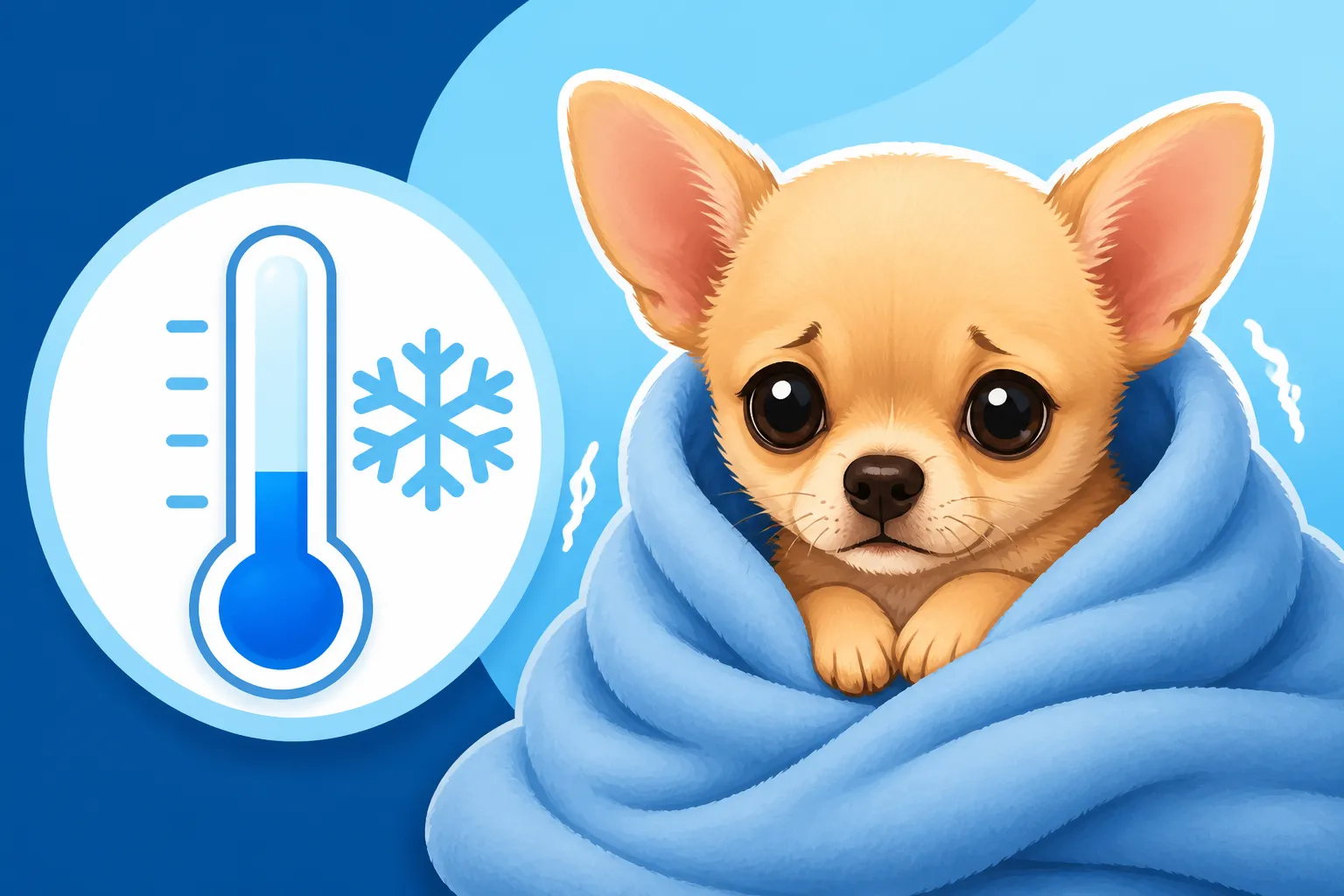
One of the most concerning situations a new Chihuahua puppy owner can face is finding their tiny companion cold to the touch, lethargic, or showing signs of being unwell. These little pups, especially those under a few months old, are incredibly delicate and prone to something called hypothermia, which is just a fancy word for low body temperature. When a Chihuahua puppy's core temperature drops, it can quickly escalate into a serious, life-threatening emergency, often complicated by low blood sugar (hypoglycemia). This guide is here to walk you through exactly why this happens, how to spot the signs, what immediate steps you absolutely must take, and how to prevent this frightening scenario from ever occurring.
Understanding Hypothermia in Chihuahua Puppies
Chihuahua puppies are, simply put, miniature marvels, but their tiny size comes with unique vulnerabilities. Unlike larger breeds, they lack the body mass and fat reserves necessary to regulate their temperature effectively, making them highly susceptible to environmental changes. A draft, a slightly cool room, or even being away from their littermates for too long can trigger a dangerous drop in their core temperature. It's a constant tightrope walk, and understanding this inherent fragility is the first step in keeping them safe.
Why Chihuahuas Are Especially Vulnerable to Cold
Imagine trying to keep warm when you weigh only a pound or two and have very little natural insulation. That's the reality for a Chihuahua puppy. Their metabolism, while surprisingly fast for their size, is primarily geared towards maintaining energy levels, not necessarily generating excess heat. They don't have the thick fur coats of a Siberian Husky, nor do they possess the sheer bulk that allows a Golden Retriever to retain heat. This is precisely Why a Chihuahua Has Almost No Body Fat, which is a huge factor in their inability to stay warm.
Newborn puppies, especially, are completely dependent on external heat sources, like their mother and littermates. When they're separated from this warmth, even for a short period, their tiny bodies struggle. Their surface area to volume ratio is also much higher than a large dog, meaning they lose heat to the environment much more quickly. This is why a temperature that feels perfectly comfortable to us, or even to a larger dog, can be dangerously cold for a Chihuahua puppy. They simply don't have the biological tools to cope with even mild cold snaps, and what might seem like a cozy nap to you could be a rapid plunge into hypothermia for your little one.
Recognizing the Early Signs of Low Body Temperature
Spotting the signs early can be the difference between a quick recovery and an emergency dash to the vet. One of the very first things you might notice is that your puppy feels unusually cool or cold to the touch, particularly their ears and paws. They might start shivering, though sometimes this can be subtle or even absent in very severe cases as their body attempts to conserve energy. Beyond the obvious chill, watch for changes in their behavior. A playful, energetic puppy might become unusually quiet, lethargic, and reluctant to move. They may huddle in a tight ball, seeking to self-preserve any warmth.
As hypothermia progresses, other worrying symptoms can appear. Their gums might become pale or even bluish, indicating poor circulation. They might breathe shallowly or slowly, and their heart rate could drop. You might also notice weakness, clumsiness, or a wobbly gait as their muscles become affected. This state of low body temperature often goes hand-in-hand with Chihuahua Hypoglycemia Signs in a Young Puppy, where their blood sugar levels also plummet. The combined effect can lead to disorientation, unresponsiveness, and even seizures. If you suspect your puppy is getting cold, it's crucial to act swiftly. Don't wait for these advanced symptoms to appear.
Immediate Steps to Warm a Hypothermic Chihuahua Puppy
If you've identified that your Chihuahua puppy is experiencing low body temperature, immediate action is paramount. Every minute counts in getting their core temperature back to a safe range. This isn't a situation to "wait and see"; it requires swift, gentle, and consistent intervention.
Safe Warming Methods at Home
Your primary goal is to provide gradual, external warmth without overheating. Drastic temperature changes can be just as dangerous as the cold itself. Start by gently wrapping your puppy in a soft, dry blanket, perhaps one that's been warmed in a dryer for a few minutes. You can also create a warm nest using towels and a warm (not hot!) water bottle, a heated rice sock, or a heating pad set on the lowest possible setting, with several layers of towels between the pad and your puppy to prevent burns. Always ensure there's an escape route for the puppy if it gets too warm. A small space heater in the room, directed away from the puppy but raising the ambient temperature, can also help.
Continuously monitor your puppy's response. Gently rub their body to stimulate circulation. If they are responsive and able to swallow, you can try offering a tiny amount of warmed, easily digestible food, like a little bit of chicken baby food or a few drops of corn syrup (carefully, as described in Emergency Sugar for a Collapsing Chihuahua Puppy) rubbed on their gums. This can help address potential hypoglycemia, which often accompanies hypothermia. Keep them close to your body, too; your own body heat can be incredibly comforting and effective. Remember, the key is gentle, consistent warmth.
When to Seek Veterinary Intervention
While home warming methods are essential first steps, they are often not enough for a severely hypothermic or hypoglycemic puppy. If your puppy is unresponsive, extremely lethargic, or if their condition doesn't improve within 15-20 minutes of your efforts, it's time to get to the veterinarian immediately. Don't hesitate. Call ahead to your vet or emergency clinic on your way so they can be prepared for your arrival.
The vet will have specialized equipment to accurately measure your puppy's core temperature (often rectally, which provides the most accurate reading) and will be able to administer warmed IV fluids, oxygen, and glucose if needed. They might also use incubators or specialized warming blankets to bring the puppy's temperature up safely and effectively. Conditions like Chihuahua Hypoglycemia and the Puppy Emergency are often intrinsically linked to low body temperature, and a vet can treat both concurrently. Having pet insurance, like a plan from Healthy Paws, can provide immense peace of mind in these emergency situations, ensuring you can focus on your puppy's health without added financial stress. Rapid veterinary care significantly improves the prognosis for a hypothermic puppy, and it's always better to be safe than sorry.
Here's a quick guide to understanding your puppy's temperature:
| Puppy Temperature (Fahrenheit) | Status & Symptoms | Action Required |
|---|---|---|
| 99-101.5°F | Normal range | Continue monitoring, ensure warm environment. |
| 96-98°F | Mild Hypothermia: Shivering, lethargy, cool extremities | Initiate home warming (blankets, body heat, warm water bottle). Offer small, warm meal or glucose if responsive. Monitor closely. |
| 90-95°F | Moderate Hypothermia: Weakness, shallow breathing, pale gums, less responsive | Immediate home warming. Contact vet immediately or head to emergency clinic while continuing warming. Provide glucose if puppy can swallow. |
| Below 90°F | Severe Hypothermia: Unresponsive, rigid, very slow breathing/heartbeat, blue gums | Emergency veterinary care required immediately. Continue gentle warming en route. This is life-threatening. |
Note: Rectal temperature is the most accurate for puppies.
Preventing Low Body Temperature in Chihuahua Puppies
The best approach to hypothermia is prevention. Establishing a consistently warm and stable environment, along with a rigorous feeding schedule, can drastically reduce the risk of your Chihuahua puppy ever facing this terrifying ordeal. Being proactive about their care is the most loving thing you can do for these tiny creatures.
Creating a Warm and Stable Environment
Your Chihuahua puppy's living space needs to be a haven of warmth. This is non-negotiable, especially for young puppies. Ideally, the ambient room temperature should be consistently maintained between 75-80°F (24-27°C) for puppies under 12 weeks, and no lower than 70°F (21°C) for older puppies and adults. Think about drafts from windows or doors and block them off. A plush, soft bed or a cozy Chihuahua Crate Size and Setup lined with warm blankets is essential for burrowing.
Many owners find a low-wattage heat lamp (positioned safely away from flammable materials and out of reach of curious paws) or a specialized pet-safe heating pad (again, on a low setting with multiple layers of bedding on top) to be invaluable additions to their puppy's sleeping area. Remember, the idea is to provide supplemental warmth, not intense heat. Always ensure the puppy has space to move away from the heat source if they become too warm. During colder months, consider dressing your puppy in a small sweater or coat, especially if they’ll be spending time in slightly cooler areas of the house or outdoors for potty breaks. Paying attention to these small details can make all the difference in Setting a Thermostat Around a Chihuahua.
The Importance of Consistent Feeding and Hydration
Beyond external warmth, consistent nutrition is a huge player in preventing hypothermia, largely because it directly impacts blood sugar levels. Why a Chihuahua Runs Out of Blood Sugar So Fast is a critical piece of the puzzle here; their tiny bodies burn through calories incredibly quickly. Therefore, consistent and frequent meals are absolutely essential.
For very young puppies (under 12 weeks), this often means feeding them every 2-4 hours, including a late-night or early-morning meal. Neglecting their feeding schedule, even by an hour or two, can lead to a dangerous drop in blood sugar, which then makes them more susceptible to hypothermia. Always ensure fresh water is available, though often, keeping them hydrated is intertwined with their frequent meals. If your puppy seems reluctant to eat, contact your vet immediately. A healthy, well-fed puppy is much better equipped to regulate its own body temperature. For guidance on appropriate feeding, refer to topics like Four Meals a Day for a Chihuahua Puppy and Whether a Chihuahua Should Eat Overnight, as these schedules are vital for their well-being.
Monitoring and Regular Health Checks
Even with the best intentions and the most meticulous preventative measures, vigilance remains key. Regularly check your puppy's temperature by feeling their ears and paws, and observe their energy levels and behavior. A happy, healthy Chihuahua puppy should be active, curious, and have warm extremities. Any deviation from this should prompt closer inspection.
Regular vet check-ups are also crucial. Your veterinarian can assess your puppy's overall health, provide advice tailored to their specific needs, and address any underlying issues that might make them more vulnerable to cold or illness. During these visits, discussing appropriate nutrition and environmental management for your specific climate can be invaluable. Considering pet insurance, such as Healthy Paws, early in your puppy's life can help cover unexpected vet visits for emergencies like hypothermia or other common Chihuahua ailments, offering financial protection and allowing you to focus purely on your puppy's health from day one. Staying proactive, observant, and working closely with your vet will help ensure your precious Chihuahua puppy thrives.
Disclaimer
This guide is intended for informational purposes only and should not be considered a substitute for professional veterinary advice. If your Chihuahua puppy is exhibiting signs of illness or distress, please consult a qualified veterinarian immediately.