Whether a Chihuahua Needs Fewer Vaccines
It's completely normal for Chihuahua owners to feel a little anxious when it comes to vaccinations. Picturing a standard vaccine dose, designed for dogs of all sizes, being injected into such a tiny, fragile-looking creature can certainly raise questions and concerns. You're probably wondering if your little companion truly needs the same number of shots as a Labrador or if there's a different, more gentle approach for toy breeds. This comprehensive guide is here to walk you through the realities of Chihuahua vaccination protocols, explain why the type of vaccine isn't usually adjusted for size, but why how it's administered and monitored is absolutely crucial for their well-being and peace of mind.
The Core Vaccination Needs of a Chihuahua
When we talk about vaccines, it's important to understand that there isn't a "small dog" version of the vaccine that delivers a reduced dose of the active ingredient. The fundamental science behind vaccination applies equally to a Chihuahua as it does to any other canine. Their immune system needs to be stimulated to build protection against specific diseases, and that stimulation requires a specific amount of antigen, regardless of the dog's body weight.
Understanding Core and Non-Core Vaccines
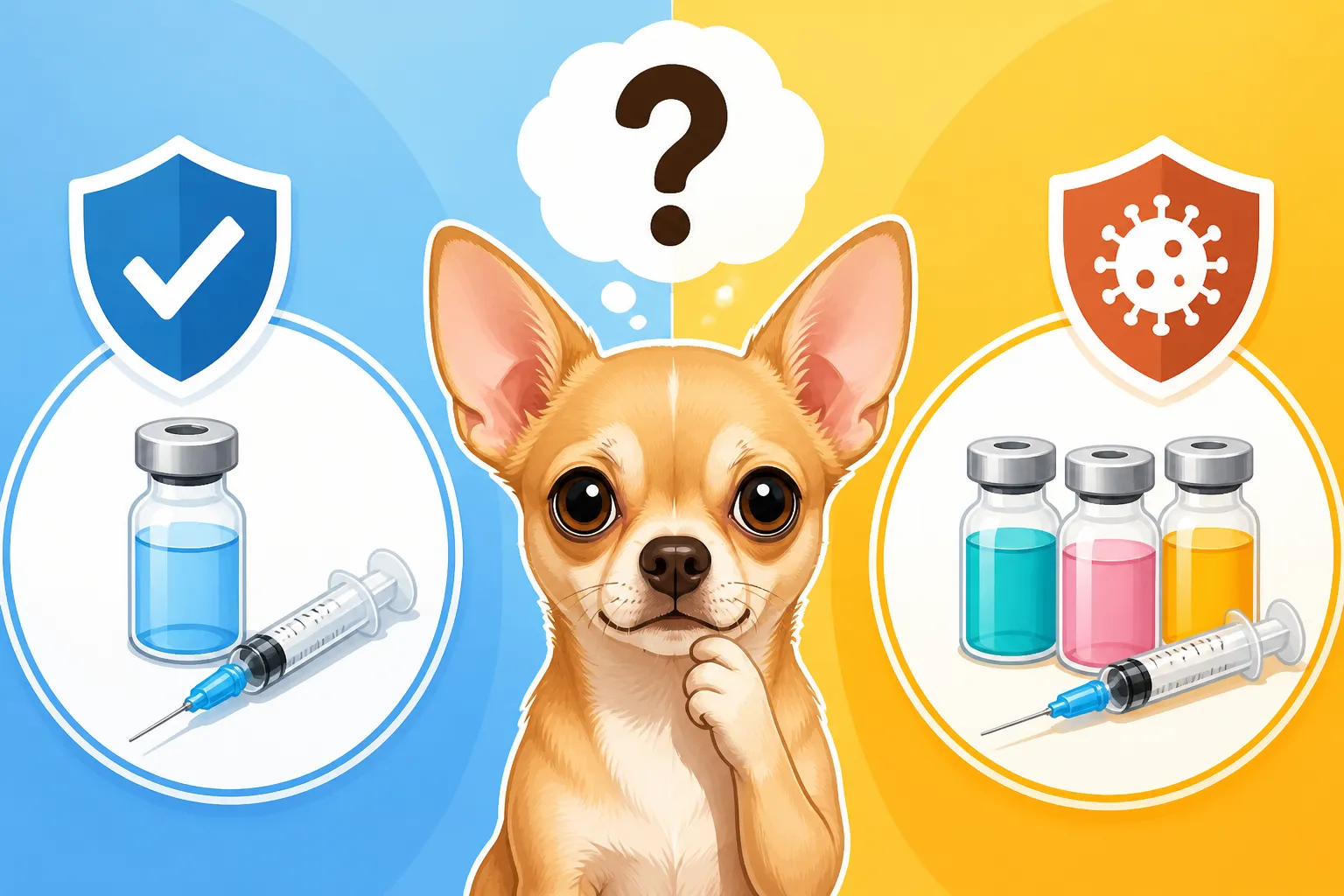
The world of canine vaccines is generally divided into two main categories: core and non-core. Understanding this distinction is the first step in demystifying your Chihuahua's vaccination schedule.
Core vaccines are those recommended for all dogs, regardless of their lifestyle or geographic location, because the diseases they protect against are widespread, highly contagious, and often deadly. For Chihuahuas, just like every other breed, these typically include canine distemper, parvovirus, adenovirus (hepatitis), and rabies. Imagine a highly contagious virus like parvovirus. It doesn't discriminate based on size; a Chihuahua is just as susceptible, if not more vulnerable due to its smaller physiological reserves, to the severe and rapid onset of symptoms if it contracts this illness. The immunity a vaccine provides is designed to protect against these severe threats, and reducing the dose would likely mean inadequate protection, leaving your tiny friend exposed.
Non-core vaccines, on the other hand, are recommended based on your Chihuahua's individual risk factors. These might include Bordetella (kennel cough), leptospirosis, or Lyme disease. If your Chihuahua frequently visits dog parks, goes to grooming facilities, boards at a kennel, or spends time outdoors in areas where ticks or wildlife are prevalent, your vet might recommend some of these. However, for a Chihuahua that lives a largely indoor life with limited exposure to other dogs or outdoor environments, some of these might not be necessary. The decision to administer non-core vaccines is always a discussion you should have with your veterinarian, weighing the risks of exposure against the benefits of vaccination, rather than being determined by your Chihuahua's petite size.
Why the Same Doses Apply to Tiny Dogs
It’s a very common, and perfectly understandable, misconception that a Chihuahua, being so small, should receive a smaller volume of vaccine liquid than a larger dog. However, this isn't how vaccines work. The protection derived from a vaccine comes from the antigens within it – the deactivated viruses or bacteria, or components thereof, that teach the immune system how to recognize and fight off the real threat. These antigens are present in a specific, carefully calibrated amount to elicit a strong, effective immune response.
Think of it this way: a light switch turns a light on or off. It doesn't dim the light for a smaller room. Similarly, a vaccine is designed to trigger a specific immune response that either protects or doesn't. Reducing the volume of the liquid vaccine would mean reducing the amount of antigens your Chihuahua's immune system receives. This would almost certainly result in an inadequate immune response, essentially leaving your dog vulnerable and unprotected, despite having received a shot. The immune system's capacity to recognize and respond to a pathogen isn't directly proportional to body size; it needs the correct "information" to build immunity, and that information is delivered in a standard, effective dose.
While it might seem counterintuitive to give the same volume of vaccine to a five-pound Chihuahua as a fifty-pound dog, rest assured that this protocol is based on extensive research and veterinary science to ensure effective immunity. In very rare cases, a vet might split up multiple non-core vaccines over separate visits to reduce the immediate "load" on a tiny system, but this is a strategic decision regarding timing, not a reduction in the individual immunizing dose itself. It ensures that each vaccine can do its job without overwhelming the dog, but each dose still contains the full, necessary amount of antigen for protection.
Minimizing Risks and Ensuring Safety During Vaccination
While the vaccine dose itself isn't typically adjusted for your Chihuahua's size, the approach to vaccination – from the pre-check to post-shot monitoring – absolutely needs to be tailored to their tiny stature and potential sensitivities. Vigilance and careful planning can make all the difference in ensuring a safe and stress-free experience for your little one.
Proper Vaccination Protocol for Small Breeds
The cornerstone of safe vaccination for any dog, especially a small breed like a Chihuahua, is a thorough pre-vaccination health check. Before any needle even comes near your precious pet, your veterinarian should conduct a complete physical examination. This means checking their temperature, listening to their heart and lungs, examining their eyes and ears, and making sure they are generally bright, alert, and healthy. Even a slight sniffle, a bit of lethargy, or an upset stomach could indicate an underlying issue that might compromise their immune system or make them more susceptible to adverse reactions. For a Chihuahua, where any health challenge can escalate quickly, this step is non-negotiable.
Vaccine timing, particularly for Chihuahua puppies, is also incredibly important. Young Chihuahuas require a series of puppy shots, usually starting around 6-8 weeks of age and continuing every 3-4 weeks until they are about 16 weeks old. This schedule is designed to work around the fading maternal antibodies they received from their mother, which can interfere with the vaccine's effectiveness. Skipping or delaying these crucial puppy shots can leave your Chihuahua highly vulnerable during a critical developmental period. For more detailed information on their development and care, you might find Chihuahua Puppy Curriculum Month by Month to be a helpful resource.
When it comes to the actual injection, careful administration is key. Vets often choose specific injection sites. For example, some veterinarians prefer to administer the rabies vaccine in a hind leg to localize any potential swelling or adverse reaction, making it easier to monitor and, in extremely rare cases, to consider amputation if a severe localized reaction were to occur. While this practice varies, it highlights the careful thought that goes into vaccinating tiny dogs.
If your Chihuahua requires multiple non-core vaccines, don't hesitate to discuss with your vet the possibility of spacing them out over a few weeks rather than giving them all in one go. This isn't about reducing the individual doses, but rather about distributing the immune system's "workload" over time, which can be a gentler approach for some sensitive individuals.
Monitoring for Adverse Reactions in Toy Chihuahuas
Knowing what to expect after vaccination is vital for any pet owner, but especially when you have a tiny Chihuahua. Most Chihuahuas experience only mild, self-limiting side effects, if any at all. These can include a bit of lethargy, soreness or a small lump at the injection site, a low-grade fever, or a temporary decrease in appetite. These are normal signs that your Chihuahua's immune system is actively building protection and usually resolve within 24-48 hours. Providing a quiet, warm, comfortable spot for your Chihuahua to rest and recover is often all that's needed.
However, it's absolutely crucial to be aware of the signs of a more serious allergic reaction, also known as anaphylaxis. While rare, these reactions can be severe and rapid, particularly in smaller breeds. Look out for symptoms such as facial swelling (especially around the eyes and muzzle), hives, persistent vomiting or diarrhea, difficulty breathing, sudden weakness, or even collapse. If you observe any of these signs, consider it a medical emergency and seek immediate veterinary attention. Prompt action can be life-saving. Understanding Vaccine Reactions in a Toy Sized Chihuahua can help you identify these critical moments.
A proactive measure strongly recommended by many vets is to remain at the clinic for 15-30 minutes after your Chihuahua receives their vaccination, especially after their first few shots. This allows veterinary staff to quickly intervene if an immediate, severe allergic reaction occurs. Once home, continue to closely monitor your Chihuahua for the next 48 hours. If anything seems concerning or if symptoms persist beyond a couple of days, don't hesitate to call your vet. Trust your instincts; you know your Chihuahua best.
Financial Considerations and Long-Term Health Planning
The cost of owning a Chihuahua, like any pet, involves various expenses. While vaccine costs themselves are a relatively small fraction of this, they represent a crucial investment in your pet's long-term health and can significantly impact your budget if neglected. Planning for these costs, and unforeseen ones, is part of responsible Chihuahua ownership.
The Cost of Responsible Vaccination and Care
Vaccinations are an upfront, preventative expense that can save you significantly more money down the line. Imagine the cost of treating a severe case of parvovirus or rabies, which can easily run into thousands of dollars and may not even have a positive outcome. Compared to that, the cost of routine vaccinations is minimal. Cutting corners on these essential preventative measures is a false economy that can lead to heartbreaking and expensive consequences. It’s also worth noting that the costs associated with illnesses for small dogs can sometimes be surprisingly high, even for conditions like Chihuahua Dental Bills as the Biggest Recurring Cost, which often dwarf annual vaccine expenses.
When you're acquiring a Chihuahua puppy, a reputable breeder will always ensure that the puppies have received their initial set of vaccinations and deworming before they go to their new homes. This is a sign of responsible breeding and ensures your puppy starts life with foundational protection. In contrast, those advertising Chihuahua Puppy Prices From a Backyard Breeder might cut corners on these vital early health steps, leaving you with a puppy that is not adequately protected and facing higher initial vet bills for catch-up care. Always ask for vaccination records and vet checks when bringing a new Chihuahua home.
Beyond just the vaccines, responsible care includes regular annual or semi-annual vet check-ups. These visits are not just for booster shots but for a comprehensive health assessment. Your vet can catch early signs of other potential issues, discuss Chihuahua Parasite Prevention at Low Body Weight, and generally ensure your Chihuahua is thriving. These consistent preventative measures are paramount for a breed known for its longevity, and they are an integral part of budgeting for your long-term companion.
The Role of Pet Insurance in Managing Health Risks
Even with the best preventative care, unexpected health issues can arise, or your Chihuahua might experience a severe, rare vaccine reaction. This is where pet insurance can offer invaluable peace of mind. While many pet insurance policies do not cover routine vaccinations unless you add a specific wellness plan, they are designed to cover the costs associated with unexpected accidents, illnesses, and emergencies – including severe reactions to vaccines.
Providers like Healthy Paws, for instance, can help alleviate the financial strain if your Chihuahua requires extensive treatment for an anaphylactic shock or other serious post-vaccination complications. Without insurance, these emergency bills can quickly add up, leaving owners in a difficult position of making decisions based on cost rather than what's best for their beloved pet.
It's wise to enroll your Chihuahua in pet insurance as early as possible. Most policies, including those from Healthy Paws, have waiting periods before coverage begins and will not cover pre-existing conditions. Enrolling a young, healthy puppy ensures that future unforeseen health challenges, whether it's a sudden injury or the development of a chronic condition like Chihuahua Heart Disease as the Breed Ages as they age, are more likely to be covered. This allows you to focus on your Chihuahua's recovery without the added stress of crushing veterinary bills. Pet insurance essentially allows you to provide the best possible care throughout your Chihuahua's long life, anticipating that some medical surprises are almost inevitable.
Addressing Specific Chihuahua Concerns
The small stature of Chihuahuas sometimes means that their reactions or symptoms can be misinterpreted, or that their general well-being requires a more attentive and specialized approach. Understanding these nuances is critical for their overall health and happiness.
Distinguishing Vaccine Reactions from Other Issues
It's perfectly natural for any Chihuahua owner to feel a surge of panic when their tiny dog seems "off," especially after a vet visit that involved vaccinations. For instance, while lethargy is a common, mild side effect of vaccines, it can also be a significant sign of Chihuahua Hypoglycemia and the Puppy Emergency, particularly in young, stressed, or underweight puppies. It's crucial for owners to understand the difference and when to seek emergency care. If your Chihuahua is not just tired but also weak, wobbly, or unresponsive, and especially if it's a puppy, a sugar crash needs immediate attention. Always have some glucose gel or karo syrup on hand, just in case.
Beyond physiological reactions, the stress of a vet visit itself can sometimes make a Chihuahua appear unwell. They might shiver from anxiety or cold, become withdrawn, or refuse to eat immediately after. This isn't a vaccine reaction but a stress response that can compound the post-vaccine fatigue. Ensuring your Chihuahua is kept warm, calm, and comforted before, during, and after their shots is essential.
While extremely rare, some severe vaccine reactions can involve neurological symptoms. However, it's also important to remember that conditions like Chihuahua Epilepsy and Seizure Onset can occur independently of vaccinations. Knowing your Chihuahua's baseline behavior, health history, and any pre-existing conditions is vital. This knowledge empowers you to accurately describe symptoms to your vet, helping them distinguish between a vaccine reaction, a stress response, or an unrelated health issue. Similarly, if your Chihuahua is due for another procedure like a dental cleaning, discussing the Anesthesia Risk During a Chihuahua Dental beforehand helps you understand all potential risks involved.
The Importance of a Low-Stress Vet Experience
For dogs as small and often sensitive as Chihuahuas, minimizing stress during vet visits isn't just about comfort; it's a critical part of their overall health management. A highly stressed Chihuahua might mask symptoms, making diagnosis difficult, or its stress could even exacerbate other health issues.
Making vet visits a positive experience starts at home. Practice handling your Chihuahua regularly – gently touching their paws, ears, mouth, and body – to desensitize them to the kind of examination a vet will perform. Use treats and praise to make these sessions enjoyable. This positive conditioning can significantly reduce their anxiety when a stranger in a white coat needs to do the same.
When heading to the clinic, consider bringing their favorite blanket or a high-value treat they only get at the vet. A comforting scent or a delicious distraction can make a huge difference. Some owners even use calming pheromone sprays in their carrier.
If available in your area, consider seeking out a "fear-free" certified veterinary practice. These clinics specialize in creating a calming environment, using gentle handling techniques, and often offering separate waiting areas for smaller dogs. Their staff are trained to recognize and alleviate signs of stress, making the entire experience much less frightening for sensitive breeds like Chihuahuas. Preparing your Chihuahua for these visits and advocating for a low-stress approach can ensure they remain as calm and comfortable as possible, making vaccinations and other necessary procedures a more positive experience for everyone involved. For a comprehensive approach to ensuring your dog's long-term health, it’s worth asking The Health Tests a Chihuahua Breeder Should Run on their breeding dogs, which can give you insight into your puppy's genetic predispositions.
| Vaccine Type | Necessity for Chihuahuas | Common Side Effects | Severe Reactions (Rare) |
|---|---|---|---|
| Core Vaccines (e.g., Distemper, Parvovirus, Adenovirus, Rabies) | Essential for all Chihuahuas due to high risk of severe, often fatal, diseases. Protection is not size-dependent. | Mild lethargy, fever, soreness at injection site, decreased appetite (typically resolves within 24-48 hours). | Facial swelling, hives, persistent vomiting/diarrhea, difficulty breathing, sudden weakness, collapse. Immediate vet care required. |
| Non-Core Vaccines (e.g., Bordetella, Leptospirosis, Lyme Disease) | Recommended based on lifestyle, geographic location, and exposure risk. Discuss with your veterinarian to determine if necessary for your Chihuahua. | Similar to core vaccines; generally mild and self-limiting. | Less common than with core vaccines, but can include similar severe allergic reactions. |
Disclaimer
This information is intended for educational purposes only and is not a substitute for professional veterinary advice. Always consult with a qualified veterinarian regarding your Chihuahua's specific health needs, vaccination schedule, and any concerns you may have. Medical decisions should always be made in consultation with your trusted veterinary professional.