Walking a Chihuahua Twenty Minutes a Day
Many Chihuahua owners find themselves wondering if their tiny companions really need regular walks, or if being carried in a purse is enough. It's a common misconception that their small size exempts them from the need for consistent physical activity, leading to missed opportunities for vital mental and physical enrichment. This guide will help you understand why a daily 20-minute walk is often the perfect balance for most Chihuahuas, how to make these walks safe and enjoyable, and how to build a routine that benefits both of you.
Why Twenty Minutes is Just Right for Most Chihuahuas
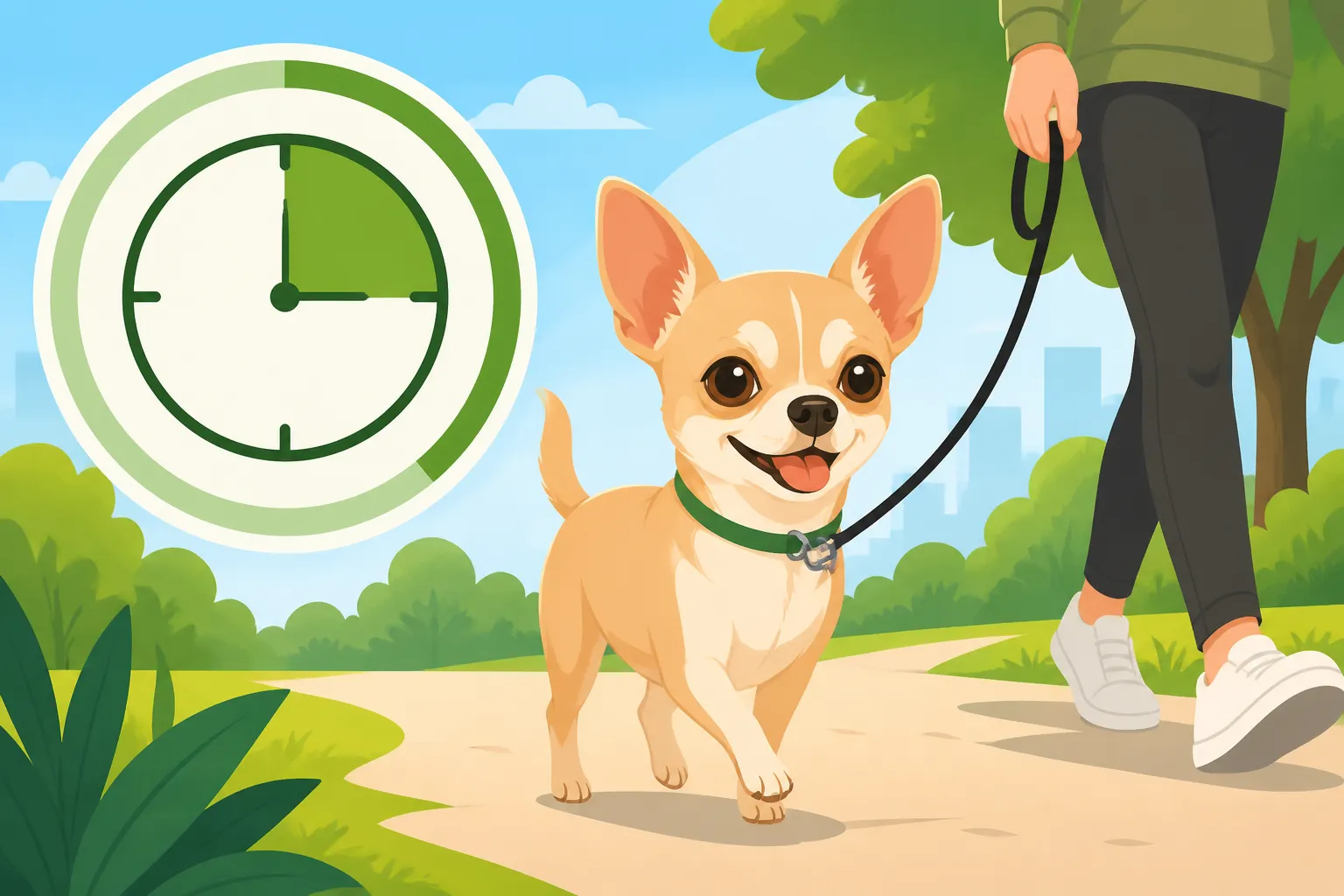
It's easy to look at a Chihuahua, especially one weighing just a few pounds, and assume they get all the exercise they need darting around the living room. But just like any dog, Chihuahuas thrive on routine, mental stimulation, and the physical exertion that comes from exploring the world outside their four walls. Twenty minutes might not sound like a lot to someone with a larger, high-energy breed, but for a small Chihuahua, it's often the sweet spot that provides immense benefits without overexerting their tiny bodies.
Meeting Physical and Mental Needs
A regular walk isn't just about moving paws; it's a sensory adventure for your Chihuahua. Every new scent, sound, and sight stimulates their brain, helping to prevent boredom and destructive behaviors that can arise from pent-up energy. Think about it: your Chihuahua might zoom around the house, but that's often repetitive and predictable. Outside, the world is a constantly changing canvas of information. A 20-minute walk allows them enough time to sniff around, investigate interesting patches of grass, and engage with their environment in a meaningful way. This mental workout is just as important as the physical one. It helps keep them sharp, curious, and well-adjusted. Plus, consistent exercise helps maintain a healthy weight, which is crucial for a breed prone to joint issues like Patellar Luxation, the Chihuahua's Commonest Joint Problem and Chihuahua Arthritis in the Teenage Years. Even a half-pound extra can put undue strain on their small frame, so controlled exercise is key.
Preventing Small Dog Syndrome
One of the biggest pitfalls Chihuahua owners face is inadvertently contributing to "small dog syndrome," which isn't a genetic trait but a set of learned behaviors where small dogs become overly assertive, yappy, or fearful. Often, this happens because they aren't given the same rules or opportunities as larger dogs. Carrying a Chihuahua everywhere or letting them dictate interactions can lead to anxiety and reactivity. A 20-minute walk on a leash, where they learn to follow your lead and calmly navigate the world, reinforces good manners and builds their confidence. It teaches them that they don't have to be in charge of every situation. For more on this, check out Training a Chihuahua Exactly Like a Big Dog. When they are allowed to walk and explore, they gain a sense of agency and calm observation, rather than feeling constantly threatened from a lofty perch.
Making Your Twenty-Minute Walk Safe and Enjoyable
Even a short walk requires careful consideration for a Chihuahua. Their tiny size makes them vulnerable to a host of environmental factors and potential dangers that a larger dog might easily shrug off. Thoughtful preparation and attention to detail ensure that these 20 minutes are beneficial and not stressful for your little companion.
Essential Gear for Tiny Paws and Bodies
Before you even step out the door, gather the right gear. A properly fitted harness is absolutely non-negotiable for a Chihuahua. Collars can put dangerous pressure on their delicate tracheas, leading to a nasty honking cough or even long-term damage. Look for a harness that fits snugly around their chest, not their neck, and allows free shoulder movement. Brands available on sites like Chewy or Amazon often have excellent options specifically designed for toy breeds, offering soft materials and secure buckles. Harness Fitting on a Chihuahua Chest can offer more guidance.
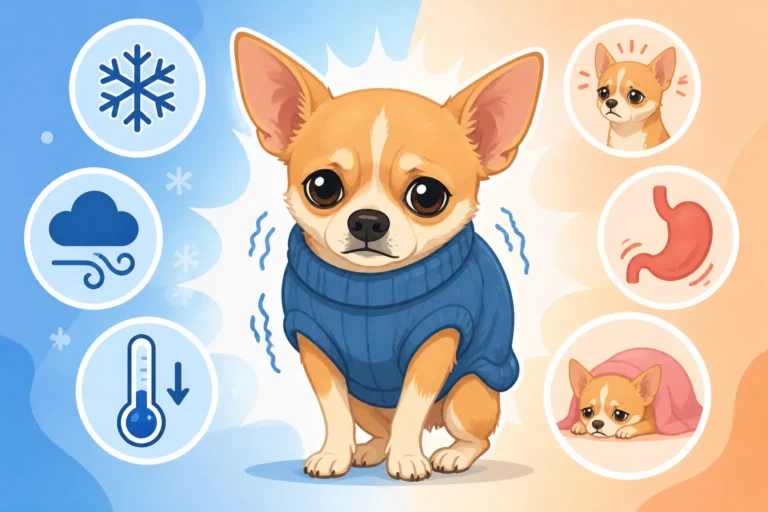
Next, consider the weather. Chihuahuas have very little body fat and can get cold quickly, even on a mildly chilly day. A lightweight sweater or coat is often necessary. In winter, paw protection like little boots can shield their sensitive pads from ice, salt, or freezing pavement. Walking a Chihuahua in Cold Weather and Chihuahua Paw Protection on Ice and Salt dive deeper into these concerns. Always carry a small water bottle and a collapsible bowl, especially on warmer days, as their small bodies can dehydrate quickly. Don't forget poop bags – being responsible means cleaning up after your tiny dog just as you would for a Great Dane.
| Gear Item | Why It's Essential for Chihuahuas | Where to Look |
|---|---|---|
| Well-fitted Harness | Protects delicate trachea from pressure; ensures comfort and security. | Pet specialty stores, Chewy, Amazon |
| Lightweight Leash | Provides control without excessive weight or bulk. | Pet specialty stores, Chewy, Amazon |
| Weather-appropriate Apparel | Sweaters, coats for warmth; reflective gear for low light. | Pet boutiques, Amazon |
| Paw Protection (Boots) | Shields paws from extreme temperatures (hot pavement, ice, salt) or rough terrain. | Pet specialty stores, Amazon |
| Small Water Bottle & Bowl | Prevents dehydration, especially on warm days or longer outings. | Any outdoor gear store, Amazon |
| Poop Bags | Essential for responsible pet ownership in public spaces. | Grocery stores, Chewy, Amazon |
| Identification (Tags/Microchip) | Crucial for safe return if your Chihuahua gets lost. | Vet clinics, Pet stores, Online custom makers |
Navigating the World Safely
Once geared up, the actual walk requires your full attention. Keep your Chihuahua on a short leash, especially in areas with other dogs or distractions. While socialization is important, it needs to be managed carefully. Not all large dogs understand how fragile a Chihuahua is, and even a playful nudge can cause serious injury. Socialization That Does Not Flood a Chihuahua can provide strategies for safe introductions. If you see a large, off-leash dog approaching, scoop your Chihuahua up for their safety. It's not coddling; it's common sense.
Pay close attention to your Chihuahua's body language. Are their ears back? Are they pulling desperately to get away from something? Are they trembling more than usual? These are signs of stress or fear. A 20-minute walk should be an enjoyable experience, not a terrifying one. If they're showing signs of fear reactivity, work on positive reinforcement and counter-conditioning. Try to make every outdoor experience positive. Carry high-value, tiny treats (you can find perfectly sized ones on Chewy) and reward calm behavior, sniffing, and walking nicely by your side. You can also look for specialized dog walking services or trainers who understand the unique needs of small breeds.
How to Build a Consistent Walking Routine
Consistency is key when it comes to any routine with your dog, and a 20-minute daily walk is no exception. It helps establish a predictable schedule, reduces anxiety, and builds healthy habits for both you and your Chihuahua.
Establishing Predictable Walk Times
Dogs thrive on routine. Try to schedule your Chihuahua's walk around the same time each day. Maybe it’s first thing in the morning to start the day with fresh air and exploration, or perhaps in the early evening to unwind. Whatever you choose, sticking to it helps your Chihuahua anticipate their "adventure time," which can reduce anxiety and house training accidents. For example, if you consistently walk at 7 AM and 6 PM, your Chihuahua's bladder and bowels will adjust to this schedule, making potty breaks more predictable. This predictability also ties into their internal clock and can help with Chihuahua Meal Timing Against Low Blood Sugar, ensuring their activity aligns with their caloric intake.
Consider breaking the 20 minutes into two shorter 10-minute walks if your schedule or your Chihuahua's energy levels prefer it. The goal is consistent, enriching outdoor time. The best time for the walk will also depend on the season. In summer, early morning or late evening walks are crucial to avoid the scorching midday pavement, which can burn tiny paws. Conversely, in winter, midday might be the warmest and safest time to venture out.
Making Walks Engaging and Fun
A walk isn't just about covering distance; it's about the quality of the experience. Allow your Chihuahua plenty of time to sniff. Their noses are incredible tools for gathering information, and sniffing is a mentally exhausting activity. Think of it as them "reading the newspaper" of the neighborhood. Don't rush them from one spot to the next. Let them linger on an interesting scent, as long as it's safe to do so.
Incorporate positive reinforcement throughout the walk. Use a happy tone of voice, offer praise, and reward good leash manners. If your Chihuahua tends to bark excessively at sights and sounds (a common issue for the breed, as covered in Chihuahua Barking and What Sets a Six Pound Dog Off), work on positive associations. Every time they see a trigger, immediately offer a high-value treat to change their emotional response from fear/reactivity to positive anticipation. This counter-conditioning can be incredibly effective over time. You can also bring small, interactive toys for a quick game of fetch in a safe, enclosed area, if appropriate, to add another layer of fun to the outing.
Adjusting Your Chihuahua's Walk for Weather and Age
Life with a Chihuahua is all about adaptation. Their small size makes them particularly sensitive to environmental changes and the natural process of aging. A "20-minute walk" is a guideline, not a rigid rule, and knowing when and how to adjust is a sign of a truly empathetic owner.
Weather Extremes and Your Chihuahua
Chihuahuas are not built for extreme weather. Their minimal body fat and thin coats mean they can quickly become hypothermic in cold temperatures. Even on a brisk autumn day, a sweater is often necessary. In winter, consider shortening walks significantly or opting for multiple very short potty breaks rather than a single 20-minute stroll, especially if it's windy, icy, or snowing. Heavy snow can be a struggle for their short legs, turning a simple walk into an exhausting chore. For more on dealing with winter, refer to The Coldest Temperature to Walk a Chihuahua.
On the flip side, hot weather can be equally dangerous. Pavement temperatures can reach scorching levels, easily burning their delicate paw pads. Always check the pavement with the back of your hand; if it's too hot for your hand, it's too hot for their paws. Humidity also affects their ability to cool down. In summer, schedule walks for early morning or late evening when temperatures are cooler. Bring water and watch for any signs of overheating, like excessive panting or lethargy. For additional guidance, see Hot Pavement and a Chihuahua's Small Feet. Sometimes, on truly awful weather days, indoor enrichment games or short bursts of fetch might be a better alternative to an outdoor walk.
Adapting Walks for Senior Chihuahuas
As your Chihuahua enters their senior years – typically around age 8 to 10, but certainly past twelve – their exercise needs will naturally change. What was once an invigorating 20-minute walk might become too much for an older dog with Chihuahua Arthritis in the Teenage Years or Mitral Valve Disease in an Older Chihuahua. Listen to your senior Chihuahua. Are they slower? Do they tire more easily? Are they showing signs of stiffness after a walk?
Instead of abandoning walks entirely, adjust the intensity and duration. Perhaps shorter, more frequent strolls are better – two 10-minute walks instead of one 20-minute one. Opt for softer surfaces like grass instead of hard pavement to be gentler on their joints. Consider a dog stroller for longer outings, allowing them to still experience the sights and smells of the neighborhood without overexertion. This way, they can still enjoy being out with you, getting mental stimulation, even if they can't physically cover as much ground. Maintaining mobility and mental engagement is crucial for Senior Chihuahua Care Past the Age of Twelve, even if it looks different than it did in their younger years. Your vet is always the best resource for tailoring an exercise plan to your aging Chihuahua's specific health needs.
Disclaimer
This article is for general informational purposes only and does not constitute professional advice. Laws, prices and regulations vary by location and change over time. Consult a qualified professional for guidance on your specific situation.