Feeding a Chihuahua With Heart Disease
It's incredibly stressful and heartbreaking when you receive the news that your beloved Chihuahua has been diagnosed with heart disease. Suddenly, you're not just worried about their playful spirit and daily cuddles, but also about managing a complex health condition that feels overwhelming. One of the biggest areas of concern, and rightly so, is their diet. What you feed them can significantly impact their quality of life and even the progression of their illness, and it's easy to feel lost trying to navigate all the advice out there. This guide is here to walk you through how to approach feeding a Chihuahua with heart disease, offering practical, empathetic advice to help you keep your tiny companion as comfortable and happy as possible.
Understanding the Dietary Goals for Heart Disease
When a veterinarian diagnoses heart disease in your Chihuahua, it’s not just about medication; diet becomes a cornerstone of their ongoing management. The primary goal of dietary changes is to reduce the workload on the heart, manage symptoms, and slow the progression of the disease. This isn't a "one-size-fits-all" situation, as the specific stage and type of heart disease your Chihuahua has will dictate the exact dietary recommendations. However, there are general principles that apply, centering around critical nutrients like sodium, protein, and phosphorus, as well as maintaining a healthy weight.
Sodium Restriction to Manage Fluid Retention
This is often the first and most critical dietary adjustment. Your Chihuahua's heart disease means its heart isn't pumping blood as efficiently as it should. This can lead to fluid buildup in the lungs (pulmonary edema), abdomen (ascites), or other body tissues, which is a major symptom of congestive heart failure. Sodium (salt) encourages the body to retain water, exacerbating this fluid retention. Therefore, reducing sodium intake helps the body excrete excess fluid, easing the strain on the heart and improving breathing.
Think of it like this: if your Chihuahua's heart is a struggling pump, too much sodium makes the "pipes" (blood vessels) more full and harder to push fluid through. Cutting back on sodium helps lower that fluid volume. This means saying goodbye to many human foods you might have shared in the past, like cheese, deli meats, most table scraps, and even some commercial dog treats that are surprisingly high in salt. You'll also need to scrutinize dog food labels, as many standard kibbles and wet foods contain levels of sodium that are too high for a heart patient. Your vet will likely recommend a diet with a specifically controlled sodium level, depending on the stage of their heart disease.
Protein and Phosphorus Balance for Kidney Health
As heart disease progresses, it can sometimes impact kidney function. The heart and kidneys are intimately linked, and chronic conditions in one can affect the other. Certain levels of protein and phosphorus can be hard on compromised kidneys. However, protein is still essential for maintaining muscle mass, especially in a little Chihuahua, and you don't want to inadvertently cause muscle wasting by cutting too much.
The key here is balance and quality. Your vet might suggest a diet with moderate, high-quality protein levels that are easily digestible. They may also monitor phosphorus levels. It’s a delicate balancing act to provide enough protein for overall health without putting undue stress on potentially struggling kidneys. If your Chihuahua also has concurrent kidney issues, the diet will need to be specifically formulated to address both conditions, which often means an even more tailored approach than for heart disease alone. This is why a regular vet check-up, including blood work to monitor kidney values, is so important when managing heart disease.
Calorie Management to Prevent Obesity
Even a tiny bit of extra weight on a Chihuahua's small frame can put significant strain on an already weakened heart. Obesity makes the heart work harder to pump blood to all the body's tissues. If your Chihuahua is overweight, shedding even half a pound can make a noticeable difference in their comfort and respiratory effort. For example, a Chihuahua that should weigh five pounds carrying an extra pound is equivalent to a human carrying an additional 30-40 pounds relative to their size – imagine the strain!
Managing calories involves precise portion control. You can’t just eyeball it; a kitchen scale is your best friend here. Measuring Chihuahua Food to the Gram is essential. You'll need to know your Chihuahua's ideal weight and work with your vet to determine their daily caloric needs. These needs can change based on their activity level and disease progression. Remember, treats count too! If you're giving treats, they need to be low in calories and sodium and factored into their daily intake. This focus on maintaining an ideal body condition is a simple yet powerful way to support heart health. What One Extra Pound Does to a Chihuahua is truly significant for these tiny dogs.
Choosing the Right Food for a Chihuahua with Heart Disease
Once you understand the dietary goals, the next step is finding the actual food that meets these needs. This isn't always as simple as picking up a bag at the pet store, especially with the precise requirements of heart disease management. You'll likely be looking at a few specific categories of food, each with its own set of considerations.
Prescription Heart Diets
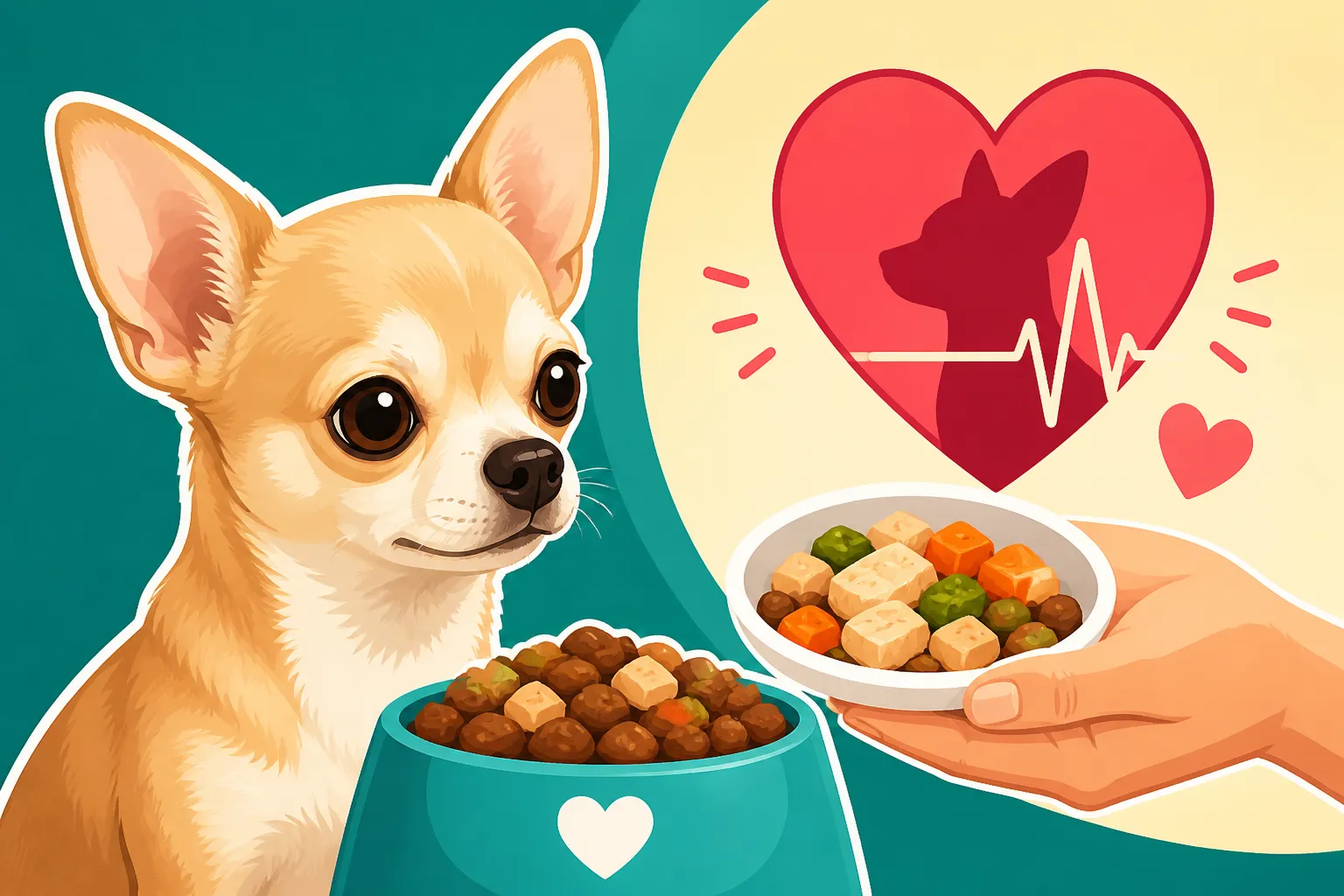
For many Chihuahuas with diagnosed heart disease, especially those in more advanced stages, a veterinary prescription diet formulated specifically for cardiac health is the gold standard. Brands like Royal Canin and Hill's offer prescription cardiac diets that are carefully balanced for restricted sodium, controlled phosphorus, and appropriate protein levels. These diets have undergone rigorous testing to ensure they meet the specific nutritional needs of dogs with heart conditions.
Your veterinarian will be able to recommend the specific formula that best suits your Chihuahua's stage of heart disease. These foods are designed to be complete and balanced, meaning you generally won't need to add supplements (unless specifically advised by your vet). They are often available through your vet's office or can be ordered online through reputable pet supply retailers like Chewy, once you have your vet's prescription. Using these foods takes a lot of the guesswork out of nutrient balancing, which is incredibly valuable when managing a serious condition.
Commercial Low-Sodium Options
If your Chihuahua is in a very early stage of heart disease, or if a prescription diet isn't immediately feasible for some reason, your vet might suggest looking for over-the-counter commercial foods that are naturally lower in sodium. This requires much more careful label reading and a strong understanding of what "low sodium" truly means for a dog with heart disease. There isn't a standardized definition across all commercial pet foods, so what one brand considers low, another might not.
Look for foods specifically marketed for "cardiac health" or "senior support," as these sometimes have reduced sodium levels, but always check the guaranteed analysis. Even then, compare it to your vet's specific recommendations for sodium content per 100 kcal or on a dry matter basis. You'll also want to ensure the protein and phosphorus levels are suitable. This route generally requires more vigilance and frequent discussions with your vet to ensure the diet is truly adequate. Always err on the side of caution and consult your vet before making any substitutions for a prescription diet.
Fresh or Home-Cooked Considerations
Many owners are drawn to fresh or home-cooked diets, believing them to be healthier and more natural. While fresh food can be wonderful for many dogs, pursuing this for a Chihuahua with heart disease is incredibly complex and comes with significant challenges. The precision required for sodium, potassium, and phosphorus balance in a heart-healthy diet is almost impossible to achieve accurately without the guidance of a board-certified veterinary nutritionist. Just a slight miscalculation can be detrimental.
If you are committed to a fresh or home-cooked approach, you must work with a veterinary nutritionist who can formulate a custom recipe tailored to your Chihuahua's exact needs and stage of heart disease. Generic recipes found online are almost certainly not appropriate. Services like Ollie offer fresh, pre-portioned meals, but even these general formulations would need careful review and potentially adjustment by a specialist to be truly heart-safe. The nutritionist will provide you with a specific ingredient list and preparation instructions, often including added supplements to ensure nutritional completeness. Without expert guidance, you risk creating nutrient deficiencies or imbalances that could worsen your Chihuahua's condition.
Reading Food Labels Carefully
Whether you're looking at commercial options or just double-checking a prescription diet, knowing how to read a pet food label is crucial. It's not just about the "guaranteed analysis" (protein, fat, fiber). For heart disease, you need to dig deeper. Look at the ingredient list for hidden sodium sources. Pay attention to the "as fed" sodium content, but even better, ask your vet or look for information on the sodium content on a "dry matter basis" or "per 100 kcal," as this offers a more accurate comparison across different food types (kibble vs. wet).
Manufacturers don't always make these figures easy to find on the bag itself, so you might need to visit the brand's website or ask your vet for specific nutrient profiles. Understanding the "ash" content can also give you a clue about mineral levels like phosphorus, though it's not a direct measurement. Don't be afraid to ask your vet for help interpreting these labels. This meticulous approach is vital because even small amounts of excess sodium can add up quickly in a tiny Chihuahua.
Here's a quick comparison of general food categories for a Chihuahua with heart disease:
| Food Type | Pros | Cons | Best For |
|---|---|---|---|
| Prescription Cardiac Diet | Precisely formulated for heart health (sodium, protein, phosphorus); complete & balanced; vet-backed. | Requires vet prescription; can be pricier; limited flavor options. | Most Chihuahuas with diagnosed heart disease, especially moderate to advanced stages where precise nutrient control is critical. |
| Commercial Low-Sodium | More accessible without prescription (sometimes); wider variety than prescription. | "Low sodium" not consistently defined; may not be precisely balanced for all heart conditions; requires diligent label reading. | Chihuahuas in very early stages of heart disease where modest sodium reduction is recommended, or as a temporary measure under strict vet guidance. Not ideal for advanced stages without specific vet oversight and analysis. |
| Fresh/Home-Cooked | Perceived as more natural; appealing to picky eaters; full control over ingredients. | Extremely difficult to balance nutrients precisely for heart disease; high risk of deficiencies/excesses without expert help; time-consuming. | Only suitable if working directly with a board-certified veterinary nutritionist to create a custom, balanced recipe specifically for your Chihuahua's heart condition. Never attempt without expert guidance due to the extreme sensitivity of heart disease management. |
Managing Meals and Hydration for Heart Health
Beyond what you feed your Chihuahua, how and when you feed them, along with careful attention to their hydration, play a significant role in managing heart disease. Small changes in routine can make a big difference in their comfort and overall health.
Smaller, More Frequent Meals
Instead of one or two large meals a day, consider breaking your Chihuahua's daily food allowance into three to four smaller meals. This approach has several benefits for a dog with heart disease. Firstly, it prevents the digestive system from being overloaded, which can be less taxing on the body as a whole. A large meal can sometimes cause a temporary increase in blood pressure or heart rate as the body works to digest it. Three Small Meals a Day for a Chihuahua is often a good strategy.
Secondly, for Chihuahuas, who are prone to Chihuahua Hypoglycemia and the Puppy Emergency even as adults if they go too long without food, frequent meals help maintain stable blood sugar levels. This is especially important if heart medication affects appetite or energy. Regular, small meals can also make the food more appealing to a Chihuahua whose appetite might be waning due to illness or medication side effects. For example, if your vet recommends 150 calories a day, divide that into three 50-calorie portions given throughout the day, perhaps at breakfast, lunch, and dinner, and sometimes a tiny snack before bed, which helps with Feeding a Chihuahua Before Bed to Hold Blood Sugar. You can use timed feeders, easily found on Amazon, to help manage these smaller, consistent portions if you're not home all day.
Encouraging Water Intake and Monitoring
Hydration is always important, but for a Chihuahua with heart disease, it's a delicate balance. On one hand, maintaining good hydration is crucial for kidney function and overall health. On the other hand, in cases of congestive heart failure, fluid retention is a problem, and sometimes veterinarians might recommend a slight restriction on water intake or closely monitor it in conjunction with diuretic medications. This is not a blanket recommendation to restrict water, but rather to be aware of the interplay.
Always follow your vet's specific advice on water. Generally, you want to ensure your Chihuahua has constant access to fresh, clean water. You can encourage drinking by offering multiple water bowls around the house, ensuring they're clean, and perhaps adding a tiny splash of low-sodium broth (check with your vet first!) to make it more enticing. Monitor how much your Chihuahua is drinking – sudden increases or decreases can be important signs of changes in their condition and should be reported to your vet. Keep an eye on urination frequency and volume as well.
Monitoring Appetite and Weight Changes
Changes in appetite are common with heart disease, especially as the condition progresses or with certain medications. Some days your Chihuahua might eat well, other days they might be reluctant. It’s important to track their food intake and notify your vet if you notice a significant or prolonged decrease in appetite. Anorexia can lead to dangerous weight loss and muscle wasting.
Weigh your Chihuahua regularly, perhaps once a week, at home on a sensitive scale. Even slight weight fluctuations can indicate fluid retention or muscle loss. A sudden increase in weight could mean fluid buildup, while a gradual decrease might indicate muscle wasting or insufficient calorie intake. Keep a log of their weight, appetite, and any coughing or breathing changes to share with your vet. This meticulous record-keeping provides valuable data that helps your vet adjust medication or diet as needed. Senior Chihuahua Care Past the Age of Twelve often involves this level of detailed monitoring.
Supplements and Treats for a Chihuahua with Heart Disease
When your Chihuahua has heart disease, the world of supplements and treats suddenly becomes a minefield. What's safe? What's harmful? It’s crucial to understand that even seemingly innocuous additions to their diet can have a significant impact.
Safe Treats and Snack Alternatives
Finding safe treats can feel restrictive, but it’s not impossible! The golden rule here is low sodium. Many commercial dog treats are surprisingly high in salt, so you'll need to read labels diligently. Opt for treats specifically designed for sensitive stomachs or those with very few ingredients. Single-ingredient dehydrated meats (like plain chicken breast or liver, made without added salt) can be good choices, as can small pieces of certain fruits and vegetables like apple (no seeds), carrot, or green beans. Always ensure these are given in tiny portions, broken down for a Chihuahua's small mouth, and factored into their daily calorie count.
If your Chihuahua is on a prescription cardiac diet, often the best "treat" is a few pieces of their regular kibble from their daily allowance. This ensures they're not getting any hidden sodium or other contraindicated ingredients. You can also explore specific low-sodium dental chews, but again, check with your vet first, as some may still be too high in sodium or calories. Remember that a few pieces of carrot are far safer than a bite of cheese or a piece of human deli meat.
Harmful Ingredients to Avoid
This is where vigilance really pays off. Beyond high sodium, there are several ingredients that can be problematic for a Chihuahua with heart disease:
- Excessive Phosphorus: While important for bone health, too much phosphorus can be detrimental to kidney function, which is often compromised in dogs with advanced heart disease. Avoid foods very high in phosphorus, often found in some meat-heavy raw diets or specific bone-containing treats.
- Excessive Protein: Similar to phosphorus, while protein is essential, overly high protein diets might be stressful on the kidneys. Stick to moderate, high-quality protein as recommended by your vet.
- High-Fat Foods: Fatty foods can contribute to obesity and may exacerbate certain heart conditions or lead to other issues like pancreatitis. Avoid rich human foods like bacon grease, fried items, or excessive fatty meat trimmings.
- Caffeine and Theobromine (Chocolate): These are absolute no-nos for any dog, but particularly dangerous for a Chihuahua with a compromised heart. They can cause heart arrhythmias and significant cardiac distress.
- Onions, Garlic, Xylitol: These are toxic to dogs and can cause a range of severe health problems, including red blood cell damage (onions/garlic) or dangerous blood sugar drops and liver failure (xylitol). Even small amounts can be devastating for a tiny Chihuahua.
- Avocado: While the fleshy part of the avocado is generally considered safe for dogs in small amounts, some sources warn about persin, a toxin found in the pit, skin, and leaves, which can be problematic in high doses. For a heart patient, it’s best to avoid any potential risks.
Always double-check any new food item or treat with your vet. When ordering new foods or specific treats, places like Chewy or Amazon allow you to filter by ingredient, which can be helpful, but nothing replaces veterinary guidance.
Vet-Approved Supplements
The general rule for supplements is: if your Chihuahua is on a complete and balanced prescription cardiac diet, additional supplements are usually not necessary unless specifically prescribed by your vet. Adding unapproved supplements can throw off the carefully balanced nutrient profile of their diet or even interact negatively with their heart medications.
However, in some cases, your vet might recommend specific supplements. These might include:
- Omega-3 Fatty Acids (Fish Oil): These can have anti-inflammatory effects and may support cardiovascular health. The dose for a small Chihuahua needs to be precise, as large doses can cause digestive upset or other issues.
- L-Carnitine and Taurine: These amino acids are sometimes prescribed, particularly if there is a concern about dilated cardiomyopathy (DCM) or if the dog is on a diet that might be low in these. However, this is quite rare for Chihuahuas as DCM is less common than other forms of heart disease like Mitral Valve Disease in an Older Chihuahua.
- Coenzyme Q10 (CoQ10): Some anecdotal evidence suggests it may support heart health, but scientific evidence in dogs with heart disease is not conclusive.
Crucially, never start any supplement without your veterinarian's explicit approval and dosage instructions. They know your Chihuahua's specific condition and medications and can advise whether a supplement is safe and potentially beneficial. What works for one dog might be harmful to another, and this is especially true for dogs with complex medical conditions like heart disease. Your vet is your best resource for guiding these important decisions.
Disclaimer
This article is for general informational purposes only and does not constitute professional advice. Laws, prices and regulations vary by location and change over time. Consult a qualified professional for guidance on your specific situation.