How Much Exercise a Chihuahua Actually Needs
One of the biggest misconceptions about Chihuahuas is that because they are tiny, they don't really need much exercise. Many new Chihuahua parents assume their little companion will be perfectly happy just being carried everywhere or lounging on the sofa all day. However, this often leads to a whole host of problems, from destructive behaviors and excessive barking to weight gain and even joint issues down the line. This guide is here to shed light on how much exercise your pint-sized pal truly needs to stay happy, healthy, and well-behaved, proving that these little dynamos are far from mere lap warmers.
Beyond the Lapdog Stereotype: Why Chihuahuas Need to Move
It's easy to look at a Chihuahua, particularly one curled up adorably in a blanket, and think they're designed for a sedentary life. But beneath that small exterior beats the heart of a spirited dog, often with a surprising amount of energy and a strong desire to explore and engage with the world. Ignoring these natural instincts can lead to issues that are often mislabeled as "typical Chihuahua behavior" but are actually symptoms of insufficient physical and mental stimulation.
The Myth of the Couch Potato Chihuahua
Let's be real: Chihuahuas love to cuddle. They adore being close to their people, burrowing under blankets, and soaking up all the warmth and attention they can get. This endearing quality often convinces owners that their Chihuahua is perfectly content without much activity. However, even the most dedicated snuggle-bug has an innate need for movement. Imagine if you loved reading, but were never allowed to leave your house. You might tolerate it, but eventually, you'd start pacing, getting restless, and probably chewing on the furniture (metaphorically, of course!).
Chihuahuas, despite their small stature, were originally bred for their alertness and tenacity. They weren't just decorative ornaments. Many still retain a surprising amount of that robust spirit. When they don't get outlets for their energy, that energy doesn't just disappear; it manifests in ways you might not appreciate. This isn't small dog syndrome; it's a lack of appropriate physical and mental stimulation. Think of how a larger dog needs a daily walk to burn off steam; a Chihuahua has that same need, just on a smaller scale.
Consequences of Under-Exercising Your Tiny Friend
When a Chihuahua doesn't get enough exercise, several problems can emerge, impacting both their physical and mental well-being.
- Behavioral Issues: An under-exercised Chihuahua can become restless, destructive, or even more prone to excessive barking. They might chew on inappropriate items, dig at carpets, or pace around the house because they have pent-up energy with nowhere to go. This isn't them being "naughty"; it's a cry for an outlet. Some Chihuahuas might even develop heightened anxiety or Chihuahua Fear Reactivity, the Breed's Real Problem if they're not given confident, controlled exposure to the world through walks and exploration.
- Weight Gain: Obesity is a significant problem for Chihuahuas. Even an extra half-pound on a five-pound dog is a huge percentage of their body weight. Overweight Chihuahuas are at higher risk for conditions like Chihuahua Arthritis in the Teenage Years, Patellar Luxation, the Chihuahua's Commonest Joint Problem, and even heart issues. Because their caloric needs are so low – around Daily Calories for a Three to Seven Pound Chihuahua – it's easy for them to pack on pounds if they're not moving enough and their food isn't carefully measured.
- Muscle Weakness and Joint Problems: Regular, appropriate exercise helps maintain muscle tone, which is crucial for supporting delicate joints, especially in a breed prone to knee issues. Without it, muscles can weaken, making conditions like luxating patellas more likely to cause pain or require intervention. Keeping those little legs moving is essential for long-term joint health.
- Lack of Mental Stimulation: Exercise isn't just about physical exertion; it's also about mental engagement. Exploring new sights, sounds, and smells on a walk, or figuring out a puzzle toy, provides invaluable mental enrichment. Without this, Chihuahuas can become bored, withdrawn, or develop compulsive behaviors.
Tailoring Exercise to Your Chihuahua's Personality and Health
Just like people, not all Chihuahuas are created equal when it comes to their energy levels. Some are perpetual motion machines, ready for adventure at a moment's notice, while others prefer a more leisurely pace. Understanding your individual Chihuahua's needs and factoring in their age and any health considerations is key to creating an exercise routine that works for them.
Age and Activity Levels
A Chihuahua's exercise needs change throughout their life.
- Puppies (8 weeks – 6 months): These little bundles of joy have bursts of energy followed by long naps. Short, frequent play sessions are perfect – think 5-10 minutes a few times a day. Too much strenuous activity can be harmful to developing joints. Focus on gentle play, exploring safe environments, and very short walks once fully vaccinated. Remember, Chihuahua Hypoglycemia and the Puppy Emergency is a real risk, so don't overdo it, and always have emergency sugar on hand.
- Adults (6 months – 8 years): This is typically when Chihuahuas are at their most energetic. Most healthy adult Chihuahuas will benefit from 20-30 minutes of dedicated exercise daily, broken into one or two sessions. This could be a brisk walk, a good game of fetch in the yard, or active playtime indoors. Some might enjoy longer walks, while others are content with shorter, more frequent outings.
- Seniors (8+ years): As Chihuahuas age, their energy levels naturally decline. They might be more prone to Chihuahua Arthritis in the Teenage Years or Mitral Valve Disease in an Older Chihuahua. Exercise should become gentler and shorter, but still consistent. Multiple short walks (5-10 minutes) throughout the day are often better than one long one. Focus on keeping them moving gently to maintain muscle mass and joint flexibility without overexertion. Watch for signs of fatigue, lameness, or increased coughing if they have a heart condition. Senior Chihuahua Care Past the Age of Twelve is all about adjusting to these changes.
Health Considerations and Environmental Factors
Certain health conditions or environmental situations require careful adjustments to your Chihuahua's exercise routine.
- Patellar Luxation: This common knee problem in Chihuahuas means their kneecap can slip out of place. While surgery is sometimes necessary for severe cases, strengthening the muscles around the knee through controlled exercise can often help manage milder grades. Avoid high-impact activities like jumping off furniture (use ramps instead, readily available on Amazon or Chewy), and stick to consistent, low-impact walks. If your Chihuahua has The Skipping Gait That Signals a Chihuahua Knee, consult your vet for guidance.
- Collapsing Trachea: Chihuahuas are prone to a Collapsing Trachea and the Chihuahua Honking Cough, a condition where their windpipe weakens. Overexertion, excitement, or pulling on a collar can trigger coughing fits. For these dogs, a harness is absolutely essential – never a collar for walks. Look for well-fitting harnesses on Chewy that distribute pressure across the chest, not the throat. Exercise should be kept calm and controlled, avoiding situations that induce heavy panting or coughing. Exercise for a Chihuahua With a Collapsing Trachea will need careful monitoring.
- Heart Disease: As Chihuahuas age, heart conditions like mitral valve disease can become a concern. If your vet has diagnosed heart disease, they will guide you on appropriate exercise levels. Often, it means shorter, less intense activity. Watch for increased coughing, especially at night, or quick tiring.
- Weather Sensitivity: Chihuahuas are notoriously susceptible to cold due to their small size and thin body fat. In winter, they need sweaters or coats to stay warm on walks. Conversely, their tiny bodies can overheat quickly in hot weather. Avoid walking during the hottest parts of the day, and always ensure access to fresh water. Never leave a Chihuahua unattended in a car, even on mild days. Chihuahua Clothing and Cold Weather Gear is more than just a fashion statement; it's a necessity.
Creative Ways to Keep Your Chihuahua Active Indoors and Out
Exercise doesn't always have to mean long hikes or intense running. For Chihuahuas, a mix of controlled outdoor activity and engaging indoor play can provide all the physical and mental stimulation they need. The key is variety and making it fun!
Outdoor Adventures for Small Legs
Even short outdoor excursions can be packed with enrichment for a Chihuahua.
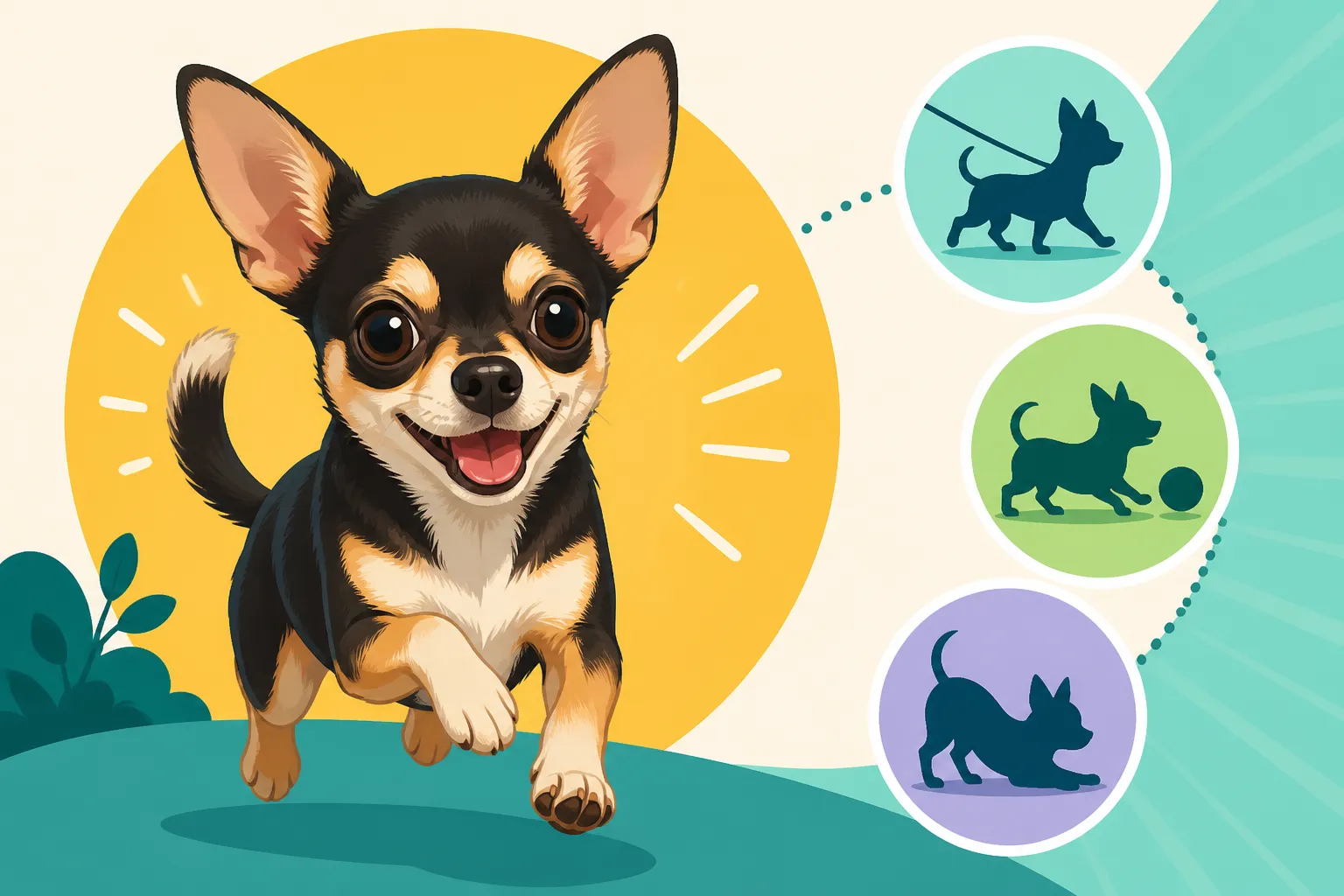
- Daily Walks (or Sniffs!): Aim for at least 20-30 minutes of walking spread throughout the day, weather permitting. These don't have to be continuous, intense jogs. For a Chihuahua, a "walk" is often more about sniffing and exploring. Let them investigate interesting smells. This mental engagement is just as tiring as physical exertion. Choose a secure, quiet area if your dog is reactive. Remember, a properly fitted harness is crucial to protect their delicate necks and tracheas.
- Yard Time: If you have a secure yard, supervised playtime can be a great option. Fetching a small ball or chasing bubbles can provide short bursts of high-energy fun. However, never leave a Chihuahua unsupervised, as they can be prey to hawks, coyotes, or even larger neighborhood dogs. A Chihuahua That Will Not Walk on a Leash can still get plenty of exercise in a safe, fenced space.
- Exploring New Environments: Periodically take your Chihuahua to new, dog-friendly locations like a quiet park, a pet store, or a friend's backyard. The new sights, sounds, and smells offer incredible mental stimulation and help build their confidence. Just be sure to keep them on a leash or in a carrier where appropriate, and always be aware of larger dogs.
Indoor Games and Mental Stimulation
On days when the weather is bad, or if your Chihuahua has health limitations, indoor activities are paramount.
- Indoor Fetch: You don't need a huge house for a game of indoor fetch. Use a soft, lightweight toy and toss it down a hallway or across a living room. Even a few repetitions can burn energy. Indoor Games for a Chihuahua can be incredibly effective.
- Hide-and-Seek: Hide treats (small, low-calorie ones, perhaps from Ollie's healthy options, broken into tiny pieces) or a favorite toy and encourage your Chihuahua to find them. This engages their nose and brain, providing excellent mental exercise. Start easy and gradually make it more challenging.
- Puzzle Toys: Investing in a few puzzle toys or snuffle mats is a game-changer. These require your Chihuahua to use their brain to figure out how to get a treat, turning mealtime or snack time into an enriching activity. Look for durable, appropriately sized options on Chewy or Amazon.
- Training Sessions: Five to ten-minute training sessions, practicing basic obedience or even fun tricks, are fantastic mental workouts. Learning new things tires out their brains and strengthens your bond. Marker Training a Chihuahua From Eight Weeks can start this early and build a strong foundation. Even an older Chihuahua can learn new tricks.
- Ramps and Steps: To protect your Chihuahua's joints from constant jumping off furniture, consider investing in ramps or steps for beds and sofas. This allows them to safely get on and off without injury, and the act of walking up and down provides a gentle form of exercise. Ramps for a Chihuahua Bed and Sofa are a great investment.
Monitoring Your Chihuahua's Exercise for Safety
While exercise is vital, it's equally important to ensure your Chihuahua is exercising safely and not overdoing it. Because they are so small, Chihuahuas can become exhausted or injured more quickly than larger breeds. Paying close attention to their body language and physical cues is essential.
Recognizing Signs of Fatigue or Overexertion
Your Chihuahua can't tell you in words when they're tired or in pain, so you need to be their advocate.
- Excessive Panting: While some panting is normal during exercise, excessive, heavy, or labored panting, especially if prolonged after stopping activity, is a sign of overexertion or overheating.
- Lagging Behind or Refusing to Move: If your Chihuahua starts lagging on a walk or outright stops and refuses to budge, they're telling you they've had enough. Don't force them to continue.
- Limping or Favoring a Leg: This is a clear sign of pain or injury, especially if they are prone to A Chihuahua That Cries Out and Then Walks On due to patellar luxation. Stop activity immediately and check their paw pads and legs. If the limping persists, consult your vet.
- Trembling or Shivering: While Chihuahuas can shiver from fear or cold, trembling during or after exercise can also indicate exhaustion, low blood sugar (especially in puppies), or stress.
- Change in Body Language: A dog that normally holds its tail high but now has it tucked low, or is constantly looking to you for reassurance, might be stressed or tired.
Essential Gear and Safety Measures
Having the right gear and following basic safety protocols will make exercise safer and more enjoyable for your Chihuahua.
| Item | Purpose | Importance |
|---|---|---|
| Harness (not collar) | Distributes pressure across chest, protects trachea and neck. | Critical for preventing injury to the delicate windpipe, especially for dogs with Collapsing Trachea in a Chihuahua and Its Triggers. |
| Leash | Keeps your Chihuahua safe and under control. | Prevents them from running into danger, getting lost, or encountering aggressive dogs. |
| Weather-Appropriate Clothing | Sweaters, coats, and even boots (in extreme cold). | Keeps Chihuahuas warm in cold weather and protects delicate paw pads from ice melt or hot pavement. |
| Portable Water Bottle/Bowl | Essential for hydration, especially on longer walks or warm days. | Prevents dehydration and overheating, crucial for their small size. |
| ID Tag and Microchip | Identifies your dog if they get lost. | A lost Chihuahua is easily overlooked. Ensures they can be returned to you. |
| Carrier/Bag | For safe transport in busy areas or when they get tired. | Allows you to carry your Chihuahua when they've had enough walking or in situations where they might be stepped on. |
Always carry your Chihuahua's vaccine records or proof of rabies on walks in case of an incident. Be mindful of your surroundings – loose, larger dogs can be a significant threat. If you're walking in an urban area, a sturdy carrier or dog sling is excellent for when your Chihuahua gets tired or if you encounter situations that could overwhelm them. Regular vet check-ups are also crucial to ensure your Chihuahua is fit for their activity level and to catch any underlying health issues early. Remember, a small dog still needs serious consideration when it comes to their fitness and well-being, and providing proper exercise is one of the best ways to ensure a long, healthy life for your beloved companion.
Disclaimer
This article is for general informational purposes only and does not constitute professional advice. Laws, prices and regulations vary by location and change over time. Consult a qualified professional for guidance on your specific situation.