Weaning a Chihuahua Puppy
Bringing a tiny Chihuahua puppy home is an exciting time, but the journey to get there involves many crucial developmental stages, one of the most vital being weaning. This transition from mother's milk to solid food can be a tricky tightrope walk for such a delicate breed, where even small missteps can lead to serious health concerns like hypoglycemia. This guide will walk you through the process of weaning a Chihuahua puppy, helping you understand the timeline, the best approaches, and how to keep these little ones safe and thriving as they grow.
Understanding the Weaning Process for Chihuahua Puppies
Weaning isn't just about switching from one food source to another; it's a fundamental developmental milestone that prepares a Chihuahua puppy for independence. It's a gradual journey that requires patience, observation, and a deep understanding of the unique needs of these tiny creatures. For Chihuahuas, with their notoriously small size and rapid metabolism, this period can be particularly delicate, demanding extra vigilance from breeders and new owners alike.
When Does Weaning Typically Begin?
For most Chihuahua puppies, the weaning process usually starts around three to four weeks of age. At this point, their eyes and ears are fully open, they're starting to explore their surroundings with more confidence, and their tiny needle teeth are beginning to emerge. This eruption of teeth is often the mother's subtle cue to begin discouraging nursing, as those sharp little nips can become uncomfortable for her. You might notice the mother dog spending a bit less time in the whelping box, or she might stand up more often during nursing sessions, gently nudging her puppies away. These are all natural signals that the time is right to introduce solid food.
It's important not to rush this process, but also not to delay it too long. Starting too early can overwhelm the puppy's digestive system, which is still quite immature, and deny them crucial antibodies from their mother's milk. Delaying too long, however, can make the transition harder, as puppies might become overly reliant on their mother's milk and less willing to try new textures and tastes. Observing the puppies' behavior and the mother's cues will guide you to the perfect timing.
Why Weaning is Different for Such Small Puppies
Chihuahua puppies, by virtue of their diminutive size, face unique challenges during weaning that larger breeds don't experience to the same degree. Their tiny mouths and delicate digestive systems mean that the consistency and temperature of their first foods are paramount. What might be an acceptable gruel for a Labrador puppy could be too thick or too chunky for a Chihuahua, posing a choking risk or simply being too difficult for them to lap up.
The most significant concern for Chihuahua puppies during weaning is the risk of Chihuahua Hypoglycemia in the First Twelve Weeks. Their small bodies have very limited reserves of fat and glycogen, which are crucial for maintaining stable blood sugar levels. When they stop nursing as frequently, or if they don't consume enough solid food, their blood sugar can drop dangerously low, leading to lethargy, weakness, and even seizures. This is why careful monitoring of their food intake and energy levels is non-negotiable throughout the weaning period. You'll want to ensure they're always getting Small Frequent Meals Against Chihuahua Hypoglycemia to keep those blood sugar levels steady.
Step-by-Step Guide to Introducing Solids
Introducing solid foods to Chihuahua puppies is a gentle art. It's not about forcing them to eat, but rather enticing them with palatable options that are easy to digest and safe for their tiny frames. The goal is to make the experience positive and gradual, building their confidence with new foods while ensuring they remain well-nourished.
Choosing the Right First Foods
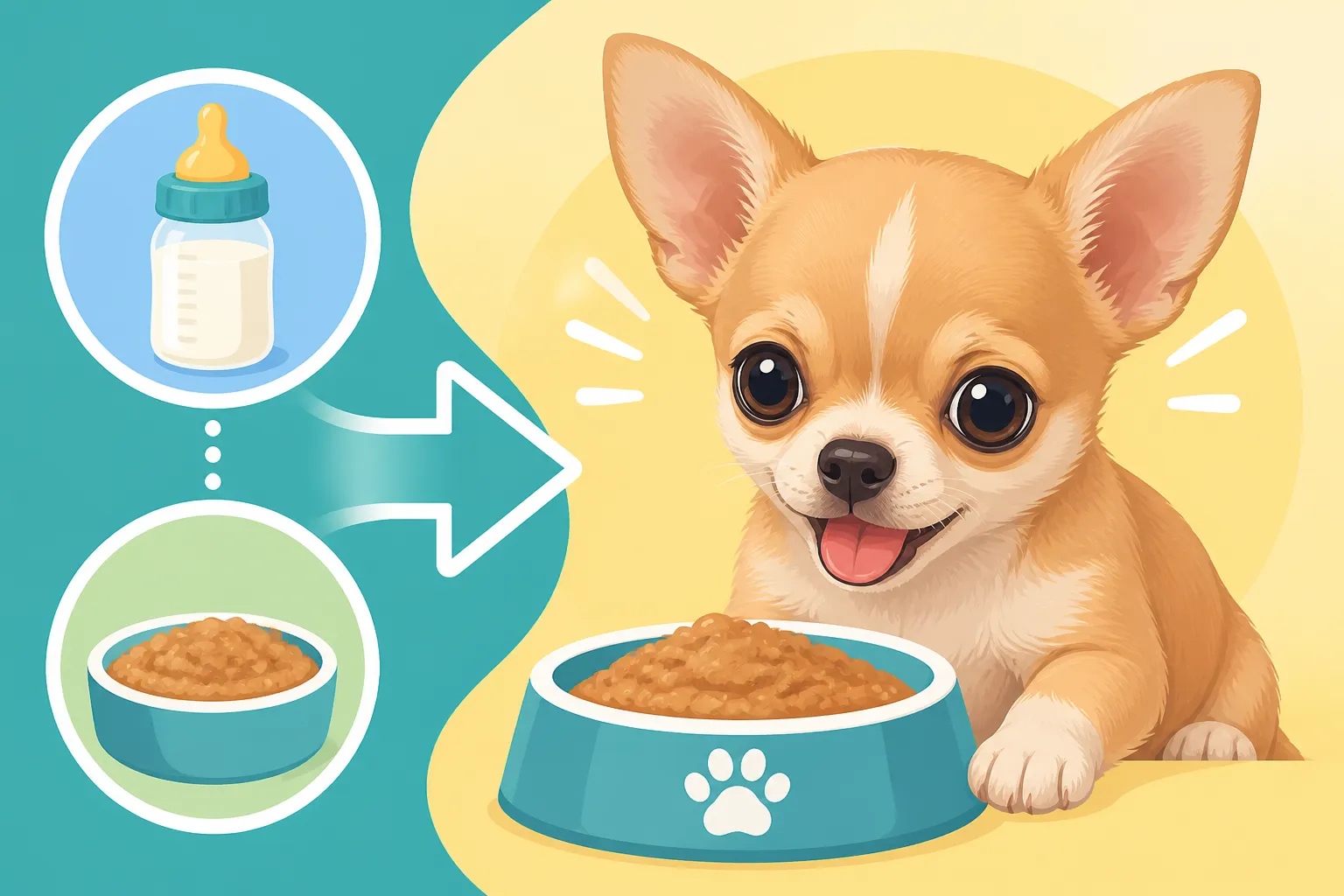
When you first introduce solid food, think "pudding consistency." You want something extremely soft, smooth, and easy for them to lap up without much chewing. A common and effective starting point is a high-quality puppy kibble softened with warm water or puppy milk replacer. Avoid cow's milk, as many puppies are lactose intolerant. For brands, you could look for reputable options available on Chewy that cater to small breed puppies, as these often have appropriately sized kibble even before softening.
Here's a breakdown of good first food characteristics:
- Consistency: Like a thick soup or baby food. Runny enough to lap easily, but thick enough to provide substance.
- Temperature: Lukewarm. Never hot, never cold from the fridge. Warm food is more appealing and easier on their digestive systems.
- Nutrient Density: Choose a puppy formula specifically designed for growth. These are packed with the calories and nutrients a rapidly growing Chihuahua puppy needs.
- Ingredients: Look for easily digestible proteins and avoid excessive fillers. Simple is often best for their sensitive tummies.
Some owners also opt for fresh food options, which can be excellent, provided they are balanced for puppies. Brands like Ollie offer fresh, human-grade food that can be pureed or mashed to the right consistency. Always check with your vet or breeder for recommendations and to ensure any chosen food meets the nutritional needs of growing puppies.
Making the Transition Smooth
Start with very small amounts, offering the gruel two to three times a day. Place a shallow, flat dish in the whelping area, separate from their sleeping space. At first, the puppies might just walk through it, play in it, or ignore it completely. This is normal! Gently dip a finger into the gruel and let a puppy lick it off, or even dab a tiny bit on their lips. The goal is to introduce the taste and texture. Consistency is key here; offer it at the same times each day so they begin to associate the dish with food.
As the days progress and puppies show more interest, you can gradually increase the amount of food and slightly decrease the amount of water or milk replacer, making the gruel a bit thicker. This slow transition helps their digestive systems adapt and encourages them to start using their emerging teeth. This progressive thickening is crucial before they move onto Kibble Small Enough for a Chihuahua Mouth. Remember, it’s a marathon, not a sprint. The mother dog will still be nursing during this initial phase, acting as a nutritional backup and a comfort. She naturally reduces her nursing frequency as the puppies become more adept at eating solids.
Encouraging Reluctant Eaters
Sometimes, a Chihuahua puppy might be hesitant to try solid food. This could be due to attachment to the mother's milk, a preference for a different texture, or simply being a bit slower to adapt. Don't despair! There are a few tricks you can try:
- Warm it up: As mentioned, lukewarm food is far more enticing. A quick zap in the microwave (stir well to avoid hot spots!) or mixing with warm water can make a big difference.
- Hand-feeding: Gently offer a tiny bit on your finger. Sometimes the human touch provides enough comfort and encouragement for them to try.
- Make it a game: Let them explore the food with their paws a bit (supervise to prevent excessive mess and ensure they don't get too chilled). The novelty might pique their interest.
- Introduce variety (carefully): If they absolutely refuse one type of kibble, try a different brand or a small amount of pureed cooked chicken or pumpkin mixed in, but only if approved by a vet to ensure it's puppy-safe.
- Ensure comfort: Make sure the feeding area is quiet, warm, and free from distractions. Low Body Temperature in a Chihuahua Puppy can suppress appetite.
If a puppy consistently refuses to eat solids for more than a few meals, or shows any signs of lethargy, trembling, or disorientation, it's an emergency. Contact your vet immediately, as these are classic signs of hypoglycemia. You might need to administer Emergency Sugar for a Collapsing Chihuahua Puppy while en route to the clinic.
Navigating Common Weaning Challenges
Even with the best intentions, weaning can present a few hurdles. Being prepared for these common issues will help you address them quickly and keep your Chihuahua puppies on a healthy path. The delicate nature of these tiny dogs means that what might be a minor inconvenience for a larger breed can be a significant health risk for a Chihuahua.
Preventing Hypoglycemia During Weaning
Hypoglycemia is perhaps the most serious concern during Chihuahua puppy weaning. Their tiny bodies don't store much glucose, so consistent caloric intake is paramount. As they shift from the constant supply of mother's milk to scheduled solid meals, there's a window where their blood sugar can dip. To prevent this:
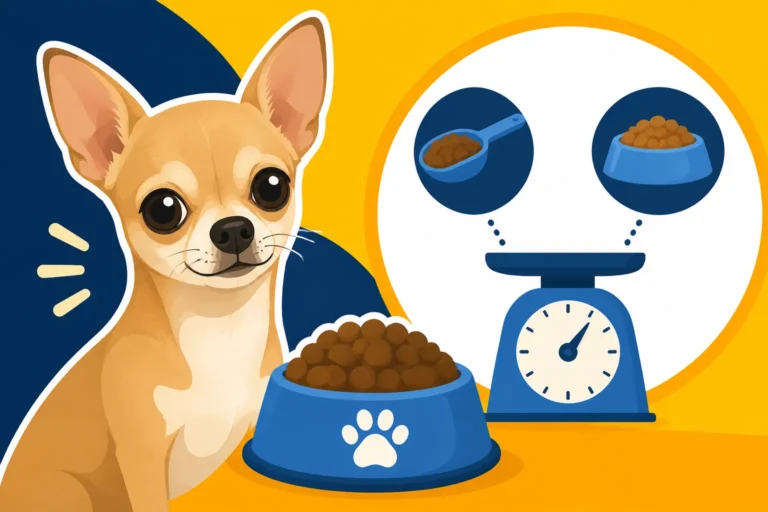
- Frequent Meals: Continue to offer food regularly, even after the mother starts to nurse less. Four Meals a Day for a Chihuahua Puppy is a good starting point, possibly more if a puppy seems particularly small or slow to eat. The goal is to make sure their stomachs are never empty for too long.
- Monitor Intake: Watch each puppy carefully to ensure they are actually consuming the food, not just playing in it. Some puppies are more enthusiastic eaters than others.
- Keep Them Warm: Why Cold and Stress Drop Chihuahua Blood Sugar is a critical piece of knowledge for Chihuahua owners. Cold temperatures force their bodies to burn more calories to stay warm, depleting glucose reserves. Ensure their whelping area remains consistently warm, ideally between 75-80°F (24-27°C).
- Glucose Gel: Always have glucose gel or corn syrup on hand. If a puppy seems lethargic or wobbly, a quick dab on the gums can be life-saving. Your vet can advise on the proper application and dosage.
If you are a new owner, the breeder should have provided you with The Feeding Schedule a Chihuahua Breeder Sends Home. Adhering to this, especially in the first few weeks, is vital for maintaining healthy blood sugar levels.
Dealing with Digestive Upset
New foods can sometimes cause an upset stomach in puppies, leading to loose stools or diarrhea. While a little change in stool consistency might be normal, persistent diarrhea can quickly lead to dehydration, which is very dangerous for tiny Chihuahuas.
- Gradual Changes: Introduce new foods very slowly. If you're switching kibble types, do it over several days, mixing increasing amounts of the new food with decreasing amounts of the old.
- Monitor Stools: Keep a close eye on the puppies' stools. Any signs of severe diarrhea, blood, or black, tarry stools warrant an immediate vet visit.
- Hydration: Ensure constant access to fresh water. You might even consider offering unflavored pediatric electrolyte solution in a shallow dish if directed by your vet.
- Bland Diet (Vet Approved): If mild digestive upset occurs, your vet might recommend a temporary bland diet, such as boiled chicken and rice, in very small, frequent portions. This is a temporary measure to settle their stomachs.
Managing the Mother Dog's Role
The mother dog plays an integral role throughout weaning, not just providing milk but also teaching her puppies appropriate eating behaviors and boundaries. While you're introducing solids, she will naturally start to distance herself from nursing.
- Separate Feeding: Feed the puppies their gruel in an area where the mother can't eat it all herself, but where she can still observe. You can give her her own meal simultaneously in another area.
- Gradual Separation: As puppies rely more on solids, the mother will naturally reduce nursing time. You might start allowing her short breaks away from the puppies during the day. This also helps her avoid mastitis (inflammation of the mammary glands).
- Support Her: Ensure the mother dog continues to receive a high-quality, nutrient-dense diet throughout weaning, as she's still expending a lot of energy caring for her litter.
It's a beautiful process to watch the mother guide her puppies towards independence, gently yet firmly. She's teaching them life skills that go beyond just nutrition.
The Importance of Continued Monitoring and Care
Weaning isn't a finish line; it's a critical bridge to a puppy's full independence. Once the puppies are fully transitioned to solid food, the next phase of care begins, focusing on establishing healthy eating habits, consistent growth, and continued vigilance for any health concerns. For Chihuahuas, this ongoing monitoring is just as important as the initial weaning process.
Post-Weaning Diet and Schedule
After successful weaning, typically by 6-8 weeks of age, your Chihuahua puppies should be eating solid puppy food exclusively. They should still be fed frequently – think three to four meals a day. Remember, What a Chihuahua Puppy Weighs at Twelve Weeks is often still very small, and their tiny stomachs can't hold a lot of food at once, so frequent, smaller meals are much better than one or two large ones.
Here's a sample post-weaning feeding schedule guideline:
| Age (Weeks) | Meals Per Day | Food Type | Consistency | Key Focus |
|---|---|---|---|---|
| 3-4 | 2-3 (Gruel) | Puppy kibble softened with water/milk replacer | Thin gruel, soup-like | Introduction, licking, mother still nursing |
| 4-5 | 3-4 (Gruel) | Puppy kibble softened with water/milk replacer | Thicker gruel, pudding-like | Increasing intake, reducing mother's nursing |
| 5-6 | 3-4 (Moist Kibble) | Puppy kibble moistened with warm water | Soft, chewable kibble, less liquid | Chewing practice, primary food source |
| 6-8+ | 3-4 (Dry Kibble) | Small breed puppy kibble | Dry kibble (ensure adequate water available) | Full transition, consistent growth, hydration |
Always provide unlimited access to fresh, clean water in a shallow bowl. Dehydration can happen quickly in small puppies. Continuing with a high-quality puppy formula is vital for their rapid growth and development. You might continue to find great options on Amazon, which often has a wide selection of small-breed specific puppy foods and feeding supplies.
Observing for Health Issues
Even after weaning, continue to be observant. Rapid growth can sometimes expose underlying issues. Keep an eye out for:
- Changes in Appetite: Any sudden decrease in appetite or refusal to eat could indicate a health problem or, again, hypoglycemia.
- Digestive Issues: Persistent loose stools, vomiting, or straining to defecate needs veterinary attention.
- Lethargy or Weakness: These are red flags for various issues, including illness or low blood sugar.
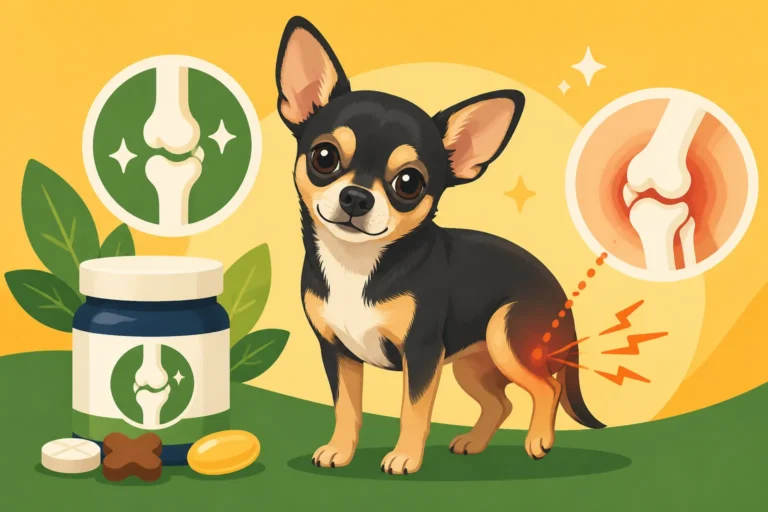
- Growth Plate Issues: While less common at this very young age, monitor their gait and movement. Chihuahuas can be prone to conditions like Chihuahua Legg-Calve-Perthes Disease or early signs of Patellar Luxation, the Chihuahua's Commonest Joint Problem, though these typically manifest later.
- Signs of Hydrocephalus: In very young apple-head Chihuahuas, keep an eye out for Hydrocephalus Signs in a Chihuahua Puppy, which might present as a domed skull, circling, or pressing their head against surfaces.
Regular veterinary check-ups are essential during puppyhood. Your vet can monitor their growth, provide vaccinations, and discuss parasite prevention tailored to their small size.
Transitioning to Independent Eating
The goal of weaning is to raise confident, independent eaters. This means they should be able to eat from a bowl on their own, manage dry kibble, and self-regulate their food intake (within the boundaries of their daily calorie allowance).
- Dedicated Eating Space: Designate a specific, quiet spot for meals. This creates a routine and reduces stress around food.
- Social Eating (if applicable): If you have a litter, allow them to eat together initially, but ensure each puppy gets enough food. As they get older, individual bowls might be necessary to prevent resource guarding.
- Positive Reinforcement: Make meal times positive. Praise them for eating, and avoid hovering excessively once they are settled.
- Handling: Gently handle them around their food bowl occasionally (without taking the food away) to teach them that human hands near food are a good thing. This helps prevent future resource guarding issues.
Weaning a Chihuahua puppy is a rewarding experience that sets the foundation for a long, healthy life. With a gentle hand, keen observation, and the right approach, you can guide these tiny bundles of joy through this crucial developmental stage, transforming them from milk-dependent newborns into robust little eaters ready for their next adventures.
Disclaimer
This article is for general informational purposes only and does not constitute professional advice. Laws, prices and regulations vary by location and change over time. Consult a qualified professional for guidance on your specific situation.