Food Allergies Behind a Chihuahua’s Bald Patches
It’s incredibly disheartening when you look at your beloved Chihuahua and notice their once shiny, full coat is now patchy and thinning, sometimes even completely bald in spots. This isn't just a cosmetic issue; it often signals an underlying problem that's causing them discomfort, and one of the most frustratingly common culprits is a food allergy. This guide will walk you through understanding why your tiny companion might be losing hair due to what’s in their bowl and how you can get to the bottom of it.
Understanding Chihuahua Skin Allergies: More Than Just Itching
Chihuahuas, despite their small size, are prone to a surprising number of health issues, and skin problems, particularly those stemming from allergies, are high on that list. When you see bald patches, it’s a clear sign that something isn't right on a deeper level, and it’s usually accompanied by a host of other uncomfortable symptoms.
The Frustration of Persistent Bald Patches and Itch
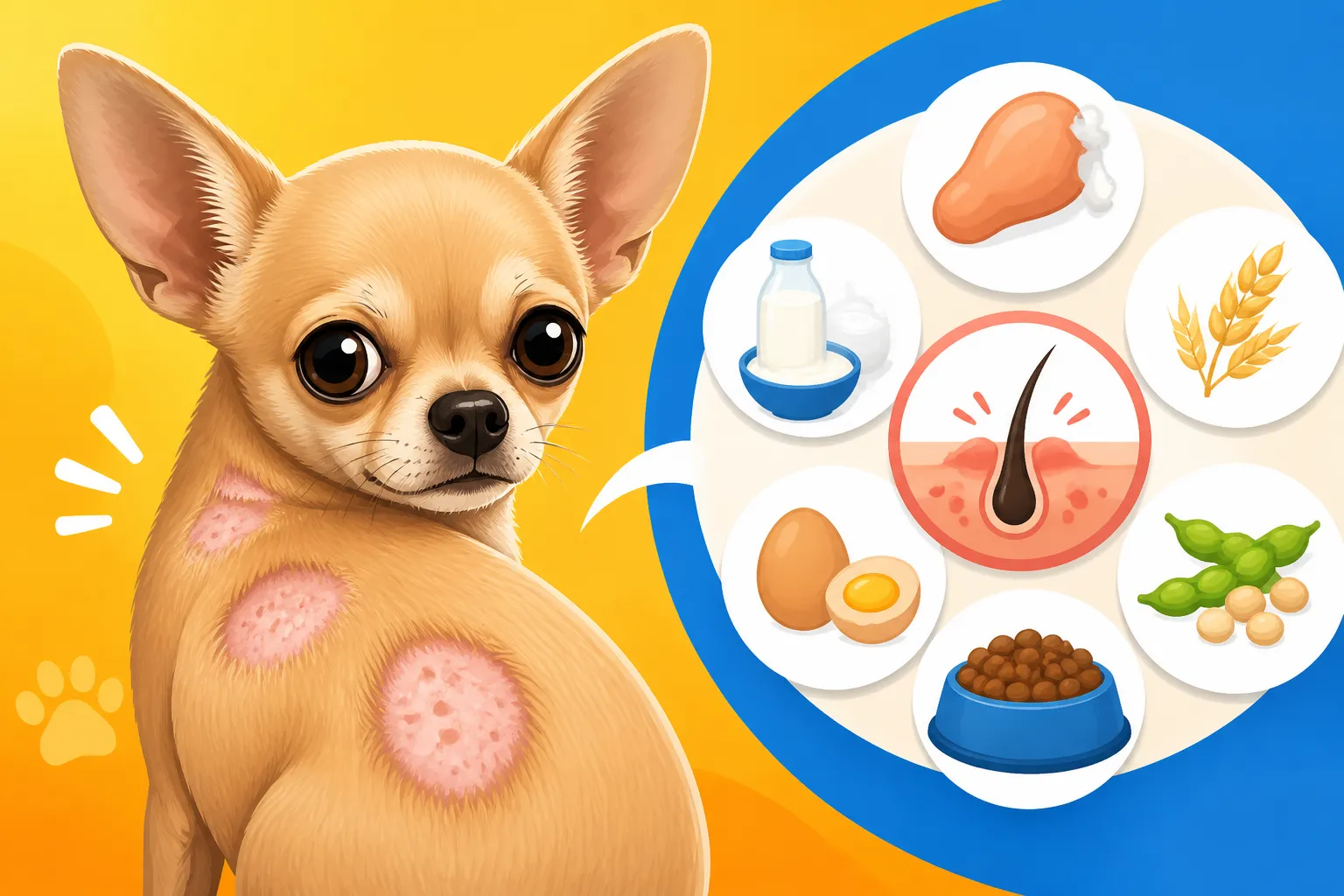
That relentless scratching, licking, and chewing your Chihuahua does isn't just annoying; it's heartbreaking to watch. They might be constantly rubbing their face on the carpet, trying to reach an elusive itch, or biting at their paws until they’re raw and red. These behaviors, driven by intense itching (pruritus), are often the direct cause of those worrying bald spots. When a dog scratches or licks the same area repeatedly, they mechanically damage the hair follicles, leading to hair loss. Sometimes, the skin itself becomes inflamed, red, scaly, or even develops secondary infections from bacteria or yeast, which can further exacerbate the hair loss and make the skin look even worse. You might also notice a greasy feel to their coat, or an unusual smell coming from their skin, which are tell-tale signs of irritation and potential infection.
It can feel like a never-ending cycle: the itch drives the scratching, the scratching causes more irritation and hair loss, and the cycle just repeats. Many owners try topical treatments or even quick changes in food without truly understanding the root cause, leading to temporary relief at best, and prolonged suffering for their little one at worst. The frustration is real when you’ve tried several things and nothing seems to stick. You're left wondering if you'll ever get your Chihuahua comfortable again.
How Allergies Manifest in a Tiny Body
For a Chihuahua, an allergic reaction isn't just about a runny nose or sneezing like it might be for a human. Their immune system, when overreacting to an allergen, often targets the skin as its primary battleground. This is why skin issues, including bald patches, excessive itching, redness, hot spots, and recurrent ear infections, are so common in allergic Chihuahuas. Unlike larger breeds, the symptoms in a tiny dog can sometimes be less obvious, or easily dismissed as something else. A subtle head shake might be an ear infection, not just a quirky habit. A little more licking of the paws could be the start of a serious skin flare-up.
Because Chihuahuas are so small, even minor discomfort can feel amplified for them, and chronic itching can significantly impact their quality of life. It can make them grumpy, withdrawn, or even reactive because they're simply not comfortable in their own skin. The sheer energy they expend on scratching and licking can even affect their sleep and overall well-being. It's not just about the hair loss; it's about the pervasive discomfort that affects every aspect of their day. Understanding these varied manifestations is the first step toward effective management and bringing relief to your tiny friend.
Identifying the Culprit: What Triggers Food Allergies in Chihuahuas?
Pinpointing the exact cause of a food allergy in a Chihuahua can feel like detective work. It’s not always the obvious suspects, and what one dog reacts to, another might tolerate perfectly fine. The key is understanding that a food allergy is an immune system overreaction to a specific protein in their diet, and it’s a very different beast from a simple food intolerance.
Common Allergenic Ingredients in Dog Food
When we talk about food allergies in dogs, we’re almost always talking about specific protein sources. While grains sometimes get a bad rap, they are far less common allergens than proteins. The most frequent culprits across all breeds, including Chihuahuas, tend to be:
- Beef: Often found in many standard kibble formulas, beef protein can be a major trigger.
- Dairy: Components of milk, cheese, and other dairy products can cause issues, especially lactose intolerance, but also true protein allergies.
- Chicken: Another extremely common protein source in commercial dog foods. It's often the default "safe" protein many owners switch to, only to find their dog still reacts.
- Wheat: While not as common as meat proteins, wheat gluten can be an allergen for some dogs.
- Soy: Used in some dog foods as a protein source or filler.
- Eggs: Less common, but still a possibility for some sensitive Chihuahuas.
It’s important to remember that a Chihuahua can develop an allergy to any protein they’ve been exposed to repeatedly over time. This means if your Chihuahua has been eating the same chicken-based kibble for years, they can suddenly develop an allergy to chicken. It's not about new foods; it's about repeated exposure to something their immune system now deems a threat. This can make identifying the allergen tricky, as it might be something they've been consuming for a long time.
The Difference Between Food Allergy and Intolerance
While both food allergies and food intolerances can cause digestive upset and skin problems, they are fundamentally different processes. Understanding this distinction is crucial for effective treatment.
| Feature | Food Allergy | Food Intolerance |
|---|---|---|
| Mechanism | Immune system reaction to a protein. | Digestive system difficulty processing an ingredient. |
| Symptoms | Itching, skin inflammation, bald patches, ear infections, vomiting, diarrhea. | Vomiting, diarrhea, gas, bloating (primarily digestive). Rarely skin issues. |
| Onset | Can occur after minute exposure. Immediate or delayed (hours to days). | Usually dose-dependent. Symptoms typically appear shortly after eating. |
| Severity | Can be severe, even life-threatening (anaphylaxis, though rare in dogs). Chronic skin issues. | Generally less severe, discomfort, but not life-threatening. |
| Trigger | Almost always a protein (e.g., chicken, beef, dairy). | Various ingredients (e.g., lactose, fat, specific carbohydrates). |
A food allergy involves an immune response, releasing histamine and other chemicals that cause widespread symptoms, particularly intense itching and skin inflammation, leading to those frustrating bald patches. With an intolerance, the digestive system simply can't handle a particular ingredient, perhaps due to a lack of an enzyme (like lactase for lactose) or just an ingredient that's difficult to digest. While an intolerance might cause a tummy ache or diarrhea, it rarely leads to the persistent skin issues, like the severe itching and bald spots, that are characteristic of a true food allergy. Your vet will be able to help you differentiate these conditions, but typically, if skin issues are the primary complaint, an allergy is more likely.
The Elimination Diet: Your Best Diagnostic Tool
When you suspect a food allergy is behind your Chihuahua's bald patches and incessant scratching, the gold standard for diagnosis isn't a blood test or a saliva test – these are often unreliable for food allergies. The most accurate way to find the culprit is through a carefully executed elimination diet. This process requires patience, strict adherence, and a bit of detective work, but it’s truly the path to getting real answers and lasting relief for your little one.
Planning a Successful Elimination Diet
An elimination diet means feeding your Chihuahua a "novel" protein and carbohydrate source for a set period, typically 8-12 weeks, that they have never eaten before. This is where precision and careful planning come into play.
- Consult Your Vet First: Before you start, always talk to your veterinarian. They can help rule out other causes for the bald patches, such as parasites like mites (which can mimic allergy symptoms), fungal infections, or hormonal imbalances. They can also guide you on suitable food choices and monitor your Chihuahua's health during the diet. For instance, sometimes a simple round of antibiotics for a secondary skin infection needs to happen before you even start the diet, so you can truly gauge the allergic response.
- Choose a Novel Protein and Carb: This is the most critical step. "Novel" means new. For many Chihuahuas, common proteins like chicken, beef, and dairy are out. You might look for foods featuring proteins like venison, duck, rabbit, kangaroo, or even alligator. For carbohydrates, options might include sweet potato, quinoa, or tapioca. It's essential that these ingredients are truly new to your dog. Read ingredient labels meticulously. Many commercial "limited ingredient" diets are available, and some brands like Purina Pro Plan Veterinary Diets Hydrolyzed Protein or Royal Canin Hydrolyzed Protein are specifically formulated for this purpose, where proteins are broken down into particles too small to trigger an immune response. You can find these prescription diets often through your vet or online retailers like Chewy with a vet's authorization.
- Strict Adherence: For the entire duration of the elimination diet, nothing else can pass your Chihuahua’s lips. This means no treats, no table scraps, no flavored medications (unless approved by your vet), no sneaking bites from the floor, and absolutely no other dog’s food. Even a tiny piece of kibble from another pet or a dropped crumb can ruin the entire trial. Imagine a tiny six-pound Chihuahua; even a morsel of the wrong food can cause a reaction. The Six Pound Limit in the Chihuahua Standard means their systems are highly sensitive.
- Family Buy-in: Everyone in the household needs to be on board and understand the importance of this strictness. Post a reminder on the fridge, educate guests, and make sure children know not to share their snacks.
- Monitor Closely: Keep a detailed journal. Note down exactly what your Chihuahua eats, when, and any changes in their skin, itching, coat, or digestive system. Are the bald patches growing back? Is the scratching less frequent? Is their stool normal? This documentation will be invaluable to your vet.
Introducing Novel Proteins and Carbohydrates
Once you've selected your novel diet, the journey begins. The goal is to see if your Chihuahua's symptoms, including the bald patches, improve significantly.
Let's say you've chosen a venison and sweet potato diet. For 8-12 weeks, this is the only thing your Chihuahua eats. If their symptoms improve dramatically – the itching subsides, the skin calms down, and new hair starts to grow in those bald spots – you've successfully eliminated the offending allergen(s). This is a huge win!
After the initial improvement, the next phase is called the "challenge." This is where you reintroduce single ingredients from their old diet, one at a time, for about a week each, while still feeding the novel diet.
- Week 1: Challenge with Chicken. Add a small amount of cooked, plain chicken to their venison and sweet potato diet. If your Chihuahua starts itching again, or the bald patches reappear, you've found a primary culprit: chicken. Remove it immediately, let their system clear, and wait for symptoms to resolve again before challenging with the next ingredient.
- Week 2: Challenge with Beef. (If chicken caused no reaction) Introduce beef. Observe.
- Week 3: Challenge with Wheat. And so on.
This systematic reintroduction helps you pinpoint exactly what your Chihuahua is allergic to. It can be a slow and painstaking process, but it's the most reliable way to create a diet plan that truly works for them. Remember, any reaction during the challenge phase indicates that specific ingredient is an allergen for your Chihuahua.
Navigating Challenges and Temptations
The elimination diet is tough, both for you and your Chihuahua. The biggest challenge is often temptation. Your little one is used to variety, and suddenly being restricted to one food can feel unfair.
- Treats: This is where many elimination diets fail. Regular treats are off-limits. You might need to make homemade treats from their novel food ingredients (e.g., baked sweet potato slices, dehydrated venison). Small pieces of their regular kibble can also serve as training treats, if it's the novel diet. For toy-sized dogs, even the smallest regular treat might contain hidden allergens. When considering options from places like Amazon or Ollie, be sure to scrutinize ingredients for anything not approved by your vet for the elimination trial.
- Other Pets: If you have other dogs or cats, you might need to feed them separately or even put all pets on the novel diet to prevent accidental ingestion. A Chihuahua is adept at snatching dropped crumbs! Keeping a Second Chihuahua in the Same Home means double the vigilance.
- Medications & Supplements: Even seemingly innocent items like flavored heartworm medication or joint supplements can contain hidden proteins. Discuss all medications and supplements with your vet before starting the diet to ensure they won't interfere. Heartworm Doses Made for a Five Pound Chihuahua are often very small, but you still need to check ingredients.
- Boredom: Chihuahuas are smart and enjoy mental stimulation. To combat food boredom, use puzzle toys or enrichment feeders with their approved novel food. This makes mealtime more engaging without introducing new ingredients.
- Persistence: It's easy to get discouraged if you don't see immediate results or if you accidentally slip up. Don't give up! Consistent adherence for the full 8-12 weeks is critical. If symptoms don't improve on the first novel diet, your vet might suggest trying a different novel protein/carb combination.
This journey demands commitment, but the reward of seeing your Chihuahua finally comfortable, itch-free, and growing back a healthy coat is immeasurable.
Managing a Chihuahua with Diagnosed Food Allergies
Once you’ve successfully navigated the elimination diet and identified your Chihuahua's specific food allergens, the next step is long-term management. This means finding a diet that works for them consistently and ensuring their overall skin health is supported. It's not a one-time fix; it's a lifestyle adjustment for your little companion.
Choosing the Right Hypoallergenic Diet
After identifying the problematic ingredients, your primary goal is to find a diet that completely avoids those allergens. There are several approaches:
- Prescription Hydrolyzed Protein Diets: These foods, like those mentioned from Purina or Royal Canin, are often recommended by vets. The proteins in these diets are "hydrolyzed," meaning they've been broken down into such tiny molecules that your Chihuahua's immune system doesn't recognize them as allergens. This is a very effective option for dogs with severe or multiple food allergies, or when you're unsure of all triggers. They can be a bit more expensive but are highly reliable.
- Novel Protein Diets: If your Chihuahua is allergic to, say, chicken and beef, you would then seek out commercial dog foods that use only novel proteins you've identified as safe (e.g., duck, venison, rabbit, lamb) and suitable carbohydrates. When looking for these, ensure the product is truly "limited ingredient" and doesn't contain hidden common allergens. Brands like Canidae and Natural Balance often have lines with fewer ingredients, making them easier to manage.
- Home-Cooked Diets: Some owners opt to cook for their Chihuahuas, especially if commercial options are difficult to find or if their dog has many allergies. This gives you complete control over every ingredient. However, home-cooked diets must be perfectly balanced nutritionally, especially for a small dog whose calorie needs are precise Daily Calories for a Three to Seven Pound Chihuahua. It’s crucial to work with a veterinary nutritionist to formulate a balanced recipe, as deficiencies can quickly lead to other health problems. Without proper guidance, you risk providing too much or too little of vital nutrients.
- Fresh Food Services: Companies like Ollie offer fresh, human-grade food that can be customized. If you pursue this route, communicate your Chihuahua’s specific allergies clearly to them. These services can be an excellent option for palatable and digestible meals, but again, ensure strict adherence to only the safe ingredients.
Regardless of the choice, consistency is paramount. Once you find a suitable food, stick with it. Any deviation can trigger a relapse of symptoms, bringing back those bald patches and itching.
Supplementation and Support for Skin Health
While diet is the cornerstone of managing food allergies, certain supplements can provide additional support for your Chihuahua's skin and coat health, helping to heal existing damage and promote new hair growth.
- Omega-3 Fatty Acids: Fish oil, rich in EPA and DHA, has powerful anti-inflammatory properties that can soothe irritated skin and improve coat quality. Dosing for a Chihuahua needs to be precise due to their small size. Your vet can recommend the correct dosage for Fish Oil Dosed for a Six Pound Chihuahua. You can often find high-quality fish oil supplements on platforms like Amazon or Chewy.
- Probiotics: A healthy gut microbiome is closely linked to overall immune function and skin health. Probiotic supplements can help rebalance gut flora, which might be beneficial for allergic dogs.
- Antihistamines: Your vet might prescribe antihistamines to help manage the itching, especially during flare-ups or if there are concurrent environmental allergies. These don't cure the allergy but offer symptomatic relief.
- Topical Treatments: Medicated shampoos, conditioners, or sprays can help soothe inflamed skin, treat secondary infections, and reduce itching. These are particularly helpful for managing current bald patches and preventing new ones from forming. Regular bathing with appropriate products can be a game-changer.
- Vitamin E: This antioxidant can support skin health and promote healing.
Always discuss any supplements or topical treatments with your veterinarian before introducing them to your Chihuahua. What works for one dog might not be appropriate for another, and proper dosing is essential for tiny breeds.
Long-Term Management and Preventing Relapses
Managing food allergies in a Chihuahua is a lifelong commitment. The key to preventing relapses and keeping those bald patches at bay is vigilance and consistency.
- Strict Diet Adherence: This cannot be stressed enough. Continually avoid all identified allergens. Be mindful of pet-sitters, groomers, and even family members who might unknowingly offer unauthorized treats. Chihuahua Treats Inside a Tiny Calorie Budget highlights how even small treats can disrupt their diet.
- Regular Vet Check-ups: Maintain a regular schedule of veterinary visits to monitor your Chihuahua's skin health, overall condition, and address any new concerns promptly. Your vet can catch potential issues before they escalate.
- Environmental Control: While food is the focus here, many Chihuahuas with food allergies also have environmental allergies. Minimize exposure to dust, pollen, and other environmental triggers where possible. Regular cleaning, air purifiers, and wiping down paws after outdoor walks can help.
- Identify and Manage Secondary Issues: Skin allergies often lead to secondary bacterial or yeast infections, which can worsen itching and hair loss. Be proactive in treating these infections with your vet's guidance.
- Patience and Observation: Even with a perfect diet, occasional flare-ups can happen. Pay close attention to any changes in your Chihuahua’s behavior or skin, which can signal a problem. Sometimes, a previously tolerated ingredient might become an allergen over time.
By diligently managing their diet, providing appropriate skin support, and staying in close communication with your vet, you can help your Chihuahua lead a comfortable, itch-free life, free from those frustrating bald patches.
Environmental Allergies vs. Food Allergies: A Comparison
It's easy to jump to conclusions when your Chihuahua starts scratching and losing hair, but it's crucial to understand that not all allergies are food-related. Environmental allergies, also known as atopy, are incredibly common and can present with very similar symptoms to food allergies. Differentiating between the two, or recognizing when both are at play, is vital for proper treatment.
Distinguishing Symptoms
While there's significant overlap, some subtle differences can help you and your vet determine if you're dealing more with food or environmental triggers:
- Seasonality: Environmental allergies are often seasonal, flaring up when specific pollens (grass, tree, weed) are high, or when there's an increase in dust mites or mold. If your Chihuahua's itching and bald patches are worse during certain times of the year and improve during others, environmental allergies are a strong suspect. Food allergies, on the other hand, typically cause symptoms year-round, as the allergen is constantly present in their diet.
- Primary Affected Areas: While both can cause generalized itching and hair loss, environmental allergies often show up first and most intensely on the paws (leading to constant licking and chewing), ears (recurrent infections), armpits, groin, and around the eyes. Food allergies can also affect these areas, but might also lead to more widespread body itching, and sometimes even gastrointestinal upset like vomiting or diarrhea, which is less common with environmental allergies alone.
- Age of Onset: Food allergies can develop at any age, but often manifest in puppies or young adults. Environmental allergies typically develop in dogs between one and three years of age, though they can appear later.
- Response to Diet Changes: The elimination diet is the definitive test for food allergies. If your Chihuahua's symptoms resolve completely on a novel protein diet and then return when a specific food ingredient is reintroduced, it's a strong indicator of a food allergy. If symptoms persist despite a strict elimination diet, environmental allergies become a more likely primary cause.
A good example of an environmental allergy symptom is constant paw licking. If your Chihuahua is obsessed with licking their paws, especially after walks on grass, it's a classic sign of environmental irritation. Chihuahua Skin Allergies and Bald Patches is a topic that truly covers both, as the visible symptoms are often identical, making the detective work all the more critical.
Tackling Both Simultaneously
It’s not uncommon for a Chihuahua to suffer from both food and environmental allergies. This is often referred to as "dual-allergic" or "multifactorial" allergies, and it can be particularly challenging to manage. If your Chihuahua improves but doesn’t completely resolve their symptoms on an elimination diet, or if symptoms fluctuate seasonally despite a strict diet, it’s a good sign that environmental allergies are also at play.
Here's how managing both might look:
- Rule Out Food First: Always start with a proper elimination diet to confirm or rule out food allergies. This gives you a baseline and removes one major variable. If you identify a food allergen, continuing to feed it will only make any environmental allergies worse, as their system is already in an inflammatory state.
- Environmental Management: Once food allergies are managed, focus on minimizing environmental triggers. This might involve:
- Regular Bathing: With a vet-approved hypoallergenic shampoo to wash off allergens from their coat.
- Wiping Paws and Coat: After outdoor exposure, especially during high pollen seasons.
- Air Purifiers: To reduce airborne allergens indoors.
- Dust Mite Control: Regular cleaning, washing bedding in hot water, and reducing carpeted areas.
- Supplements: Omega-3 fatty acids can help reduce inflammation from both types of allergies.
- Veterinary Dermatology: For severe or persistent environmental allergies, your vet might refer you to a veterinary dermatologist. They can perform allergy testing (intradermal skin testing or blood tests for environmental allergens) to identify specific triggers.
- Immunotherapy: Once specific environmental allergens are identified, immunotherapy (allergy shots or oral drops) can be a highly effective long-term treatment. This works by gradually desensitizing your Chihuahua's immune system to the allergens, reducing their reactive response over time. It's a long-term commitment but can significantly improve quality of life.
- Medication: For severe flare-ups, your vet might prescribe medications such as corticosteroids (oral or topical), Apoquel, or Cytopoint to control itching and inflammation. These are generally used for short-term relief or as part of a broader management plan, not as standalone solutions for chronic issues.
Managing allergies in a tiny Chihuahua requires a comprehensive, multi-modal approach. It’s about not just stopping the scratching, but truly understanding and addressing the underlying causes of their discomfort and those unwelcome bald patches. With dedication and your vet’s guidance, you can bring immense relief to your cherished companion.
Disclaimer
This article is for general informational purposes only and does not constitute professional advice. Laws, prices and regulations vary by location and change over time. Consult a qualified professional for guidance on your specific situation.