Kibble Small Enough for a Chihuahua Mouth
One of the most common frustrations for new Chihuahua owners is watching their tiny dog struggle with food that seems perfectly normal to us. You pour a fresh bowl of kibble, only to see your little one nose it around, pick at it tentatively, or even walk away entirely, not because they're picky, but because the individual pieces are simply too big for their delicate mouths. This guide will walk you through understanding why kibble size matters so much for your Chihuahua and how to choose the perfect tiny morsels to keep them happy and healthy.
The Unique Challenge of a Chihuahua's Mouth
It’s easy to forget just how truly small a Chihuahua is, especially when it comes to their oral anatomy. What looks like a perfectly normal piece of kibble to a human eye can be a mountain for a tiny Chihuahua, presenting real challenges to their eating habits and overall health.
Tiny Jaws and Crowded Teeth
Imagine trying to eat a whole cracker when your mouth is only big enough for a blueberry. That's often what it feels like for a Chihuahua trying to manage standard dog kibble. Their jaws are incredibly delicate and compact, leaving very little room. This lack of space isn't just about the size of the mouth opening; it's also about the internal structure. Chihuahuas are known for having Chihuahua Tooth Crowding and Retained Baby Teeth, which means their relatively large teeth are packed tightly into their small jaws. This crowding often leads to teeth growing at odd angles or overlapping, making it even harder for them to grasp, crunch, and maneuver anything but the tiniest pieces of food.
When kibble is too large, a Chihuahua might try to swallow it whole, which can be a choking hazard. Or, they might attempt to break it down, but the effort required can be frustrating, leading to them skipping meals or simply not getting enough nutrition. Their delicate jaw bones are not designed for heavy-duty chewing on large, hard nuggets. Over time, struggling with inappropriate kibble can even contribute to premature wear and tear on their already vulnerable teeth, potentially accelerating Chihuahua Dental Disease in a Crowded Small Jaw.
Understanding a Chihuahua's Bite
Chihuahuas typically have a scissor bite, where their upper incisors slightly overlap their lower incisors, allowing them to effectively grasp and shear food. However, the strength and leverage available for this bite are limited by their small jaw size. They aren't going to be gnawing on large, tough pieces of food with the same ease as a Labrador. When a piece of kibble is too wide or too thick, it prevents their tiny teeth from meeting properly to break it down. Instead of a satisfying crunch, you might hear them struggle, or worse, see them drop pieces repeatedly.
Another common issue arises when the kibble is too big: gulping. Chihuahuas, especially puppies, can be prone to swallowing food without adequate chewing. This isn't just a choking risk; it can also lead to digestive upset. Large, unchewed pieces of kibble are harder for their small stomachs to break down efficiently. This can result in indigestion, vomiting, or even nutrient malabsorption if their system isn't able to extract all the goodness from their food. For a breed that already requires careful attention to its Feeding a Chihuahua on Two Hundred Calories a Day, ensuring every calorie counts is paramount.
What to Look For in Chihuahua Kibble Size
Finding the right kibble size can feel like a quest, but once you know what to look for, it becomes much easier to provide your Chihuahua with comfortable, enjoyable meals.
The Ideal Kibble Dimensions
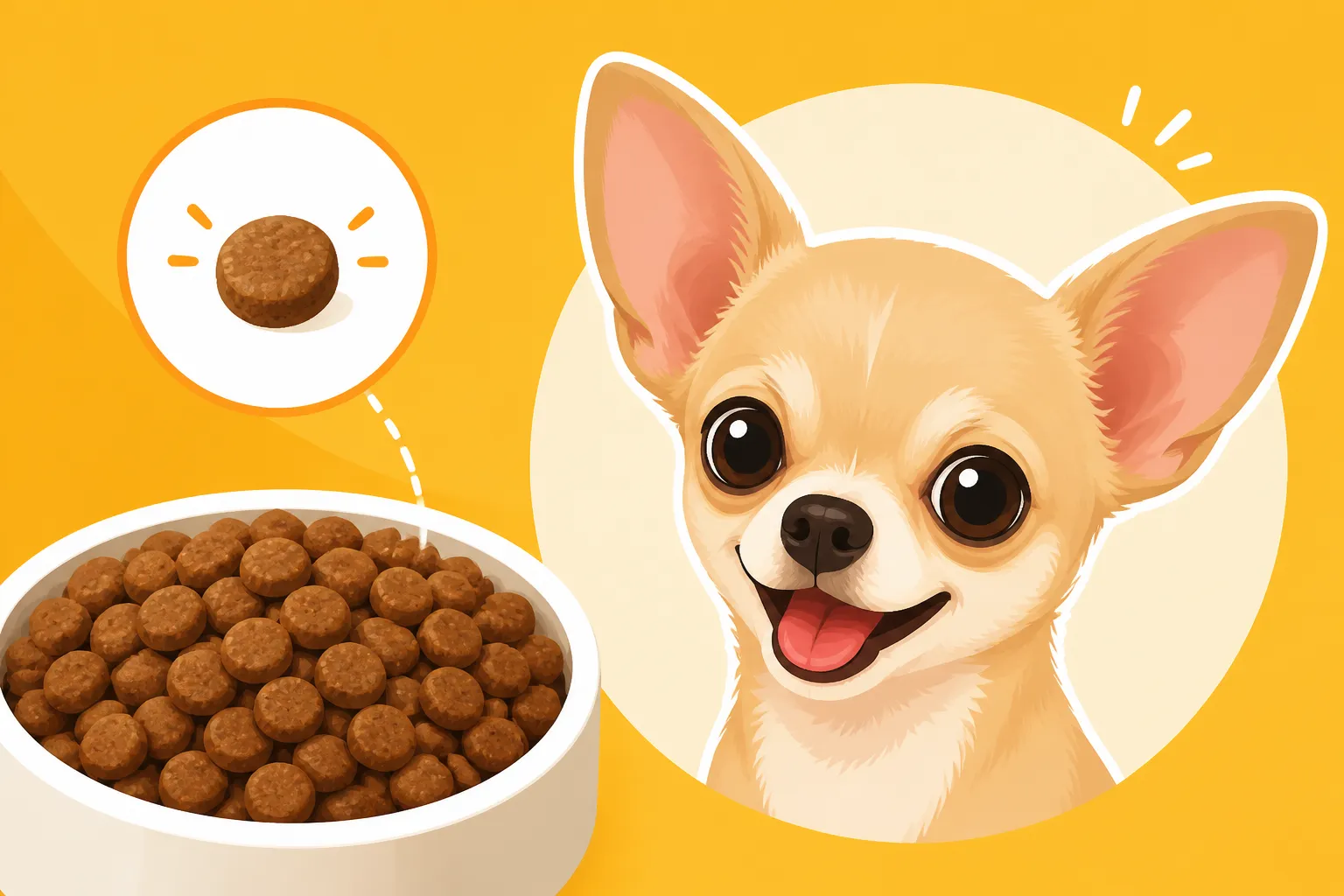
When we talk about "small" kibble for a Chihuahua, we're really looking for something akin to a pea or even smaller. Imagine a piece of kibble that's roughly 3-5 millimeters in diameter, sometimes even less. Many brands offer "mini" or "toy breed" formulas, and these are usually a great starting point. However, not all "small breed" kibble is created equal. Some might still be too thick or have an awkward shape that's difficult for a Chihuahua to manage.
Consider both the diameter and the thickness. A flat, disc-shaped piece might be easier to pick up than a perfectly round one, even if both have the same diameter. A thinner piece will be easier to crunch. It's often helpful to look for reviews from other Chihuahua owners, and if you're shopping online, many retailers like Chewy or Amazon will often include customer-submitted photos of the kibble alongside common household objects, giving you a real-world visual scale. Don't be afraid to actually measure the kibble when you get it home against a small coin or even a pea to ensure it meets your expectations for your tiny dog.
Beyond Size: Texture and Density
While size is paramount, the texture and density of the kibble also play a significant role. Hard, dense kibble, even if small in diameter, can still be challenging for a Chihuahua's delicate teeth and jaws. They might struggle to break through the hard exterior, or it could even cause discomfort if they have any underlying dental issues or sensitive gums.
Softer, more porous kibble options can be much easier for them to chew. Some kibbles are designed to be more airy or crumbly, which reduces the effort needed to break them down. This can be particularly beneficial for senior Chihuahuas who may have dental pain or missing teeth. While crunchy kibble is often touted for helping to clean teeth, it's a common misconception that kibble alone provides adequate dental care. Even the best kibble for dental health is no substitute for The Two Minute Daily Chihuahua Tooth Routine you should be doing every day. If anything, very hard kibble can sometimes contribute to dental fractures or exacerbate existing tooth problems rather than preventing them.
Finding and Choosing the Right Kibble
The market is flooded with pet food options, and navigating them to find the perfect fit for your Chihuahua can be overwhelming. But with a few key strategies, you can narrow down the choices and make an informed decision.
Navigating Pet Food Brands and Labels
The good news is that many reputable pet food companies recognize the unique needs of toy breeds. Look specifically for labels that say "toy breed formula," "small breed formula," or "mini bites." However, as mentioned, even within these categories, kibble size can vary. It's not uncommon for a "small breed" kibble from one brand to be significantly larger than a "toy breed" kibble from another.
When shopping, especially online through retailers like Chewy or Amazon, make sure to read the detailed product descriptions. Sometimes, they'll list the average kibble dimensions. If not, customer reviews are your best friend. Other Chihuahua owners will often share their experiences and even post pictures, which can be invaluable. Don't hesitate to contact the pet food manufacturer directly if you can't find clear information on kibble size. Many have customer service lines happy to answer specific questions about their product's physical attributes. Remember, your goal is to find something truly tiny that your Chihuahua can easily pick up, chew, and swallow without straining.
When to Consider Alternatives or Modifications
Even after diligent searching, you might find that your Chihuahua still struggles with dry kibble, or perhaps they have specific health needs that make it difficult. This is where considering alternatives or modifications comes into play.
One common strategy is to soak dry kibble in warm water or low-sodium chicken broth for about 10-15 minutes before serving. This softens the kibble, making it much easier to chew and swallow. It also adds moisture, which can be beneficial for hydration. This method is particularly helpful for puppies, senior Chihuahuas, or those recovering from Anesthesia Risk During a Chihuahua Dental and extractions.
For some Chihuahuas, a diet of entirely wet food or fresh food might be the best solution. Wet Food and Chihuahua Dental Disease is a consideration, as wet food doesn't offer the same scraping action as dry kibble, but if your Chihuahua simply cannot manage dry food, other dental care methods (like daily brushing) become even more critical. Brands like Ollie offer fresh, human-grade food delivered in pre-portioned amounts, which can be a fantastic option for Chihuahuas who need softer, easier-to-eat meals, and it ensures precise calorie control for their small frames. Ultimately, the goal is to ensure your Chihuahua is eating comfortably and receiving all the necessary nutrients, even if it means moving away from traditional dry kibble.
Here’s a quick comparison of common food types and their suitability for a Chihuahua's tiny mouth:
| Food Type | Typical Kibble/Texture Size | Ease of Eating for Chihuahua | Pros | Cons |
|---|---|---|---|---|
| Standard Dry Kibble | 7-15mm | Difficult | Often more cost-effective, readily available | Too large, choking hazard, dental strain |
| Small Breed Dry Kibble | 5-7mm | Moderate to Easy | Specifically designed for smaller mouths, good nutritional balance | Still might be too large from some brands; texture can be too hard |
| Toy Breed Dry Kibble | 3-5mm (or smaller) | Easy | Ideal size, less chewing effort, reduced choking risk | Can be harder to find, sometimes more expensive |
| Soaked Dry Kibble | Softened, variable | Very Easy | Makes any dry kibble easier to eat, adds hydration | Messier, needs preparation time, doesn't prevent tooth decay |
| Wet Food | Pate, shredded, diced | Very Easy | Soft, palatable, high moisture content | Can be expensive, doesn't aid dental cleaning, needs careful portioning |
| Fresh/Cooked Food | Soft, easily chewable | Very Easy | Highly palatable, customizable, easy to digest | Requires preparation, can be expensive (e.g., Ollie), balanced nutrition can be complex if homemade |
The Broader Impact of Kibble Choice
Choosing the right kibble size for your Chihuahua extends far beyond just making mealtime easier. It has profound implications for their overall health, from their digestive system to their long-term dental well-being.
Digestive Health and Nutrient Absorption
When a Chihuahua struggles with kibble that's too large, it often leads to them gulping down pieces whole or inadequately chewed. This can put a significant strain on their tiny digestive system. Large, undigested food particles can cause stomach upset, bloating, and gas. In more severe cases, it can even lead to regurgitation or vomiting. A comfortable eating experience, where kibble is easily chewed, ensures that the food is properly broken down before it even reaches the stomach. This allows digestive enzymes to work more efficiently, leading to better nutrient absorption.
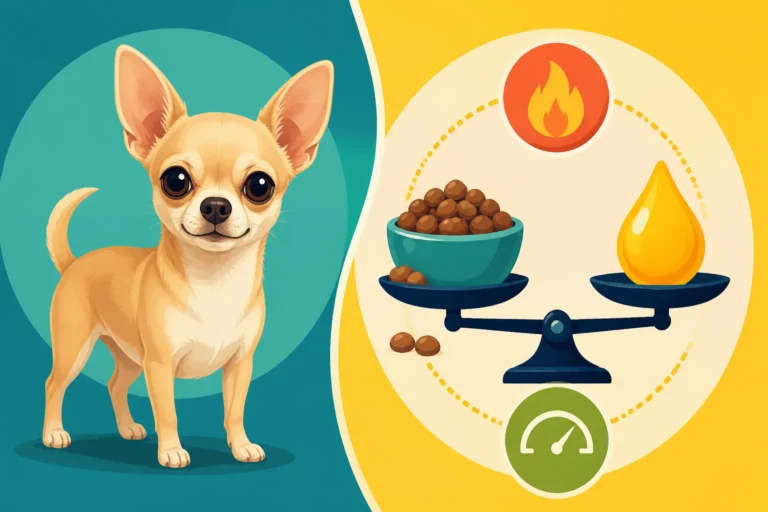
Remember, Chihuahuas need specific caloric intake, typically around How Many Calories a Six Pound Chihuahua Needs, and every single one of those calories is precious. If they're not absorbing nutrients efficiently due to poor digestion, they might not be getting the full benefit of their food, potentially leading to energy dips or other health issues. Proper kibble size helps facilitate smooth digestion, allowing your little one to thrive. Furthermore, for puppies, ensuring proper digestion is key to preventing Emergency Sugar for a Collapsing Chihuahua Puppy by helping them maintain stable blood sugar levels after their Feeding a Chihuahua Puppy Against Sugar Crashes.
Dental Health Considerations (Even with Proper Kibble)
While finding perfectly sized kibble is crucial, it's vital to understand that it is not a substitute for comprehensive dental care. Many people mistakenly believe that hard kibble cleans a dog's teeth like a toothbrush. In reality, unless the kibble is specifically formulated as a dental diet with a unique scrubbing action (and even then, it's supplementary), most hard kibble can actually be detrimental to a Chihuahua's crowded and delicate teeth. Large, hard pieces can cause chips, fractures, or accelerate wear, especially in a mouth already prone to Chihuahua Dental Disease in a Crowded Small Jaw.
Even with perfectly sized, soft kibble, plaque and tartar will still accumulate. This means that regular professional dental cleanings, which account for a significant portion of The Yearly Chihuahua Dental Cleaning Bill, along with daily home brushing, are absolutely essential for preventing periodontal disease. The best approach is to choose kibble that's comfortable and safe for your Chihuahua to eat, and then focus on dedicated dental hygiene practices to keep their mouth healthy throughout their long lives. A comfortable eating experience coupled with diligent dental care ensures your Chihuahua can enjoy mealtime and stay healthy for years to come.
Disclaimer
This article is for general informational purposes only and does not constitute professional advice. Laws, prices and regulations vary by location and change over time. Consult a qualified professional for guidance on your specific situation.