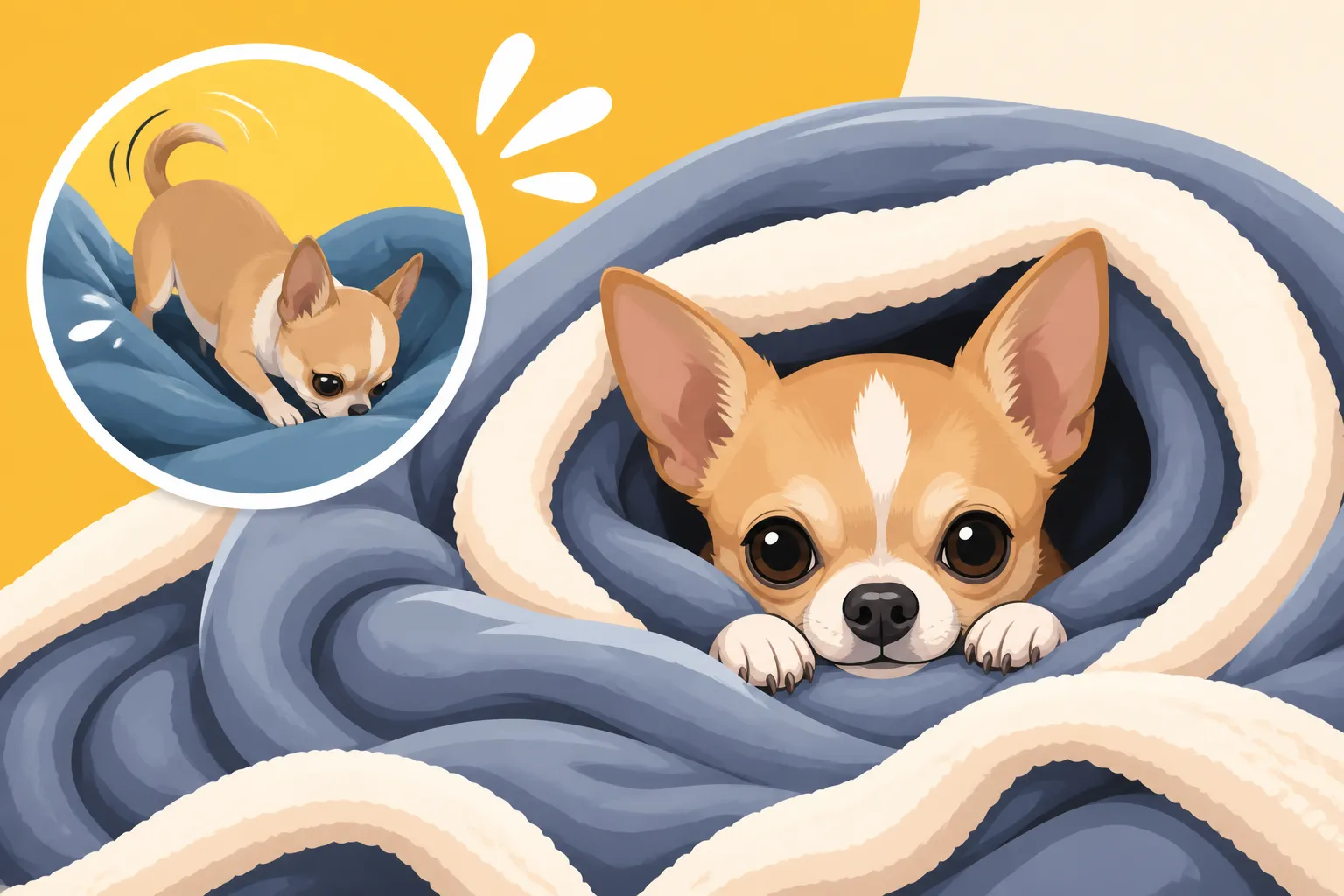
Blanket Nests and Chihuahua Burrowing
Many Chihuahua owners find themselves sharing their home with a tiny dog who insists on being utterly swallowed by blankets, digging and circling until a perfect, hidden "nest" is formed. It’s charming, yes, but it often leaves us wondering: why do they do this? This guide will dive deep into the fascinating world of Chihuahua burrowing, explaining the powerful instincts behind this behavior and how you can create the safest, coziest, and most enriching environment for your little digger.
The Deep-Rooted Instinct Behind Chihuahua Burrowing
It's easy to dismiss a Chihuahua's burrowing as just a cute quirk, but it's actually a strong, ancient instinct deeply woven into their DNA. This isn't just about being cozy; it's about survival, comfort, and a profound sense of security for such a small creature in a big world. Understanding these underlying reasons can help you appreciate this behavior even more and respond to your Chihuahua's needs.
Tracing Back to Ancestral Dens and Safety
Imagine a time long before plush dog beds and heated homes. The ancestors of today's Chihuahuas, much like other small canids, would have sought shelter in dens, burrows, or snug cavities in the earth. These underground havens offered protection from predators, harsh weather, and even the prying eyes of larger, more dominant animals. Digging and nest-building were essential skills for survival, creating a hidden fortress where they could rest, raise their young, and feel safe.
When your Chihuahua frantically digs at a pile of blankets before settling in, they are essentially recreating this ancestral den. It’s an innate behavior, a primal urge to build a secure space around themselves. They're not just moving fabric; they're constructing a protective barrier, a small, enclosed world where they can feel invisible and impervious to external threats. This instinct is particularly strong in Chihuahuas due to their diminutive size, which historically made them more vulnerable. It’s a powerful echo of their wild past, playing out in your living room.
The Physiological Need for Warmth and Security
Chihuahuas are famously known for shivering, even indoors, and their lack of a significant undercoat or body fat means they get cold very easily. They are not built for harsh climates, and their tiny bodies lose heat rapidly. This is where burrowing becomes an absolutely essential physiological need. A pile of blankets acts like a natural insulator, trapping their body heat and keeping them toasty warm. It’s why you'll often find them buried deep on a cool evening, or even a mild one, because their internal thermostat is set higher than ours. You can learn more about this in Why a Chihuahua Shivers Indoors.
Beyond temperature regulation, the act of being enveloped in blankets provides a profound sense of security. For a dog that often weighs less than a house cat, the world can feel overwhelming and full of potential dangers. Being tucked away in a soft, dark, enclosed space mimics the feeling of being safe in their mother's litter. It reduces sensory input, muffles loud noises, and creates a feeling of being shielded. This security isn't just psychological; it's a physical comfort that allows them to truly relax and enter deep, restorative sleep without the constant vigilance that comes with feeling exposed.
The Comfort of Pressure and Enclosure
Think about how comforting a weighted blanket can be for humans or how a swaddled baby feels secure. Chihuahuas experience a similar calming sensation from the gentle pressure of blankets wrapped around them. This feeling of enclosure provides proprioceptive input—the sense of where their body is in space—which can be deeply soothing. It's almost like a constant, gentle hug that tells their nervous system, "You're safe; you can relax."
This desire for pressure and enclosure is not unique to Chihuahuas but is amplified by their small size and often sensitive nature. It helps to ground them, reducing feelings of anxiety or overstimulation. Many Chihuahuas thrive on this feeling, seeking out any opportunity to wedge themselves into tight spaces, whether it's under a cushion, between pillows, or deep within a laundry pile. It's a self-soothing mechanism, a way for them to manage their environment and create their own personal sanctuary, even if that sanctuary is just a crumpled blanket fort.
Crafting the Ultimate Cozy Sanctuary for Your Chihuahua
Knowing why your Chihuahua burrows makes it easier to support this natural behavior. Instead of fighting it or constantly uncovering them, you can proactively create spaces that cater to their deep-seated need for warmth, security, and enclosure. The goal is to provide safe, inviting options that allow them to indulge their burrowing instincts without stress.
Choosing the Right Blankets and Beds for Burrowing
The key to a good Chihuahua burrowing setup is selecting materials that are both soft and substantial enough to hold their shape and create pockets. Thin throws might be okay for light covering, but for serious burrowing, you need something with a bit more heft.
Consider fleece blankets: they're soft, warm, and easy to wash. You'll want several so you can layer them. Older, worn-out towels can also work wonders as base layers, offering a bit more structure for digging. The idea is to have enough material so they can really get lost in it. When it comes to beds, look for "nesting" or "cave" beds. These are designed with built-in covers or high sides that mimic a burrow, making it easier for your Chihuahua to get completely under. Some even have a semi-rigid hood that stays open, making entry simple. Brands like Chewy or Amazon offer a wide variety of these specialized beds.
Here's a quick comparison of popular options:
| Blanket/Bed Type | Pros | Cons | Best For |
|---|---|---|---|
| Fleece Blankets | Soft, warm, washable, easy to layer, inexpensive | Can flatten over time, requires owner to arrange for best nest | Everyday burrowing, layering in existing beds, travel |
| Old Towels | Good base layer, durable, absorbent, provides structure for digging | Not as soft or aesthetically pleasing, can be bulky | As an underlying layer for structure, inside crates |
| Cave/Hooded Beds | Designed for burrowing, offers instant enclosure, very secure | Can be pricier, may take up more space, some chihuahuas prefer to build their own nest | Chihuahuas who love deep, instant seclusion, reducing anxiety |
| Self-Warming Beds | Uses dog's own heat, extra warmth without electricity | May not provide enough "burrow" if not hooded, can be expensive | Cold Chihuahuas, as an additional layer in a burrow bed |
| Deep Donut/Snuggle Beds | High sides offer some enclosure, soft and supportive | Not fully enclosed like a cave bed, may still require a blanket for full burrowing | Chihuahuas who like to curl up deeply but don't need to be completely covered |
Remember, it’s not just about one blanket; it's about providing an abundance of options for them to create their perfect hideaway. Chihuahua Bedding That Holds Body Heat can give you more ideas for keeping your little one warm.
Creating a Multi-Layered, Inviting Nest
Once you have your chosen blankets and beds, the next step is to arrange them in a way that truly invites burrowing. Simply tossing a blanket down won't always cut it; you need to create potential pockets and tunnels. Start with a solid base, like a comfortable dog bed or a stack of thicker towels. Then, layer several blankets on top. Don't smooth them out perfectly. Instead, strategically crumple them, creating peaks and valleys, small tunnels, and loose folds where your Chihuahua can easily push their way in.
You can even partially tuck one end of a blanket under the base bed to create a "roof" or a more stable opening for a den. Some owners find that placing a soft, smaller blanket or even a favorite toy inside the folds encourages their Chihuahua to explore and settle. The goal is to make it irresistible, a place that calls to their inner den-dweller. Rotate the blankets regularly for washing, but always maintain a similar "messy but intentional" structure to ensure consistency in their safe space.
Optimal Placement for Your Chihuahua's Cozy Corner
Where you place your Chihuahua’s blanket nest is just as important as how you build it. Think about areas of your home that offer a sense of quiet and security, but also allow your Chihuahua to be near you, as they are very social creatures.
Many Chihuahuas prefer to be close to their human companions, even when burrowed. A favorite spot might be near the sofa where you relax, at the foot of your bed, or even in a designated corner of a home office. Avoid high-traffic areas where they might be constantly disturbed, or cold, drafty spots that defeat the purpose of their warm nest. A quiet corner of the living room, shielded from direct drafts, or a dog bed in your bedroom where they can be near you at night, are often ideal.
Consider placing a small crate or soft carrier, left open, in one of these preferred spots and filling it with blankets. This provides an even stronger sense of enclosure and can double as a safe travel space. Ensuring easy access is key; your Chihuahua should be able to hop in and out of their nest comfortably, even if they have Chihuahua Arthritis in the Teenage Years or Chihuahua Legg-Calve-Perthes Disease. Ramps or steps can be helpful if their preferred burrowing spot is on elevated furniture, protecting their joints.
Beyond the Blankets: When Burrowing Signals Something Else
While burrowing is a natural and often healthy behavior for Chihuahuas, it's also important to be observant. Sometimes, changes in their burrowing habits or the intensity of the behavior can signal underlying issues like anxiety, discomfort, or even illness. Knowing the difference can help you provide appropriate care and intervention.
Differentiating Normal Burrowing from Anxiety or Fear
Normal burrowing is usually accompanied by a relaxed posture once settled. Your Chihuahua will dig, circle, and then happily snooze, often staying hidden for long periods. They might peek out occasionally, but their body language will be loose and their breathing steady. This is a sign of contentment and security.
However, excessive or frantic burrowing, especially when paired with other signs, could indicate anxiety or fear. If your Chihuahua is burrowing intensely and then panting, trembling, vocalizing, or unable to settle, they might be trying to cope with stress. This could be triggered by loud noises (thunderstorms, fireworks), new people in the house, or even Chihuahua Separation Anxiety and Time Alone. In these cases, the burrowing isn't about comfort; it's a frantic attempt to escape an overwhelming situation. You might also notice them trying to burrow in unusual or unsafe places. If you suspect anxiety, consulting with a vet or a positive reinforcement trainer can help address the root cause and provide strategies for managing their fear.
Recognizing Signs of Discomfort or Illness During Nesting
Sometimes, a sudden increase in burrowing, or a change in where and how your Chihuahua burrows, can be a subtle sign of physical discomfort. A dog that is feeling unwell or in pain might seek out extra warmth and seclusion. They may be trying to self-soothe or hide their vulnerability, a common instinct in animals.
Look for other accompanying symptoms. Is your Chihuahua usually content but now seems restless even after burrowing? Are they suddenly burrowing more than usual, even in warm weather? Are they reluctant to come out, even for food or walks? Are there any changes in appetite, thirst, urination, or defecation? If your Chihuahua seems lethargic, withdrawn, or unwilling to interact, even within their nest, it’s time for a vet check. For example, a Chihuahua suffering from Chihuahua Hypoglycemia and the Puppy Emergency might become weak and seek out a quiet, warm spot. Any significant deviation from their normal burrowing habits, especially when combined with other health indicators, warrants a professional opinion.
Providing Safe Outlets for Natural Burrowing Instincts
Even if your Chihuahua's burrowing is perfectly normal, it's important to ensure they have safe and appropriate outlets for this instinct. Discouraging natural behaviors can lead to frustration or redirecting the behavior to less desirable places, like your clean laundry pile or under your expensive sofa cushions.
Instead, encourage it in designated areas. Provide multiple burrowing spots throughout the house. A cozy bed in the living room, a soft blanket in their crate, and a special tucked-away spot in your bedroom. Make these spots highly appealing with soft, clean blankets and perhaps a favorite comfort toy. Regularly refresh and clean their burrowing materials to keep them inviting.
If your Chihuahua is prone to marking, especially males, a belly band can protect your blankets and furniture while still allowing them to nest comfortably. You can find these on Chewy or Amazon too. For Chihuahuas who really love to dig, you might even consider a soft "dig box" – a shallow box filled with scrunched-up blankets or soft fabric scraps, providing a dedicated space where they can satisfy their digging urge without damaging your furniture. This positive reinforcement approach respects their innate needs and strengthens their bond with you.
Disclaimer
This article is for general informational purposes only and does not constitute professional advice. Laws, prices and regulations vary by location and change over time. Consult a qualified professional for guidance on your specific situation.