Why Chocolate Doses Matter More at Six Pounds
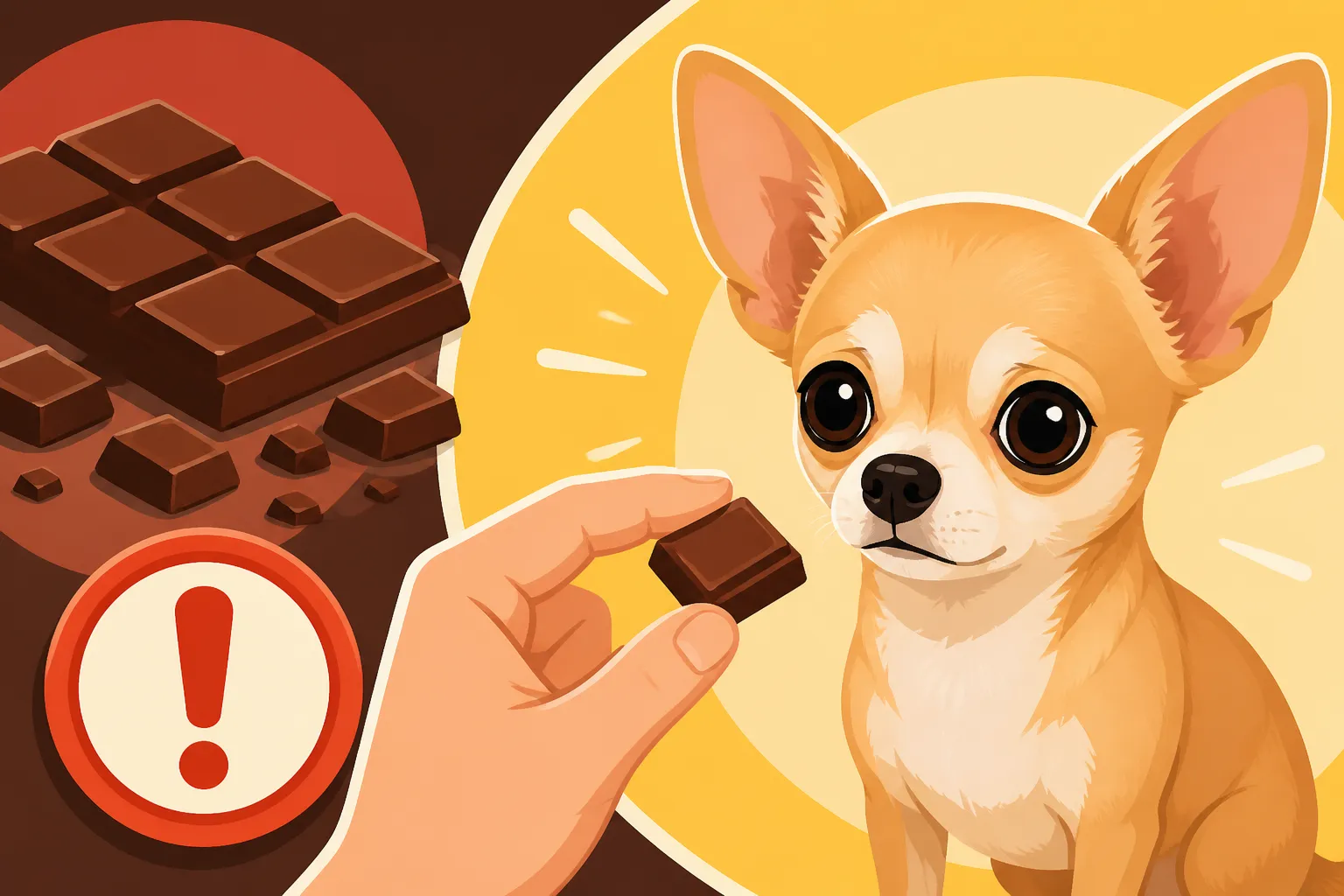
It's every Chihuahua parent's worst nightmare: you walk into the living room, and there it is – an empty chocolate wrapper, or worse, your tiny pup licking its lips with tell-tale brown smudges around their muzzle. The panic sets in instantly, and for good reason. What might be a minor upset stomach for a big Labrador can quickly become a life-threatening emergency for a six-pound Chihuahua. Because of their incredibly small size, the "dose" of chocolate they consume, even if it seems minuscule to us, can be disproportionately toxic, making vigilance and quick action absolutely critical. This guide will walk you through why chocolate is such a heightened risk for our pint-sized companions, how to spot the signs of trouble, and what crucial steps to take if your Chihuahua has a chocolate mishap.
The Science Behind Chocolate Toxicity in Chihuahuas
Understanding why chocolate is so dangerous for Chihuahuas really helps drive home the need for extreme caution. It's not just a myth or an old wives' tale; there's real chemistry at play that puts our little dogs at a significant disadvantage compared to larger breeds. Their tiny bodies just can't process it like ours, or even like a bigger dog's, leading to a much more intense and rapid toxic reaction.
The Toxic Component: Theobromine
The primary culprit in chocolate that makes it toxic to dogs is a compound called theobromine. It's a bitter alkaloid that's structurally similar to caffeine, and it acts as a stimulant. Humans can metabolize theobromine relatively quickly, which is why we can enjoy a chocolate bar without much fuss. Dogs, however, process it much, much slower. This means theobromine stays in their system for an extended period, accumulating to toxic levels and continuously stimulating their nervous system and heart.
Imagine a tiny motor running on overdrive for hours on end, unable to slow down or clear the fuel that's causing the acceleration. That's essentially what happens inside a Chihuahua. Their liver struggles to break down theobromine, and their kidneys work hard to excrete it, but the process is far too slow to prevent accumulation. This prolonged exposure and buildup of the stimulant is what leads to the severe symptoms we associate with chocolate poisoning. The amount of theobromine varies wildly between different types of chocolate, which we'll dive into next, but the underlying issue of slow metabolism remains constant for every dog, especially our little Chihuahuas.
Why Size Matters: Dosage and Body Weight
This is where the Chihuahua's toy size becomes their biggest vulnerability. Toxicity is always dose-dependent, meaning it's about how much of a substance a body ingests relative to its weight. For a human, a square of dark chocolate is negligible. For a 70-pound Golden Retriever, it might cause a mild tummy ache. But for a five-pound Chihuahua? That same square can be a massive overdose, enough to cause severe, life-threatening symptoms.
Think of it this way: a single gram of a harmful substance ingested by a 100-pound dog has a vastly different impact than that same gram ingested by a 5-pound dog. The concentration of the toxin per pound of body weight is exponentially higher in the Chihuahua. Their small organs have to work much harder to process even a tiny amount. This is also why things like Chihuahua Hypoglycemia and the Puppy Emergency are so critical—their small bodies simply have fewer reserves and a lower tolerance for anything that throws off their delicate internal balance. Even a tiny piece that falls on the floor, a single M&M, or a bite of a forgotten brownie can deliver a dangerously high dose of theobromine proportional to their meager body weight. This extreme sensitivity highlights why "just a little bit" is never okay for a Chihuahua. For more on how their size impacts their dietary needs and vulnerabilities, check out What Six Pounds Means for Chihuahua Food Safety.
Different Types of Chocolate, Different Levels of Danger
Not all chocolate is created equal when it comes to toxicity. The concentration of theobromine varies significantly depending on the type of chocolate. This is crucial information for any Chihuahua owner, as it can help you gauge the potential severity of a situation if an accidental ingestion occurs.
- White chocolate: Contains very little theobromine, meaning it's usually not a serious threat unless consumed in very large quantities. However, it's still high in sugar and fat, which can lead to pancreatitis or an upset stomach in a small dog.
- Milk chocolate: This is probably the most commonly encountered type. While it has less theobromine than dark chocolate, it's still dangerous. A small Chihuahua could become very sick from just a few ounces. A forgotten chocolate bar or some Easter candy can quickly become a serious issue.
- Dark chocolate, semi-sweet, and bittersweet chocolate: These are considerably more dangerous. The higher the cocoa content, the higher the theobromine levels. Even a small piece, say, half a regular-sized bar, could be fatal for a toy-sized dog. Baking chocolate often falls into this category, or even higher.
- Baking chocolate (unsweetened chocolate): This is the most potent and by far the most dangerous. It contains extremely high levels of theobromine. Just a small square, perhaps an ounce or two, could cause severe poisoning and potentially death in a Chihuahua.
- Cocoa powder: Also highly concentrated with theobromine, making it extremely toxic. Many chocolate desserts are made with cocoa powder, so even a lick of batter or a spoonful of pudding could be dangerous.
Here's a quick comparison to help visualize the difference:
| Chocolate Type | Theobromine Content (Relative) | Danger Level for Chihuahua | Common Scenarios |
|---|---|---|---|
| White Chocolate | Very Low | Low | Unlikely to cause severe toxicity |
| Milk Chocolate | Moderate | Medium to High | Candy bars, chocolate drops |
| Dark Chocolate | High | High | Gourmet bars, chocolate chips |
| Semi-Sweet/Bittersweet | Very High | Very High | Baking ingredients, specialty candy |
| Baking Chocolate | Extremely High | Extremely High | Unsweetened squares, cocoa powder |
Remember, even trace amounts from a dessert that contains chocolate can be enough to worry about with a tiny Chihuahua. Always assume the worst and contact your vet immediately if there's any suspicion of chocolate ingestion, especially with darker types.
Recognizing the Signs of Chocolate Poisoning in a Tiny Dog
The signs of chocolate poisoning can vary greatly depending on the amount and type of chocolate ingested, as well as your Chihuahua's individual sensitivity. However, because of their small body weight, symptoms can appear more rapidly and intensely than in larger breeds. Being able to recognize these indicators quickly is absolutely vital for a positive outcome. You can't just wait and see with a Chihuahua.
Early Symptoms and Behavioral Changes
When a Chihuahua has ingested a toxic dose of chocolate, the initial signs are often gastrointestinal upset and a change in demeanor. These can start anywhere from 2 to 4 hours after ingestion, though sometimes sooner, especially with more potent chocolate.
- Vomiting: This is one of the most common first signs. Your Chihuahua might vomit repeatedly, sometimes bringing up pieces of the chocolate itself. This is their body's attempt to expel the toxin.
- Diarrhea: Often accompanies vomiting, and can range from soft stools to watery diarrhea. The stool might contain bits of chocolate.
- Increased thirst: The stimulating effects of theobromine can cause dogs to feel dehydrated, leading to excessive drinking. You might notice them constantly heading to their water bowl.
- Restlessness or hyperactivity: Remember, theobromine is a stimulant. Your typically calm Chihuahua might suddenly be pacing, unable to settle down, panting excessively, or seem unusually agitated. They might even whine or bark more than usual. This is a crucial early warning sign that something is overstimulating their system.
- Increased urination: As their body tries to process and excrete the toxins, their kidneys go into overdrive, leading to more frequent trips to pee.
It's important to differentiate these signs from other common Chihuahua ailments, but when combined with suspected chocolate ingestion, they should trigger immediate concern. For example, a sugar crash from Why a Chihuahua Runs Out of Blood Sugar So Fast can cause weakness and trembling, which might be confused with some later-stage chocolate poisoning symptoms, but the initial restlessness and GI upset are more indicative of chocolate.
Severe Symptoms and Neurological Impact
If left untreated, or if a large enough dose of chocolate was consumed, the symptoms can rapidly progress to more severe and life-threatening conditions. These advanced signs usually point to a serious toxic overload impacting the nervous system and heart.
- Tremors and muscle rigidity: Your Chihuahua might start trembling uncontrollably, not just from cold or fear, but from muscle spasms or a general shakiness throughout their body. Their muscles might feel stiff to the touch.
- Seizures: This is a very serious symptom, indicating significant neurological damage. Seizures can range from mild twitching to full-body convulsions, often accompanied by loss of consciousness, drooling, and involuntary urination or defecation. This is an immediate emergency. If you're unsure if it's a seizure or a sugar crash, remember that A Chihuahua Seizure Caused by Low Blood Sugar can also occur, but the context of chocolate ingestion would point strongly to poisoning.
- Increased heart rate (tachycardia) and arrhythmias: Theobromine puts immense strain on the cardiovascular system. Your Chihuahua's heart might race dangerously fast, and you might even feel irregular beats if you place your hand on their chest. This can lead to sudden collapse or heart failure.
- Hyperthermia (elevated body temperature): Due to the increased metabolic activity and muscle tremors, their body temperature can rise to dangerous levels.
- Weakness and collapse: As their body struggles under the toxic load, they may become extremely weak, disoriented, and eventually collapse.
- Coma and death: In the most severe and untreated cases, the central nervous system depression can lead to a coma, and ultimately, death.
Any observation of these severe symptoms warrants an immediate emergency trip to the veterinary clinic. Don't delay, as every minute counts when dealing with a tiny dog's system overwhelmed by toxins.
Immediate Action: What to Do If Your Chihuahua Eats Chocolate
When you suspect your Chihuahua has eaten chocolate, panic is a natural reaction. However, dwelling on it won't help your tiny friend. What will help is taking immediate, decisive action. This isn't a situation where you can afford to "wait and see" for an hour or two; their small size means the clock is ticking much faster. For general guidance on ingestion emergencies, you might find The First Call After a Chihuahua Swallows Something useful, but specifically for chocolate, the following steps are crucial.
Assessing the Risk: How Much, What Kind, and When
Before you even make the call to the vet, gather as much information as possible. This will help your veterinarian quickly assess the severity of the situation and guide their advice.
- What kind of chocolate? This is the most important question. Was it a milk chocolate chip, a dark chocolate truffle, or a piece of unsweetened baking chocolate? Try to be as specific as possible about the cocoa content if you know it (e.g., "70% dark chocolate" or "Hershey's milk chocolate bar"). If it was a mixed item, like a chocolate cake, note the other ingredients, as some can also be harmful (like xylitol, which is highly toxic).
- How much was eaten? Try to estimate the quantity. Was it a tiny bite, a full square, half a bar, or an entire bag of M&Ms? The wrapper can often tell you the total weight. If you're unsure, it's always better to overestimate.
- When was it eaten? Roughly how many minutes or hours ago did this happen? This helps the vet determine how much of the toxin might have already been absorbed into your Chihuahua's system.
- How is your Chihuahua acting? Are they showing any symptoms yet? Are they restless, vomiting, trembling, or seem normal?
Armed with this information, call your veterinarian or an emergency animal hospital immediately. Do not try to induce vomiting at home without direct instruction from a vet. Inducing vomiting incorrectly can cause more harm than good, especially in a small, stressed dog. Your vet will advise you on whether to come in, what to watch for, and if any first aid steps are appropriate.
Emergency Veterinary Care and Treatment Options
Once you've made that crucial call, your vet will likely want you to bring your Chihuahua in right away, especially if it's been a recent ingestion or if symptoms are already appearing. Time is truly of the essence for such a small dog.
Upon arrival, the veterinary team will perform a thorough examination and may initiate various treatments based on the information you provide and your Chihuahua's current condition:
- Inducing vomiting: If the chocolate was ingested very recently (typically within 1-2 hours) and your Chihuahua isn't already showing severe symptoms, the vet may administer medication (like apomorphine or hydrogen peroxide in a controlled dose) to safely induce vomiting. This is the most effective way to remove the toxins from their system before they are fully absorbed.
- Activated charcoal: After vomiting, or if inducing vomiting isn't an option, activated charcoal may be given. This substance binds to toxins in the digestive tract, preventing them from being absorbed into the bloodstream, and allows them to pass safely through the stool.
- Supportive care: For Chihuahuas showing symptoms, supportive care will be critical. This often involves:
- Intravenous (IV) fluids: To help flush toxins from the system, maintain hydration, and support organ function.
- Medications to control symptoms: Anti-nausea medications, anti-seizure drugs (if seizures are occurring), or heart medications to stabilize their rhythm.
- Monitoring: Your Chihuahua will be closely monitored for heart rate, blood pressure, temperature, and neurological status. This might involve an overnight stay or even several days in the hospital, depending on the severity of the poisoning.
The prognosis for chocolate poisoning in Chihuahuas is generally good if treatment is sought promptly. However, delays can significantly worsen the outcome, making it vital to act quickly and follow your vet's advice without hesitation. Emergency bills can be substantial, so while it might be tempting to monitor at home, the risk to your Chihuahua is simply too great, especially given their fragile size and propensity for rapid decline. You can often discuss payment plans or options with your vet, but your dog's life comes first.
Prevention: Keeping Your Chihuahua Safe from Chocolate Hazards
As with most dangers, prevention is truly the best medicine, especially when you have a curious, pint-sized Chihuahua sharing your home. It's not enough to simply try to keep chocolate away; you need a fortress-like approach because a Chihuahua can get into places you might not even consider. They are masters of creative counter-surfing, even for their size, or finding dropped crumbs.
Securing Chocolate in Your Home
Making your home a "chocolate-free zone" for your Chihuahua means vigilance and smart storage. It requires a mindful approach from everyone in the household.
- Out of Sight, Out of Reach, Locked Away: This is your mantra. Don't just place chocolate on a high shelf. Chihuahuas are surprisingly good climbers, jumpers, and can scale stacks of boxes or climb onto chairs. Store all chocolate, including cocoa powder, baking chocolate, and even chocolate-scented items like candles or cosmetics, in sealed containers within locked cabinets or in a pantry where they absolutely cannot access it. Remember, they can chew through packaging!
- Mind the Muggles (Humans): Educate every member of your household, especially children and guests, about the extreme danger of chocolate to your Chihuahua. Make it clear that no chocolate of any kind is ever to be given to the dog, and they should be meticulous about not leaving any unattended. A small child's dropped candy bar can be fatal.
- The Kitchen is a Danger Zone: Be extra careful when cooking or baking with chocolate. Keep your Chihuahua out of the kitchen entirely when chocolate is present. If you drop any, clean it up immediately and thoroughly. A tiny crumb can be a significant dose for your dog.
- Beware of "Hidden" Chocolate: Think beyond obvious candy bars. Chocolate can be in protein bars, coffee drinks, flavored yogurts, certain cereals, and even some pet-safe looking treats that might contain trace amounts not truly safe for a tiny dog. Always read labels carefully.
For more general hazards around the house, take a look at The Kitchen and Garden Dangers for a Chihuahua. It's shocking how many everyday items can pose a serious threat to a dog of their size.
Training and Management Strategies
Beyond simply securing your chocolate stash, you can empower your Chihuahua with training and manage their environment to further reduce risk. These strategies are about proactive safety, not just reactive cleanup.
- "Leave It" and "Drop It" Commands: These are invaluable commands for any dog, but especially for a Chihuahua who might try to snatch a dropped item. Consistently practice "leave it" to teach them not to pick up items from the floor or table, and "drop it" to release something they've already grabbed. Start with low-value items and gradually work your way up. This might sound like Training a Chihuahua Exactly Like a Big Dog, and it absolutely is, because these commands are critical for their safety.
- Supervision is Key: Never leave your Chihuahua unsupervised in a room where chocolate might be accessible. If you're leaving the room, even for a moment, take your Chihuahua with you, secure them in their crate, or put them behind a baby gate in a designated safe area. Chihuahua Crate Training can be a lifesaver in these situations, providing a safe, chocolate-free haven.
- Safe Treat Options: Make sure your Chihuahua always has access to appropriate, safe chew toys and treats. This can reduce their temptation to seek out forbidden human foods. You can find a wide variety of Chihuahua-sized, healthy treats and chews on reliable platforms like
ChewyorAmazon. Many companies likeOlliealso offer carefully formulated human-grade dog food options that keep them away from potentially harmful ingredients found in our own meals. For appropriate treat ideas that fit their tiny calorie budget, refer to Chihuahua Treats Inside a Tiny Calorie Budget. - Routine and Predictability: A consistent routine with regular feeding times and designated play spaces can help reduce anxiety or boredom that might lead to your Chihuahua exploring forbidden areas for snacks.
By combining meticulous storage with solid training and consistent supervision, you can significantly reduce the risk of your precious Chihuahua ever falling victim to chocolate poisoning. It's a constant effort, but their well-being is absolutely worth it.
Disclaimer
This article is for general informational purposes only and does not constitute professional advice. Laws, prices and regulations vary by location and change over time. Consult a qualified professional for guidance on your specific situation.