What Six Pounds Means for Chihuahua Food Safety
It’s easy to look at a tiny Chihuahua, barely weighing more than a bag of sugar, and think feeding them must be simple. A little bit of this, a little bit of that, and they’re good to go, right? Unfortunately, that couldn't be further from the truth. The very thing that makes our Chihuahuas so adorable – their minuscule size – also makes them incredibly vulnerable to a host of food-related dangers. This guide is dedicated to helping you understand exactly what six pounds means for your Chihuahua's food safety, from precise calorie counting to guarding against everyday toxins and choking hazards.
The Unique Challenges of Feeding a Tiny Chihuahua
When you bring a Chihuahua into your home, you're welcoming a dog that operates on a completely different scale than most other breeds. This isn't just about their physical stature; it dictates their dietary needs, their vulnerability to toxins, and even the way their bodies process food. What might be a mild stomach upset for a Labrador could be a life-threatening emergency for a Chihuahua.
Miniature Size, Outsized Risks
Imagine a dog so small that an extra half-ounce of kibble is the equivalent of a human eating an entire extra meal. That's the reality for a Chihuahua. Their tiny bodies have less physiological buffer against almost everything. When it comes to food safety, this means their systems are far more susceptible to being overwhelmed. A small amount of a toxic substance that a larger dog might process without much fanfare can send a Chihuahua into critical condition very quickly. We're talking about substances like chocolate or certain artificial sweeteners where a mere lick or dropped crumb could have devastating effects. Their reduced body mass means a higher concentration of any ingested substance per pound of body weight, intensifying its impact. This isn't just theoretical; it's why Chihuahua owners have to be meticulously vigilant about what their dogs are exposed to, both intentionally and accidentally.
The Metabolism of a Toy Breed
Chihuahuas aren't just small; they're also metabolic powerhouses. Their tiny frames burn through calories at an astonishing rate, maintaining their body temperature and fueling their energetic personalities. This rapid metabolism, while making them seem endlessly spry, also leaves them particularly susceptible to Chihuahua Hypoglycemia and the Puppy Emergency, a dangerous drop in blood sugar. For a Chihuahua puppy, especially, going too long without food can lead to weakness, disorientation, and even seizures. This is why consistent meal timing isn't just a good habit; it's a critical safety measure. Unlike larger breeds that might occasionally skip a meal or two without serious consequences, a Chihuahua's small liver has limited glycogen stores, making them unable to "bounce back" from missed meals easily. You might find yourself setting alarms to ensure your tiny companion eats regularly, a task that feels foreign to owners of bigger, less metabolically demanding dogs.
Understanding Calorie Needs for a Miniature Metabolism
One of the biggest pitfalls for Chihuahua owners, despite their small size, is unintentionally overfeeding. Because they are so small, even a slight miscalculation in their daily calories can lead to significant health problems. Getting their food portions right is a precision sport.
Precise Portion Control is Non-Negotiable
Forget the "fill the bowl" method that some larger dog owners might get away with. For a Chihuahua, precise portion control is absolutely non-negotiable. Their daily caloric needs are remarkably low, often hovering around 200-300 calories for an adult, depending on their activity level and individual metabolism. To put that in perspective, a single slice of cheese or a few large dog treats could easily account for a quarter or even half of their entire daily allowance. This is why measuring food by weight on a kitchen scale, rather than by volume with a scoop, is highly recommended. A measuring cup can be notoriously inaccurate, varying by as much as 20-30% depending on how tightly packed the kibble is. Knowing your dog's exact caloric requirement, as outlined in articles like Daily Calories for a Three to Seven Pound Chihuahua, and then meticulously weighing their food, ensures they receive exactly what they need without excess. This level of precision might seem extreme, but it's vital for their long-term health and preventing obesity.
The Danger of Even a Few Extra Calories
When a Chihuahua is only five or six pounds, even an extra half-pound of body weight translates to a significant percentage increase in their overall mass – sometimes as much as 10% or more! This isn't just about aesthetics; that seemingly small amount of extra weight can have profound health consequences. For instance, an overweight Chihuahua is at a much higher risk for conditions like Patellar Luxation, the Chihuahua's Commonest Joint Problem, where their kneecaps slip out of place. The added strain on their tiny joints accelerates wear and tear, exacerbating a condition many Chihuahuas are already predisposed to. Similarly, excess weight can worsen respiratory issues like Collapsing Trachea and the Chihuahua Honking Cough, as fat deposits around the neck and chest put extra pressure on their delicate windpipes. We discuss the broader implications in Chihuahua Obesity on a Six Pound Frame. Even seemingly innocuous treats can become problematic. A few extra training treats, or a small piece of cheese given daily, can easily push them over their caloric limit, setting them on a path towards obesity and all the related health issues. Owners often underestimate the caloric density of human foods or even many dog treats, making accidental overfeeding a constant battle without strict vigilance.
Why Toxin Ingestion is Magnified in a Small Dog
Our homes are full of things that pose little to no threat to a human, or even a large dog, but become incredibly dangerous for a Chihuahua. Their small size means their dose of a toxin per pound of body weight is significantly higher, turning a minor exposure into a major emergency.
Common Household Foods That Become Deadly
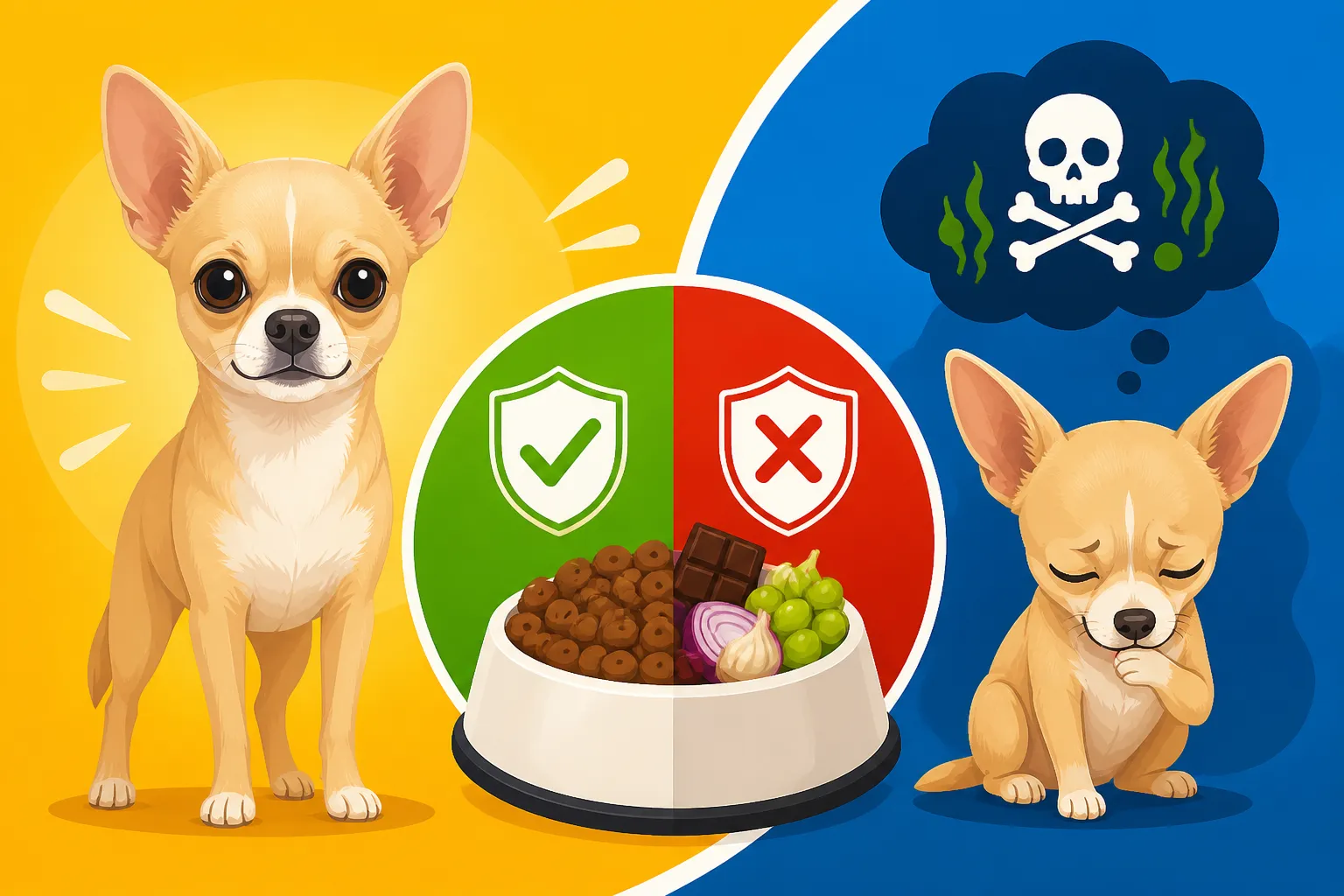
It's heartbreaking how quickly common household foods can turn fatal for a tiny Chihuahua. We drop a grape, leave a chocolate bar on the coffee table, or sweeten our coffee with xylitol-containing gum, and we might not think twice about it. But for a dog weighing mere pounds, these seemingly innocent items are potent poisons. Grapes and raisins, for example, can cause acute kidney failure in dogs, and the toxic dose is unknown, meaning even one or two can be catastrophic for a Chihuahua. Chocolate contains theobromine, and while a large dog might just get an upset stomach from a small piece, the same amount relative to a Chihuahua's body weight can cause tremors, seizures, and heart problems. Then there's xylitol, an artificial sweetener found in sugar-free gum, candies, certain peanut butters, and even some toothpastes. Xylitol causes a rapid release of insulin in dogs, leading to a precipitous drop in blood sugar (hypoglycemia), liver failure, and death. It's shockingly potent, and even a small stick of gum can be deadly. Foods That Are Fatal at Chihuahua Body Weight delves deeper into these specific dangers. Owners must maintain an extreme level of vigilance, always double-checking ingredient labels and keeping all human foods and sweets securely out of reach.
Medication and Supplement Overdoses at Small Weight
Beyond human foods, our own medications and supplements pose an enormous, often overlooked, risk. Many common over-the-counter pain relievers, like ibuprofen or acetaminophen, are highly toxic to dogs. A single human-sized pill, or even a child's dose, can be lethal for a Chihuahua. Imagine a five-pound dog ingesting a 200mg ibuprofen tablet – that's an enormous dose for their tiny system, potentially leading to kidney failure, stomach ulcers, and neurological issues. Similarly, human supplements, even those marketed as "natural," can contain ingredients that are harmful to dogs, or they might be in concentrations far too high for a Chihuahua. For instance, iron supplements can cause severe gastrointestinal distress and organ damage. It’s crucial that all medications, whether for humans or for the dog themselves, are stored safely and administered only under strict veterinary guidance. Any change in your Chihuahua's behavior or health, no matter how subtle, after potential exposure to any substance should prompt an immediate call to your vet or an animal poison control center.
Choking Hazards: More Than Just Bone Size
When we think of choking hazards, our minds often jump to large bones. But for a Chihuahua, the list is far more extensive, encompassing items that wouldn't even register as a threat for bigger breeds. Their tiny mouths, narrow throats, and enthusiastic eating habits mean vigilance is key.
Sizing Food and Treats Appropriately
The size and texture of your Chihuahua's food matter immensely. Kibble that's too large can become a direct choking hazard, especially if they try to gulp it down. On the other hand, if the kibble is too small, some Chihuahuas might swallow it whole without chewing, which can contribute to dental issues over time. Finding the right Kibble Small Enough for a Chihuahua Mouth is a delicate balance. When it comes to treats, extreme caution is necessary. Many commercially available dog treats are designed for larger breeds and can be far too big or too hard for a Chihuahua. Hard chews or rawhides can break off into sharp, swallowable pieces that can obstruct their tiny esophagus or trachea. Always choose treats specifically designed for toy breeds, or break larger treats into very small, manageable pieces. Even human food scraps, if offered, must be meticulously cut into minuscule, boneless portions. A sliver of chicken bone, harmless to a larger dog, can easily get lodged in a Chihuahua's throat, requiring emergency veterinary intervention.
Non-Food Items as Ingestion Risks
Chihuahuas are naturally curious, and their low vantage point means they often explore the world with their noses and mouths. This makes almost any small object on the floor a potential ingestion risk. Beyond food, small toys, tiny pieces of plastic, buttons, coins, rubber bands, or even threads and string can be swallowed. These items, while not toxic, can cause serious internal blockages, requiring expensive and dangerous surgery. I once knew a Chihuahua who ate a tiny plastic button that had fallen off a shirt – it seemed insignificant, but it caused a dangerous obstruction. This isn't just about puppy-proofing; it's about Chihuahua-proofing your entire home, scanning floors regularly for anything small enough for them to pick up. Their inquisitive nature means they'll sniff out every dropped item, and their size means they can get into surprisingly tight spaces to find things. It's a constant battle, but one that is essential for their safety.
Food Allergies and Sensitivities in a Delicate System
Just like humans, Chihuahuas can suffer from food allergies and sensitivities. Given their delicate systems, pinpointing and managing these issues requires a careful and dedicated approach to their diet.
Identifying Allergic Reactions and Intolerances
Identifying food allergies or intolerances in a Chihuahua can be frustrating because the symptoms often mimic other common conditions. You might notice persistent itching, which can manifest as excessive scratching, licking their paws, or rubbing their face against furniture. Sometimes it leads to irritated or inflamed skin, and even patches of hair loss, a topic covered in Chihuahua Skin Allergies and Hair Loss. Chronic ear infections, recurring skin infections, and gastrointestinal upset such as vomiting, diarrhea, or frequent soft stools are also common indicators. It's important to differentiate between an allergy, which is an immune system response, and an intolerance, which is a digestive issue. Both cause discomfort, but their physiological mechanisms differ. Pinpointing the exact trigger can be like finding a needle in a haystack, as many commercial dog foods contain a multitude of ingredients. It requires patience and a systematic approach, often in consultation with your veterinarian, to correctly diagnose and manage these reactions.
Navigating Special Diets and Limited Ingredients
Once a food sensitivity is suspected, your vet will often recommend an elimination diet. This involves feeding your Chihuahua a novel protein source (one they've never eaten before, like duck or venison) and a single carbohydrate (like sweet potato) for several weeks. During this time, absolutely no other foods, treats, or even flavored medications can be given. This strict protocol is designed to eliminate all potential allergens from their diet, allowing their system to "reset." If symptoms improve, ingredients are slowly reintroduced one by one to identify the culprit. This process, explored further in Getting Through an Elimination Diet With a Chihuahua, can be challenging and requires immense dedication from the owner. Thankfully, many pet food companies, including trusted brands like Chewy, offer a wide range of limited ingredient diets (LID) or novel protein options, making it easier to manage once the allergen is identified. Some fresh food services, such as Ollie, also allow for customization, providing a simpler way to control ingredients and portions for sensitive Chihuahuas. It's a commitment, but one that drastically improves your Chihuahua's quality of life.
Safe Storage and Preparation to Prevent Illness
The way you store and prepare your Chihuahua's food is just as critical as the food itself. Contamination, spoilage, and improper handling can lead to bacterial infections that, for a small dog, can quickly become serious.
Proper Food Storage to Avoid Contamination
Just like human food, your Chihuahua's kibble, wet food, or fresh food needs to be stored properly to maintain its nutritional integrity and prevent contamination. Kibble should always be kept in an airtight container, ideally in its original bag inside the container, to protect it from moisture, pests, and exposure to air which can cause fats to go rancid. Rancid food can cause digestive upset and even long-term health issues. For wet or fresh food, any unused portion must be refrigerated immediately and discarded after a few days, just like human leftovers. If you opt for fresh food delivery services like Ollie, their packaging and portioning often simplify storage, but it's still crucial to follow their guidelines precisely. Never leave your Chihuahua's food bowl out for extended periods, especially in warm weather, as this creates a breeding ground for bacteria. Promptly removing and washing the bowl after each meal prevents the build-up of harmful pathogens that could make your tiny companion very sick.
Water Safety and Hydration
Access to fresh, clean water is paramount for your Chihuahua's health and safety. Their small bodies can dehydrate rapidly, especially if they experience vomiting or diarrhea. Their water bowl should be cleaned daily – yes, every day – to prevent the growth of bacteria, algae, and yeast that can cause illness. Just like we wouldn't drink from a dirty cup, our Chihuahuas deserve sparkling clean water. If your Chihuahua is particular, consider using filtered water. When traveling, always carry fresh water and a collapsible bowl, as detailed in Chihuahua Carriers and Travel Bags, to ensure they don't have to drink from questionable sources. Chihuahua Water Intake at Low Body Weight highlights just how important this simple step is. Be mindful of outdoor water sources like puddles, ponds, or even communal dog park water bowls, which can harbor harmful parasites and bacteria. Encouraging consistent hydration is one of the easiest yet most impactful ways to safeguard your Chihuahua's health.
The Role of Supplements and Hydration for Tiny Chihuahuas
Just because a Chihuahua is small doesn't mean they don't benefit from carefully considered supplements or require specific attention to their hydration. However, their size also makes supplement use a nuanced discussion that always warrants veterinary consultation.
When Supplements Are Beneficial (and When They Aren't)
When it comes to supplements for a Chihuahua, it's a bit of a double-edged sword. On one hand, certain supplements can genuinely support their unique needs, particularly as they age or if they have specific health conditions. For example, glucosamine and chondroitin are often recommended for Chihuahuas prone to or suffering from Chihuahua Arthritis in the Teenage Years or Patellar Luxation, the Chihuahua's Commonest Joint Problem, as these can help support joint health. Fish oils, rich in omega-3 fatty acids, can benefit skin, coat, and even cognitive function. On the other hand, giving unnecessary supplements, or incorrect dosages, can be harmful. Because Chihuahuas are so tiny, even a slightly off dose can be an overdose. It's crucial to consult your veterinarian before adding any supplement to your Chihuahua's regimen. They can assess whether a supplement is truly needed, recommend a high-quality product, and provide the correct dosage for your dog's specific weight and health status. As discussed in Supplements a Chihuahua Does Not Need, avoiding supplements not specifically recommended by your vet is often the safest approach to prevent adverse reactions or unintended consequences.
Ensuring Adequate Hydration
We’ve touched on water safety, but let’s talk about hydration itself. Chihuahuas, with their fast metabolisms and sometimes shallow breathing, can be prone to dehydration more easily than larger dogs, especially in warm weather or during periods of excitement. It's not just about having a bowl of water available; it's about making sure they actually drink it. Some Chihuahuas can be finicky about their water. Try different bowl types (stainless steel, ceramic, glass), experiment with water fountains to entice them, or even add a splash of low-sodium chicken broth to their water if they're particularly resistant. For dogs that eat primarily dry kibble, consider adding a little warm water to their meals to increase their fluid intake. Monitoring their daily water consumption is important, and recognizing the subtle signs of dehydration – sticky gums, sunken eyes, loss of skin elasticity – can be life-saving. Remember, maintaining proper hydration is fundamental to every bodily function, from digestion to kidney health, and for a small Chihuahua, it’s a constant and vital consideration.
Recognizing and Responding to Food-Related Emergencies
Despite our best efforts, accidents can happen. A dropped pill, an open pantry door, or a curious sniff can lead to your Chihuahua ingesting something dangerous. Knowing the signs of a food-related emergency and how to respond immediately is critical for a toy breed.
Signs of Food Poisoning or Toxin Ingestion
The symptoms of food poisoning or toxin ingestion in a Chihuahua can vary depending on the substance, but they often manifest rapidly and intensely due to their small size. Look out for:
- Vomiting and Diarrhea: This is often one of the first and most common signs. It might be severe or contain unusual substances.
- Lethargy and Weakness: Your normally energetic Chihuahua might become unusually quiet, slow, or unable to stand.
- Tremors or Seizures: Particularly with neurotoxins like chocolate or xylitol, these can be frightening and indicate a severe emergency.
- Excessive Drooling: A sign of nausea, stomach upset, or even an oral irritant.
- Abdominal Pain: Your Chihuahua might whine, have a tense belly, or refuse to be touched.
- Changes in Heart Rate or Breathing: Rapid or labored breathing, or an irregular heartbeat, signals a serious problem.
- Loss of Appetite or Refusal to Drink: While not immediate, this is a worrying sign of generalized illness.
Remember, a Chihuahua's small body means their systems can be overwhelmed quickly. Even subtle changes should be treated with urgency.
Immediate Actions and Veterinary Care
If you suspect your Chihuahua has ingested something toxic or harmful, the very first step is to call your veterinarian immediately, or an emergency veterinary clinic if it's after hours. Time is absolutely of the essence. Do not wait to see if symptoms develop further. Be prepared to tell them:
- What you think your Chihuahua ate.
- How much of it they might have eaten.
- When they ate it.
- Any symptoms you have observed.
- Your Chihuahua's approximate weight.
Never try to induce vomiting at home without direct instruction from a vet. Some substances can cause more harm coming back up, and inducing vomiting incorrectly can lead to aspiration pneumonia. Your vet will advise you on the best course of action, which might involve bringing your Chihuahua in for immediate treatment, including induced vomiting (if appropriate), activated charcoal to absorb toxins, IV fluids, or supportive care. Having emergency contacts for your regular vet and the nearest 24-hour animal hospital saved in your phone is a must for any Chihuahua owner, as outlined in The Emergency Bills That Reach Chihuahua Owners. For suspected hypoglycemia, which can mimic toxin ingestion, having Emergency Sugar for a Collapsing Chihuahua Puppy on hand, such as Karo syrup or glucose gel, and knowing how to administer it can buy you precious time on the way to the vet. Proactive preparation can make all the difference in these scary situations.
Navigating Chihuahua Food Choices and Considerations
The sheer volume of dog food options on the market can be overwhelming for any pet owner, but for a Chihuahua, making the right choice has magnified importance. It’s not just about what tastes good, but what is safe and truly nourishing for their unique physiology.
Decoding Dog Food Labels for Tiny Breeds
Understanding dog food labels is a critical skill for any Chihuahua owner. You're looking for quality ingredients and an appropriate nutritional profile, especially since their calorie intake is so limited. The first few ingredients listed should be whole, identifiable protein sources (like chicken, lamb, or fish), not vague "meat by-products" or excessive fillers. While grain-free diets have been popular, recent research suggests potential links between certain grain-free foods and heart conditions in some breeds, so always discuss this with your vet. Beyond ingredients, pay close attention to the guaranteed analysis, which tells you the percentages of protein, fat, fiber, and moisture. For a Chihuahua, a moderately protein-rich diet is typically appropriate, but your vet can give specific recommendations based on their age, activity level, and any underlying health conditions. Also, check for an AAFCO (Association of American Feed Control Officials) statement, which indicates the food is nutritionally complete and balanced for a specific life stage (e.g., "for maintenance" or "for growth and reproduction"). Many brands available on platforms like Chewy make this information readily accessible online, so you can research thoroughly before buying.
The Debate Between Kibble, Wet, and Fresh Food
The choice between kibble, wet food, or fresh/raw diets is a deeply personal one, with pros and cons specific to Chihuahuas.
- Kibble: Often the most convenient and cost-effective, good quality kibble provides complete nutrition. The challenge is finding a kibble size truly appropriate for a Chihuahua's tiny mouth and ensuring they chew it rather than swallowing whole. It also tends to be lower in moisture.
- Wet Food: Higher in moisture content, wet food can be great for hydration and is often very palatable, which can be helpful for picky eaters or those with dental issues. However, wet food can contribute to faster plaque buildup if not managed with daily brushing, a serious concern given Chihuahua Dental Disease in a Crowded Small Jaw.
- Fresh Food (Cooked or Raw): Services like Ollie specialize in fresh, human-grade, cooked meals delivered to your door, often pre-portioned for your dog's specific caloric needs. This can offer excellent digestibility and hydration, and precise ingredient control for dogs with sensitivities. Raw diets are another option, but they carry significant risks of bacterial contamination (for both dog and human) and can be nutritionally unbalanced if not expertly prepared. For a Chihuahua, the small bones in raw diets can also be choking hazards or cause internal damage, making them a choice that demands extreme caution and expert guidance.
Ultimately, the best choice is one that provides complete and balanced nutrition, is safe, and suits your Chihuahua’s individual needs and your lifestyle, always with a vet’s blessing.
Managing Dietary Changes and Picky Eaters
Chihuahuas can be notoriously picky eaters, and introducing new foods or managing necessary dietary changes can feel like an uphill battle. Doing it safely and successfully requires patience and strategy.
Safely Transitioning to New Foods
Sudden dietary changes can cause gastrointestinal upset in any dog, but for a Chihuahua, with their sensitive digestive systems, it can lead to severe vomiting and diarrhea, rapidly escalating to dehydration or hypoglycemia. Therefore, any food transition must be done slowly and carefully over a period of 7-10 days, or even longer for particularly sensitive Chihuahuas. Start by mixing a small amount of the new food (about 10-25%) with their old food. Over the next week, gradually increase the proportion of the new food while decreasing the old, closely monitoring your Chihuahua for any signs of digestive distress. If you notice soft stools or vomiting, slow down the transition even further or consult your vet. This gradual approach allows their digestive system to adapt to the new ingredients and prevents unnecessary stress on their small body. This is crucial whether you're switching kibble brands, moving to wet food, or trying a fresh food option from a provider like Ollie.
Strategies for the Picky Chihuahua
Ah, the picky Chihuahua – a familiar challenge for many owners! It can be frustrating when your tiny companion turns up their nose at a perfectly good meal. First, rule out any underlying health issues. A sudden loss of appetite could indicate dental pain (a very common issue for the breed), nausea, or other illnesses, making a vet visit essential. If medical causes are ruled out, here are some strategies:
- Warm it Up: Gently warming wet or fresh food (or even adding a little warm water to kibble) can enhance the aroma and make it more appealing.
- Add a Topper: A tiny bit of plain cooked chicken, salmon, or a small sprinkle of a safe, palatable food topper can entice them. Be mindful of their calorie budget! Many owners find specific toppers available on Chewy or Amazon useful for this.
- Establish a Routine: Offer food at set times for 15-20 minutes. If they don't eat, pick it up and offer it again at the next scheduled meal. This teaches them that food isn't available 24/7.
- Minimize Treats: If your Chihuahua is filling up on treats throughout the day, they won't be hungry for their meals.
- Change Bowls/Location: Some Chihuahuas are sensitive to the type of bowl or even the location where they eat. Experiment with different materials or a quieter eating spot.
Patience is key. Most healthy Chihuahuas will eventually eat when they are truly hungry, but persistence and a little creativity can go a long way in encouraging consistent eating habits.
| Food Item | Safe for Chihuahuas? | Notes |
|---|---|---|
| Cooked Chicken (plain) | Yes | Lean protein, no bones, no seasoning. Cut into tiny pieces. |
| Carrots (raw/cooked) | Yes | Good for teeth and fiber, cut into small, bite-sized pieces to prevent choking. |
| Apple Slices (no seeds) | Yes | Remove seeds and core, cut into very small chunks. |
| Blueberries | Yes | Small amount. Antioxidant-rich, cut in half for tiny Chihuahuas. |
| Green Beans | Yes | Steamed or raw, no seasoning. Excellent low-calorie snack. |
| Plain Yogurt (no xylitol) | Yes | Small amount. Good source of probiotics, ensure no artificial sweeteners. |
| Grapes & Raisins | No | Highly toxic, even small amounts can cause kidney failure. |
| Chocolate | No | Contains theobromine, toxic; darker chocolate is more dangerous. |
| Xylitol | No | Artificial sweetener, causes rapid insulin release, leading to severe hypoglycemia and liver failure. |
| Onions & Garlic | No | Can cause red blood cell damage (anemia). Includes powders. |
| Avocado | No | Persin (in pit, skin, leaves) can be toxic; pit is a choke hazard. |
| Cooked Bones | No | Splinter easily, causing internal damage or obstruction. |
| Macadamia Nuts | No | Can cause weakness, tremors, and hyperthermia. |
| Alcohol | No | Highly toxic, even small amounts cause severe reactions. |
| Caffeine | No | Stimulant, can cause heart palpitations, tremors, and seizures. |
| Yeast Dough | No | Can expand in stomach, causing bloat, and produce alcohol. |
Disclaimer
This article is for general informational purposes only and does not constitute professional advice. Laws, prices and regulations vary by location and change over time. Consult a qualified professional for guidance on your specific situation.