Chihuahua Adolescence and Sudden Boldness
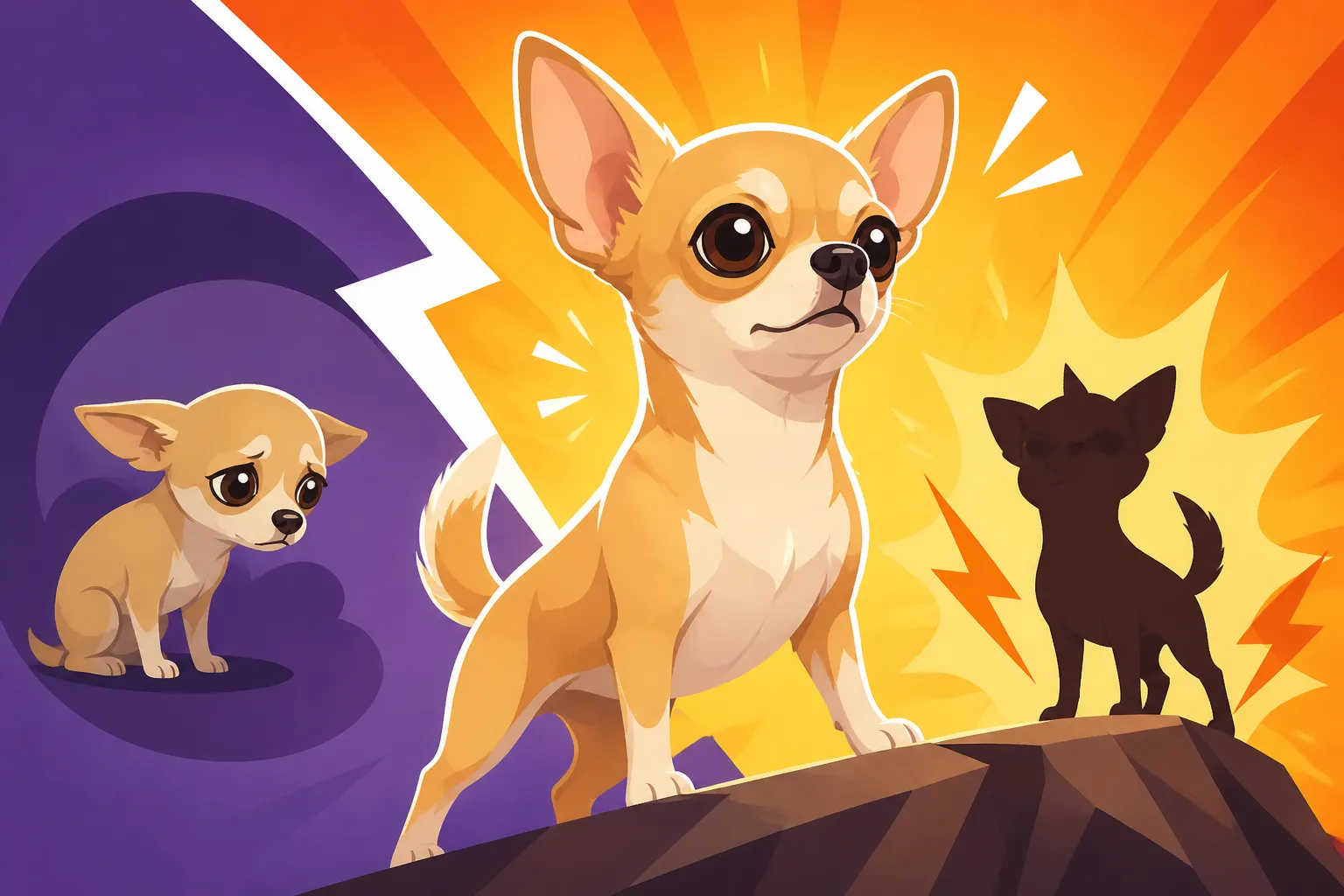
You’ve nurtured your tiny Chihuahua through those adorable puppy months, celebrating every potty success and marveling at their quick learning. Then, almost overnight, your sweet, attentive little companion seems to transform into a furry, four-legged teenager with a sassy attitude and a sudden disregard for everything they once knew. This guide is here to walk you through the often-frustrating, but completely normal, phase of Chihuahua adolescence, explaining why your once-obedient pup is suddenly bolder and how you can gently guide them back to being the well-mannered adult you know they can be.
Understanding Chihuahua Adolescence: More Than Just a Growth Spurt
Just like human teenagers, Chihuahuas go through an awkward, sometimes rebellious, phase. It's not personal, it's just biology and development doing their thing! Knowing what to expect can make all the difference in navigating this period with patience and a sense of humor.
The Timeline of a Chihuahua's Teenage Years
While every dog is an individual, Chihuahuas generally enter adolescence a bit earlier than larger breeds. You might start noticing these changes anywhere from six to nine months of age, and they can last until your Chihuahua is between 18 months and two years old. This isn't just a mental shift; it's a period of significant physical maturation as well. Their bodies are finishing up their growth, their adult coat is fully coming in, and internally, a whole lot of hormonal activity is happening. Those early signs, like a sudden selective hearing or a new interest in things they previously ignored, are often the first hints that your little one is stepping into their "teenage" shoes. It’s a time when you might feel like you're losing the puppy you had, but rest assured, they're still in there, just figuring out their place in the world.
Hormonal Havoc: What's Happening Inside
The biggest driver of adolescent behavior is hormones. If your Chihuahua isn't spayed or neutered, their bodies are flooding with hormones that influence everything from their energy levels to their social interactions. For male Chihuahuas, this might mean a new urge to mark territory, even indoors, or a sudden fascination with the smells left by female dogs. For females, heat cycles bring their own set of behavioral changes, including increased vocalization, restlessness, and a very strong desire to explore.
Beyond the obvious reproductive behaviors, these hormones contribute to a general sense of "testing" their environment and their place within it. They're feeling more confident, sometimes overly so, and might challenge boundaries that they once accepted without question. Even if your Chihuahua has been spayed or neutered, they still go through a similar developmental phase, though some of the more intense hormone-driven behaviors like strong marking or heat cycles will be absent. It's a fundamental part of their brain development, where they're processing new information and trying to solidify their understanding of the world. For a more detailed look at the changes after surgery, you might want to read about Neutering and Chihuahua Behavior Changes.
Regression Isn't Failure: It's a Stage
One of the most disheartening aspects of Chihuahua adolescence for many owners is the sudden regression in training. Your perfectly house-trained pup might have accidents indoors again. Your recall, once reliable, might now be ignored in favor of an interesting smell or a distant squirrel. Don't despair, and don't take it as a sign that you've failed as a trainer! This isn't about forgetting; it's about re-evaluating. During adolescence, a Chihuahua's brain is undergoing significant changes, and what was once a strong neural pathway for a command might temporarily weaken as new connections are being formed.
Think of it like a human teenager who suddenly decides they know better than their parents, even when faced with logic. Your Chihuahua is testing limits, seeing what they can get away with, and trying to assert their independence. This is a crucial period for them to learn that rules are still rules, even when they feel more confident. Consistency, patience, and going back to basics with positive reinforcement are your best tools here. It's not about punishing them for "bad" behavior, but rather about redirecting and reinforcing the desired behaviors, reminding them of the lessons they learned in their early weeks. Recalling those early lessons from The Chihuahua Puppy Curriculum Month by Month can be incredibly helpful.
The Manifestation of "Sudden Boldness" in Your Tiny Terror
So, what exactly does this "sudden boldness" look like in a Chihuahua? It's often a mix of testing your boundaries, reacting more intensely to their environment, and sometimes, a burst of new confidence that can be both endearing and exasperating.
Testing Boundaries and Ignoring Commands
Your adolescent Chihuahua might suddenly "forget" basic commands they once knew perfectly. You call "come!" and they give you a look that clearly says, "Do I have to?" or simply ignore you and continue sniffing that interesting patch of grass. This isn't necessarily defiance, but rather a re-evaluation of priorities. The world is a much more exciting place to an adolescent dog than it was to a puppy. They're driven by instincts and curiosity, and sometimes, those drives outweigh the ingrained desire to please.
You might also find them pushing limits they never dared to before, like jumping on furniture they were previously not allowed on, or trying to steal food off counters. They're experimenting with their environment and seeing what boundaries are truly firm and which ones might be flexible. It’s a critical time for you to reinforce those boundaries with unwavering consistency. Every time they get away with something, that behavior becomes a little more ingrained. This phase can feel like a game of "cat and mouse," but remember, you're building the foundation for their adult behavior.
Increased Reactivity and Barking
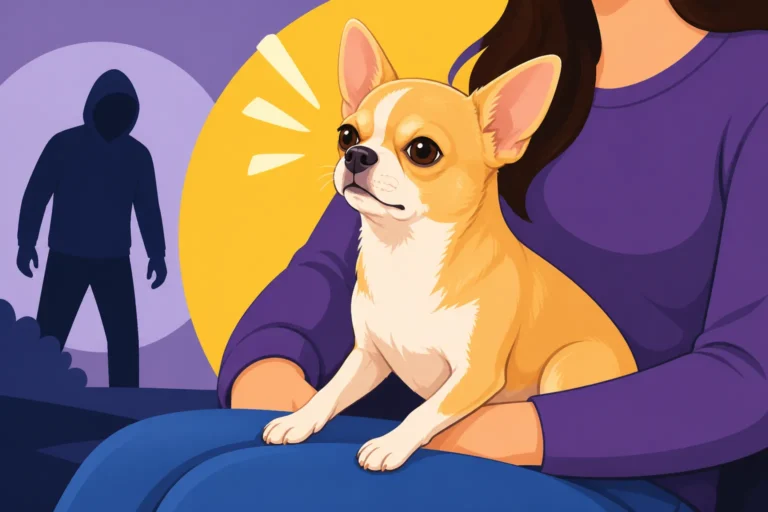
Adolescence can bring an increase in reactivity. Your Chihuahua might start barking more at things they used to ignore – passersby, other dogs, the mail carrier, or even shadows. This can stem from a combination of hormones making them feel more territorial or anxious, and simply a heightened awareness of their surroundings. Their world is expanding, and they're noticing more things, and not always understanding them. This can sometimes develop into Chihuahua Fear Reactivity, the Breed's Real Problem if not managed carefully.
For a small dog, barking is a primary defense mechanism. Feeling bolder, they might feel more empowered to "warn off" perceived threats. This could manifest as barking at dogs much larger than them, or becoming more vocal when visitors arrive. It’s important to understand why they are barking before you try to stop it. Are they genuinely scared? Are they excited? Are they trying to protect you or their home? Knowing the trigger is key to effective management, which we'll discuss in the next section, but it's important to remember that this new vocalization is a common sign of their developmental stage. For more specific insights into this, check out Chihuahua Barking and What Sets a Six Pound Dog Off.
New Confidence, New Challenges
While some of the adolescent behaviors can be frustrating, this period also brings a surge of new confidence. Your Chihuahua might be more willing to explore new places, engage with novel objects, or even interact more readily with unfamiliar people (or dogs, if safely introduced). This confidence is a good thing – it means they're growing into a well-adjusted dog! However, it can also present new challenges.
For example, a more confident Chihuahua might decide that guarding their favorite toy or even their human lap is a good idea, leading to resource guarding behaviors. This is when they might growl or snap if someone approaches them while they have a prized possession. They might also become more adventurous in their indoor potty habits, deciding that a corner of the rug is just as good as their designated spot, especially if they haven't been fully house-trained with complete consistency during their puppyhood. You might find some useful tips in Chihuahua Resource Guarding and Snapping to address these behaviors proactively.
Navigating the Adolescent Storm: Strategies for Success
Dealing with an adolescent Chihuahua requires a combination of patience, consistency, and a willingness to revisit foundational training. It’s about being their steadfast guide through this period of intense change.
Reinforcing the Basics: Back to Puppy School (or equivalent)
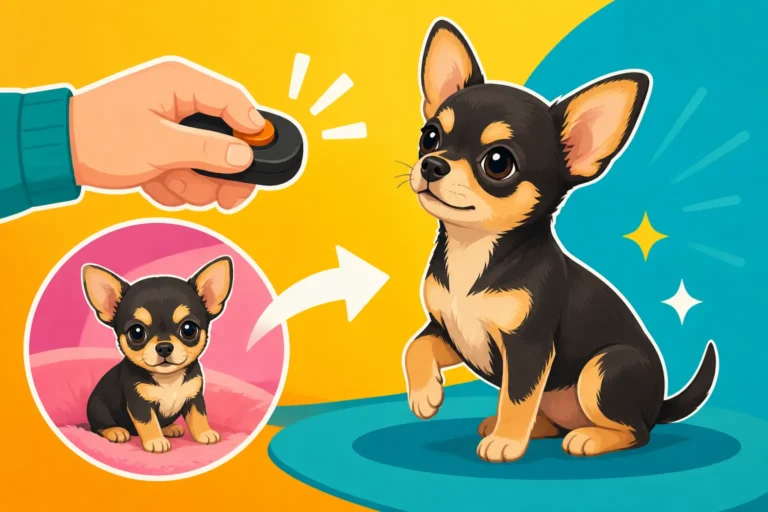
The absolute best thing you can do during Chihuahua adolescence is to go back to basics. Pretend for a moment that your Chihuahua has forgotten everything, and patiently reteach those essential commands and manners. Short, frequent training sessions (just 3-5 minutes a few times a day) are far more effective than long, drawn-out ones. Use high-value treats and enthusiastic praise to make training fun and rewarding. This isn't just about the commands; it's about rebuilding good habits and reinforcing that you are still the reliable source of good things.
Consider enrolling in another obedience class, even if you’ve already done one. An intermediate class, or even just attending a "refresher" puppy class, can be invaluable. The new environment and distractions will challenge your Chihuahua to focus on you, and the instructor can offer personalized guidance. If a physical class isn't feasible, there are excellent online programs, like those offered by BAXTER & Bella, that provide structured curricula and support to help you through various training stages, including adolescence. The key is to be more consistent than your Chihuahua is rebellious. Remember, Training a Chihuahua Exactly Like a Big Dog is the way to go, even if they're tiny.
Managing the Environment to Prevent Problems
Prevention is always easier than correction. During adolescence, managing your Chihuahua's environment is crucial to set them up for success and prevent them from practicing unwanted behaviors. If they're counter-surfing, make sure counters are clear. If they’re having potty accidents, increase potty breaks and consider keeping them on a leash indoors or in a secure playpen when you can't actively supervise them. For house training regression, revisiting techniques in House Training a Chihuahua With a Tiny Bladder can be extremely beneficial.
Using baby gates or exercise pens can help restrict access to certain areas of the house where they might get into trouble or practice marking. For dogs that are suddenly more reactive to things outside the window, consider using window film or simply drawing the blinds during peak activity times. Provide plenty of appropriate chew toys and puzzle feeders to keep their active minds and mouths busy, especially if they're home alone. You can find a huge variety of these on Amazon, from snuffle mats to interactive treat dispensers. A well-managed environment reduces opportunities for them to practice undesirable behaviors, making it easier for you to reinforce the good ones.
Building Confidence Positively, Not Indulging Bad Habits
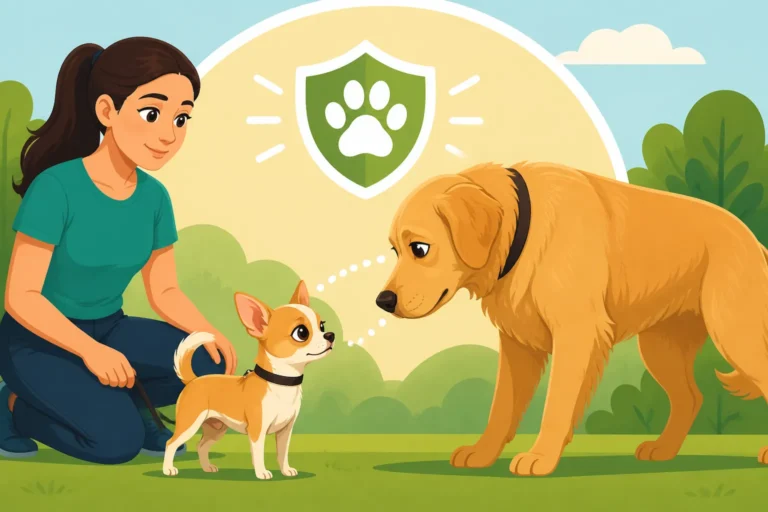
It's tempting to excuse some of the "bold" behaviors in a small Chihuahua, like allowing them to bark at bigger dogs or pick them up every time they seem scared. However, this often reinforces problem behaviors and can lead to what’s known as Small Dog Syndrome and Why It Is Not Genetic. Instead, focus on building their confidence in a positive, structured way. Continue to socialize them carefully, ensuring positive interactions with other well-behaved dogs of appropriate size, and with calm, respectful people.
For a Chihuahua that's feeling more confident but maybe a little too pushy, teach them "consent" behaviors. Instead of just picking them up, teach them to step into your hands. This gives them agency and reduces anxiety, fostering a stronger bond based on trust. Reward bravery and curiosity when it's appropriate, but always ensure they understand boundaries. If they try to guard a toy, gently exchange it for a high-value treat, then immediately return the toy, teaching them that your approach is a good thing, not a threat. Your goal is to shape a confident, well-adjusted adult, not an indulged tyrant.
When Boldness Becomes a Bigger Problem: Seeking Professional Help
While a certain degree of "boldness" and testing boundaries is normal during adolescence, there are times when these behaviors can escalate into something more concerning. Knowing when to reach out for professional guidance is key to ensuring both your peace of mind and your Chihuahua's well-being.
Identifying When to Call a Trainer
If you find yourself constantly frustrated, if the behaviors are not improving despite consistent efforts, or if your Chihuahua's "boldness" is starting to involve aggression (like frequent snapping, growling, or biting), it's definitely time to bring in a professional. A certified professional dog trainer or a veterinary behaviorist can observe your Chihuahua's behavior in context and help you understand the underlying motivations. They can then create a tailored training plan that addresses your specific challenges. This is especially true if the behaviors are making you feel unsafe, or if your Chihuahua is becoming a danger to themselves or others.
Don't wait until the problem becomes insurmountable. Early intervention is always more effective. A good trainer will use positive, force-free methods and teach you how to communicate effectively with your Chihuahua. They can offer strategies for fear reactivity, resource guarding, or persistent house-training issues that feel beyond your control. When looking for a trainer, make sure they have experience with small breeds and understand their unique needs, as sometimes the subtle cues of a tiny dog can be missed by those only used to larger breeds.
Considering Medical Factors for Behavior Changes
It's easy to attribute all behavioral changes during adolescence to hormones or stubbornness, but it's vital to rule out any underlying medical issues. A sudden increase in barking, irritability, or house-soiling could potentially be linked to pain or discomfort. For example, a Chihuahua suffering from joint pain due to conditions like patellar luxation might become snappy if touched unexpectedly, or they might resist walking, leading to indoor accidents.
Similarly, an adult Chihuahua might develop a medical condition like diabetes or kidney disease that impacts their behavior, even if they're only just finishing adolescence. Always consult with your veterinarian if there's a sudden, unexplained shift in behavior, especially if it's accompanied by physical symptoms like changes in appetite, thirst, or energy levels. A full veterinary check-up can provide peace of mind and ensure that any medical issues are addressed promptly, allowing you to focus on behavioral training with confidence that your Chihuahua is physically well.
| Adolescent Chihuahua Behavior | What it Looks Like | Possible Underlying Reason (Normal) | How to Address (General) |
|---|---|---|---|
| Selective Hearing | Ignoring commands, not coming when called | Testing boundaries, brain development | Go back to basics, high-value rewards, consistency |
| House Training Regression | Accidents in the house after being trained | Hormones, testing limits, distraction | More frequent potty breaks, leash supervision |
| Increased Barking | Barking at new things, increased reactivity | Hormones, territoriality, fear | Identify triggers, counter-condition, manage environment |
| Resource Guarding | Growling/snapping over toys, food, or people | New confidence, insecurity | Exchange, trade, desensitize (seek professional help if severe) |
| Increased Chewing/Destruction | Chewing inappropriate items, destructive behavior | Boredom, anxiety, teething (if late) | Provide appropriate chews, increase mental exercise |
| Pushy/Demanding | Nudging for attention, jumping | Seeking attention, learned behavior | Ignore unwanted demands, reward calm behavior |
Disclaimer
This article is for general informational purposes only and does not constitute professional advice. Laws, prices and regulations vary by location and change over time. Consult a qualified professional for guidance on your specific situation.