Losing Half a Pound Safely on a Chihuahua
It’s incredibly easy for a tiny Chihuahua to gain weight without you even noticing at first. After all, when your furry companion only weighs a few pounds to begin with, how much difference can an extra half-pound really make? As it turns out, a whole lot! That small amount of extra weight can significantly impact their health and quality of life. This guide will walk you through the surprising importance of even minor weight gain for Chihuahuas and how to safely and gently help your little friend shed those crucial extra ounces.
Why Half a Pound Matters So Much for a Chihuahua
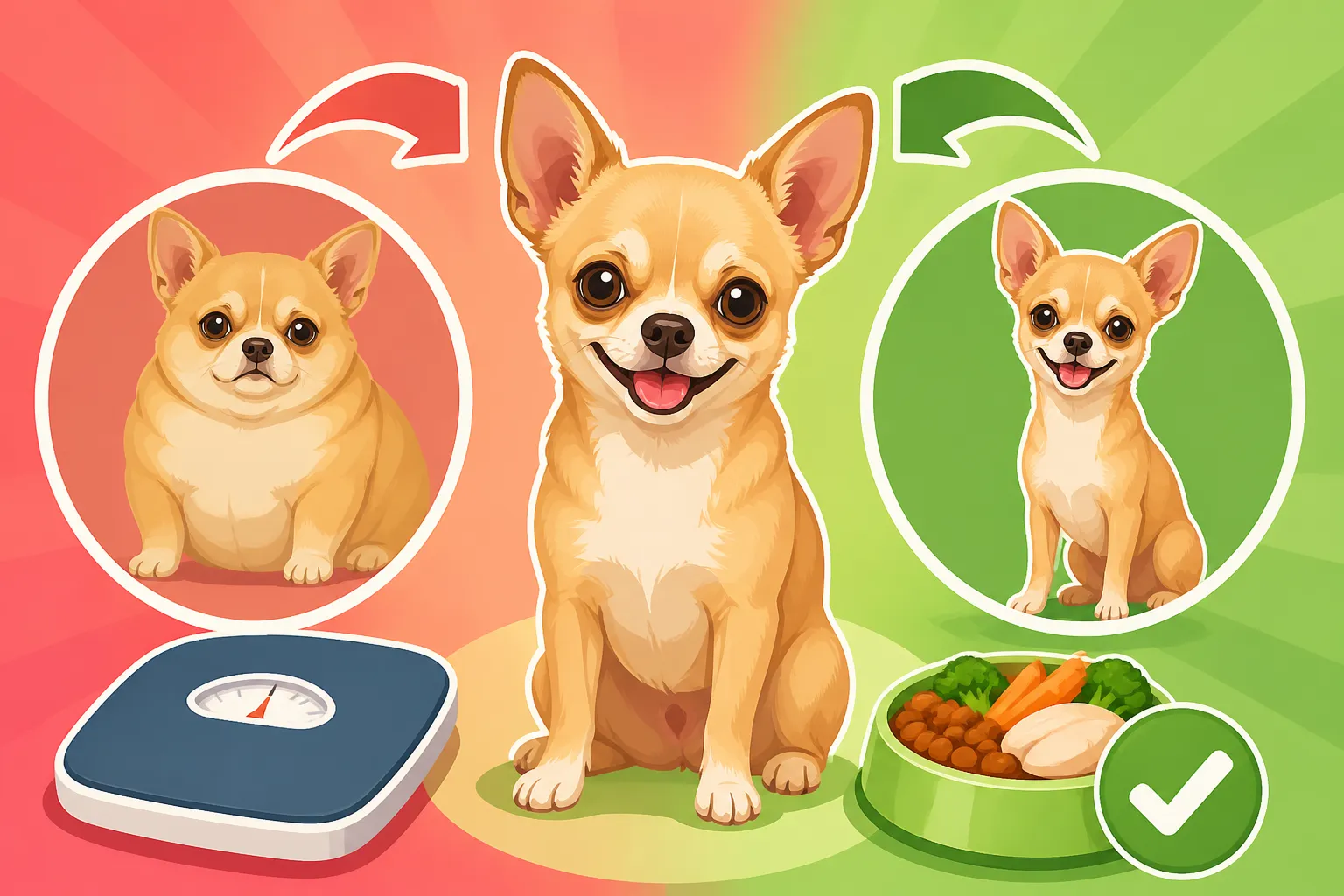
When we talk about weight gain in dogs, a half-pound might sound like nothing. For a Labrador, it’s a rounding error. But for a Chihuahua, it’s a considerable chunk of their total body mass. If your Chihuahua normally weighs five pounds, gaining half a pound is a 10% increase in body weight! Imagine if you gained 10% of your body weight – you’d definitely feel it, and so does your tiny companion.
The Tiny Scale of a Chihuahua's Body
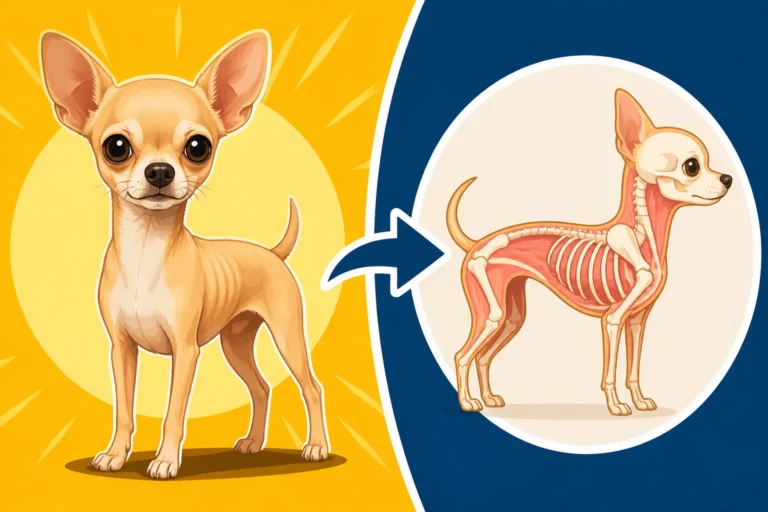
Think about the delicate structure of a Chihuahua: fine bones, tiny joints, and a compact frame. Every single ounce makes a difference. When a Chihuahua carries an extra half-pound, their little legs and joints are carrying a disproportionately heavy load. It's like asking a small child to carry a backpack filled with bricks; it's just too much for their frame. This added strain can accelerate wear and tear on their joints and ligaments, making them more prone to discomfort and serious conditions. It's a subtle change you might not immediately notice on the scale, but their body is working harder with every step.
This isn't just about appearance; it's about biomechanics. Their small stature means that even a little extra fat pushes against vital organs, crowds their already compact chest cavity, and makes simple movements more strenuous. We delve deeper into this specific challenge in our article, Chihuahua Obesity on a Six Pound Frame, explaining just how critical it is to maintain their ideal weight. It's a constant battle, especially as they get older, but one that is absolutely worth fighting for their long-term health.
Health Risks Compounded by Extra Weight
The consequences of even slight obesity in a Chihuahua aren't just uncomfortable; they can be genuinely life-shortening. One of the most common issues we see exacerbated by extra weight is Patellar Luxation, the Chihuahua's Commonest Joint Problem. This is where their kneecap slips out of place, and carrying excess weight puts immense pressure on those already vulnerable knee joints, making luxation more frequent and painful. Over time, it can lead to severe arthritis and even necessitate costly surgeries.
Beyond joint problems, that extra half-pound can also worsen respiratory conditions like Collapsing Trachea and the Chihuahua Honking Cough. Chihuahuas are already predisposed to this condition due to their delicate windpipes. When they gain weight, fat can accumulate around the trachea, further constricting the airway and making breathing more difficult, leading to more frequent coughing spells and reduced exercise tolerance. Their hearts also work harder to pump blood through a larger body mass, increasing the risk or severity of conditions like Chihuahua Heart Disease as the Breed Ages. Even something like diabetes can become a higher risk when a Chihuahua carries too much fat. It's truly shocking how a seemingly insignificant amount of weight can trigger or worsen such a wide array of serious health issues.
Assessing Your Chihuahua's Body Condition
Before you even think about diet changes, it's crucial to accurately assess your Chihuahua's current body condition. It’s not just about looking at a number on the scale, especially since Chihuahuas can vary a bit in their ideal weight range. What matters most is what you see and feel.
The Ribs, Waist, and Tummy Tuck Test
This is where your hands become your best tool. The best way to know if your Chihuahua is at a healthy weight is to perform a simple body condition score (BCS) check. You should be able to easily feel your Chihuahua's ribs when you lightly run your hands along their sides without having to press hard. You shouldn't see them prominently, but you should definitely feel them. If you have to dig your fingers in to feel their ribs, they're likely carrying too much weight.
Next, look at them from above. Do they have a noticeable "waist" — an indentation behind their ribs before their hips? A healthy Chihuahua should have a clear waistline. If they look more like a little sausage or a cylinder, it's time to consider a weight loss plan. Finally, observe them from the side: do they have a "tummy tuck"? Their abdomen should tuck up slightly from their ribcage to their hind legs, not hang down or be parallel to the ground. If you're struggling to feel those ribs or see a waist, our guide Feeling a Chihuahua's Ribs and Waist offers more detailed tips and visuals to help you get a perfect read on your dog's shape. This hands-on assessment is far more telling than just the number on the scale, giving you a true picture of their body fat.
Beyond the Scale: Reading Other Clues
Sometimes, your Chihuahua will tell you they're carrying too much weight even before the scale or your hands do. Have you noticed them being a bit more sluggish during playtime? Are they less enthusiastic about walks, or do they struggle more going up and down stairs or jumping onto the sofa? These can all be subtle behavioral cues that extra weight is making everyday activities more difficult. They might seem generally less energetic or simply prefer to nap more.
It's also worth paying close attention during your regular vet visits. Your veterinarian is an expert at assessing body condition and can give you an objective, professional opinion on whether your Chihuahua needs to lose a few ounces. They can also rule out any underlying medical conditions that might be contributing to weight gain or making weight loss more challenging. Never underestimate the importance of your vet's input when it comes to any health changes, including weight. They can offer invaluable guidance and ensure any weight loss plan is tailored safely to your specific dog.
Crafting a Safe and Effective Weight Loss Plan
Once you've confirmed your Chihuahua needs to shed a few ounces, it's time to put a plan into action. This isn't about drastic changes, which can be dangerous for tiny dogs, but about consistency and precision.
Precision Feeding: Every Calorie Counts
When a dog only needs around 200 calories a day, as many Chihuahuas do, every single calorie matters. This isn't a situation where you can eyeball portions with a measuring cup. You need extreme precision. Investing in a small digital kitchen scale is non-negotiable for a Chihuahua on a weight loss journey. You must weigh their food to the gram. Our article Weighing Chihuahua Food on a Kitchen Scale explains exactly why this is so critical for such a tiny breed. A single extra piece of kibble can be a significant caloric surplus for them.
Start by gradually reducing their current food intake, working closely with your vet to determine the appropriate calorie target. They can help you calculate your Chihuahua’s ideal daily caloric needs based on their target weight and activity level. Look for high-quality, low-calorie dog foods specifically formulated for small breeds, and consider options from brands like Chewy or Ollie that offer pre-portioned, customized meal plans. These services can take a lot of the guesswork out of calorie counting. Remember, rapid weight loss can be incredibly dangerous for Chihuahuas, potentially leading to Chihuahua Hypoglycemia and the Puppy Emergency, a serious drop in blood sugar. Slow and steady is the golden rule here, aiming for a loss of about 1-2% of their body weight per week, which for a 5-pound Chihuahua, is about 0.05 to 0.1 pounds.
Smart Snacking and Portion Control
Those little training treats and tiny bites of human food add up incredibly fast for a Chihuahua. When trying to help your Chihuahua lose weight, you need to be hyper-aware of all calories consumed, not just their main meals. This means re-evaluating their treats. Instead of traditional dog biscuits, consider using tiny pieces of fresh vegetables like green beans, carrots, or apple slices (without seeds). These are low in calories and can be very satisfying for your dog. You can often find pre-portioned, healthy treat options on platforms like Amazon or Chewy, which can help you stick to calorie goals.
Crucially, any treats given throughout the day must be factored into their daily calorie budget. If your Chihuahua gets 20 calories in treats, then their meal portions need to be reduced by 20 calories. It sounds meticulous, but for a dog operating on such a small caloric intake, it's vital. Our guide, Chihuahua Treats Inside a Tiny Calorie Budget, offers more ideas for healthy, low-calorie snacks that won't derail your efforts. It’s about making smart choices and being mindful of every morsel.
Gentle and Consistent Exercise
While diet is paramount for weight loss, exercise plays a crucial supporting role. For a Chihuahua, this doesn't mean marathon runs or intense agility courses. It means gentle, consistent activity that fits their small size and any potential joint issues. Aim for multiple short walks throughout the day – perhaps 10-15 minutes, two or three times a day. If outdoor conditions aren't ideal (too hot, too cold, or too wet), indoor play can be just as effective. A game of fetch in the living room or using puzzle toys to engage their mind and body can provide valuable movement.
Be mindful of their limits. If your Chihuahua has Chihuahua Patellar Luxation, the Chihuahua's Commonest Joint Problem or Collapsing Trachea and the Chihuahua Honking Cough, strenuous exercise can be detrimental. Short, controlled bursts of activity are better than one long, exhausting session. You can find a wide array of engaging puzzle toys and indoor enrichment items on Amazon or Chewy that can help burn calories mentally and physically. For more insights into appropriate activity levels, check out Chihuahua Exercise for a Dog That Fits in a Bag. The goal is to increase their metabolism and build lean muscle mass without putting undue strain on their tiny bodies.
Monitoring Progress and Adjusting the Plan
Embarking on a weight loss journey with your Chihuahua requires patience and diligent monitoring. You won't see dramatic changes overnight, and that's exactly how it should be to ensure safety.
Regular Weigh-Ins and Goal Setting
Once you start a new feeding and exercise plan, consistent monitoring is key. You should weigh your Chihuahua weekly, always at the same time of day (e.g., first thing in the morning before breakfast) using the same scale. A digital kitchen scale is usually perfect for this. Record their weight each time to track progress.
Set small, realistic goals. Aim for a loss of about 0.05 to 0.1 pounds per week. Losing half a pound might take several weeks, or even a couple of months, and that's perfectly normal and healthy. If your Chihuahua is 5 pounds, losing 0.1 pounds in a week is a 2% reduction, which is a fantastic pace for such a tiny dog. Celebrate these small victories! If you notice weight loss stalling, or if they seem to be losing too quickly, it's a sign to reassess their calorie intake and exercise level.
Here's a quick comparison of what to look for:
| Feature | Ideal Weight Chihuahua | Slightly Overweight Chihuahua |
|---|---|---|
| Ribs | Easily felt with light pressure, not visible | Harder to feel, requiring more pressure, may be covered by fat |
| Waist | Clearly visible indentation behind ribs | Less defined or absent waist, body appears more cylindrical |
| Abdominal Tuck | Noticeable tuck-up from ribcage to hind legs | Little to no tuck-up, abdomen may sag or be parallel to ground |
| Energy Level | Active, playful, enthusiastic about walks | May be slightly more sluggish, less eager to play or move |
| Breathing | Easy and quiet, even after light activity | May sound a bit heavier, slight panting with minimal exertion |
| Joint Mobility | Agile, moves freely, jumps easily (within reason) | May show stiffness, reluctance to jump, or a hesitant gait |
When to Consult Your Veterinarian
While this guide provides a solid framework, any weight loss plan for a Chihuahua should always be supervised by your veterinarian. They can provide accurate calorie calculations, recommend specific diets, and ensure that your Chihuahua's underlying health isn't compromised. If you find that your Chihuahua isn't losing weight despite your best efforts, or if they seem unusually lethargic, weak, or unwell during the process, contact your vet immediately.
Sometimes, there might be an underlying medical reason for weight gain or difficulty losing weight, such as a metabolic issue. Your vet can perform tests to rule these out. They can also help you adjust the plan, perhaps tweaking food types or recommending a different exercise regimen. The journey to a healthy weight is a partnership between you and your vet, ensuring your beloved Chihuahua stays safe and thrives for years to come. For specific concerns about their golden years, our post Senior Chihuahua Care Past the Age of Twelve offers valuable insights that can tie into maintaining a healthy weight as they age.
Disclaimer
This article is for general informational purposes only and does not constitute professional advice. Laws, prices and regulations vary by location and change over time. Consult a qualified professional for guidance on your specific situation.