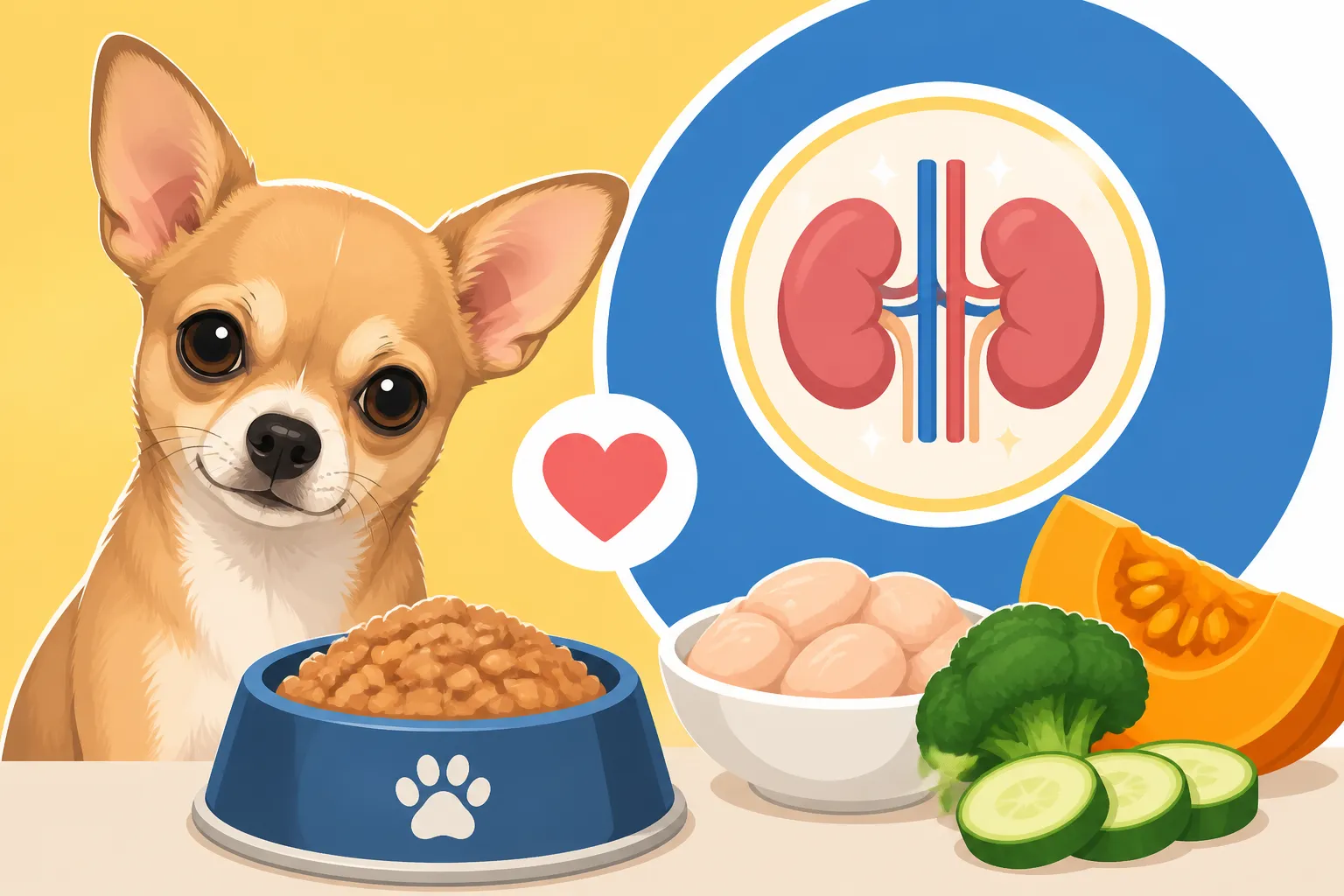
Feeding a Chihuahua With Kidney Disease
It’s a tough moment when you learn your beloved Chihuahua is facing kidney disease. For such a tiny dog, every health challenge feels amplified, and kidney issues, especially as they get older, can be particularly worrying for us as owners. The thought of drastically changing their diet, when they might already be picky eaters, can feel overwhelming. This guide is here to walk you through the specifics of feeding a Chihuahua with kidney disease, helping you understand the 'why' behind dietary changes and offering practical strategies to keep your little companion comfortable and nourished.
Understanding Kidney Disease in Chihuahuas and Its Dietary Impact
Kidney disease, also known as renal disease, is a common ailment in older dogs, and Chihuahuas, with their impressively long lifespans, are certainly not immune. When those tiny kidneys start to lose their function, they can no longer efficiently filter waste products from the blood or maintain the body's delicate balance of fluids and electrolytes. This can lead to a build-up of toxins, making your Chihuahua feel unwell, lethargic, and often, nauseous. It's a progressive condition, meaning it tends to worsen over time, but diet plays an absolutely critical role in slowing its progression and improving your dog's quality of life. Understanding how this disease uniquely affects a small breed like a Chihuahua is the first step in effective management.
How Kidney Disease Manifests in Tiny Breeds
Because Chihuahuas are so small, even a slight decline in kidney function can have a more pronounced and rapid effect on their system compared to a much larger dog. Their small body mass means they have less physiological buffer against toxin build-up or electrolyte imbalances. You might notice subtle changes at first: maybe they're drinking a little more water, or having accidents indoors despite being perfectly house-trained. Later, you might see a decrease in appetite, weight loss, or a general lack of energy. Kidney Disease in a Long-Lived Chihuahua is a challenge many owners face, and it's essential to catch these signs early.
The metabolic demands on a Chihuahua's body are intense, even at their tiny size. When kidneys aren't working properly, waste products like urea and creatinine accumulate, which can make your dog feel nauseous and less inclined to eat. This creates a challenging cycle: they need proper nutrition to maintain their strength, but the disease itself makes them not want to eat. Furthermore, their small size means that dehydration can occur much more rapidly, and maintaining proper hydration is absolutely vital for kidney health. This delicate balance makes dietary management not just important, but truly life-sustaining for a Chihuahua with renal disease.
The Foundational Role of Diet in Managing Renal Health
Dietary therapy is arguably the most crucial component in managing kidney disease in Chihuahuas. The goal of a renal diet isn't to cure the disease, but rather to slow its progression and alleviate the clinical signs that make your dog uncomfortable. This is primarily achieved by reducing the workload on the kidneys. Key components of a renal diet generally include controlled levels of protein, phosphorus, and sodium, along with increased omega-3 fatty acids and often, B vitamins.
Protein, while essential, needs to be of high quality and in appropriate amounts. Too much protein can create more waste products for the kidneys to filter, exacerbating the problem. However, restricting protein too severely can lead to muscle wasting and malnutrition, which is particularly dangerous for a small dog already prone to weight loss. Phosphorus restriction is another cornerstone of kidney diets, as elevated phosphorus levels can further damage the kidneys and contribute to other systemic issues. Sodium is often reduced to help manage blood pressure and fluid retention. Essential fatty acids, especially omega-3s, are included for their anti-inflammatory properties, which can help support remaining kidney function. Crafting a diet that achieves all these goals while remaining palatable for a picky Chihuahua requires careful thought and veterinary guidance.
Navigating Specialized Diets: From Prescription to Home-Prepared
Once kidney disease is diagnosed, your veterinarian will likely recommend a specific dietary plan. This isn't a one-size-fits-all situation, and what works best for one Chihuahua might not be ideal for another, especially considering their individual preferences and the stage of their disease. The primary options usually fall into commercial prescription diets or carefully formulated home-cooked meals. No matter the path, the goal is always to provide complete and balanced nutrition that supports kidney function without causing additional strain.
The Benefits and Challenges of Commercial Renal Diets
Commercial prescription renal diets are meticulously formulated to meet the specific nutritional needs of dogs with kidney disease. They come in both wet and dry forms, offering a range of options from brands like Hill's Prescription Diet, Royal Canin Veterinary Diet, or Purina Pro Plan Veterinary Diets. These diets have precisely controlled levels of protein, phosphorus, and sodium, and are often supplemented with omega-3 fatty acids and antioxidants. The biggest benefit is their convenience and the assurance that they are nutritionally complete and balanced for kidney support. You can often order these specialized foods directly through your vet or reputable online retailers like Chewy, ensuring a consistent supply.
However, the challenge often lies in getting a Chihuahua to eat them. Chihuahuas can be notoriously finicky, and a sudden change to a new texture or flavor can be met with stubborn refusal. If your Chihuahua is already struggling with a decreased appetite due to nausea, introducing a "new" food can be an uphill battle. It might take patience and persistence, perhaps mixing small amounts of the new food with their old food, or trying different textures (wet vs. dry, pâté vs. stew) until you find something they will accept. Remember, caloric intake is critical, so finding any renal diet they'll eat is more important than holding out for a specific brand or type. For many senior Chihuahuas, wet food might be more appealing, especially if they are also dealing with Feeding an Old Chihuahua That Has Lost Molars.
Exploring Vet-Approved Home-Cooked and Fresh Options
For Chihuahuas who absolutely refuse commercial renal diets, or for owners who prefer to feed fresh food, a home-cooked or vet-approved fresh diet can be an alternative. This path, however, comes with a significant caveat: it must be formulated by a board-certified veterinary nutritionist. Simply reducing protein or phosphorus in a homemade meal isn't enough; getting the balance of all essential nutrients correct for a dog with compromised kidneys is incredibly complex, especially for a tiny Chihuahua where small errors can have big consequences. A properly formulated homemade renal diet will still adhere to the principles of controlled protein, phosphorus, and sodium, while ensuring sufficient calories and other nutrients.
Services like Ollie offer fresh, human-grade meals, but a standard Ollie plan is not a renal diet. If you are considering a fresh food approach, you would need to consult a veterinary nutritionist to create a custom recipe that could potentially be prepared using similar ingredients or adapted from a service. This professional will ensure the diet is complete, balanced, and appropriate for your Chihuahua's specific stage of kidney disease. While more time-consuming and potentially more expensive, a home-prepared diet can sometimes be the only way to entice a very picky Chihuahua to eat, offering varied textures and flavors that might stimulate their appetite.
Smart Choices for Treats and Hydration Aids
Even with a strict renal diet, life isn't just about the main meals. Treats are an important part of bonding and training, but they need to be chosen carefully. Many commercial treats are high in protein and phosphorus, which can negate the benefits of a prescription diet. Look for low-protein, low-phosphorus options, or consider making your own tiny treats using approved ingredients from your vet-nutritionist-formulated diet. Often, a small piece of cooked lean meat (approved by your vet), or certain low-salt vegetables in very small quantities, can work.
Hydration is paramount for Chihuahuas with kidney disease. Encouraging water intake can be as simple as adding water or low-sodium broth to their food, offering filtered water in multiple bowls around the house, or even investing in a pet water fountain (many good options are available on Amazon). Some Chihuahuas are particular about their water, so trying ceramic, stainless steel, or glass bowls might make a difference. Wet food is naturally higher in moisture and can significantly contribute to hydration levels. In severe cases, your vet might even recommend subcutaneous fluids administered at home to support their kidney function. Remember, Chihuahua Water Intake at Low Body Weight is crucial for their overall health, but especially so when their kidneys are compromised.
| Diet Type | Pros for Chihuahuas with Kidney Disease | Cons for Chihuahuas with Kidney Disease |
|---|---|---|
| Commercial Dry Renal Kibble | Nutritionally balanced, convenient, long shelf life, cost-effective | Often less palatable, can be dehydrating, small kibble size sometimes varies |
| Commercial Wet Renal Food | Highly palatable, high moisture content (aids hydration), nutritionally balanced | More expensive, shorter shelf life once opened, often strong smell |
| Vet-Formulated Home-Cooked | Highly palatable, fresh ingredients, customized to preferences | Requires strict adherence to recipe, time-consuming, potential for imbalance if not precisely followed, needs vet nutritionist input |
Practical Feeding Strategies and Ongoing Management
Feeding a Chihuahua with kidney disease isn't just about what you feed them, but how you feed them. Their small size, delicate digestive systems, and potential for nausea mean that practical strategies are just as important as the dietary composition itself. This phase often involves a lot of trial and error, patience, and close communication with your veterinary team.
Encouraging a Finicky Chihuahua's Appetite
One of the biggest hurdles is often getting your Chihuahua to eat enough. Nausea is a common symptom of kidney disease, making food unappealing. Offering smaller, more frequent meals throughout the day can help, as large meals might overwhelm their system. Instead of two big meals, consider three or four tiny ones. Warming wet food slightly can enhance its aroma and make it more enticing. Some owners find success by hand-feeding a few bites or offering food in a quiet, low-stress environment. If your Chihuahua is truly struggling and you find yourself thinking An Old Chihuahua That Stops Eating Breakfast, don't hesitate to reach out to your vet. They might prescribe appetite stimulants or anti-nausea medication to help break the cycle of refusal.
Keeping mealtime positive and calm is key. Avoid making a big fuss or pressuring your Chihuahua, as this can create a negative association with food. Instead, present the food, give them a few minutes to explore it, and if they don't eat, pick it up and try again later. Consistency in routine can also be helpful for some dogs. Remember that for a tiny dog, every calorie counts, so precise measurement is important. Measuring Chihuahua Food to the Gram can ensure you're tracking their intake accurately, which is especially vital when managing kidney disease and trying to prevent weight loss.
Monitoring Your Chihuahua's Response and Adjusting the Plan
Managing kidney disease is an ongoing process that requires regular monitoring and adjustments. Your veterinarian will schedule follow-up appointments to check blood and urine values, such as creatinine, BUN, and phosphorus levels, to assess how well the diet is working and how the disease is progressing. Based on these results, the diet might need to be fine-tuned. For example, if phosphorus levels remain high, your vet might recommend a phosphorus binder to be given with meals.
Pay close attention to your Chihuahua's overall well-being. Are they maintaining their weight? Is their energy level improving or declining? Are they still drinking enough water? Keep a diary of their appetite, water intake, and any changes in their urination habits. Open communication with your vet is paramount. They are your best resource for navigating this journey, offering advice on everything from specific food brands to strategies for encouraging eating or managing secondary symptoms. While it’s tempting to explore every supplement on Amazon, remember to consult your vet before adding anything new, as some supplements can be detrimental to kidney health. Many "general health" supplements may contain ingredients that are Supplements a Chihuahua Does Not Need when they have compromised kidneys.
Supporting a Chihuahua with kidney disease is a marathon, not a sprint. It takes dedication, patience, and a deep understanding of their unique needs. By focusing on a carefully chosen diet, ensuring adequate hydration, and working closely with your veterinary team, you can provide your tiny companion with the best possible quality of life, allowing them to continue enjoying their golden years. Senior Chihuahua Care Past the Age of Twelve often involves managing conditions like kidney disease, and with the right approach, your Chihuahua can thrive.
Disclaimer
This article is for general informational purposes only and does not constitute professional advice. Laws, prices and regulations vary by location and change over time. Consult a qualified professional for guidance on your specific situation.