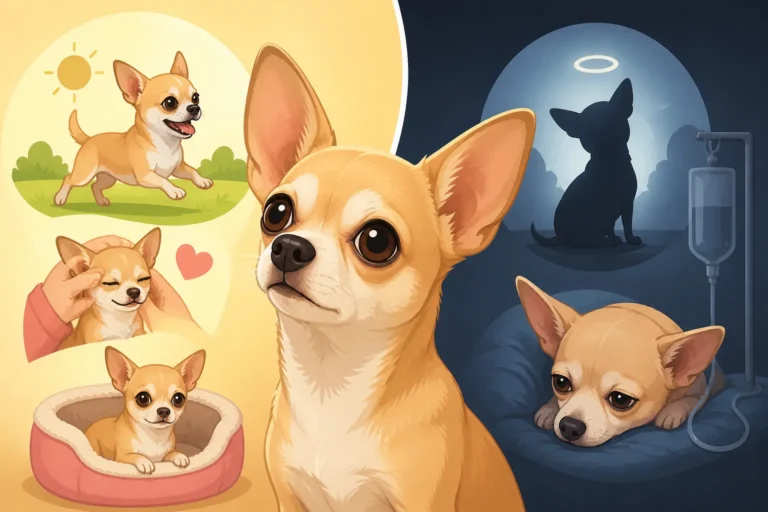
Retinal Atrophy Taking a Chihuahua’s Night Vision
It's absolutely heartbreaking to watch your precious Chihuahua, who was once so confident and zippy, start to hesitate in dim light, or worse, bump into familiar furniture. The thought of them losing their vision, especially their ability to navigate after dark, can be incredibly distressing and leave you feeling utterly helpless. This guide is here to walk you through understanding progressive retinal atrophy (PRA), how it impacts your tiny companion's night vision, what signs to look for, and how you can best support them through this challenging journey.
Understanding Progressive Retinal Atrophy in Chihuahuas
Progressive Retinal Atrophy (PRA) is a blanket term for a group of inherited degenerative diseases that affect the retina, the light-sensitive tissue at the back of your Chihuahua's eye. Think of the retina like the film in an old camera; it captures images and sends them to the brain. When the cells in this "film" start to break down, vision deteriorates. What makes PRA particularly insidious is its progressive nature – it doesn't happen overnight, but rather slowly gets worse over time, often starting with the loss of night vision.
The Science Behind Retinal Degeneration
At a cellular level, PRA involves the gradual deterioration of photoreceptor cells within the retina. There are two main types of photoreceptors: rods and cones. Rods are responsible for vision in low light conditions and detecting motion, while cones handle bright light and color vision. In most forms of PRA that affect Chihuahuas, the rod cells are affected first. This means your little one will first struggle with their night vision, a condition known as nyctalopia, before their daylight vision begins to significantly decline. It's a cruel progression, as their world slowly becomes darker and more difficult to navigate. This is different from other common issues like Chihuahua Eye Problems in a Shallow Socket, which might be more about physical injury or irritation.
Different Forms and Onset Ages
While the term PRA is broad, there are several distinct genetic forms, and the age at which symptoms appear can vary widely. Some forms, like early-onset PRA, can begin to show signs in puppies as young as a few months old, progressing rapidly. Others, often called late-onset PRA, might not become apparent until your Chihuahua reaches middle age, say 3 to 6 years old, or even later into their senior years. The specific genetic mutation involved dictates the exact timeline and severity. For example, some purebred lines of Chihuahuas might be predisposed to a particular type of PRA, making genetic testing for breeding dogs absolutely crucial. Knowing the specific type of PRA can help your vet predict the progression and provide more tailored advice, even if there's no cure.
How Retinal Atrophy Affects Your Chihuahua's Vision
The impact of PRA isn't just about losing sight; it's about the gradual loss of confidence and independence for your Chihuahua. Imagine waking up one day and finding your familiar home subtly changed, or realizing you can't see the path ahead when the sun goes down. That's the world your Chihuahua is slowly entering.
The Initial Loss of Night Vision (Nyctalopia)
The very first and often most noticeable symptom of PRA is nyctalopia, or night blindness. Your Chihuahua's rod cells are the first to degenerate, making it incredibly difficult for them to see in dim light. You might start to notice them hesitating at dusk, unwilling to go into a dimly lit room, or bumping into furniture that's always been there, especially once the lights are low. They might become more cautious going down steps or ramps, or appear startled by movements they didn't see coming in the shadows. It's not that they're being stubborn or clumsy; they genuinely cannot see. This can be particularly stressful if they are usually very active at night or enjoy evening strolls. It's a subtle change at first, often dismissed as them being "tired" or "spooked," but it's often the first tell-tale sign of a deeper issue.
Progression to Daytime Vision Impairment
As the disease progresses, the cone cells, which are responsible for daytime and color vision, will also start to degenerate. This is when the vision loss becomes much more profound and impacts your Chihuahua's quality of life even during the day. They might start to bump into things even in bright light, struggle to find their toys, or have difficulty navigating new environments. You might notice their pupils becoming increasingly dilated, as their eyes try to let in every last bit of available light to compensate for the failing retina. Their eyes may also appear "shinier" due to the increased light reflection from the back of the eye. This total loss of functional vision can be incredibly disorienting for them, leading to increased anxiety or a reluctance to move around. It's a long, challenging road for both you and your beloved pet.
Recognizing the Signs of Vision Loss
Catching vision loss early can help you prepare and make necessary adjustments to ensure your Chihuahua's safety and comfort. It's vital to be observant, as Chihuahuas are masters at adapting and often hide their discomfort or disabilities for as long as possible.
Subtle Behavioral Changes
Before overt signs of bumping into things, you'll likely notice subtle shifts in your Chihuahua's behavior. Perhaps they're suddenly more hesitant to jump off the sofa at night, or they seem to cling closer to you during evening walks. They might start relying more on their other senses – listening more intently, sniffing the ground more vigorously, or being more sensitive to touch. You might find them staying in well-lit areas of the house, avoiding dark hallways or corners. Sometimes, they might even seem startled by your approach if they didn't see you coming from their blind spots. These small changes, often dismissed as quirks, can be the earliest indicators that something is amiss with their eyesight. It's worth considering the long-term commitment to their care, as outlined in articles like Budgeting for a Chihuahua That Lives Sixteen Years.
Obvious Physical and Navigational Challenges
As PRA advances, the signs become harder to ignore. Your Chihuahua might start bumping into walls, furniture, or even your legs during the day. They might become disoriented in unfamiliar places or even their own backyard. You may notice their gait becoming more cautious, with higher steps as they "feel" for the ground. Their pupils might be consistently dilated, even in bright light, giving their eyes a glassy or reflective appearance due to something called tapetal hyperreflectivity, which a vet can easily spot. Eventually, they might show no reaction to visual threats, like a hand moving towards their face, and might not track toys or treats thrown for them. These are clear indicators that their vision is severely compromised, and a veterinary visit is essential. This is distinct from other conditions like Chihuahua Heart Disease as the Breed Ages, but both highlight the need for attentive senior care.
| Symptom | Early Stage (Night Vision Loss) | Advanced Stage (Day & Night Vision Loss) |
|---|---|---|
| Navigation in Dim Light | Hesitation, bumping into familiar objects | Severe difficulty, complete disorientation |
| Pupil Size | May be slightly dilated in low light | Markedly dilated, even in bright light |
| Eye Appearance | Generally normal | Can appear "shiny" or reflective |
| Confidence Level | More cautious in dark areas | Reduced overall confidence, increased anxiety |
| Response to Movement/Objects | May miss fast-moving objects in dim light | No visual response to objects, even close-up |
| Reliance on Other Senses | Increased use of hearing and smell | Heavy reliance on hearing, smell, and touch |
Diagnosing Retinal Atrophy in Chihuahuas
If you suspect your Chihuahua is experiencing vision loss, the first and most important step is a visit to your veterinarian. While it's natural to be scared, getting an accurate diagnosis is crucial for understanding the condition and planning for your pet's future.
Comprehensive Ophthalmic Examination
Your regular vet can perform an initial comprehensive ophthalmic examination. This typically includes checking your Chihuahua's pupillary light reflexes (how their pupils constrict in response to light), examining the internal structures of the eye with an ophthalmoscope, and checking for any other abnormalities. They'll look for signs like tapetal hyperreflectivity, which is an increased reflectivity of the tapetum lucidum (a reflective layer behind the retina), and thinning of the retinal blood vessels. These visual cues can strongly suggest PRA. While not a definitive diagnosis of the type of PRA, it can confirm the presence of a retinal degenerative disease. It's a foundational step, much like a general check-up would highlight any potential concerns for issues like Chihuahua Epilepsy and Seizure Onset.
Specialized Diagnostic Tests
For a definitive diagnosis of PRA and to determine the specific genetic form, your vet may recommend a referral to a veterinary ophthalmologist. This specialist has advanced equipment and expertise. Key diagnostic tests include:
- Electroretinography (ERG): This is the gold standard for diagnosing PRA. An ERG measures the electrical responses of the retina to flashes of light. In a Chihuahua with PRA, these electrical responses will be significantly reduced or absent, indicating the degeneration of photoreceptor cells. It's non-invasive and provides a clear picture of retinal function.
- Genetic Testing: Since many forms of PRA are inherited, genetic testing can identify specific mutations in a Chihuahua's DNA. A simple cheek swab or blood sample can be sent to a specialized lab. This is particularly valuable for breeders to prevent passing on the disease, and for owners to understand the precise nature of their dog's condition. For instance, reputable breeders will run genetic tests as part of The Health Tests a Chihuahua Breeder Should Run. Knowing the genetic type can also sometimes help predict the progression. Organizations like the Orthopedic Foundation for Animals (OFA) maintain databases of these tests.
While there isn't a cure for PRA, an accurate diagnosis allows you to plan. It can also rule out other conditions that might cause similar symptoms, such as cataracts, which might have surgical options. When thinking about the financial implications of specialized tests and ongoing care, having pet insurance like Healthy Paws can provide significant peace of mind.
Living with a Vision-Impaired Chihuahua
Discovering your Chihuahua is losing their vision can be overwhelming, but it's important to remember that dogs are incredibly adaptable. With your love, patience, and some thoughtful adjustments, your little companion can continue to live a full and happy life.
Creating a Safe and Predictable Environment
The key to helping a vision-impaired Chihuahua is consistency and safety. Your home needs to become a predictable haven.
- Don't rearrange furniture: Once your Chihuahua has mapped out your home, avoid moving furniture, food and water bowls, or their bed. Any changes can be disorienting and cause anxiety or accidents.
- Create clear pathways: Keep floors clutter-free, especially in areas where your Chihuahua walks frequently. Remove obstacles like shoes, bags, or decorative items.
- Use tactile cues: Consider placing different textured rugs or mats at transitions, like at the top and bottom of stairs, or before doorways. This provides sensory information about their location.
- Baby gates and barriers: To prevent falls, especially down stairs, use baby gates to block off dangerous areas. This is crucial for their safety.
- Scent marking: Some owners find success with using essential oils (diluted and dog-safe, like lavender) on furniture legs or doorways to provide scent markers, helping their Chihuahua navigate. Always consult your vet before using essential oils around pets.
- Ramps and steps: If your Chihuahua loves to be on the sofa or bed, provide dog-friendly ramps or steps to prevent falls and injuries, especially to their delicate joints. This is a good general practice anyway, as discussed in Ramps and Steps for a Chihuahua Sofa.
These adjustments help your Chihuahua build a "mental map" of their surroundings, allowing them to move with greater confidence. Remember, their world is now largely felt and smelled, not seen.
Utilizing Other Senses and Communication
Since their sight is diminished, your Chihuahua will rely heavily on their other senses – smell, hearing, and touch. This opens up new ways for you to communicate and interact with them.
- Verbal cues: Start using specific verbal cues consistently. Instead of just pointing to their food bowl, say "Dinner time!" or "Find your food!" Use consistent commands for "step up," "step down," "wait," or "careful."
- Sound cues: Attach a small bell to your shoes or your clothing so your Chihuahua can always locate you. When you enter a room, speak softly to alert them to your presence and avoid startling them.
- Scent enrichment: Engage their powerful sense of smell. Scent games, where you hide treats around the house, can be incredibly stimulating and fun for them. Many brands, including those you might see on sites related to Healthy Paws for pet wellness, offer enrichment toys.
- Touch and gentle guidance: Guide them gently with your hand on their side or shoulder rather than pulling on their leash. A gentle tap can indicate a direction. When approaching them, speak their name first and then offer a slow, gentle touch to avoid surprising them.
- Consistent routine: Maintain a consistent daily routine for feeding, walks, and playtime. Predictability reduces anxiety and helps them anticipate what comes next.
Patience is paramount. Your Chihuahua might get frustrated or anxious, and it's your calm, reassuring presence that will help them adapt.
Outdoor Safety and Socialization
Taking a vision-impaired Chihuahua outside requires extra vigilance, but it's still important for their mental and physical well-being.
- Leash walks only: Never let a vision-impaired Chihuahua off-leash in an unfenced area. A long lead can be useful in a secure, familiar yard, but always supervise closely. They might wander into danger without realizing it.
- Familiar routes: Stick to familiar, safe walking routes. Keep them on a short leash to guide them around obstacles like curbs, poles, or unexpected changes in terrain.
- Identification: Ensure your Chihuahua wears a collar with up-to-date ID tags and is microchipped. Consider adding a tag that says "Blind Dog" to alert others if they somehow get lost.
- Avoid dog parks: Dog parks can be overwhelming and dangerous for a vision-impaired Chihuahua. The fast movements of other dogs can easily cause collisions or trigger fear-based reactions.
- Controlled introductions: If introducing them to new dogs or people, do so slowly and in a controlled, quiet environment. Let the new dog approach calmly and allow your Chihuahua to sniff and investigate at their own pace.
Even with vision loss, your Chihuahua can enjoy walks and outdoor adventures. It just requires a bit more planning and awareness from your end. Keeping them engaged and active is key to their overall health, as we know that senior Chihuahuas, as explored in Senior Chihuahua Care Past the Age of Twelve, still need mental and physical stimulation.
Breeding and Genetic Considerations
Understanding the hereditary nature of PRA is vital, especially if you're involved in breeding Chihuahuas or are looking to get a puppy from a breeder. This isn't just about preventing heartache; it's about responsible stewardship of the breed.
The Importance of Genetic Screening
Since PRA is an inherited condition, genetic screening of breeding stock is the most effective way to reduce its incidence in future generations. Reputable breeders should be transparent about the health testing they perform on their breeding Chihuahuas. This includes specific DNA tests for known forms of PRA that affect the breed. If a dog carries the gene for PRA, even if they don't show symptoms themselves (if they are a carrier), they can pass it on to their offspring. Combining two carriers in a breeding can result in affected puppies. Therefore, breeders should aim to breed only clear-to-clear dogs, or clear-to-carrier dogs, ensuring that no affected puppies are produced. This diligence is part of Cardiac and Eye Clearances on a Chihuahua Parent, among other vital tests.
How to Choose a Responsible Breeder
When looking for a Chihuahua puppy, especially if you're concerned about inherited conditions like PRA, choosing a responsible breeder is paramount.
- Ask for health clearances: A good breeder will readily provide documentation of health clearances for both parents, including genetic tests for PRA, and results from an ophthalmologist's examination (like CERF or OFA eye certifications). They should be able to explain what these tests mean.
- Transparency: They should be open and honest about any health issues in their lines, even if rare. They should also be able to explain their breeding philosophy and how they strive to produce healthy puppies.
- Puppy guarantee: Many reputable breeders offer a health guarantee for their puppies, often covering hereditary conditions like PRA for a certain period.
- Avoid "Teacup" breeders: Be wary of breeders who advertise "teacup" Chihuahuas, as this term often indicates irresponsible breeding practices focused on extreme smallness, which can lead to a host of health problems, including higher risks for genetic defects and issues like Chihuahua Hypoglycemia and the Puppy Emergency.
- Meet the parents: Whenever possible, meet the puppy's parents to observe their temperament and general health. While you can't see PRA symptoms just by looking, it helps to assess the overall health of the breeding stock.
Responsible breeding, backed by thorough genetic testing and health clearances, is the best defense against inherited diseases like PRA. It ensures that you're bringing home a puppy with the best possible start in life, and that the breed's health is prioritized for generations to come. Having a long-lived companion is a blessing, and while we can't prevent every health issue, we can certainly try to minimize risks through informed choices.
Disclaimer
The information provided in this article is for general informational purposes only and is not a substitute for professional veterinary advice. Always consult with a qualified veterinarian or veterinary ophthalmologist for any health concerns or before making any decisions about your Chihuahua's care, diet, or treatment.