Microchipping a Chihuahua That Fits in a Pocket
It's completely understandable to feel a pang of worry when considering a microchip for your tiny Chihuahua. They are so small, so delicate, and the thought of any needle larger than a vaccine shot can make any loving pet parent anxious. You might wonder if it's truly necessary for a dog that fits into a pocket, or if the chip itself would be too big for their little body. This guide aims to ease those concerns and walk you through everything you need to know about microchipping your pocket-sized companion, ensuring their safety and your peace of mind should they ever wander.
The Indispensable Safety Net for Your Tiny Companion
The world can be a big, scary place for a Chihuahua, even for those that seem to live the most pampered indoor lives. Despite our best efforts to keep them safe and sound, accidents happen. A door left ajar, a sudden fright during a walk, or even a determined little explorer finding a gap in the fence – any of these scenarios can lead to a lost pet situation in a heartbeat. For a Chihuahua, their small size, which makes them so endearing, also makes them incredibly vulnerable and easy to overlook or, sadly, even pick up by someone else.
Why a Microchip is More Crucial for a Chihuahua Than You Think
You might think your little one is always by your side, safely tucked in a carrier or snuggled on your lap. And most of the time, that's true! But Chihuahuas, despite their dainty appearance, can be surprisingly quick and resourceful. A sudden loud noise during a walk could cause them to bolt, slipping out of a collar or harness in their panic. Their small stature also means they can squeeze through openings that might seem impossible for a larger dog, vanishing into thin air before you even realize what's happened. Imagine the sheer terror of realizing your tiny companion is gone, especially if they're far from home or in an unfamiliar area.
Beyond accidental escapes, there's the unfortunate reality that Chihuahuas are sometimes targeted for theft due to their portability and desirability. A microchip offers an undeniable, permanent form of identification that a collar and tags simply cannot. It's a silent guardian, always there, ready to speak for your dog when they cannot. This tiny device provides a critical link back to you, drastically increasing the chances of a happy reunion, especially if they end up at a local shelter or veterinary clinic.
Beyond a Collar and Tags: The Permanent Identification Solution
We all equip our Chihuahuas with adorable collars and shiny ID tags, and that’s fantastic! Collars with up-to-date tags are your first line of defense, offering immediate visual identification if your dog is found by a good Samaritan. They can quickly call the number on the tag, and your Chihuahua is back in your arms. However, collars can break, fall off during a struggle, or be removed by someone with less-than-pure intentions. If your Chihuahua's collar is gone, their primary form of identification vanishes with it.
This is where the microchip steps in as the ultimate backup. It's a permanent form of identification, implanted just under the skin, that cannot be lost, altered, or removed without a surgical procedure. When a lost pet is brought into a veterinary office or an animal shelter, one of the first things they do is scan for a microchip. This simple scan, performed with a handheld device, can read the unique identification number embedded in the chip. That number is then cross-referenced with a national database, which holds your contact information. This means that even if your Chihuahua travels across state lines or is found months later, that microchip number remains their unwavering link back to you. It's truly a testament to modern technology offering peace of mind to pet parents.
Understanding the Microchipping Procedure for a Small Dog
The idea of a needle for something so small can be daunting, but the microchipping process itself is remarkably swift and straightforward. It's not a surgical procedure that requires anesthesia, and for the vast majority of Chihuahuas, it's no more uncomfortable than a routine vaccination. Your veterinarian is well-versed in handling tiny patients, and they prioritize making the experience as stress-free as possible for your beloved companion.
What to Expect During Your Chihuahua's Microchip Insertion
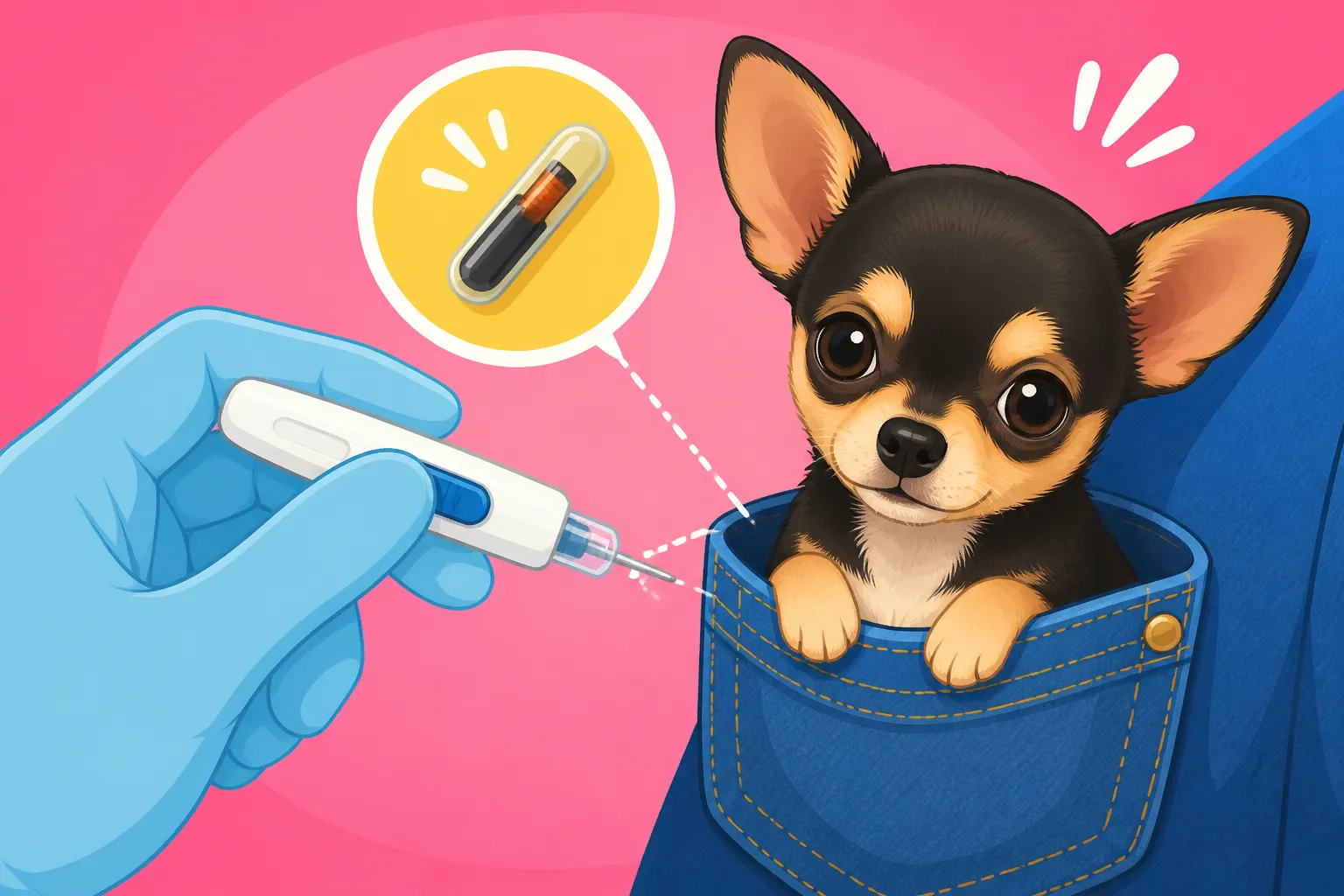
Microchips are quite small – roughly the size of a grain of rice. They are encased in a biocompatible glass, meaning they won't cause any reaction with your Chihuahua's body. The chip is inserted using a sterile, slightly larger needle than those used for vaccinations, but it's typically a quick jab. The most common placement is between the shoulder blades, where it can be easily scanned and tends to stay put. Your Chihuahua might give a little yelp or flinch, but the discomfort is momentary, much like a quick pinch. Many owners choose to have their Chihuahuas microchipped during a routine vet visit, perhaps when they're already getting their annual vaccinations or a check-up. This can be a smart way to combine appointments and get it done. Speaking of those initial vet visits, it’s worth noting that your Week One Chihuahua Bills From Carrier to Vet often include these essential preventive care items. If you're concerned about your Chihuahua's sensitivity, your vet might even be able to numb the area slightly or distract them with a tasty treat. For some, the thought of any needle or minor procedure, especially combined with other necessary health interventions like Chihuahua Vaccination and Anesthesia at Toy Size, can feel overwhelming, but the actual microchipping is a very minor part of the overall experience.
After the chip is inserted, your vet will usually do a quick scan to ensure it’s reading correctly and that it’s in the right spot. There's no recovery time needed, other than perhaps a little cuddle and reassurance from you. Your Chihuahua will be ready to go home and resume their normal activities almost immediately.
Choosing the Right Microchip and Vet for Your Chihuahua
When it comes to microchips, most modern chips are standardized and can be read by universal scanners, meaning that whether your dog ends up at a shelter in your town or a veterinary clinic miles away, their chip can likely be identified. However, it's always a good idea to confirm with your veterinarian what type of chip they use and which national registry it's associated with. Some common chip manufacturers are widely recognized and have robust databases.
Choosing a veterinarian who has ample experience with toy breeds like Chihuahuas is always a plus. They understand the nuances of working with small animals, from gentle handling to appropriate needle sizes. Don't hesitate to ask questions about the procedure beforehand; a good vet clinic will be happy to explain everything and address all your concerns. Remember, the microchip itself is a passive device; it doesn't have a battery and doesn't transmit a signal like a GPS tracker. It simply stores a unique identification number that is read by a scanner. This ensures it lasts for your Chihuahua's entire life without needing any maintenance or replacement, making it a truly long-term solution for their safety.
| Feature | Collar & Tags | Microchip |
|---|---|---|
| Visibility | High, immediate visual | Invisible, requires scanner |
| Durability | Can break, fall off, or be removed | Permanent, internal, cannot be lost |
| Information | Limited (name, phone) | Extensive (contact, vet, health info) |
| Battery/Power | None | None (passive RFID) |
| Cost | Recurring (replacements) | One-time insertion fee, potential database update fees |
| Security | Easily removed | Extremely difficult to remove |
| Peace of Mind | Good for immediate finds | Essential for permanent identification and long-term security |
Activating and Maintaining Your Chihuahua's Microchip Information
Getting the microchip inserted is only half the battle. The most critical step, and one that is sadly often overlooked, is activating and regularly updating the registration information linked to that chip. A microchip with outdated or unregistered information is essentially useless; it’s a number without a name or address attached, making it impossible to reunite you with your lost Chihuahua.
Registering Your Chihuahua's Microchip Details Immediately
Once your veterinarian has implanted the microchip, they will provide you with paperwork that includes your Chihuahua's unique microchip ID number and instructions on how to register it. Do not delay this step! Many owners mistakenly believe their vet automatically registers the chip, but often, it's the owner's responsibility to complete the registration process with the specific microchip registry. This usually involves going online or mailing in a form.
When you register, you’ll typically provide your name, current address, phone numbers (including a cell and a secondary contact if possible), and your veterinarian's contact information. This database is the central hub that links your Chihuahua's unique ID number directly to you. In the distressing event your Chihuahua goes missing and is found, this is the information a shelter or vet will use to reach out. Think of it as your dog's permanent digital passport; without your details filled in, that passport is blank. Being diligent here can save you from immense heartbreak and the kind of The Emergency Bills That Reach Chihuahua Owners when trying to track down a lost pet through other means. Many providers, like Healthy Paws, emphasize the importance of preventative care and identification, understanding that a lost pet is a serious matter.
Keeping Your Microchip Information Current for Lifetime Protection
Life changes, and so do our contact details. You might move to a new house, change your phone number, or even rehome your Chihuahua to a trusted family member. Each of these events necessitates an update to your microchip registration. It's not a set-it-and-forget-it deal! A phone number that's been disconnected or an old address won't help anyone find you.
Make it a habit to check your microchip registration annually, perhaps around the same time you schedule your Chihuahua's yearly vet check-up. Log into the registry's website or call their customer service line to verify all your information is accurate. There might be a small fee to update your information, but it's a minimal cost compared to the anguish of a lost pet. For example, if you relocate, the new address and local phone number are crucial. Imagine if your Chihuahua, who has lived a long life and seen many changes, gets lost in their senior years. Regular checks as part of their Vet Visit Frequency for a Chihuahua Past Twelve can ensure this critical detail is never overlooked. Some services also offer lifetime updates, simplifying the process. Investing in this simple maintenance ensures the microchip truly serves as a lifetime safety net for your beloved furry family member.
Common Concerns and Reassurances for Tiny Chihuahuas
It's natural to have specific worries when it comes to any procedure for your pint-sized pal. Chihuahuas are not just small dogs; they often feel like they need extra protection because of their delicate build. Let's tackle some of the most common anxieties about microchipping a Chihuahua head-on.
Is It Too Big for My Little Chihuahua?
This is perhaps the most common question I hear from Chihuahua parents, and it’s a perfectly valid one. When you envision a microchip, you might picture something chunky, uncomfortably large for a six-pound dog. But rest assured, modern microchips are incredibly tiny. As mentioned, they're roughly the size of a grain of rice – think of a single grain of uncooked white rice. This minuscule size is specifically designed to be easily implantable in even the smallest of breeds without causing undue discomfort or bulk under the skin.
Once implanted, the chip usually settles into the subcutaneous tissue between the shoulder blades, and most owners report they can barely feel it, if at all. It certainly doesn't impede movement or cause any ongoing irritation. While rare, some chips might migrate slightly from their original insertion point, but this is typically harmless and doesn't affect the chip's functionality. Your vet will always do a quick scan to locate the chip during future check-ups to ensure it's still detectable. Ultimately, the peace of mind knowing your Chihuahua has permanent identification far outweighs any initial concern about the chip's size.
Does Microchipping Hurt a Small Chihuahua?
Another very understandable concern is the pain associated with the injection. Again, comparing it to a standard vaccination shot is the best way to describe the sensation. The needle used for microchips is slightly larger, but the procedure is over in a matter of seconds. Most Chihuahuas react with a quick yelp or a tense moment, but then it's done. They might be a little sensitive in the area for a few minutes afterward, but there's no lasting pain, swelling, or recovery period required.
Think about the immense relief and joy of being reunited with a lost Chihuahua. That brief, momentary discomfort for the microchip insertion pales in comparison to the weeks, months, or even years of heartache if your little one goes missing without this crucial form of identification. Many owners find it easier to get the microchip done when their puppy is already at the vet for other procedures, like their first set of vaccinations, helping to combine the potentially stressful events. Even if it's a standalone appointment, the benefits of a microchip far, far outweigh the fleeting discomfort. When you consider What You Pay for a Chihuahua and What Sets It and the long-term commitment, the small investment in a microchip for their lifetime safety is truly priceless.
Remember, while a microchip is invaluable, it's still important to use traditional identification. Always ensure your Chihuahua wears a collar with up-to-date tags, even if they're mostly indoors. These are easily found on pet supply sites like Chewy, which offers a wide array of collars and tags for small breeds. Pair this with a secure harness for walks, and if your Chihuahua is prone to exploring, consider investing in a secure Chihuahua Carriers and Travel Bags or a well-designed Chihuahua Crate Size and Setup for travel and home safety, minimizing the chances of them ever needing that microchip scanned.
Disclaimer
This article is for general informational purposes only and does not constitute professional advice. Laws, prices and regulations vary by location and change over time. Consult a qualified professional for guidance on your specific situation.