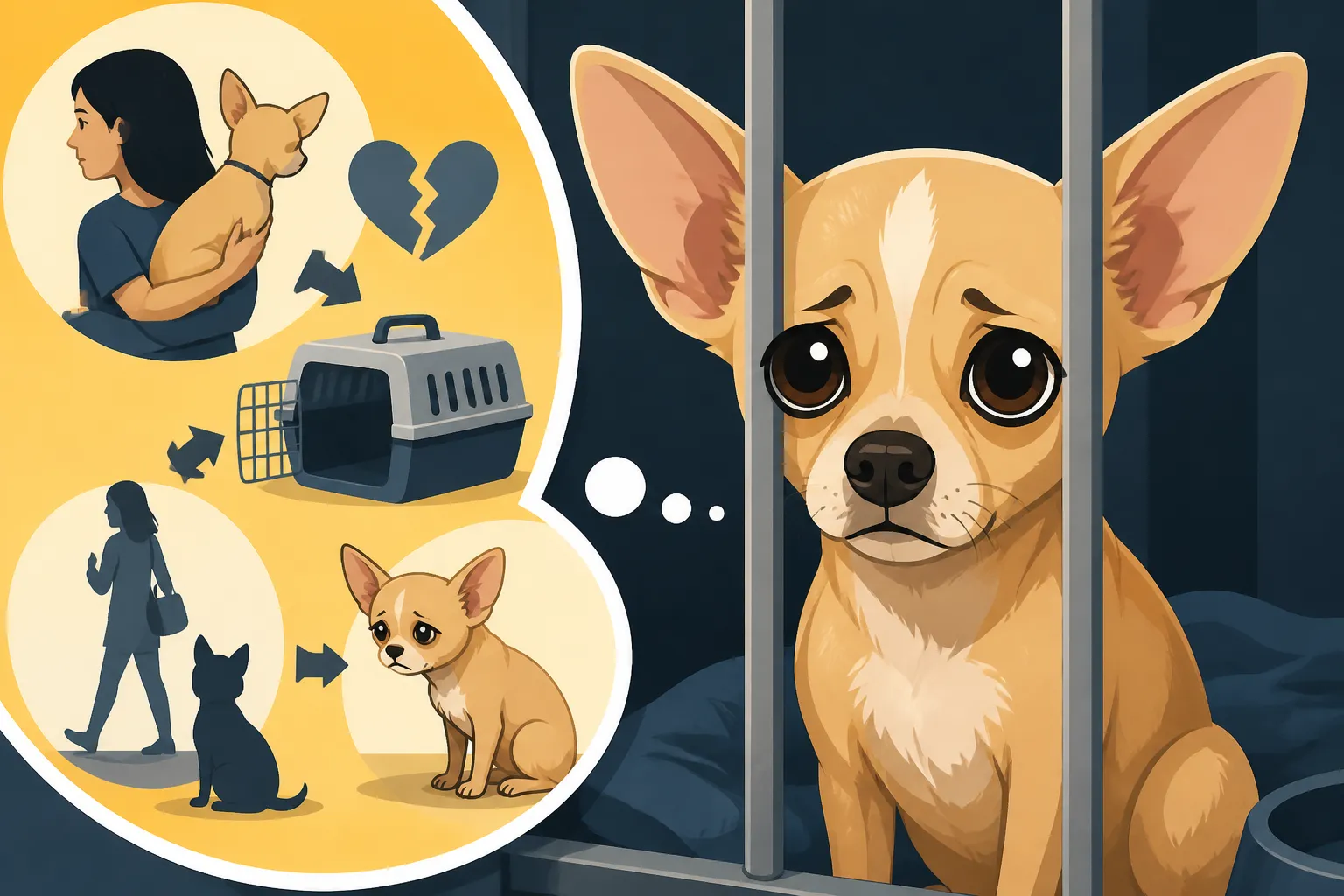
Why So Many Chihuahuas Sit in Shelters
It’s a heartbreaking reality to walk through nearly any animal shelter, especially in regions like the Southwest United States, and see dozens of tiny, trembling faces peering out from kennels – many of them Chihuahuas. You might wonder how such small, seemingly manageable dogs, often portrayed as pampered lapdogs, end up abandoned or surrendered in such high numbers. This guide will delve into the multifaceted reasons behind the unfortunate prevalence of Chihuahuas in shelters, shedding light on the common misconceptions, unexpected challenges, and overlooked responsibilities that contribute to this persistent issue.
Common Misconceptions That Lead to Surrender
One of the biggest hurdles Chihuahua owners face, often unknowingly, is the slew of misconceptions surrounding these pint-sized pups. People often assume that because a dog is small, its needs are equally diminutive, leading to a cascade of problems that ultimately overwhelm unprepared owners.
The "Small Dog, Small Needs" Fallacy
Many people unfortunately fall for the myth that a small dog automatically requires less effort, less training, and less commitment than a larger breed. This couldn't be further from the truth. While a Chihuahua won't eat as much food as a Great Dane or need miles of running exercise like a Border Collie, their needs are just as complex, just as persistent, and in some areas, even more intense. Owners might think a tiny dog means tiny problems, but a Chihuahua is a full-fledged dog with all the instincts, intelligence, and potential behavioral quirks of any canine.
This false belief often leads to owners skipping crucial early socialization and obedience training, thinking their Chihuahua is "too small" to cause real trouble. They might carry their dog everywhere, denying them the opportunity to explore the world on their own four paws, or excuse unwanted behaviors because "it's just a little dog." This lack of foundational training can result in a Chihuahua that is fearful, insecure, and prone to lashing out, creating a cycle of frustration for both the dog and the owner.
Misjudging the Breed's Temperament
The public image of the Chihuahua is often that of a trembling, yappy, or aggressively sassy creature – stereotypes that are frequently born from a misunderstanding of their true temperament and needs. These dogs are often depicted in media as fashion accessories rather than intelligent, sensitive animals. Many people bring home a Chihuahua expecting a docile, silent lap ornament, only to be surprised by a dog with a big personality and strong opinions.
Chihuahuas are known for their alert, terrier-like personalities and deep loyalty to their chosen person. They can be incredibly brave and bold, often oblivious to their own small stature, which can lead to conflicts with larger dogs if not properly managed. When these innate traits aren't understood or are actively suppressed, a Chihuahua can become stressed and defensive. This can manifest as nipping, growling, or excessive barking, behaviors that are often mislabeled as "small dog syndrome" when in reality, they are a cry for proper guidance, boundaries, and understanding. In fact, understanding that Small Dog Syndrome and Why It Is Not Genetic is key to addressing these behaviors.
Underestimating Training Requirements
Because they are small, Chihuahuas are frequently overlooked for serious training, with owners often thinking they can't or don't need to learn basic obedience. This is a grave mistake. Every dog, regardless of size, benefits immensely from consistent, positive reinforcement training. Without it, a Chihuahua can develop a range of undesirable habits that become deeply ingrained and difficult to correct later.
These issues can range from simply not listening to commands, to more significant problems like resource guarding, leash reactivity, or incessant barking. Owners who don't invest time in training often find themselves with a dog that is difficult to manage in public, unpredictable around guests, or destructive when left alone. The frustration this causes is a significant factor in surrenders, as owners feel they can no longer cope with a dog they perceive as "untrainable," when in reality, the training was simply never prioritized or executed correctly.
Behavioral Challenges Often Misunderstood
Chihuahuas, like all dog breeds, come with their own set of behavioral tendencies. When these are not anticipated or properly managed, they quickly become overwhelming for owners, cementing the Chihuahua's reputation as a "difficult" dog and often leading to their entry into the shelter system.
Fear Reactivity and Its Triggers
One of the most prevalent behavioral issues leading to Chihuahua surrenders is fear reactivity. Because of their tiny size, Chihuahuas are acutely aware of their vulnerability in a world designed for much larger beings. A loud noise, an approaching stranger, or even a sudden movement can be genuinely terrifying for a dog that weighs less than a gallon of milk. When consistently exposed to frightening stimuli without adequate support or desensitization, Chihuahuas can develop defensive behaviors.
This often manifests as barking, lunging, snapping, or trembling. These reactions are not malice; they are an attempt by the dog to create distance from a perceived threat. Unfortunately, owners sometimes misinterpret this as aggression or stubbornness, rather than fear, and punish the dog, further eroding its trust and compounding the problem. Left unchecked, Chihuahua Fear Reactivity, the Breed's Real Problem can escalate, making the dog a liability in public and a source of constant stress at home.
House Training Hurdles
Let's be frank: house training a Chihuahua can be incredibly challenging, and it's a primary reason many end up in shelters. Their bladders are tiny, which means they need to relieve themselves far more frequently than a larger dog. Couple this physiological reality with a natural aversion to cold, rain, or even just wet grass, and you have a recipe for indoor accidents. Owners often become exasperated by persistent marking or puddles, especially when they've tried various methods without success.
Many owners give up, resigning themselves to a life of perpetual potty pads or frequent clean-ups, but for others, it becomes an insurmountable barrier to keeping the dog. What starts as a small accident can quickly become a habit if not addressed with extreme consistency, patience, and realistic expectations. The truth is, mastering House Training a Chihuahua With a Tiny Bladder requires a dedicated routine, constant vigilance, and understanding that these little dogs simply cannot "hold it" for extended periods.
Barking and Nuisance Behavior
Chihuahuas are often stereotyped as incessant barkers, and while some individuals might be more vocal, much of this reputation stems from their protective nature and heightened alertness. A Chihuahua will bark to alert its owner to perceived threats (which can be anything from a leaf blowing past the window to the mail carrier), to express excitement, or out of boredom and anxiety. When these vocalizations become excessive, they can quickly try an owner's patience, particularly in apartment settings or close-knit communities.
This nuisance barking often signals unmet needs – whether for more mental stimulation, consistent training, or a feeling of security. Without proper intervention, like teaching a "quiet" command or providing alternative outlets for their energy, the barking can become a deeply ingrained habit. Owners might resort to punitive measures or simply surrender the dog, believing it's inherently "too loud," rather than recognizing the underlying causes and addressing them with positive, consistent training.
Financial Realities That Overwhelm Owners
Owning any pet comes with financial responsibilities, but for Chihuahuas, some costs can be surprisingly high or unexpected, catching owners off guard and leading to difficult decisions, especially when budgets are tight.
Unexpected Veterinary Bills
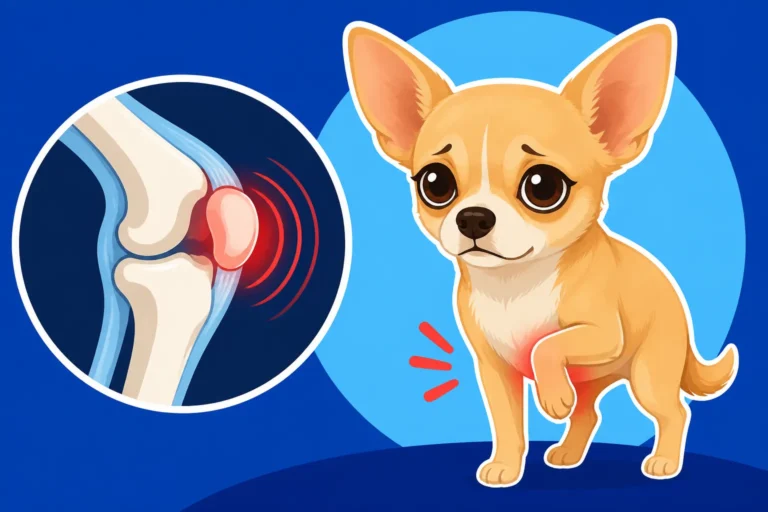
Despite their small size, Chihuahuas are unfortunately prone to a range of health issues that can result in significant veterinary expenses. Common problems include patellar luxation (slipping kneecaps), tracheal collapse, dental disease, and heart conditions. Many of these issues require ongoing care, specialized diets, or even costly surgeries. For instance, Chihuahua Dental Bills as the Biggest Recurring Cost are a significant concern, often requiring annual cleanings and potential extractions that can run into hundreds or even thousands of dollars.
When an owner takes on a Chihuahua without understanding these potential health vulnerabilities, they can quickly find themselves facing bills they simply cannot afford. A sudden emergency, like a severe case of Chihuahua Hypoglycemia and the Puppy Emergency in a young pup, or a necessary surgery for a luxating patella, can easily set an owner back thousands of dollars. This financial strain, particularly without pet insurance, can become a breaking point, leading to the difficult decision to surrender the dog rather than provide the necessary medical care. This is where considering something like Healthy Paws pet insurance early on can be a literal lifesaver, helping to mitigate the shock of major medical costs.
The Cost of Daily Care
While it's true that a Chihuahua eats less than a large dog, the overall The Monthly Cost of Keeping a Chihuahua can still add up. Beyond food, there are costs for preventative medications (flea, tick, heartworm), regular vet check-ups, grooming supplies, toys, beds, and training tools. Quality food, especially for a sensitive digestive system or specific dietary needs, can be expensive even in small portions. Even staples like high-quality kibble, like those available on Chewy, add up over a long life, and if you're looking into fresh food options, companies like Ollie offer pre-portioned meals designed for specific caloric needs, though this comes with its own price tag.
Many owners underestimate these ongoing expenses, especially if they've never owned a dog before or are used to the lower costs associated with other types of pets. When unexpected costs arise, or when an owner's financial situation changes, these regular expenses can become a heavy burden. The constant need for specific, toy-sized accessories, from harnesses that spare a Chihuahua's windpipe to appropriately sized dental chews, further adds to the financial commitment, pushing some owners past their breaking point.
Lack of Emergency Funds
Life is unpredictable, and sometimes, even the most well-intentioned owners face unforeseen financial setbacks. Job loss, medical emergencies for themselves, or other family crises can quickly deplete savings and leave no funds for pet care. When a Chihuahua suddenly needs an expensive medical procedure or when an owner can no longer afford even basic daily care, the lack of an emergency fund becomes acutely painful.
Unlike larger dogs who might find homes more easily, Chihuahuas often face a tougher time in shelters, and the stigma around their breed can mean a longer wait for adoption. Faced with these realities, an owner who genuinely loves their pet but cannot provide for its needs might see surrender as the only humane option, hoping the shelter can offer the necessary care they no longer can. This highlights the importance of not just budgeting for routine costs, but also having a financial cushion or proactive Chihuahua Pet Insurance and Its Low Premium plan for unexpected veterinary emergencies.
The "Teacup" Myth and Irresponsible Breeding
The persistent allure of the "teacup" Chihuahua has unfortunately fueled irresponsible breeding practices, leading to a host of problems that often culminate in these fragile dogs ending up in shelters.
The Allure of Miniature Dogs
There's no denying the appeal of a dog so tiny it can fit into a teacup or a handbag. This image, popularized in media and celebrity culture, has created a high demand for extremely small Chihuahuas. Many prospective owners are captivated by the idea of a miniature companion, believing it will be easier to manage, carry, and integrate into their lives. However, this desire for tinier and tinier dogs has a dark side.
The term "teacup Chihuahua" is not a recognized breed standard and often refers to undersized or runty Chihuahuas, sometimes bred intentionally to be abnormally small. These dogs are often marketed at a premium price, leading unsuspecting buyers to believe they are getting a rare and special animal. This demand, unfortunately, encourages breeders to prioritize size over health, contributing to a cycle of puppies born with significant vulnerabilities.
Health Problems in Undersized Chihuahuas
Chihuahuas bred to be extremely small, often weighing less than three pounds, frequently suffer from a myriad of severe health issues. These problems can include severe hypoglycemia (dangerously low blood sugar) in puppies, fragile bones susceptible to fractures, hydrocephalus (fluid on the brain), heart defects, and persistent open fontanelles (soft spots on the skull). The constant care required for such delicate dogs is immense, both emotionally and financially.
Many owners, especially first-timers, are completely unprepared for the reality of caring for a dog with chronic or life-threatening conditions. The constant trips to the vet, the specialized feeding schedules, and the sheer fragility of these tiny pups can quickly become overwhelming. When owners realize the extent of these problems and the significant resources required, they may feel they have no choice but to surrender their "teacup" Chihuahua, particularly if they haven't learned about The Health Risk Behind a Two Pound Chihuahua beforehand. This perpetuates the cycle of sick, unwanted Chihuahuas entering shelters.
Backyard Breeders and Pet Stores
The demand for "teacup" or simply inexpensive Chihuahuas is often met by irresponsible backyard breeders and puppy mills, whose primary motivation is profit rather than the health and welfare of the animals. These operations often neglect proper health screenings, genetic testing, or even basic veterinary care for their breeding stock and puppies. They might breed dogs that are too young, too old, or have known health issues.
Puppies from these sources are frequently sold without proper vaccinations, deworming, or early socialization, and often come with undisclosed health problems or behavioral issues. Buyers, lured by lower prices or convenience, often find themselves with a sick puppy that quickly racks up massive vet bills or exhibits severe behavioral problems due to poor early care. Without the support of a reputable breeder who stands behind their puppies, these owners are often left to navigate these challenges alone, eventually leading to the sad decision to surrender the dog to a shelter or rescue, where it's hoped that Whether a Chihuahua Breeder Screens for Hydrocephalus is a question they do answer truthfully.
Life Changes and Lack of Preparedness
Even for well-cared-for Chihuahuas, life changes can create situations that make keeping a pet untenable for some owners, especially if they haven't planned for the breed's unique considerations.
Moving and Housing Restrictions
One of the most common reasons for dog surrender across all breeds, including Chihuahuas, is moving. Rental markets, especially in urban areas, can have strict weight, breed, or even number-of-pet restrictions. While Chihuahuas rarely hit weight limits, some landlords have blanket "no dog" policies, or charge exorbitant pet fees and deposits that simply aren't feasible for struggling tenants.
Finding pet-friendly housing can be incredibly challenging and time-consuming. Faced with a lease expiration and no suitable housing options that accommodate their beloved Chihuahua, owners are sometimes forced to choose between a home for themselves and their pet. This heartbreaking decision, often made under immense pressure, contributes significantly to the shelter population, even when the owner genuinely loves their dog.
New Family Members and Dynamics
The arrival of new family members, whether a human baby or another pet, can drastically alter household dynamics and sometimes prove to be a breaking point for Chihuahua ownership. Chihuahuas, known for their strong bonding to one or two individuals, can struggle with the shift in attention and routine that a baby brings. They might become jealous, anxious, or even reactive towards the new infant, especially if not properly introduced and trained.
Similarly, bringing a new pet into the home, especially a larger or more boisterous dog, can be problematic. Chihuahuas, despite their bravery, can be easily injured by larger dogs, or they might feel threatened and exhibit fear-based aggression. Owners might find themselves unable to safely manage the new dynamic, or they may prioritize the safety of the child or the harmony of the multi-pet household, leading to the difficult decision to rehome their Chihuahua.
Owners Underestimate Lifespan
Chihuahuas are renowned for their impressive longevity, often living well into their teens, with many reaching 16 years or even longer. While this is wonderful for a loving owner, it also represents a significant long-term commitment that some people simply don't fully grasp when they first get a puppy. A Chihuahua puppy is adorable, but it will be a part of your life for a very, very long time. In fact, Why Chihuahuas Outlive Almost Every Other Breed means you could be making a two-decade commitment.
People's lives change over two decades: careers shift, relationships evolve, financial situations fluctuate, and health can decline. What seemed manageable at age 25 might be impossible at 45. Some owners may not consider that they might outlive their ability to care for a pet, or that their lifestyle might become incompatible with pet ownership down the line. The sheer length of their commitment can lead to Chihuahuas, especially older ones, being surrendered when owners realize they can no longer provide the necessary care as they themselves age or their circumstances drastically change.
Finding a Chihuahua a Forever Home
The good news is that for every Chihuahua struggling in a shelter, there are dedicated rescues and individuals committed to finding them loving, permanent homes. Understanding how to navigate the adoption process and what to expect is crucial for giving these deserving dogs a second chance.
Adoption from Reputable Rescues
When considering bringing a Chihuahua into your home, bypassing pet stores and backyard breeders in favor of a reputable rescue organization or shelter is highly recommended. These organizations are often overflowing with Chihuahuas of all ages, temperaments, and coat types, each waiting for a loving family. Adopting a Chihuahua From a Shelter not only saves a life but also supports the vital work these groups do.
Reputable rescues invest time and resources into their dogs, providing necessary veterinary care, vaccinations, and often even microchipping. They also spend time assessing each dog's temperament, behavioral needs, and potential challenges. This means they can provide invaluable insights into a Chihuahua's personality, helping you find a match that truly suits your lifestyle and home environment. Many rescues even offer post-adoption support and advice, which can be incredibly helpful for new owners.
The Screening Process
Be prepared for a thorough screening process when adopting from a reputable Chihuahua rescue. This isn't meant to be intrusive but rather to ensure that both you and the dog are set up for success. Rescue organizations want to prevent future surrenders, so they ask detailed questions about your living situation, family members (including children and other pets), lifestyle, previous pet ownership experience, and your expectations for a dog.
You might be asked for vet references, character references, and possibly a home visit. While this might seem extensive, it's a testament to their commitment to their dogs' well-being. They're trying to gauge your readiness for the responsibilities of Chihuahua ownership and make the best possible match. Embrace this process as a collaborative effort to find the right canine companion for your family.
Setting Your New Chihuahua Up for Success
Once you've adopted your Chihuahua, the real work (and joy!) begins. Setting them up for success involves creating a safe, predictable, and enriching environment. This includes providing appropriate training, consistent boundaries, early socialization (if they are a puppy or need remedial work), and ample mental and physical stimulation. Remember that a small dog needs just as much training as a big one, perhaps even more, to build confidence and good manners.
Invest in a comfortable, appropriately sized crate for Chihuahua Crate Training, ensuring they have a safe den. Establish a consistent routine for feeding, potty breaks, and exercise. Continue their socialization by safely introducing them to new sights, sounds, and friendly people and animals. Most importantly, shower them with patience, understanding, and unconditional love. A Chihuahua who feels secure, understood, and cherished is far less likely to develop the behavioral issues that sadly lead so many others to end up in shelters.
Why Chihuahuas End Up in Shelters: A Summary
The journey of a Chihuahua from a loving home to a shelter kennel is rarely simple. It's often a complex interplay of misconceptions, unforeseen challenges, and a lack of preparedness on the part of owners. Here's a quick look at the main drivers:
| Reason for Surrender | Common Owner Expectation | Reality of Chihuahua Ownership |
|---|---|---|
| "Small Dog, Small Needs" | Low maintenance, easy pet | Full-fledged dog with complex needs & training reqs. |
| Temperament Misunderstanding | Quiet, docile lapdog | Alert, loyal, brave, can be fearful/reactive if not managed |
| House Training Challenges | Quick to potty train | Tiny bladder, needs frequent breaks, can be hard to motivate outdoors |
| Unexpected Vet Bills | Low medical costs due to size | Prone to dental, knee, heart issues; high specialist costs |
| Teacup Health Issues | Rare, special, easy to carry | Often come with severe, costly health problems due to unethical breeding |
| Life Changes (Moving, Baby) | Dog will adapt | Housing restrictions, jealousy, safety concerns can force rehoming |
| Underestimated Lifespan | Short-term commitment | Live 15+ years; long-term commitment with evolving needs |
Disclaimer
This article is intended for informational purposes only and does not constitute veterinary or professional behavioral advice. Always consult with a qualified veterinarian or certified professional dog trainer for any health or behavior concerns regarding your Chihuahua.