Chihuahua Nail and Paw Care at Toy Size
One of the most common anxieties for Chihuahua owners revolves around those tiny little paws and even tinier nails. It's truly a unique challenge, because their size means everything is delicate, and a small mistake can feel enormous. This guide is here to walk you through everything you need to know about keeping your Chihuahua's nails and paw pads healthy, comfortable, and pain-free, addressing the specific worries that come with such a petite companion.
The Unique Challenge of Chihuahua Nail Care
Let's be honest, taking care of a Chihuahua's nails isn't quite the same as trimming a Labrador's. Everything is scaled down, but the fear of cutting too short, nicking the quick, or causing pain feels magnified. Their small stature and specific breed traits present unique considerations that deserve a thoughtful approach.
Why Chihuahua Nails Are Different
First off, a Chihuahua's nails tend to be fine and sometimes quite dark, making the quick (the living part of the nail with blood vessels and nerves) harder to see. This immediately sets off alarm bells for many owners, leading to understandable hesitation. You're not alone if you've ever stared at your Chihuahua's paw, feeling completely unsure where to even begin. Moreover, because Chihuahuas often get carried or spend more time indoors, their nails don't always wear down naturally as much as a larger dog who might log miles on pavement. This means regular, intentional trimming is even more crucial. Ignoring them can lead to painful overgrowth, affecting their gait and even their joint health over time.
The Impact of Overgrown Nails on Tiny Paws
An overgrown nail on a Chihuahua is more than just an aesthetic issue; it can cause real discomfort and even health problems. Imagine walking with shoes that are too small, constantly pushing your toes back. That's essentially what happens to your Chihuahua's delicate paw structure. When nails get too long, they push back into the nail bed, putting pressure on the toe joints. This can lead to splayed toes, discomfort, and an unnatural distribution of weight when they walk. Over time, this can contribute to issues like arthritis in their little joints or even exacerbate existing conditions such as Chihuahua Arthritis in the Teenage Years. They might develop a reluctance to walk, a strange gait, or even become irritable because of persistent, nagging pain that's hard for them to communicate.
Addressing Chihuahua Anxiety Around Paw Handling
Many Chihuahuas are notoriously particular about their paws being handled. This isn't just stubbornness; it's often rooted in fear or previous negative experiences. Perhaps a rough puppy nail trim, or even just the startling sensation of clippers, has created an aversion. For a dog that's already prone to fear reactivity, like many Chihuahuas can be, any perceived threat to their sensitive paws can be a big deal. Trying to force the issue can quickly backfire, making future attempts even harder. It's vital to remember that building trust and positive associations is key here, rather than brute force. We want to make it a neutral, or even pleasant, experience, not a wrestling match.
Essential Tools for Safe and Effective Nail Care
Having the right tools makes all the difference when you're tackling those tiny Chihuahua nails. Just as you wouldn't use a sledgehammer to tap in a tiny nail, you shouldn't use giant clippers meant for a Mastiff on your little companion. The right equipment can reduce anxiety for both of you and make the process much safer.
Choosing the Right Clippers and Files
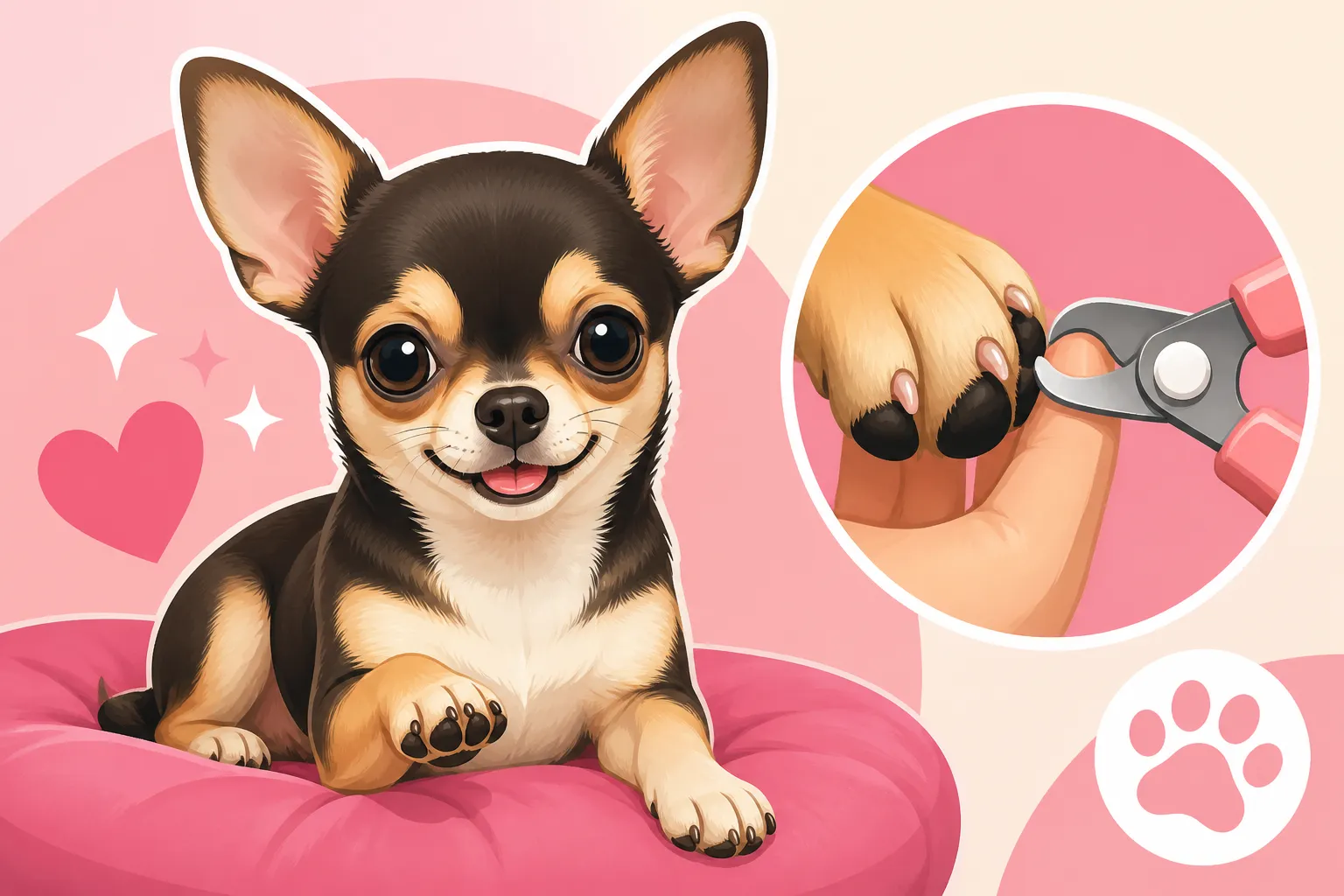
For Chihuahuas, not all nail clippers are created equal. The large, guillotine-style clippers can feel clunky and intimidating for such small paws. Many Chihuahua owners find scissor-style clippers to be more precise and easier to maneuver around tiny nails. Look for ones specifically designed for small pets, as these will have smaller blades and a more ergonomic grip for delicate work.
Alternatively, a rotary tool (like a Dremel, often marketed for pets) can be an excellent option, especially for Chihuahuas with dark nails where the quick is hard to see. Grinding allows you to take off small amounts at a time, reducing the risk of cutting too far back. It also creates a smoother finish, which can prevent snagging. However, the vibration and noise of a Dremel can be startling, so careful introduction is essential. You can find a great selection of these specialized small-animal tools on Amazon or Chewy, often with user reviews from other small dog owners that can guide your choice.
Styptic Powder: Your Safety Net
Even the most experienced nail trimmers can occasionally nick the quick. It happens! This is why styptic powder is not an optional tool; it's a must-have safety net. This powder, often containing ferric subsulfate, works by constricting blood vessels to stop bleeding quickly. Keep it readily accessible every time you trim your Chihuahua's nails. Just a tiny pinch applied directly to the bleeding nail will usually do the trick. It stings for a moment, so be prepared for a quick withdrawal and some comfort for your pup, but it's far better than letting a small bleed continue and cause more distress.
Paw Balms and Moisturizers for Healthy Pads
Beyond the nails, your Chihuahua's paw pads also need attention. These little pads take the brunt of every step, and they can become dry, cracked, or rough, especially if your dog walks on hot pavement, rough surfaces, or through icy conditions. A good quality paw balm or moisturizer can keep them supple and protected. Look for natural ingredients like shea butter, coconut oil, or beeswax. Applying it regularly, especially before and after walks, creates a protective barrier and helps prevent painful cracking. You can also use it to soothe already irritated pads. Just be sure it's non-toxic, as your Chihuahua will inevitably lick their paws after application.
Step-by-Step Nail Trimming for Chihuahuas
Now that you have the right tools, let's talk about the actual process. It's not just about cutting the nail; it's about making it a calm, comfortable routine for your Chihuahua. Patience and positive reinforcement are your best friends here.
Creating a Calm Environment and Proper Positioning
First things first, choose a quiet time and a calm space where you and your Chihuahua won't be interrupted. Avoid high-energy moments or when they're overly stimulated. You might want to sit on the floor, on a comfortable couch, or even have your Chihuahua on your lap, depending on what makes them feel most secure. Some owners find that wrapping their Chihuahua in a soft blanket, leaving only one paw exposed at a time, can offer a sense of security and limit wriggling. The goal is to make them feel safe and contained, not trapped. You could even play some calming music or use a soothing voice.
The "Little Bit at a Time" Method
The golden rule for Chihuahua nail trimming is "a little bit at a time." It's far better to trim less frequently or take tiny snips more often than to risk cutting too much and hitting the quick. Identify the tip of the nail and only clip the very end, the part that hooks downwards or touches the ground when they stand. If your Chihuahua has clear nails, you'll see the pink quick stop before the white tip. For dark nails, this is where the "little bit at a time" method truly shines. Clip a tiny sliver, then look at the freshly cut surface. If you see a gray or whitish center, you're safe. If you start to see a tiny dark circle, stop! That's the beginning of the quick. You'll gradually be able to trim a bit more each time as the quick recedes.
| Tool Type | Best For | Pros | Cons |
|---|---|---|---|
| Scissor-style Clippers | Small, delicate nails, first-timers | Precise, easy to handle, widely available | Can be intimidating if used improperly, risk of cutting too deep |
| Rotary Tool (Dremel) | Dark nails, anxious dogs (once acclimated), smoothing | Reduces risk of cutting quick, smooth finish, good for quick recession | Noise/vibration can scare some dogs, takes longer, requires training |
| Styptic Powder | Emergency quick bleeds | Stops bleeding immediately, essential safety item | Can sting briefly |
| Paw Balm | Dry, cracked pads, protection | Moisturizes, protects from elements, soothes irritation | Can be messy, must be non-toxic |
Reward Systems and Positive Reinforcement
Every step of the nail trimming process should be paired with positive reinforcement. Before you even touch a paw, offer a high-value treat. Touch a paw, more treats. Touch a nail, more treats. Clip one tiny nail, a jackpot of treats! Speak in a happy, encouraging tone throughout. Immediately after clipping, whether it's one nail or all of them, give plenty of praise, cuddles, and their favorite reward. This could be a special chew, a small amount of Emergency Sugar for a Collapsing Chihuahua Puppy (if appropriate and in very small, controlled amounts for training), or a favorite toy. The goal is for your Chihuahua to associate nail trimming with good things, making them more tolerant and less stressed over time. Consistency is key; even if you only manage one nail a day, that's a win!
Caring for Chihuahua Paw Pads
Beyond the nails, those little paw pads are crucial for your Chihuahua's comfort and mobility. They act as shock absorbers, provide grip, and protect the delicate structures within the paw. Giving them proper care can prevent a lot of discomfort down the line.
Hydration and Protection from the Elements
Chihuahua paw pads, just like our skin, can suffer from dryness, especially in harsh weather conditions. Cold, dry winter air, hot summer pavements, and even indoor heating can all strip moisture from their pads, leading to cracks and discomfort. Consider applying a good paw balm regularly, especially before outdoor excursions. In winter, products like Musher's Secret can create a protective wax barrier against ice, snow, and de-icing chemicals. In summer, try to walk your Chihuahua during cooler parts of the day to avoid Hot Pavement and a Chihuahua's Small Feet. If you can't, small dog boots are a worthwhile investment. Think of it as sunscreen and moisturizer for their feet!
Checking for Cuts, Cracks, and Foreign Objects
Make it a habit to inspect your Chihuahua's paw pads regularly, ideally once a week or after particularly rough walks. Look for any cuts, scrapes, cracks, or punctures. Small pebbles, tiny shards of glass, thorns, or even burrs can easily get lodged between their delicate paw pads or toes, causing pain and potential infection. Gently spread their toes apart and check the webbing. If you find something, try to remove it carefully with tweezers. If it's deeply embedded or causes significant pain, a vet visit is in order. Early detection can prevent minor issues from becoming serious infections or leading to lameness.
The Benefits of Regular Paw Massage
A gentle paw massage can be incredibly beneficial for your Chihuahua. Not only does it help you bond, but it also increases blood circulation to the paw pads, promoting overall health and flexibility. It's a fantastic way to get your dog comfortable with having their paws handled, which is a huge bonus for nail trims. Use a small amount of paw balm during the massage. Gently rub each pad and then move to the spaces between the toes, feeling for any tenderness or lumps. This can be a soothing ritual, especially for older Chihuahuas who might experience Chihuahua Arthritis in the Teenage Years or stiffness, helping to keep their paws pliable.
Common Chihuahua Paw Problems and Solutions
Despite our best efforts, Chihuahuas can still encounter various paw-related issues. Their small size, active nature, and sometimes sensitive skin can make them prone to certain problems. Knowing what to look for and how to react can make a big difference.
Identifying Limping or Reluctance to Walk
If your Chihuahua suddenly starts limping, favoring a paw, or shows a general reluctance to walk or put weight on a limb, it's a clear sign something is wrong. This could be anything from a minor thorn in the paw pad to a sprain, a fracture, or even something like How a Chihuahua Kneecap Slips Out of Place. Immediately examine the paw for any visible injuries, swelling, or tenderness. Check carefully between the pads and around each nail. If you can't find an obvious cause and the limping persists, or if your dog is in clear pain, a veterinary visit is crucial. Don't assume it will just "get better"; prompt diagnosis can prevent further injury or prolonged suffering.
Dealing with Dry, Cracked, or Bleeding Pads
Dry and cracked paw pads are a common complaint, especially in areas with extreme weather. As discussed, regular application of a good paw balm is your first line of defense. If the cracks are deep and start to bleed, it's more serious. These open wounds are susceptible to infection. Clean the area gently with a mild antiseptic solution, apply a small amount of antibiotic ointment (approved by your vet), and then protect the paw with a light bandage or a dog boot to prevent further irritation or licking. If the cracking is severe or doesn't improve with home care, consult your vet, as it could sometimes be a symptom of an underlying condition.
Allergies and Interdigital Cysts
Chihuahuas can be prone to skin allergies, and often, the paws are one of the first places to show symptoms. Constant licking, chewing, or redness between the toes can indicate an allergic reaction, possibly to food, environmental allergens like pollen, or even certain cleaning products used on your floors. These allergies can sometimes lead to interdigital cysts, which are small, painful lumps that form between the toes, often becoming infected. If you notice persistent paw licking, redness, swelling, or the appearance of cysts, it's important to consult your vet. They can help identify the allergen and recommend treatments, which might include dietary changes, antihistamines, or antibiotics for infection. You might find specialized limited ingredient diets on Chewy or Ollie that could help manage food sensitivities.
Building Positive Associations with Paw Handling
We've touched on this, but it's worth emphasizing: training and desensitization are key to making paw care a stress-free experience for your Chihuahua. It's not just about managing behavior during a trim; it's about fostering a trusting relationship where they feel safe with your touch.
Starting Early with Puppy Introductions
If you have a Chihuahua puppy, start handling their paws from day one. Gently touch their toes, rub their pads, and play with their nails. Do this multiple times a day for very short sessions, always pairing it with calm praise and tiny, high-value treats. The goal is to make paw handling feel like a normal, pleasant part of their daily life, not a scary intrusion. This early exposure helps prevent the development of fear and reactivity later on. The earlier you start, the more ingrained and positive the association will be, setting them up for a lifetime of easier grooming and vet visits. You can read more about overall puppy development in our guide The Chihuahua Puppy Curriculum Month by Month.
Desensitization Techniques for Anxious Chihuahuas
For adult Chihuahuas who already have an aversion to paw handling, you'll need a slower, more patient approach using desensitization and counter-conditioning.
- Start Small: Begin by just reaching for their paw, without touching. If they remain calm, reward them.
- Gradual Touch: Slowly progress to a light touch on their leg, then their paw, then a single toe. Only move to the next step when they are completely comfortable with the previous one, always rewarding calmness.
- Introduce Tools: Once they're okay with touch, bring out the clippers or Dremel. Let them sniff it. Put it down. Reward. Gradually, turn the Dremel on for a second (away from them), then turn it off and reward. Associate the sound and sight of the tool with good things.
- Practice Runs: Pretend to clip a nail (without actually clipping), then immediately reward.
This process can take weeks or even months, but it's worth it for a less stressed Chihuahua and a safer trimming experience for everyone.
High-Value Treats and Calming Aids
When you're working on desensitization or during actual nail care, don't skimp on the treats! Use something truly irresistible that they only get during these specific sessions. Think tiny pieces of cooked chicken, cheese, or specialized training treats that are soft and easy to swallow quickly. The idea is to make the reward so fantastic that it outweighs any discomfort or anxiety they might feel. For extremely anxious Chihuahuas, you might discuss calming aids with your vet, such as pheromone sprays, calming supplements, or even prescription medication for severe cases of Chihuahua Fear Reactivity, the Breed's Real Problem. These can help lower their overall anxiety levels, making them more receptive to training.
Professional Grooming vs. At-Home Care
Many Chihuahua owners grapple with whether to tackle nail care at home or entrust it to a professional. There are pros and cons to both, and the best choice often depends on your comfort level, your Chihuahua's temperament, and your budget.
When to Seek Professional Assistance
If you're genuinely uncomfortable or fearful of trimming your Chihuahua's nails, or if your dog is highly resistant and prone to snapping or extreme anxiety, there's absolutely no shame in seeking professional help. A skilled groomer or veterinary technician has the experience and often the patience to handle even the most reluctant paws. They can often get the job done quickly and efficiently, minimizing stress. Moreover, if your Chihuahua has particularly dark nails, a professional might be better equipped to determine where the quick ends, reducing the risk of a painful cut. Don't let pride get in the way of your Chihuahua's well-being; sometimes a pro is truly the safest and kindest option.
What to Look for in a Groomer or Vet Tech
If you decide to go the professional route, choose wisely. Look for a groomer or vet clinic that has specific experience with toy breeds like Chihuahuas. Ask about their handling techniques – do they use positive reinforcement? Are they patient with anxious dogs? Avoid places that use force or scolding. A good professional will understand that a Chihuahua's small size requires a gentle, steady hand and a calm demeanor. They should be willing to discuss your Chihuahua's individual needs and temperament. Some vet clinics offer "nail trim appointments" where a vet tech can quickly and safely do the job, and they'll have styptic powder on hand just in case. When it comes to something as sensitive as your dog's paws, a reputable, empathetic professional is invaluable.
The Benefits of Learning to Trim at Home
While professionals are great, learning to trim your Chihuahua's nails at home offers significant advantages. Firstly, it's cost-effective over the long term, as frequent professional trims can add up. Secondly, it allows for more frequent maintenance. You can take tiny bits off more often, which is ideal for receding the quick over time and keeping nails consistently short. This also reduces the risk of overgrowth between appointments. Most importantly, it strengthens the bond between you and your Chihuahua. When you can calmly and safely manage their care, it builds trust and reinforces your role as their protector. With patience and the right techniques, many owners find great satisfaction in mastering this essential aspect of care. Our guide Chihuahua Nail Trimming at Toy Size can give you even more in-depth tips for home care.
Long-Term Paw Health and Prevention
Consistent care and attention to your Chihuahua's paws are not just about aesthetics; they are fundamental to their overall health, comfort, and mobility throughout their potentially long lifespan. By making paw care a regular part of your routine, you can prevent many common problems and ensure your tiny companion stays spry.
The Role of Diet and Supplements
A balanced, high-quality diet plays a significant role in the health of your Chihuahua's skin and paw pads. Healthy skin and strong nails are often a reflection of good internal nutrition. Ensure your Chihuahua is receiving all the necessary vitamins, minerals, and essential fatty acids. Some owners find that supplementing with omega-3 fatty acids (like fish oil, dosed appropriately for a small dog) can improve skin elasticity and pad health. If you're exploring fresh food options like Ollie, these can often provide superior nutritional profiles that support skin and coat health, including stronger nails and more supple paw pads. Always discuss any dietary changes or supplements with your veterinarian to ensure they are appropriate for your Chihuahua's specific needs and to avoid Chihuahua Obesity on a Six Pound Frame.
Regular Inspection and Early Detection
The single most important preventative measure for paw health is regular inspection. Make it a habit to check your Chihuahua's paws, nails, and between their toes daily or at least several times a week. This doesn't have to be a formal "examination"; it can be a quick check during cuddle time or after a walk. Look for any signs of redness, swelling, cuts, cracks, discharge, or changes in nail texture. Pay attention to how they're walking. Is there a new limp? Are they licking one paw more than usual? Early detection allows you to address minor issues before they escalate into painful or expensive problems. This vigilance is particularly important for a breed that can sometimes be stoic about discomfort.
Adapting Paw Care for Senior Chihuahuas
As Chihuahuas age, their paw care needs might change. Older Chihuahuas can become less active, meaning their nails might wear down even less naturally, necessitating more frequent trims. Arthritis can make them less tolerant of paw handling or make it harder for them to shift their weight for a comfortable trim. Their paw pads might become thinner or more prone to dryness. Be extra gentle, use softer paw balms, and consider using a Dremel if clippers become too jarring. For senior Chihuahuas, ensuring good paw health is critical for maintaining their mobility and quality of life. Ramps and steps around the house can also help protect their aging joints and paws from the impact of jumping, as can be seen in our article Ramps and Steps for a Chihuahua Sofa. Prioritize their comfort and adapt your routine as needed.
Disclaimer
This article is for general informational purposes only and does not constitute professional advice. Laws, prices and regulations vary by location and change over time. Consult a qualified professional for guidance on your specific situation.